Rural communities in southern Taiz province, southwestern Yemen, have emerged as a flashpoint near the front lines, where the conflict has spilled into classrooms and the wider community. Houthi efforts to turn schools into platforms for ideological indoctrination and student recruitment have met with widespread resistance and boycotts.
Government authorities have suspended classes across Taiz since the Houthis escalated their offensive and seized control of most districts.
Despite the group's efforts to reopen schools, most teachers have opted to stay home or flee to government-controlled areas, leaving tens of thousands of children at risk of losing an academic year.
Several mothers in Al-Shamayatayn district told Asharq Al-Awsat their children were distraught at being unable to attend school.
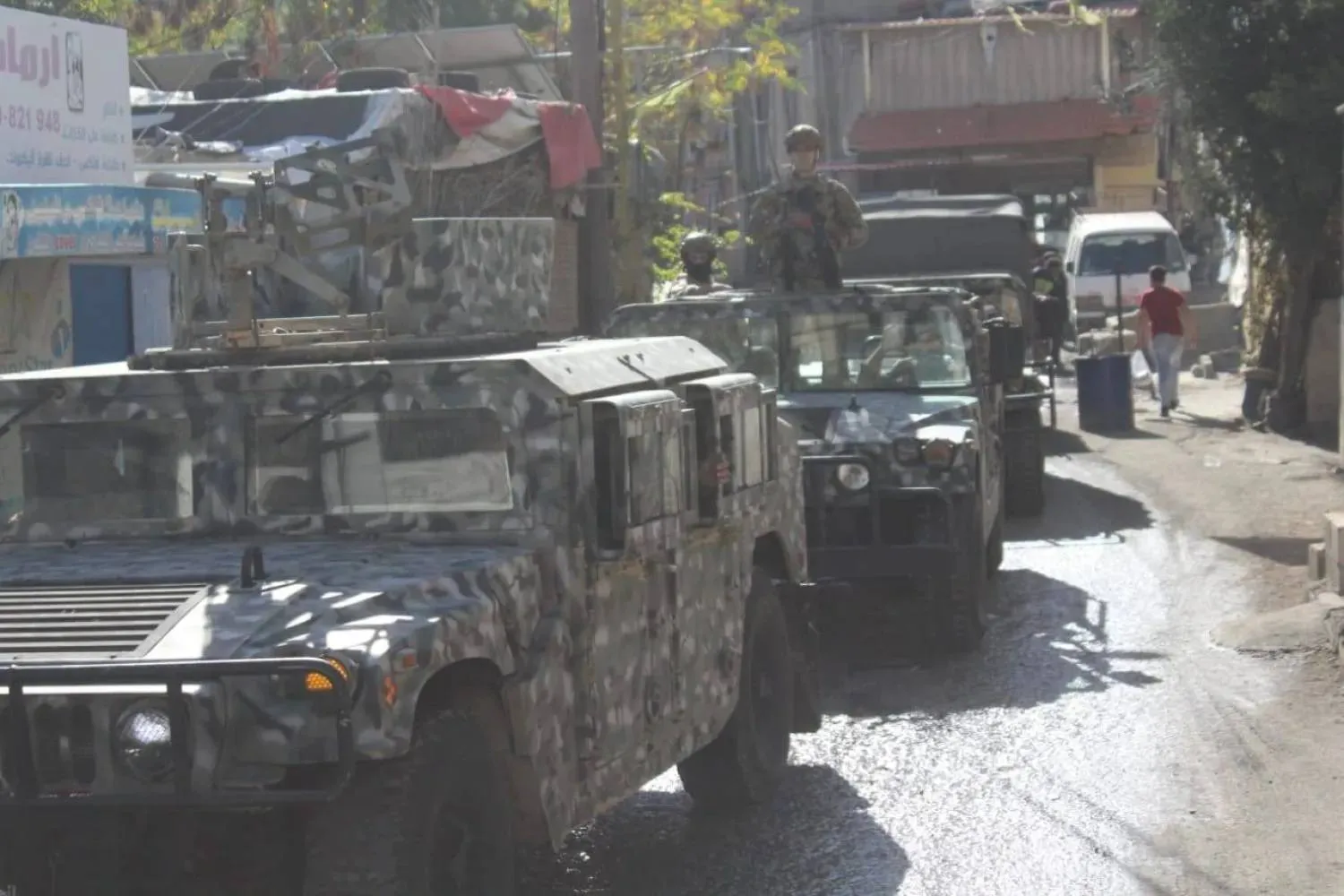
The Houthis have turned many schools into military barracks, deepening parents' fears about sending their children back amid continued fighting and mounting resistance to the group's control and interference in daily life.
One mother recalled trying to persuade her child to stay home by showing him photographs of his school converted into a Houthi military barracks and military vehicles stationed nearby.
But when he asked to transfer to another school, she struggled to explain her fears that he could be subjected to indoctrination and recruitment.
The Houthis have pressed ahead with efforts to persuade parents to send their children back to school while repeatedly threatening education officials, staff and teachers with punitive measures.
A report by the American Center for Justice (ACJ) and the Yemeni Teachers Syndicate in Taiz documented Houthi abuses in October, including killings, abductions, enforced disappearances and the destruction and looting of schools.
It recorded the deaths of 13 teachers and education workers across several districts from shelling and direct gunfire, reflecting a systematic effort to subjugate educational institutions and communities in war-affected areas.
Houthi pressure and infighting
Local sources said a campaign was gaining traction on social media, with residents of rural southern Taiz circulating messages under slogans such as "Our schools are for education, not recruitment."
Women have also burned ideological pamphlets distributed by the Houthis in schools, government offices and markets.
A teacher working in Al-Shamayatayn recounted to Asharq Al-Awsat an unusual encounter with rival Houthi officials.
The teacher had fled to his native Al-Maqatirah district in neighboring Lahj province before the Houthis seized control of the area. He was surprised when a Houthi supervisor approached him, asking him to cooperate with the group and help resume classes at a local school.
He declined, saying that if he returned to teaching, it would be at the school where he was employed.
The supervisor tried to win him over, promising to facilitate his transfer and grant him privileges in return for his cooperation.
But another Houthi official, who oversaw his school in Al-Shamayatayn, called to warn him against accepting the offer and demanded that he return to his original workplace.
The teacher seized on the warning to fend off the first supervisor's demands. The incident, however, sparked a dispute between the two officials, who accused each other of overstepping their authority and obstructing their work, threatening to take the matter to the group's senior leadership.
Another education worker told Asharq Al-Awsat that the Houthis were pressuring education personnel through phone calls, social media messages and home visits by field commanders.
Their tactics ranged from veiled threats to promises of promotions and greater influence for those who complied.
Grassroots resistance
Field sources in Al-Mawasit, Al-Shamayatayn and Al-Ma'afer districts said markets and roads remained unusually quiet, with commercial activity sharply reduced nearly six weeks after the Houthi takeover. The group's supporters have also found Houthi slogans on walls erased overnight.
Traders and shop owners have refused to donate to the group or disclose details of their business activities and sales to its supervisors. Many have kept their shops closed or opened for limited hours.
Vendors and restaurant owners have refused to provide Houthi members with free goods or meals, insisting on payment upfront. Houthi members, meanwhile, have sought to win over residents by sharing food or handing out bread and canned goods, particularly to children.
Earlier this month, Asharq Al-Awsat reported that the Houthis were seeking to reactivate networks that had operated covertly before their recent expansion into rural villages to offset manpower losses, using schools and educational activities as a gateway into local communities.
The group has sought to step up its mobilization campaigns and lectures targeting young people and children, but few residents have attended.
Observers fear the Houthis could exploit the crippling economic crisis and deteriorating living conditions to lure young people and children.
Taiz's local authorities have intervened, formally warning education personnel and parents against participating in mobilization programs targeting students, following strict directives suspending classes over the Houthi escalation.
The authorities stressed that anyone facilitating or assisting recruitment efforts would face legal action.
Since taking control of southern Taiz, the Houthis have used the districts, particularly Al-Shamayatayn, as bases for military attacks in Al-Mudaribah and Al-Arah, Al-Maqatirah and Tur Al-Baha in Lahj province.