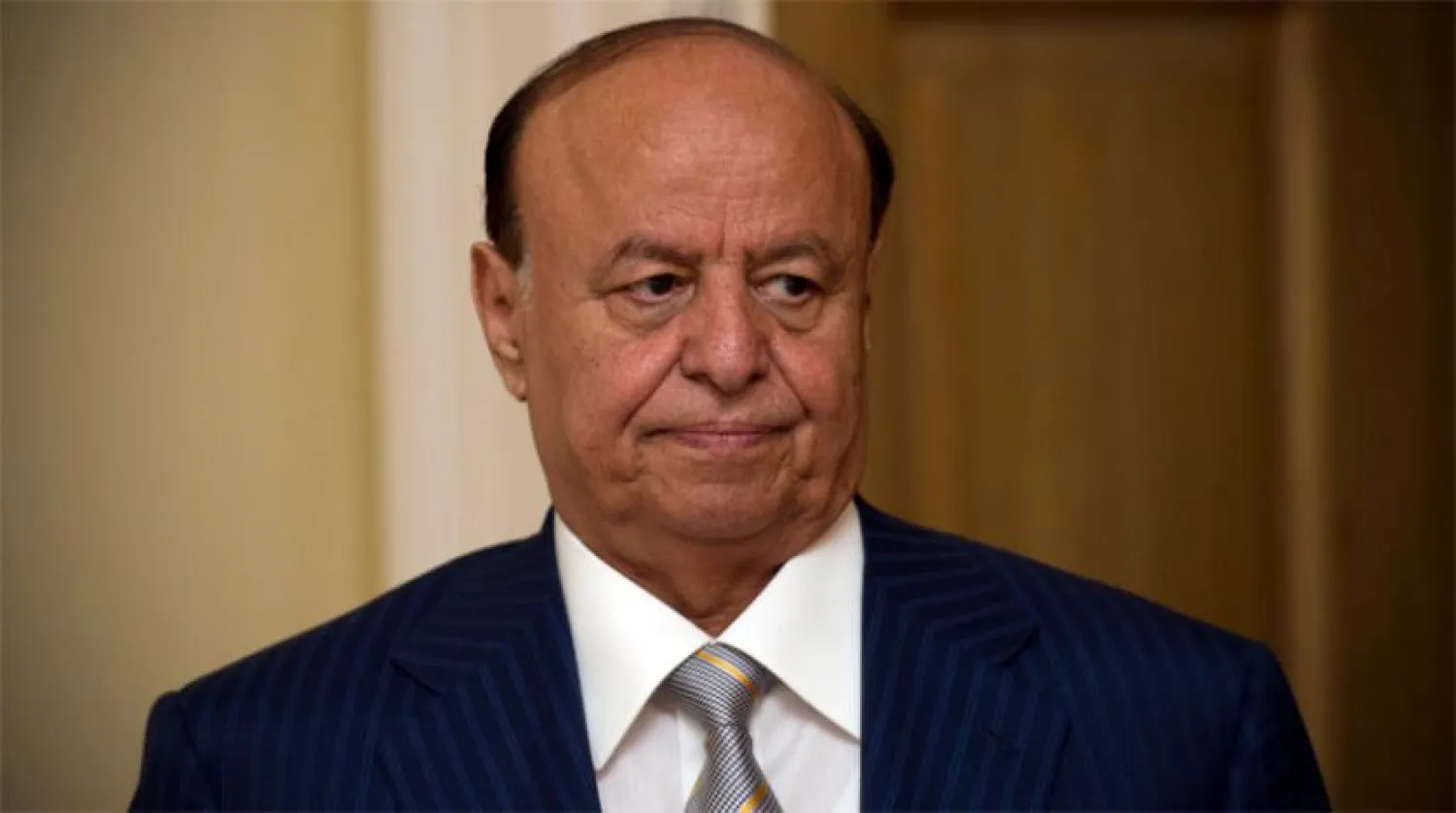
Before Oct. 7, 2023, Khalil al-Hayya, now about 65, was a prominent figure in Hamas. But few inside or outside the movement saw him as a leading contender for its top job.
“Al-Aqsa Flood” changed that.
The attack reshaped the roles and fortunes of Hamas leaders, along with Gaza and the landscape beyond it. Hayya now heads the movement’s political bureau, steering it through one of the most sensitive turning points in its history.
His victory over Khaled Meshaal, a former Hamas leader and one of its best-known figures, was announced in July. It surprised some outside the movement. Others inside had seen it coming, as leaders from Gaza tightened their hold on key portfolios and senior posts.
When “Al-Aqsa Flood” began, Hayya was deputy to Hamas’ Gaza leader, Yahya Sinwar. He handled contacts with Palestinian factions, UN bodies and mediators over conditions in Gaza and its recurring rounds of escalation with Israel.
Hayya first rose to prominence when Hamas contested the 2006 parliamentary election, before seizing military control of Gaza in 2007.
He moved through leadership posts in Gaza City, then across the territory, before joining the movement’s wider leadership. Along the way, he drew sustained support from commanders of Hamas’ military wing in Gaza, including Ahmed al-Jaabari and Izz al-Din al-Haddad.
Where was he — and what did he know?
Before the Oct. 7 attack, Sinwar asked Hayya and other members of Hamas’ Gaza political bureau to leave the territory to handle specific matters abroad. None knew the full extent of his plans.
Hamas sources told Asharq Al-Awsat that Hayya knew more about some aspects of the attack than other political bureau members.
“But his information was neither complete nor precise. Only Sinwar knew the full details, while commanders in the military wing knew specific elements of the attack,” one source said.
In an interview published in April 2024 by the Hamas-affiliated Palestinian Information Center, Hayya said “the Oct. 7 attacks that ignited the Gaza war were intended to be a limited operation by Hamas to capture a number of soldiers and exchange them for Palestinian prisoners.”
“The Gaza Division of the Zionist army collapsed completely,” he added, referring to the Israeli military.
A senior Hamas source abroad told Asharq Al-Awsat that Hayya knew a relatively large-scale attack was being prepared, but did not know its timing or all its details.
“He was among the leaders who voted in favor of the attack. But everyone who voted believed it would be a limited operation, including Ismail Haniyeh, who was then head of the political bureau,” the source said.
Haniyeh was preparing to travel from Türkiye to Iraq with Hayya, Meshaal and other leaders on their first visit to the country.
Personal losses, a depleted leadership
The bloodshed since Oct. 7 has reached deep into Hayya’s family. Three years of fierce Israeli war have inflicted devastating losses on Gaza — and on Hayya, even while he was abroad.
In May, he mourned his son Azzam, following the death of another son, Hammam, in September. Israel killed them in separate attacks. Two other sons, Hamza and Osama, were killed by Israel in 2008 and 2014, respectively.
A Hamas source inside Gaza said repeated Israeli attacks on Hayya’s home, and the killing of several of his sons, particularly during the latest war, had strengthened his standing and positioned him to lead the movement ahead of other longstanding figures.
Another Hamas source pointed to the gaps left by the killing or absence of senior leaders.
“The assassination of Ismail Haniyeh and Saleh al-Arouri, then Yahya Sinwar’s unexpected death in fighting inside Gaza, the assassination of figures such as Rawhi Mushtaha and Osama al-Mazini, and the absence of others for health reasons, including Mahmoud al-Zahar — all of this made Hayya the most prominent figure available to take on responsibility,” the source said.
Leaders from Gaza also held key posts in the political bureau and Shura Council, the source added.
“This does not diminish Hayya’s own standing. He proved his ability to lead and shoulder responsibility in the many portfolios and posts he held,” the source said.
“He became very close to Ismail Haniyeh in Gaza, and later when he joined him abroad. He also faced previous assassination attempts, most notably in Doha in September 2025, while reviewing a US ceasefire proposal with other leaders.”
Hayya’s consistent backing for Sinwar’s plans, inside and outside the movement, also broadened his support, the source said — particularly among Sinwar’s close associates and supporters, and the leadership of the Qassam Brigades.
The Qassam leadership in Gaza backed Hayya for the top job and pushed for his election.
“They saw him as an important choice representing Gaza’s leadership, which they believed should be honored and continue to lead the movement after leading the ‘Al-Aqsa Flood’ battle and sacrificing its senior leaders,” the source said.
Ties with Iran
Within Hamas and among Palestinian factions, Hayya is known for backing Sinwar’s drive, supported by the Qassam leadership, to rebuild ties with the so-called “axis of resistance,” particularly Iran.
That appears to have been a key factor in his growing influence. He handled contacts with Syria’s former government and visited Damascus to meet Bashar al-Assad in October 2022 — the first visit by a Hamas official since the movement left in 2012 amid mounting popular protests against Assad’s rule.
A senior source from Gaza said the territory’s political and military leaders agreed on the need to restore relations with Iran.
Hayya and Sinwar threw their weight behind renewed ties with Tehran, backed overwhelmingly by the Qassam Brigades’ longstanding leadership, from Mohammed Deif and Mohammed Sinwar to all members of its military council.
Some within Hamas supported the move with reservations, a source abroad said.
“There were voices that backed this step cautiously, given the difficulties the movement had faced in its relationship with Iran at certain times, and demands that it support Iran-aligned parties in other arenas,” the source said.
“The movement rejected this and insisted on the independence of its positions.”
Hayya’s path as Hamas leader is strewn with thorns.
In Gaza, he must work to end the war and confront immense humanitarian pressures after the killing of more than 70,000 people and the occupation of more than 60% of the territory.
That task carries a price. He is negotiating through mediators with Israel, which says it will not compromise on disarming Gaza — a demand that would mark one of the most consequential shifts in Hamas’ history.
Hayya and Hamas face a difficult equation: preserving the movement’s existence and cohesion while confronting the possible loss of its weapons, one of its strongest sources of leverage.
The path to political participation is also obstructed. Hamas would need to abide by the Palestinian Authority’s agreements with Israel, a red line for the movement.
Hayya’s rise was a striking and unexpected shift. His tenure now brings a further test, one likely to determine his own fate and the course of the movement he leads.