


Lebanon Hopes Fuel Deals with Iraq will Help Generate Electricity

A view of a street during a power cut in Beirut, Lebanon. Reuters file photo
TT

Lebanon Hopes Fuel Deals with Iraq will Help Generate Electricity

A view of a street during a power cut in Beirut, Lebanon. Reuters file photo

Lebanon wants to sign deals with Iraq to secure fuel oil for its power sector without imposing additional pressure on the country's remaining foreign currency reserves.

The deals are part of a long-term cooperation between Lebanon and Iraq that includes the development of the health, agricultural, and industrial sectors. It will also open new horizons for economic cooperation.

Lebanon's caretaker prime minister, Hassan Diab, plans to visit Iraq along with a ministerial and economic delegation, but the trip has been delayed for "technical reasons", government sources told Asharq Al-Awsat.

They indicated that the visit was postponed pending the Iraqi government’s approval of its budget.

The sources said that agriculture, energy, industry, and health ministers will be part of the delegation seeking to sign the agreements, namely, to supply Lebanon with fuel oil, which will secure the operation of the country's power plants.

Lebanon's power sector is suffering from a major crisis as a result of the fuel shortage and the country's inability to secure the foreign currency for fuel shipments, in light of an economic and financial crisis that has greatly reduced the Central Bank’s reserves of the US dollar.

This could cause a total blackout and put a halt to government subsidies on food and medical supplies, which have already dwindled.

Earlier, government officials from both countries discussed fuel deals, and Iraq agreed to provide 500,000 tons of heavy fuel oil, which Lebanon will exchange for oil derivatives that operate its power plants from international oil companies.

The agreement stipulated that the payment be in the form of Lebanese Lira deposits at the Central Bank in an account under the Iraqi government's name, the Lebanese government sources told Asharq Al-Awsat.

The agreements also include introducing Lebanese agricultural and industrial products to Iraqi markets, and in turn, Lebanon will advise the Iraqi government, and provide services to its health sector.

The sources explained that the revenues will be in US dollars and will contribute to providing new job opportunities and chances of cooperation with Lebanese markets, thus providing essential support to the local productive sectors.

The anticipated agreements are part of an Iraqi support package for Lebanon, which was discussed last summer during the Iraqi delegation's visit to Beirut, where they reviewed cooperation in various sectors.

On Wednesday, Iraqi Minister of Health Hassan al-Tamimi arrived in Beirut aboard an aircraft carrying medical aid.

Sources indicated that Tamimi will sign Thursday a number of bilateral agreements.

Lebanese officials also seek to restore and secure transport lines from Iraq to northern Lebanon through Syrian territory.

During its visit to Lebanon last July, the Iraqi delegation discussed with officials lifting customs tariffs on Lebanese goods.

The Lebanese sources said that the consultations for the trade exchange plan also included providing Lebanon with fuel oil products under a one-year loan, which will be discussed during the Lebanese delegation’s visit to Baghdad.

Libya Says UK to Analyze Black Box from Crash That Killed General

Military personnel carry portraits of the Libyan chief of staff, General Mohamed al-Haddad (2-R), and his four advisers, who were killed in a plane crash in Türkiye, during an official repatriation ceremony at the Ministry of Defense headquarters in Tripoli, Libya, 27 December 2025. (EPA)
TT

Libya Says UK to Analyze Black Box from Crash That Killed General

Military personnel carry portraits of the Libyan chief of staff, General Mohamed al-Haddad (2-R), and his four advisers, who were killed in a plane crash in Türkiye, during an official repatriation ceremony at the Ministry of Defense headquarters in Tripoli, Libya, 27 December 2025. (EPA)

Libya said on Thursday that Britain had agreed to analyze the black box from a plane crash in Türkiye on December 23 that killed a Libyan military delegation, including the head of its army.

General Mohammed al-Haddad and four aides died after a visit to Ankara, with Turkish officials saying an electrical failure caused their Falcon 50 jet to crash shortly after takeoff.

Three crew members, two of them French, were also killed.

The aircraft's black box flight recorder was found on farmland near the crash site.

"We coordinated directly with Britain for the analysis" of the black box, Mohamed al-Chahoubi, transport minister in the Government of National Unity (GNU), said at a press conference in Tripoli.

Haddad was very popular in Libya despite deep divisions between west and east.

Haddad was chief of staff for the Tripoli-based GNU.

Chahoubi told AFP a request for the analysis was "made to Germany, which demanded France's assistance" to examine the aircraft's flight recorders.

"However, the Chicago Convention stipulates that the country analyzing the black box must be neutral," he said.

"Since France is a manufacturer of the aircraft and the crew was French, it is not qualified to participate. The United Kingdom, on the other hand, was accepted by Libya and Turkey."

After meeting the British ambassador to Tripoli on Tuesday, Foreign Minister Taher al-Baour said a joint request had been submitted by Libya and Türkiye to Britain "to obtain technical and legal support for the analysis of the black box".

Chahoubi told Thursday's press briefing that Britain "announced its agreement, in coordination with the Libyan Ministry of Transport and the Turkish authorities".

He said it was not yet possible to say how long it would take to retrieve the flight data, as this depended on the state of the black box.

"The findings will be made public once they are known," Chahoubi said, warning against "false information" and urging the public not to pay attention to rumors.


STC Says Handing over Positions to National Shield Forces in Yemen's Hadhramaut, Mahra

National Shield forces in Hadhramaut. (National Shield forces)
TT

STC Says Handing over Positions to National Shield Forces in Yemen's Hadhramaut, Mahra

National Shield forces in Hadhramaut. (National Shield forces)

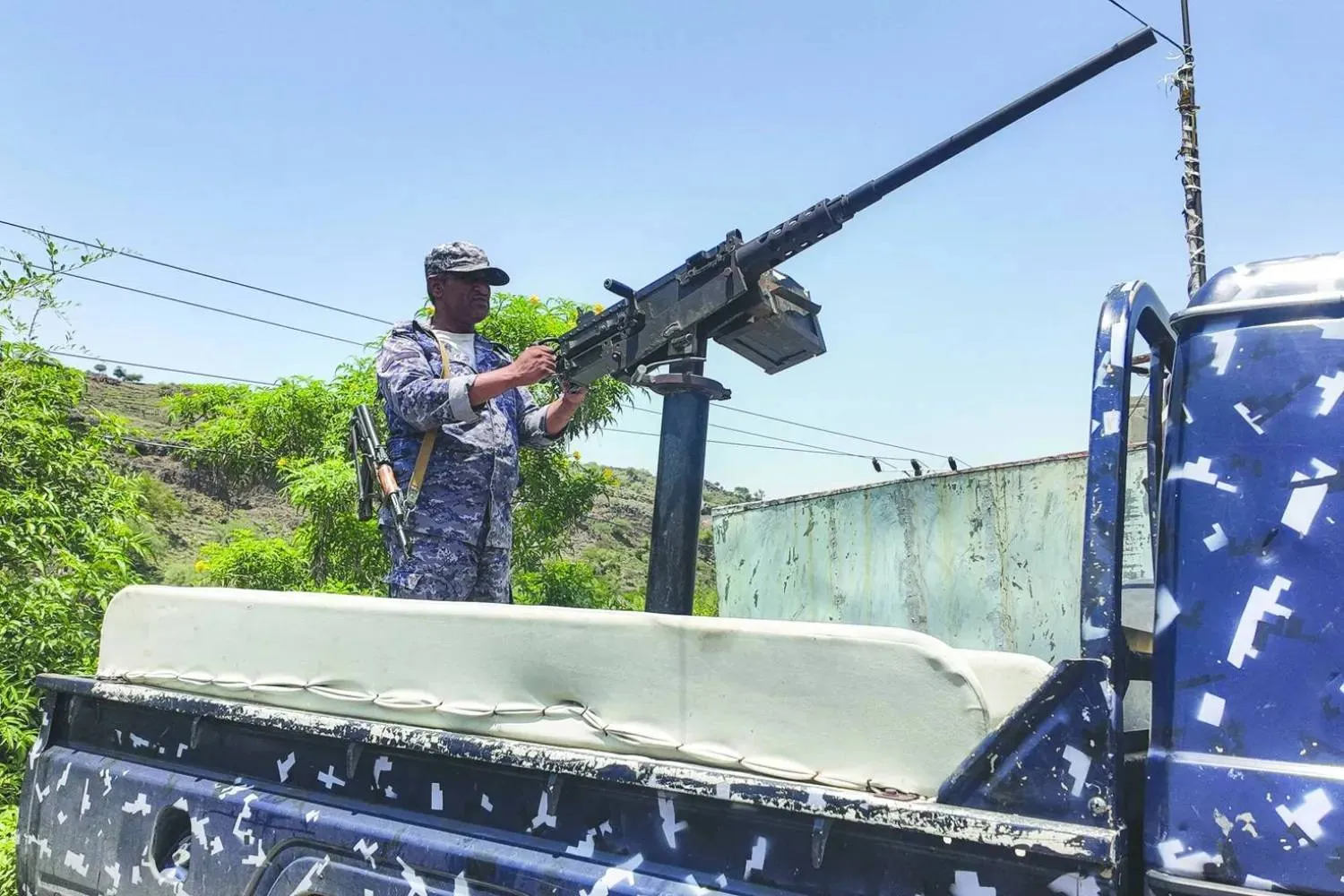
Southern Transitional Council (STC) forces in Yemen began on Thursday handing over military positions to the government’s National Shield forces in the Hadhramaut and al-Mahra provinces in eastern Yemen.

Local sources in Hadhramaut confirmed to Asharq Al-Awsat that the handover kicked off after meetings were held between the two sides.

Speaking on condition of anonymity, the sources said the National Shield commanders met with STC leaderships to discuss future arrangements. The sourced did not elaborate, but they confirmed that Emirati armored vehicles, which had entered Balhaf port in Shabwah were seen departing on a UAE vessel, in line with a Yemeni government request.

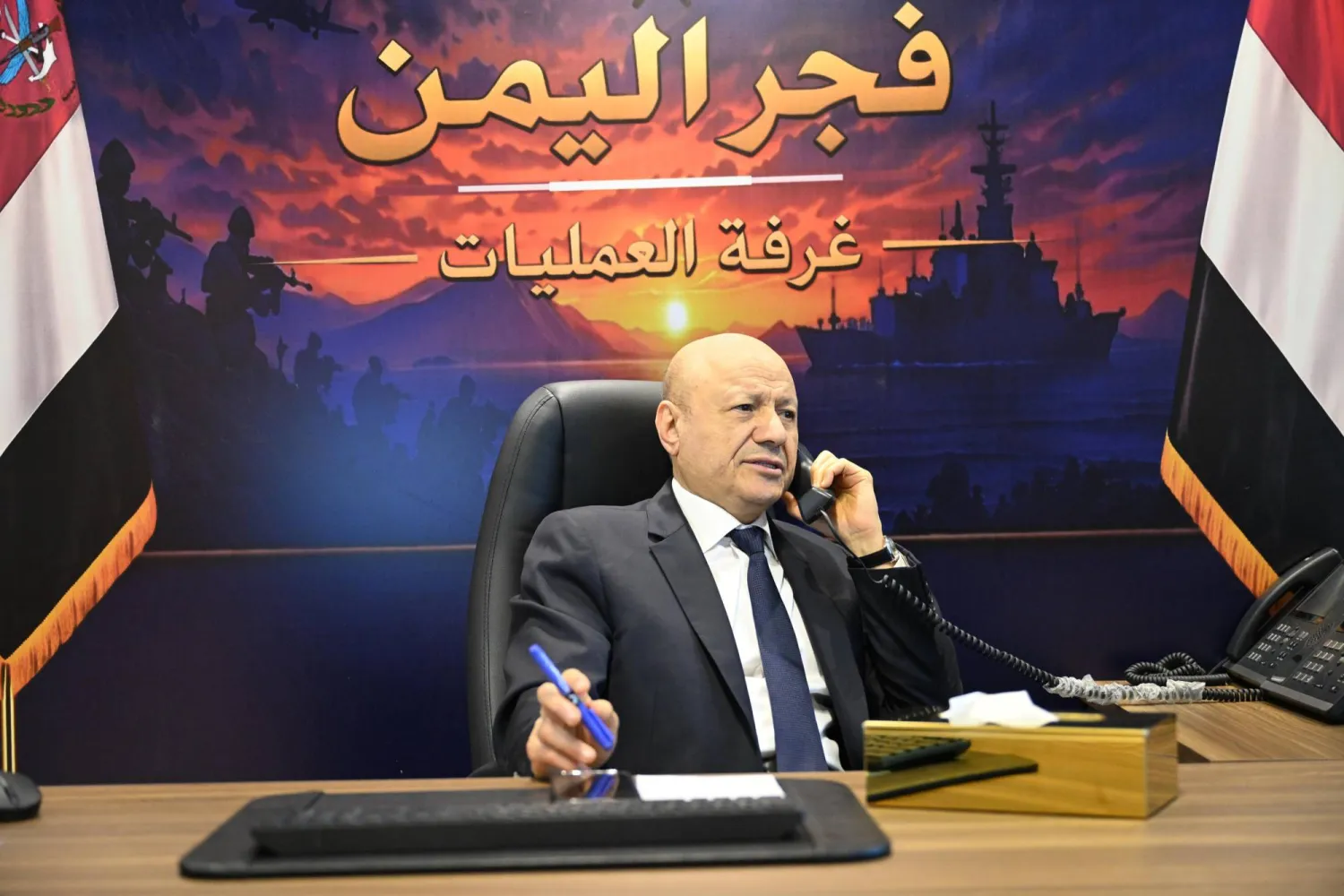
The National Shield is overseen by Presidential Leadership Council (PLC) Chairman Dr. Rashad al-Alimi.

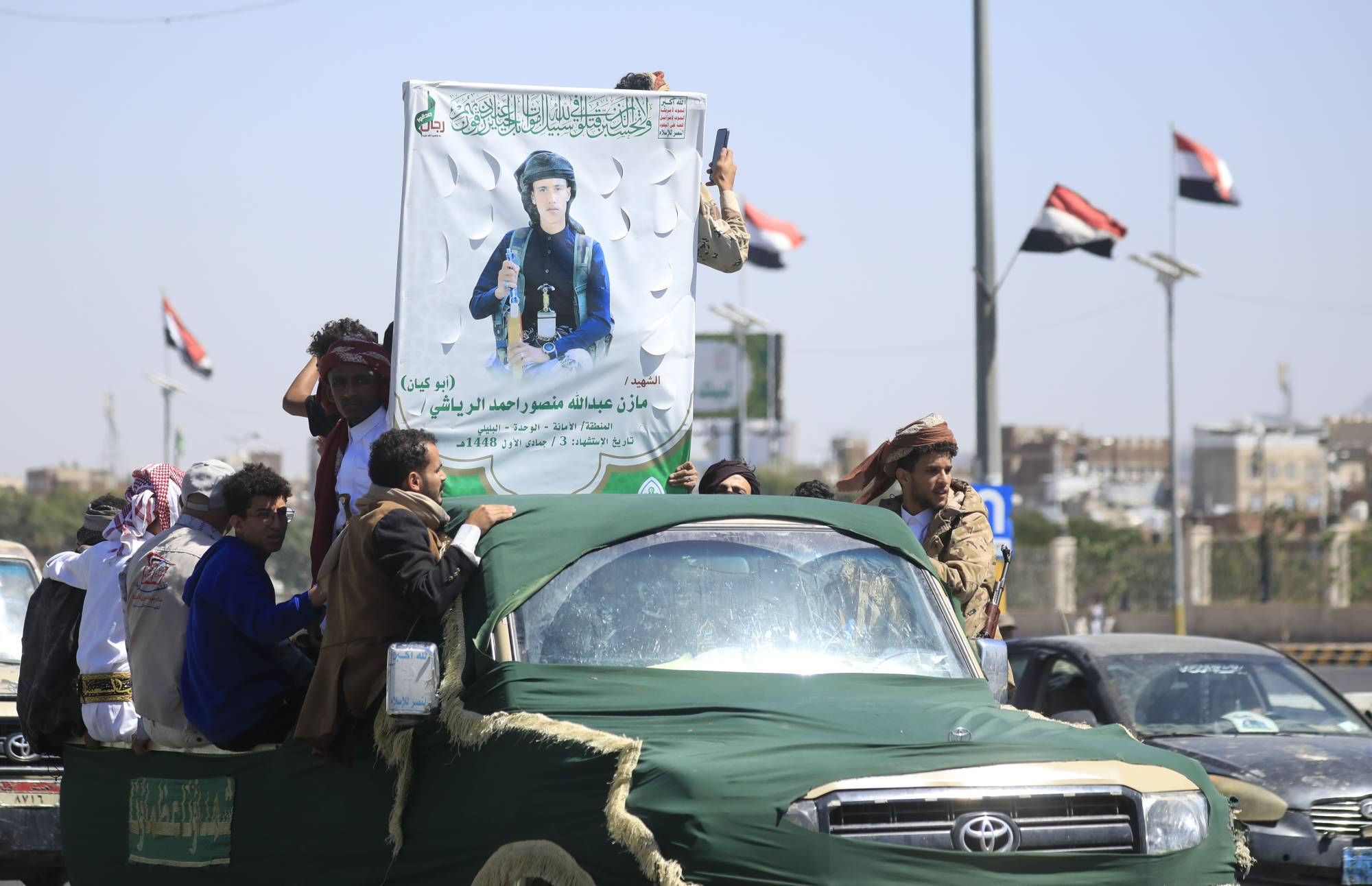
A Yemeni official described Thursday’s developments as “positive” step towards uniting ranks and legitimacy against a common enemy – the Houthi groups.

The official, also speaking on condition of anonymity, underscored to Asharq Al-Awsat the importance of “partnership between components of the legitimacy and of dialogue to resolve any future differences.”

Meanwhile, on the ground, Yemeni military sources revealed that some STC forces had refused to quit their positions, prompting the forces to dispatch an official to Hadhramaut’s Seiyun city to negotiate the situation.


One Dead as Israeli Forces Open Fire on West Bank Stone-Throwers

Israeli troops during a military operation in the Palestinian village of Qabatiya, near the West Bank city of Jenin, 27 December 2025. (EPA)
TT

One Dead as Israeli Forces Open Fire on West Bank Stone-Throwers

Israeli troops during a military operation in the Palestinian village of Qabatiya, near the West Bank city of Jenin, 27 December 2025. (EPA)

The Israeli military said its forces killed a Palestinian in the occupied West Bank in the early hours on Thursday as they opened fire on people who were throwing stones at soldiers.

Two other people were hit on a main ‌road near the ‌village of Luban ‌al-Sharqiya ⁠in Nablus, ‌the military statement added. It described the people as militants and said the stone-throwing was part of an ambush.

Palestinian authorities in the West Bank said ⁠a 26-year-old man they named as ‌Khattab Al Sarhan was ‍killed and ‍another person wounded.

Israeli forces had ‍closed the main entrance to the village of Luban al-Sharqiya, in Nablus, and blocked several secondary roads on Wednesday, the Palestinian Authority's official news agency WAFA reported.

More ⁠than a thousand Palestinians were killed in the West Bank between October 2023 and October 2025, mostly in operations by security forces and some by settler violence, the UN has said.

Over the same period, 57 Israelis were killed ‌in Palestinian attacks.
