


Apple Banks on Physical Stores as Economies Reopen

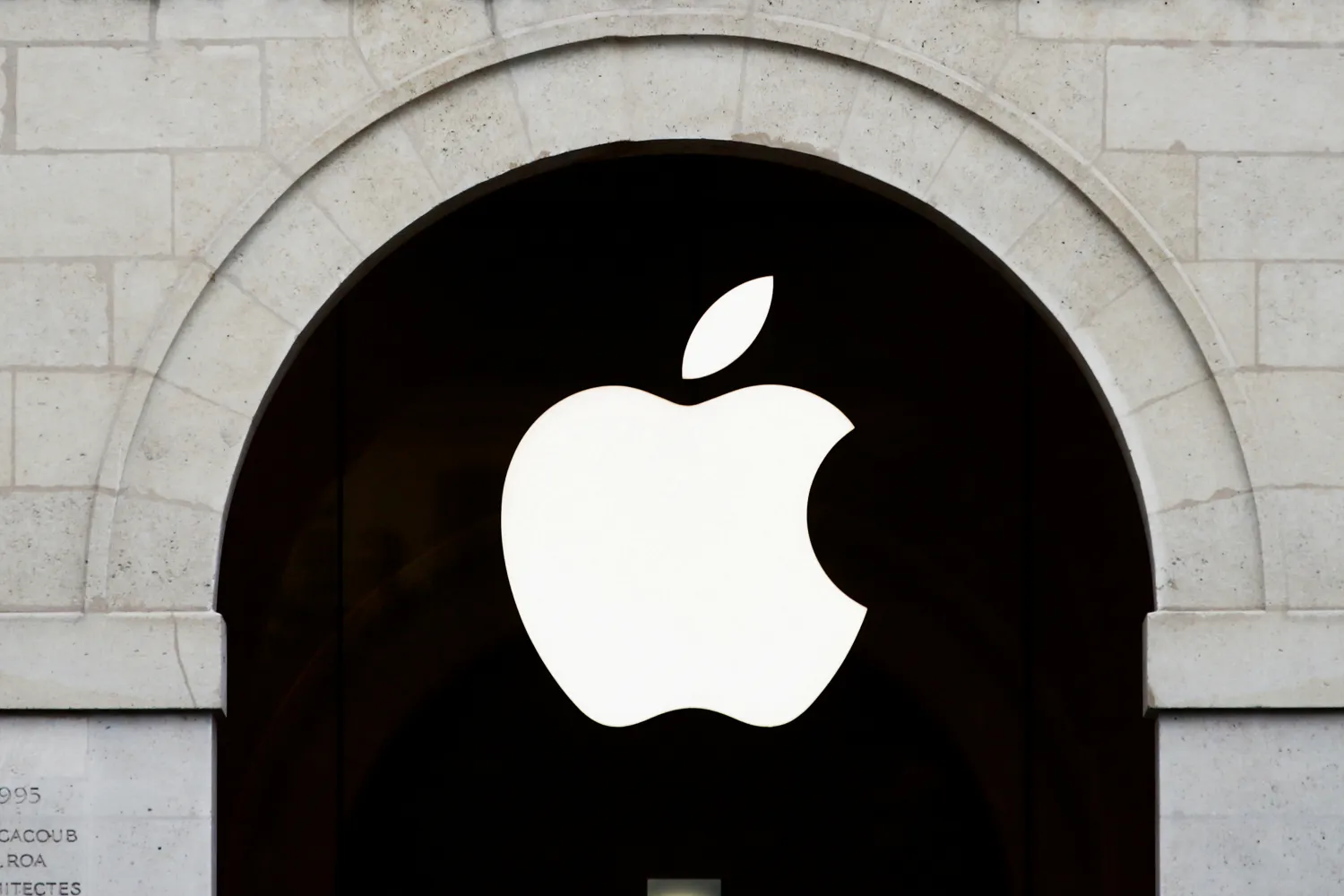
Apple logo is seen on the Apple store at The Marche Saint Germain in Paris, France July 15, 2020. REUTERS/Gonzalo Fuentes/File Photo
TT

Apple Banks on Physical Stores as Economies Reopen

Apple logo is seen on the Apple store at The Marche Saint Germain in Paris, France July 15, 2020. REUTERS/Gonzalo Fuentes/File Photo

Apple Inc is expanding retail operations as the United States emerges from the pandemic, betting that a combination of strategies developed before and during COVID-19 will make its stores more popular than ever, its retail chief told Reuters.

Apple is doing this as the retail industry works out what the post-pandemic future will look like, including consumers who have become used to ordering almost everything online.

For Apple, the answer is keeping what helped it through the pandemic, and doubling down on its pre-pandemic strategy of in-store events and experiences beyond shopping.

The express counters that popped up to help customers more efficiently pick up online orders, for example, will become regular features of Apple's 500-plus stores around the world, all of which have reopened as of June 14.

The iPhone maker is also adding a new "Creative Studios" program, starting in Los Angeles and Beijing, that aims to teach young people from underrepresented communities to use Apple products to create music, films and photography. That adds to a broader array of classes based out of the stores designed to bring in customers in contact with Apple more frequently.

"We're looking at this moment right now as a way to really begin again, and begin again in every way," Deirdre O'Brien,

Apple's senior vice president of retail and people, told Reuters as the company prepared on Thursday to open a new store at the renovated Tower Theater in downtown Los Angeles, Apple's second new US retail outlet since the beginning of the pandemic.

Apple boomed during the pandemic, hitting $2 trillion in market capitalization in August 2020 and setting records for sales of iPhones and several other categories.

One of the retail-related weak spots in its financial results, analysts said, was a slowdown in sales of AppleCare, a device insurance plan that is often an upsell during a store visit but easier for consumers to skip online. Apple also experienced supply chain missteps over the past year, delivering its iPhone 12 later than usual last year and saying in April that the global semiconductor shortage would cost it several billion dollars in sales.


China Approves First Two Level-3 Autonomous Driving Cars from State-owned Automakers

People pass by the entrance to Volkswagen (China) Technology Company, a 3 billion euros ($3.5 billion) R&D center in Hefei in eastern China's Anhui province, on Feb. 25, 2025. (AP Photo/Ken Moritsugu)
TT

China Approves First Two Level-3 Autonomous Driving Cars from State-owned Automakers

People pass by the entrance to Volkswagen (China) Technology Company, a 3 billion euros ($3.5 billion) R&D center in Hefei in eastern China's Anhui province, on Feb. 25, 2025. (AP Photo/Ken Moritsugu)

China's industry regulator on Monday approved two Chinese cars with level-3 autonomous driving capabilities, marking the first time such vehicles have been cleared by the national regulator as legitimate products ready for mass adoption.

The Ministry of Industry and Information Technology approved the two electric sedans from state-owned automakers Changan Auto and BAIC Motor in its latest automobile product entry category, said Reuters.

The two models are allowed to activate conditional autonomous driving in designated areas of Chongqing and Beijing with speed limits of 50km/h and 80km/h, respectively, the ministry said in a statement. The automakers will conduct trial operation with the cars on the specific roads via their ride-hailing units, it added.

The auto industry has defined five levels of autonomous driving, from cruise control at level one to fully self-driving cars at level five, and level three allows drivers to take their eyes and hands off the road in certain situations.

The move underscored China's ambition to lead the development and adoption of autonomous driving, a technology poised to disrupt the auto industry globally. Last year, China lined up nine automakers for public tests to advance the adoption of self-driving cars.

Chinese regulators earlier this year had sharpened scrutiny of the assisted driving technologies following an accident involving a Xiaomi SU7 sedan in March. That incident killed three occupants when their car crashed seconds after the driver took control from the assisted-driving system.

But government officials are pressing Chinese automakers to rapidly deploy even more advanced systems. In their level-3 push, Chinese regulators also are upping the regulatory ante by holding automakers and parts suppliers liable if their systems fail and cause an accident.

Autonomous driving developers such as Pony AI and WeRide have been testing their level-4 cars with licenses granted by local governments across China.

Tesla's Full Self-Driving, a level-2 driver assistance system, has been partially approved in China since February and falls short of its capabilities in the United States.


Elm Company Named Strategic Partner for International Data and AI Conference

Elm Company Named Strategic Partner for International Data and AI Conference
TT

Elm Company Named Strategic Partner for International Data and AI Conference

Elm Company Named Strategic Partner for International Data and AI Conference

The Saudi Data and Artificial Intelligence Authority (SDAIA) announced a strategic partnership with Elm Company for the International Conference on Data and AI Capacity Building (ICAN 2026), enhancing collaboration to empower the data and artificial intelligence ecosystem and promote innovation in education and human capacity development.

This partnership comes as part of preparations for ICAN 2026, organized by SDAIA from January 28 to 29 at King Saud University in Riyadh, with the participation of a select group of specialists and experts from around the world, SPA reported.

The step represents a qualitative addition that contributes to enriching the conference’s knowledge content and expanding partnerships with leading national entities.

Elm Company brings extensive experience in designing digital solutions and building technical capabilities, reinforcing its role as a strategic partner in supporting the conference. It contributes by developing training tracks and digital empowerment programs, participating in the technology exhibition, and presenting qualitative initiatives that help empower national competencies in the fields of data and artificial intelligence.


Foxconn to Invest $510 Million in Kaohsiung Headquarters in Taiwan

Construction is scheduled to start in 2027, with completion targeted for 2033. Reuters
TT

Foxconn to Invest $510 Million in Kaohsiung Headquarters in Taiwan

Construction is scheduled to start in 2027, with completion targeted for 2033. Reuters

Foxconn, the world’s largest contract electronics maker, said on Friday it will invest T$15.9 billion ($509.94 million) to build its Kaohsiung headquarters in southern Taiwan.

That would include a mixed-use commercial and office building and a residential tower, it said. Construction is scheduled to start in 2027, with completion targeted for 2033.

Foxconn said the headquarters will serve as an important hub linking its operations across southern Taiwan, and once completed will house its smart-city team, software R&D teams, battery-cell R&D teams, EV technology development center and AI application software teams.

The Kaohsiung city government said Foxconn’s investments in the city have totaled T$25 billion ($801.8 million) over the past three years.