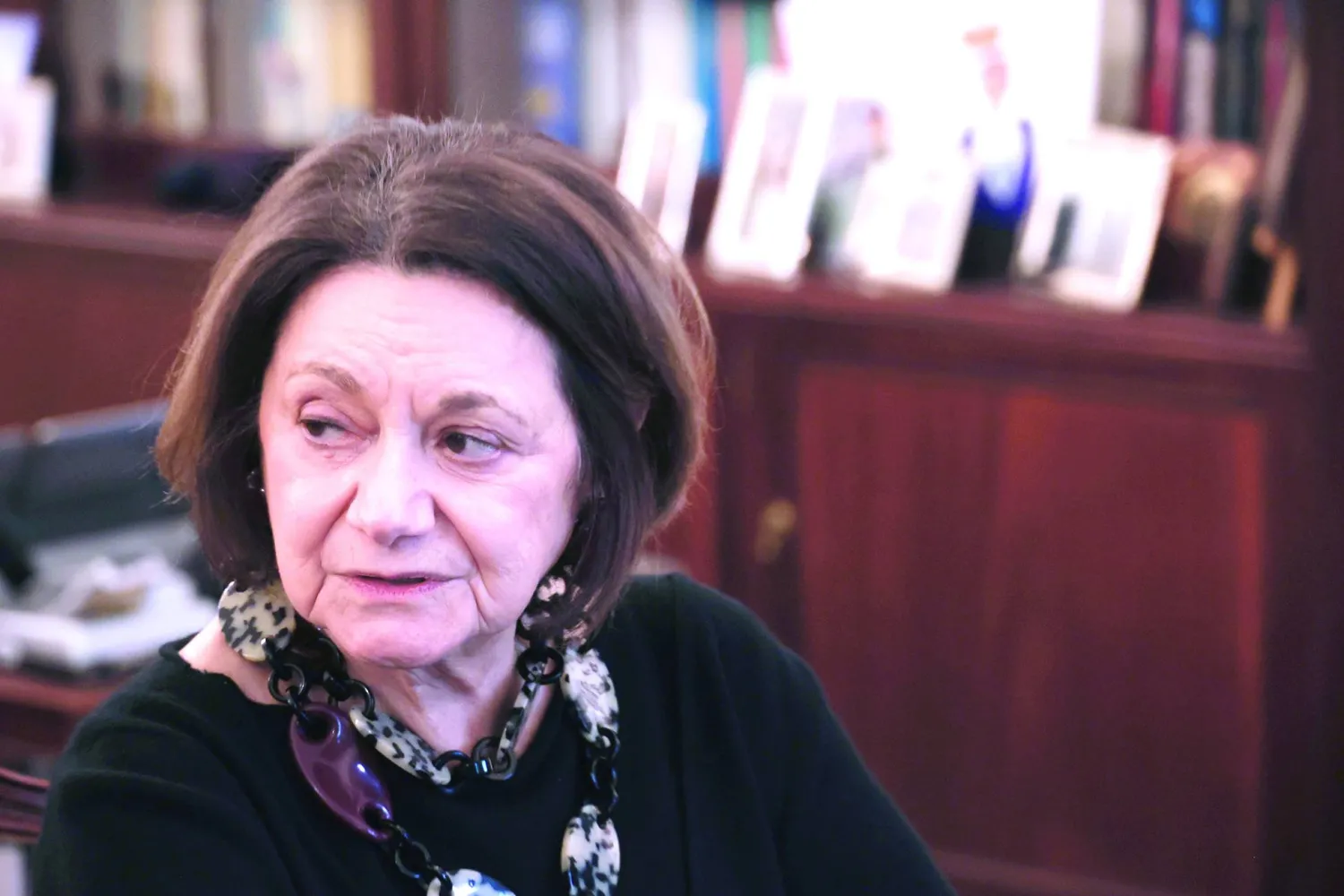
Rosemary DiCarlo, UN Under-Secretary-General for Political and Peacebuilding Affairs, said Friday that Sudan’s warring parties showed no serious commitment to a negotiated settlement despite neither side being capable of securing a military victory, raising fears of further escalation in the coming months.
Briefing the Security Council, the UN under-secretary-general for political and peacebuilding affairs painted a bleak picture of a conflict fueled by continued arms supplies, recruitment and foreign support.
Her assessment came a day after Sudanese army chief Gen. Abdel Fattah al-Burhan disclosed that he had sent a message to US President Donald Trump expressing Sudan’s commitment to Washington-backed peace efforts.
Washington has not publicly responded to Burhan’s remarks. The army chief met Trump’s senior adviser for Arab and African affairs, Massad Boulos, in Egypt earlier this month.
Civilian toll mounts
DiCarlo told the council that conditions in Sudan continued to deteriorate, with little prospect of a breakthrough and no significant improvement in recent months.
Fighting had been particularly fierce in North Kordofan, South Kordofan and Blue Nile states, but violence was spreading well beyond those front lines.
Drone strikes and air raids had killed civilians at a displacement camp in Blue Nile, an artisanal gold mine in Red Sea state and several locations in North Kordofan, including schools, a courthouse, university accommodation and a shelter for displaced families.
She condemned a drone strike on two clearly marked World Food Program (WFP) trucks carrying food aid through an area subjected to repeated attacks by the Rapid Support Forces (RSF) and the Sudan People’s Liberation Movement-North (SPLM-N).
One driver was killed in the attack.
DiCarlo identified drone strikes as the leading cause of civilian casualties this year, calling for an immediate halt to such attacks and tighter restrictions on drone use.
She expressed concern that weapons continued to flow into Sudan while both sides recruited fighters, increasing the likelihood of further escalation.
Rather than seeking dialogue, military leaders appeared convinced they could make greater gains on the battlefield and achieve their objectives through force, provided foreign backing continued.
She urged the warring parties to abandon that calculation and called on outside powers to use their influence to end the conflict rather than fuel it.
DiCarlo also drew attention to growing insecurity along Sudan’s borders, particularly given the fragility of several neighboring countries.
Preventing the war from developing into a broader regional crisis must remain a collective priority, she stressed.
Diplomatic efforts continue
Despite the deadlock, DiCarlo reported continued UN coordination with the Quad, which is seeking to secure a humanitarian truce.
The United Nations stood ready to help implement any agreement, she stressed, emphasizing that further delays were unacceptable.
She also pointed to modest progress through the efforts of the UN secretary-general’s personal envoy for Sudan, Pekka Haavisto.
Both warring parties had established committees to consider the unilateral release of detainees and had negotiated prisoner exchanges.
Haavisto was also working with UNICEF to ensure that Sudanese students could take a unified, nationally recognized 12th-grade examination, while talks continued with Chad over arrangements for Sudanese refugee students.
Partners from the Quintet visited Khartoum in early September to consult Sudanese stakeholders, who consistently called for an end to the war and the restoration of civilian rule.
DiCarlo welcomed growing international engagement, citing the first joint meeting between the Quintet and the Quad during the UN General Assembly’s high-level week in September.
A Sudan Consultative Group meeting scheduled for Geneva next week would bring together both diplomatic groupings and other mediators.
Referring to the anniversary of the fall of El Fasher, DiCarlo called for much greater pressure on the warring parties and their supporters to end the fighting.
She emphasized that accountability was essential after the immense suffering endured by Sudanese civilians, who deserved peace and a genuine prospect of a better future.
US urges humanitarian truce
US Deputy Representative Jeff Bartos called for a humanitarian truce and an end to weapons flows into Sudan, pledging continued efforts to expand sanctions.
He described the Quintet’s work as the most credible path toward a peaceful political transition under civilian leadership.