


IMF Stops Funds to Afghanistan, Reserves Blocked from Taliban

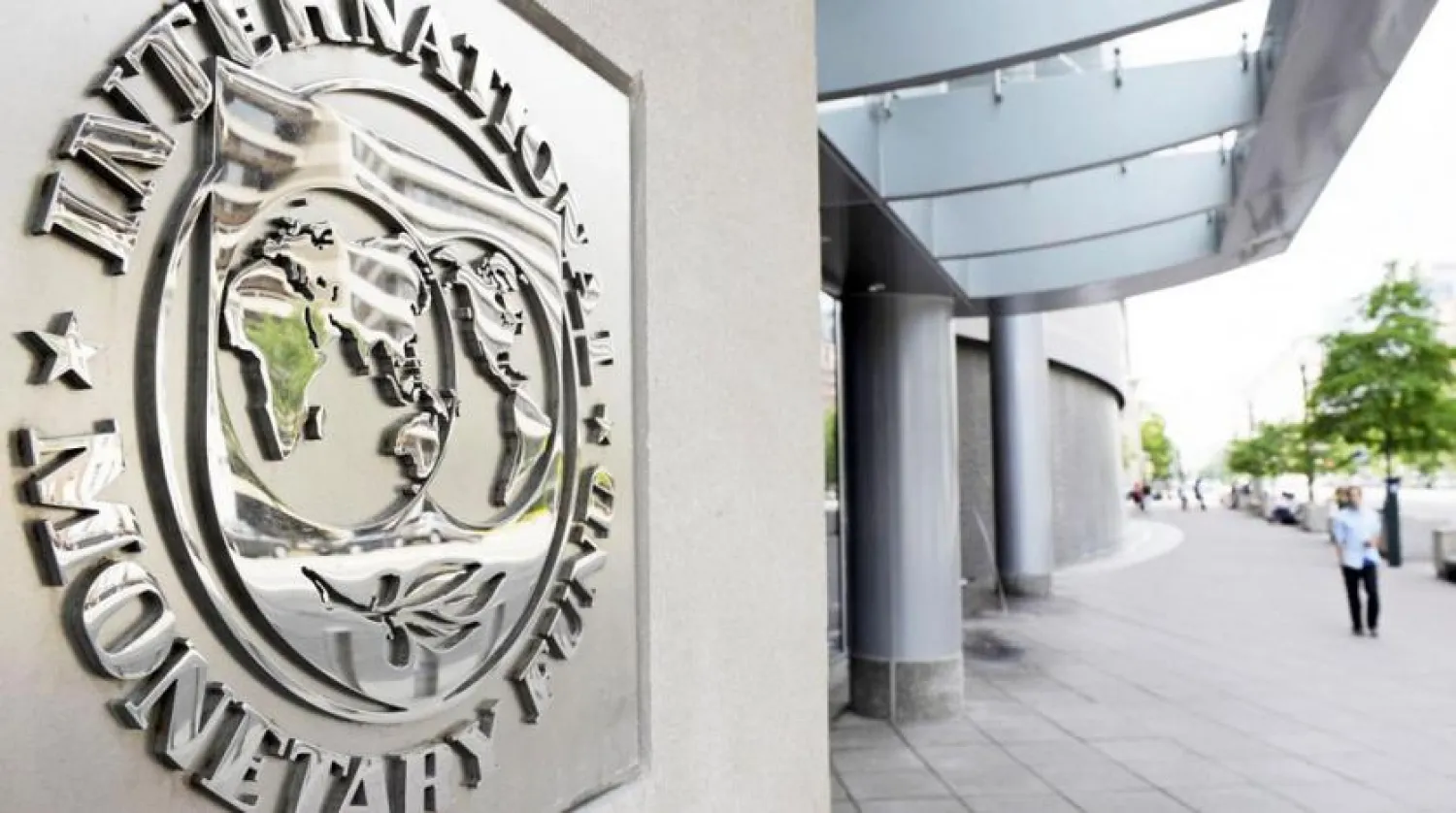
Pedestrians walk past the International Monetary Fund headquarters’ complex in Washington. (AP)
TT

IMF Stops Funds to Afghanistan, Reserves Blocked from Taliban

Pedestrians walk past the International Monetary Fund headquarters’ complex in Washington. (AP)

Despite its swift takeover of the government in Afghanistan, the Taliban will not have access to most of the nation's cash and gold stocks, while the IMF announced it won't provide aid.

A spokesperson for the Washington-based crisis lender on Wednesday said it had decided to withhold its assistance to Afghanistan amid uncertainty over the status of the leadership in Kabul, reported Agence France-Presse.

"There is currently a lack of clarity within the international community regarding recognition of a government in Afghanistan, as a consequence of which the country cannot access... IMF resources," the official said.

Central bank governor Ajmal Ahmady said on Twitter the Da Afghanistan Bank (DAB) had around $9 billion in reserves, but most of that is held overseas, out of reach of the Taliban.

"As per international standards, most assets are held in safe, liquid assets such as Treasuries and gold," said Ahmady, who fled the country on Sunday, fearing for his safety as the Taliban swept into the capital.

The US Federal Reserve holds $7 billion of the country's reserves, including $1.2 billion in gold, while the rest is held in foreign accounts including at the Basel-based Bank for International Settlements, Ahmady said.

A US administration official told AFP on Monday that "any central bank assets the Afghan government have in the United States will not be made available to the Taliban."

Amid reports the Taliban were quizzing central bank staff on the location of the assets, Ahmady said, "If this is true -- it is clear they urgently need to add an economist on their team."

He repeated that Washington on Friday had cut off cash shipments to the country as the security situation deteriorated, which may have fueled reports the Taliban stole the reserves since the country's banks could not return dollars to account holders.

"Please note that in no way were Afghanistan's international reserves ever compromised," and are held in accounts that are "easily audited," Ahmady said.

- No SDRs for Kabul -
The IMF's aid would include an existing $370 million loan program, as well as access to reserves in the form of Special Drawing Rights (SDR), the lender's basket of currencies.

"As is always the case, the IMF is guided by the views of the international community," the fund official said.

The International Monetary Fund has taken similar action against other regimes not recognized by a critical mass of member governments, as in the case of Venezuela.

The IMF is set to distribute 650 billion in SDRs on August 23 to all eligible members, of which Afghanistan's share was valued at about $340 million, Ahmady said.

The IMF in June released the latest installment of the $370 million loan to Afghanistan approved in November and aimed at helping support the economy amid the Covid-19 pandemic.

The World Bank has more than two dozen development projects ongoing in the country and has provided $5.3 billion since 2002, mostly in grants.

The status of those programs is unclear as the development lender works to pull staff out of the country.

An internal memo to World Bank personnel obtained by AFP said "senior management is working around the clock to arrange an urgent evacuation of our staff and their family members."

Meanwhile, Western Union announced Wednesday it was temporarily cutting off wire transfers to the country -- another vital source of cash for the people.

Gold Slips Over 2% as Dollar Holds Firm on Fed Rate-hike Expectations

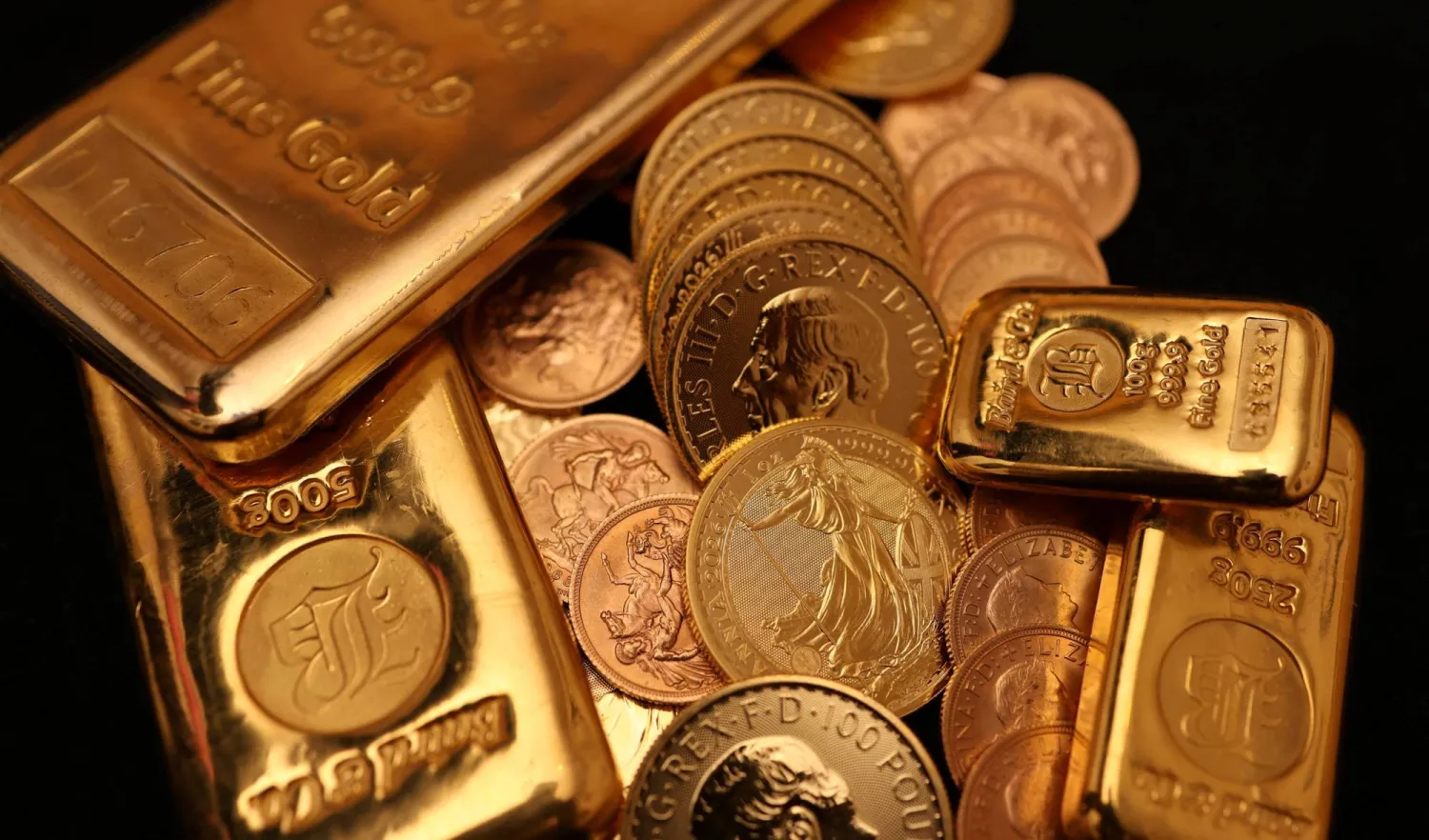
British gold bars and sovereign coins on display in a London shop. (Reuters)
TT

Gold Slips Over 2% as Dollar Holds Firm on Fed Rate-hike Expectations

British gold bars and sovereign coins on display in a London shop. (Reuters)

Gold prices fell more than 2% on Tuesday, pressured by a firmer US dollar on expectations of Federal Reserve interest rate hikes this year, while investors assessed US-Iran peace talks.

Stocks across the globe declined amid concerns over AI-related share valuations and as higher interest rates loomed. Crude fell 1% while the dollar held near a one-year high, making gold less affordable for buyers holding other currencies.

Spot gold was down 2.2% at $4,099.84 ⁠per ounce, as ⁠of 0753 GMT. US gold futures for August delivery fell 2% to $4,117.70, Reuters reported.

Spot silver slumped 5% to $61.90 per ounce, platinum lost 3% to $1,628.55, and palladium was down 2.9% at $1,229.28.

"Gold had received some relief from lower oil prices this week, but it is getting no such favors from the US dollar, which continues to push higher ⁠on expectations of Fed rate hikes," said Tim Waterer, chief market analyst at KCM Trade.

Traders now see an 88% chance of a rate hike in December, up from 61% before the Fed meeting last week, according to the CME FedWatch Tool, as investors price in hawkish monetary policy under new Chair Kevin Warsh.

Chicago Fed President Austan Goolsbee said that with the labor market stable, he is focused on figuring out whether too-high inflation will stay that way or recede, as the effects of high tariffs ⁠fade, and ⁠if the conflict in the Middle East gets resolved.

The US has waived sanctions on Iran for 60 days after the first talks under a nascent peace deal, while officials reported a sustained lull in fighting in Lebanon under the agreement aimed at ending hostilities across the region.

US Vice President JD Vance said talks with Iranian officials in Switzerland had laid a good foundation for a final peace deal, although Iran denied that it had begun discussions of its nuclear program.

Investors await US Personal Consumption Expenditures data, the Fed's preferred inflation gauge, due on Thursday, for further cues on monetary policy.


EU Bets on Digital Euro to Cut US Tech Addiction

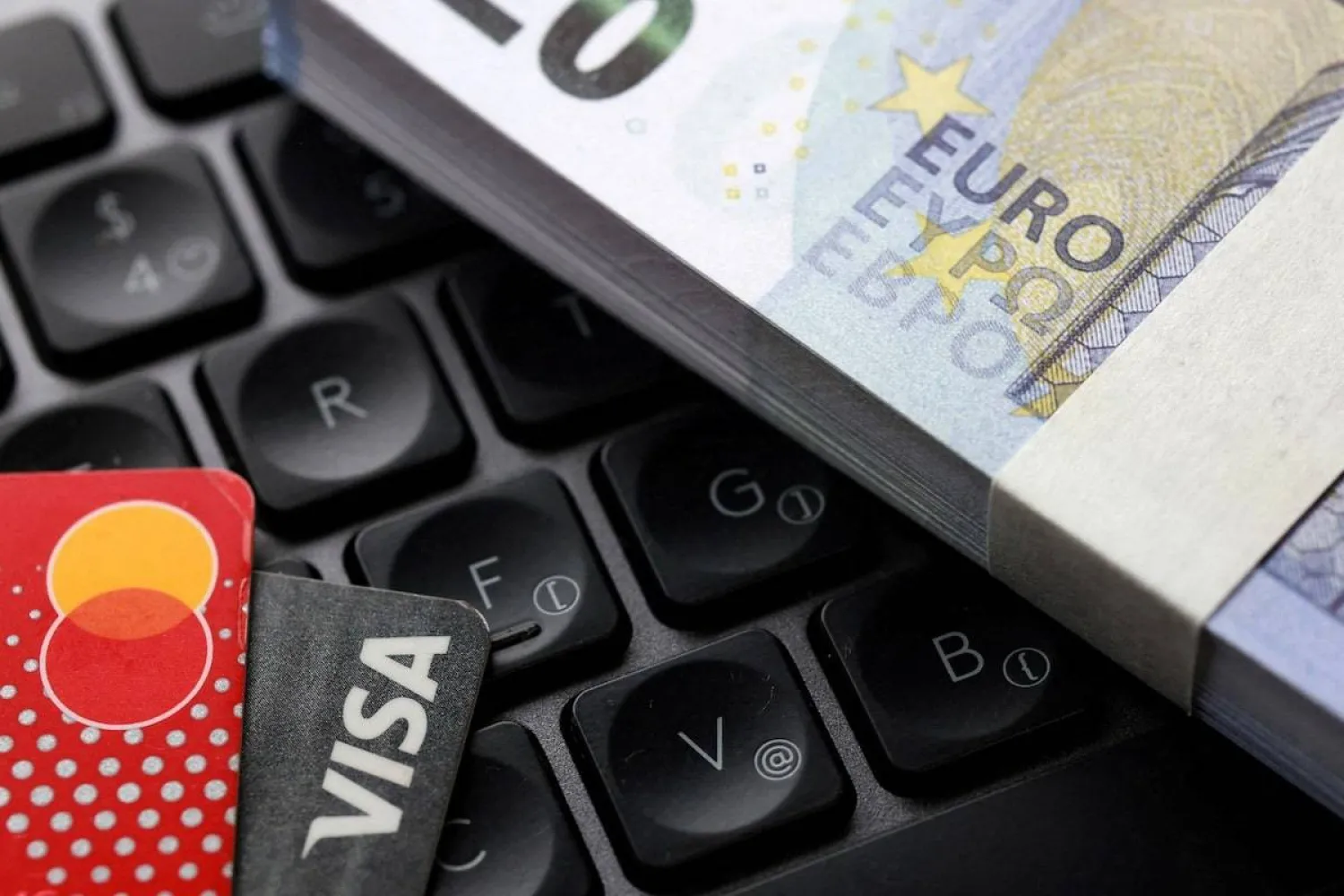
Euro banknotes, Visa and Mastercard cards are placed on a keyboard in this illustration taken September 24, 2025. (Reuters)
TT

EU Bets on Digital Euro to Cut US Tech Addiction

Euro banknotes, Visa and Mastercard cards are placed on a keyboard in this illustration taken September 24, 2025. (Reuters)

The EU believes a digital euro is the answer to cutting its addiction to US payment systems, like Visa and Mastercard, as well as Apple Pay and Google Pay, as the bloc seeks to favor European firms over others.

Brussels hopes it could provide an alternative local option for any payments in shops or online since people could easily pay, just like other systems, using a card, an app or via their banking app.

The European Union will move one step closer on Tuesday to creating a digital euro when EU lawmakers hold a long-awaited vote on the virtual currency.

The European Central Bank first suggested the digital euro in 2020 because Europe lacked its own system before the EU executive made its formal proposal.

The digital euro cannot be created without the rules underpinning the project being approved by the EU capitals and the European Parliament.

What is the digital euro?

Don't confuse it with your cash in the bank. When you use your bank card, Apple or Google Pay, you pay with physical money that exists in your account.

Instead, your digital euros would be in a separate virtual wallet.

The ECB hopes the digital euro will be available to citizens in 2029 if the EU negotiators greenlight the rules by the end of the year.

If that timeline sticks, the ECB is ready to launch a pilot program in mid-2027 to test how it would work in practice.

Some say that is too long, but "banks and merchants need time to prepare so they can roll it out smoothly and at scale", Alessandro Giovannini, advisor to the digital euro director at the ECB told AFP.

How will it work?

Digital euros will have the same value as cash and banknotes.

Any user would need to create an account with a bank or a public institution, like a post office, and transfer money into it from another account or via a cash deposit.

Users can then pay with digital euros in shops, online and between individuals using different methods, including card, app or phone.

Officials stress the system would protect people's privacy, with no possibility to identify who made transactions, and an offline mode that would be as confidential as using cash.

"It wouldn't replace anything. Cash would still be available, and people could use existing private payment methods," the ECB's Giovannini said.

The digital euro would give more choice and let consumers "preserve their freedom to choose how to pay as daily life becomes more digital", he added.

Why does the EU want a digital euro?

Payment systems are "not neutral" but "instruments of power", centrist EU lawmaker Gilles Boyer said in a statement.

"We, Europeans, have had many wake-up calls about our dependence on the US. We're fully awake now, but we're not always acting," he said, adding Tuesday's vote would make "a sovereign, pan-European payment solution a reality".

EU officials often point to Washington's 2025 sanctions against International Criminal Court judges to illustrate the grip of US firms. French judge Nicolas Guillou has described how he lost access to his Visa card.

The digital euro is "a chance to end a dependence we have lived with for too long".

According to the ECB, nearly two-thirds of card payments in the euro area are handled by non-European companies -- mostly Visa and Mastercard.

And 13 out of 21 eurozone countries have no national card scheme for day-to-day payments in shops or online stores.

Who doesn't want it?

Banks. The main reason for their reticence is the cost.

Adapting the banking system to the digital euro will cost 18 billion euros ($20 billion), a report in April by the European Banking Federation said.

But the ECB insists it will cost the banking sector between four and 5.8 billion euros in investment costs.

Banks also fear the effects on their financial stability because if customers convert their money into digital euros, bank deposits would plummet.

The ECB says there is no risk.

"Thanks to its design that prevents large deposit outflows, the digital euro wouldn't cause these risks -- even in extreme and unlikely crisis situations," Giovannini said.

European banks also fear reduced demand for their online services and worry the digital euro is a rival to the pan-European payment system Wero.


Oil Falls 1% as Investors Focus on Hormuz Flows after Peace Talks

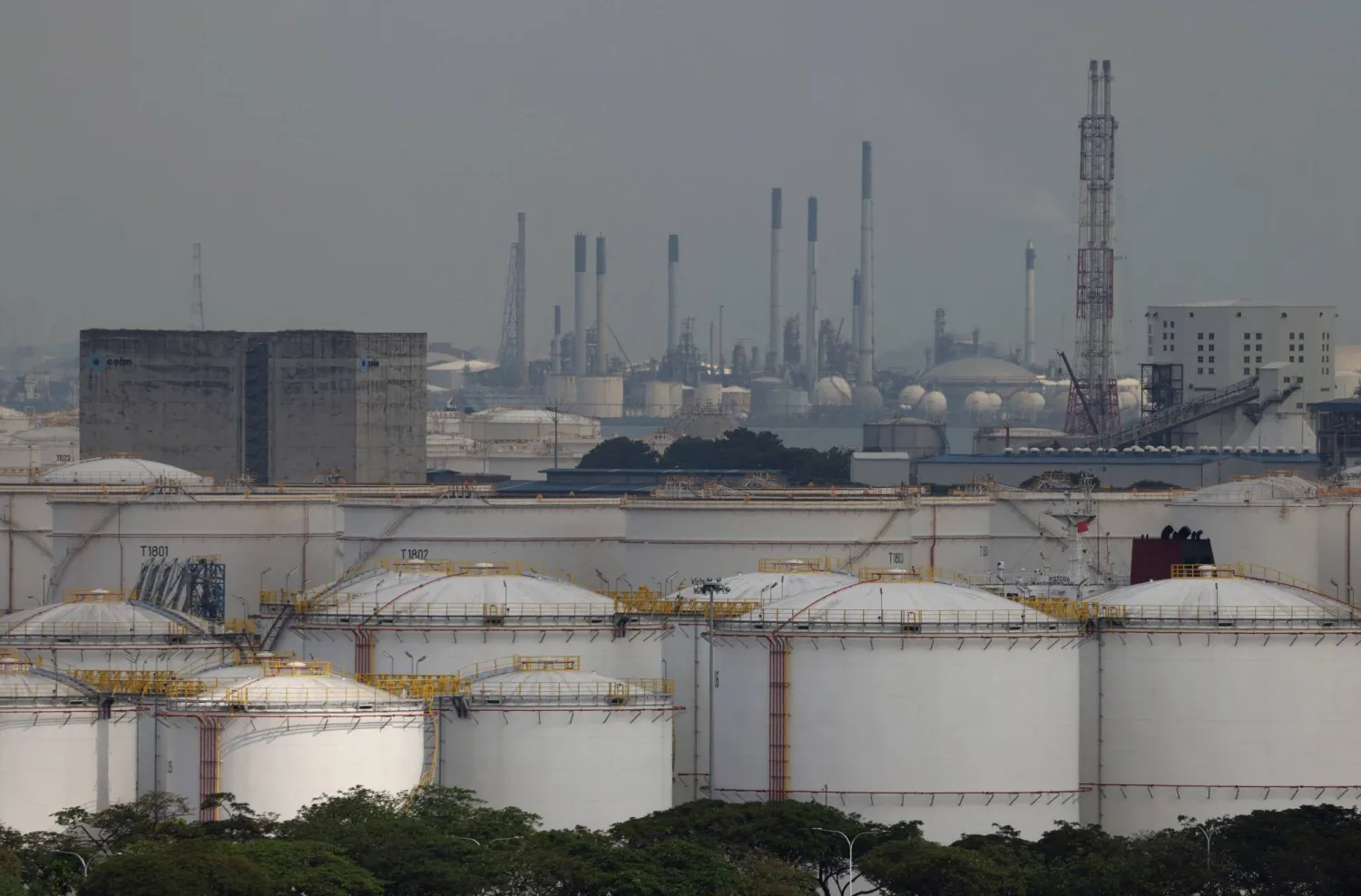
FILE PHOTO: Storage tanks and oil refineries in Jurong Island, Singapore, March 24, 2026. REUTERS/Edgar Su/File Photo
TT

Oil Falls 1% as Investors Focus on Hormuz Flows after Peace Talks

FILE PHOTO: Storage tanks and oil refineries in Jurong Island, Singapore, March 24, 2026. REUTERS/Edgar Su/File Photo

Oil prices fell more than 1% on Tuesday, extending losses from the previous session, on signs of some progress in restoring crude flows through the Strait of Hormuz following US-Iran peace talks.

Brent crude futures fell $1.09, or 1.4%, to $76.81 a barrel and US West Texas Intermediate declined to $72.99 a barrel, down 87 cents, or 1.2%, as of 0607 GMT.

Prices fell more than 3% on Monday after the United States granted Iran a 60-day sanctions waiver following initial peace talks, and as officials reported a ‌lull in hostilities ‌in Lebanon under the broader agreement, Reuters said.

"The gradual increase ‌in ⁠oil flows through ⁠the Strait of Hormuz continues to weigh on the market," said ING analysts in a note.

Two crude tankers with just under 2 million barrels of oil sailed through the Strait of Hormuz on Monday, ship-tracking data showed, in a sign that traffic was picking up following weaker flows on Sunday due to concerns over passage through ⁠the waterway.

"Transits over recent days look to have ‌risen sharply, (which) the market will ‌treat as a proxy for both physical oil, perhaps paper oil, and diplomatic ‌progress," said Sparta Commodities' head of research Neil Crosby in ‌a note. "It feels like we will be stuck in this bearish risk-off/optimistic mood until such time as something changes."

The price declines come after a weekend that had appeared to put the week-old accord in jeopardy, including ‌threats from US President Donald Trump to restart the war if Iran disrupted shipping through the Strait ⁠of Hormuz ⁠after Tehran declared the strategic waterway closed.

"There remains a prevailing dose of market skepticism, rooted in deep-seated mistrust between Washington and Tehran, suggesting that any return to pre-war oil prices is likely to be delayed rather than immediate," said Tim Waterer, chief market analyst at KCM Trade.

Separately, analysts in a Reuters poll expect US crude inventories to have fallen last week, along with distillate and gasoline inventories.

On Monday, government data showed US crude stocks in the Strategic Petroleum Reserve fell to 331.2 million barrels last week, the lowest since June 1983, as supplies tightened in the wake of the US-Iran conflict.