


Egypt Eyes Quadrupling Desalination Capacity in 5 Years

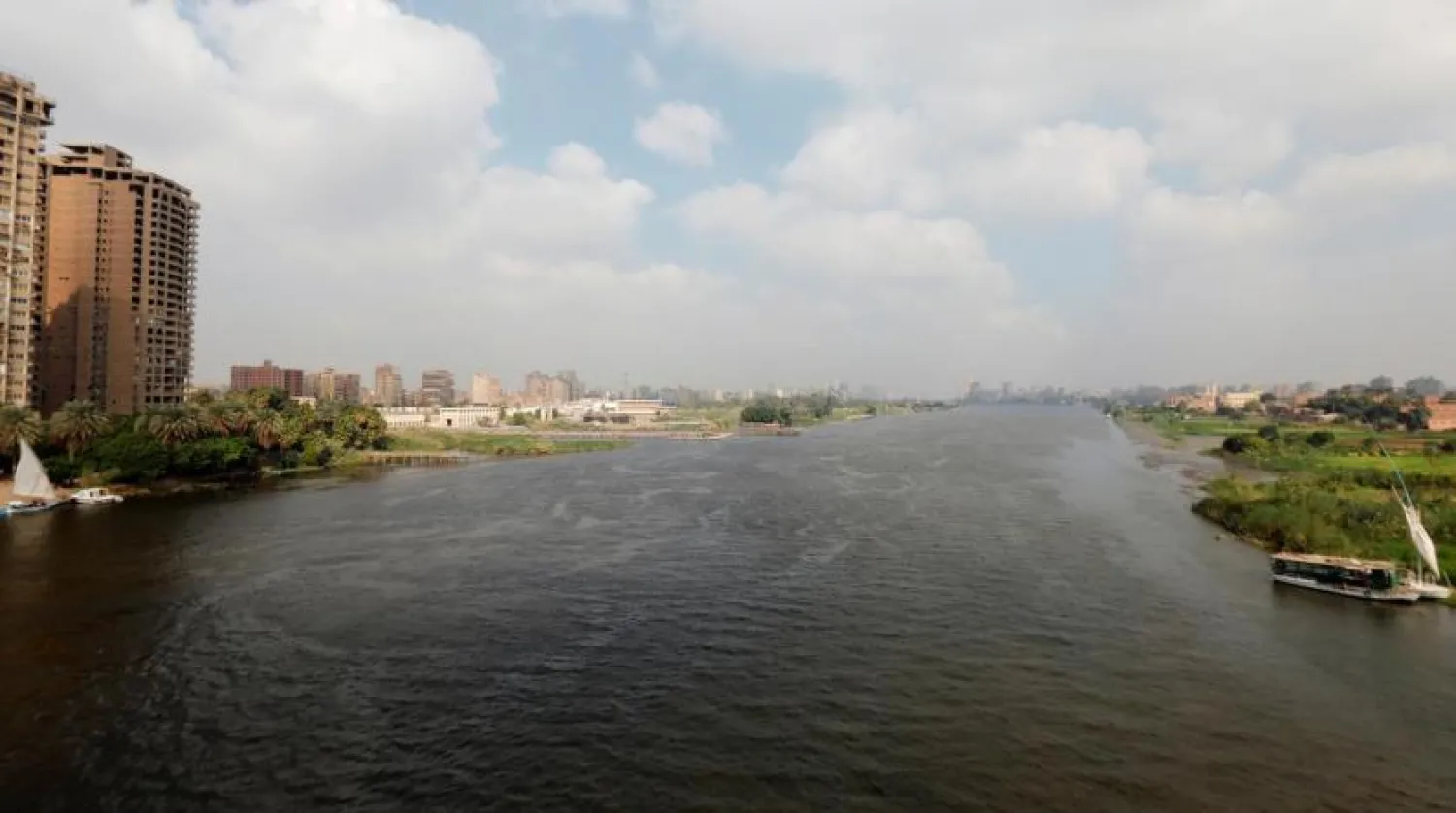
A general view shows the River Nile with houses and farmland in Cairo, Egypt November 6, 2019. (Reuters)
TT

Egypt Eyes Quadrupling Desalination Capacity in 5 Years

A general view shows the River Nile with houses and farmland in Cairo, Egypt November 6, 2019. (Reuters)

Egypt aims to more than quadruple desalination capacity by granting private companies concessions from its sovereign wealth fund to build 17 plants over the next five years with sustainable solar energy.

The plan fits into Egypt's push to diversify its sources of fresh water for a fast-growing population as it faces competition for Nile river water from the giant hydropower dam that Ethiopia is building upstream.

The new concessions are designed to encourage private investment and technological development.

Investment in new desalination plants would be kick-started with the government guaranteeing to buy the water and re-sell it to domestic and industrial consumers at a steep discount that would entail a large subsidy, according to fund chief executive Ayman Soliman.

The new plants would produce a combined 2.8 million cubic meters a day, an amount that would be doubled longer term. Egypt now has installed desalination capacity of around 800,000 cubic meters a day and the government is targeting 6.4 million cubic meters by 2050, according to figures from the fund.

"We've already solicited offers. What's happening is a combination between a competitive process and a limited negotiation process," Soliman told Reuters.

Egypt;s military has already built 27 desalination plants and private firms have installed some in resorts along Egypt's arid sea coasts.

Under the 25-year concessions, firms would bring in their own construction contractors and use high-yield renewables for energy. So far investor response has been strong, Soliman said.

"We've received offers to build whatever capacity we need. There is investor appetite to build three times as much."

The wealth fund hopes to reduce an estimated capital cost of around $1,000 per cubic meter of desalted water by 20-25% by employing renewable energy, economies of scale in plant construction, and creative financing, including green finance.

Private resorts along Egypt's Red Sea and Mediterranean coasts, even golf courses, have been using expensive fossil fuel energy for desalination.

"If you live in a compound, you're talking about 13 to 18 (Egyptian) pounds ($0.83-$1.15) per cubic meter, while the government tariffs are a tenth of that. There is a massive subsidy that is being built in," Soliman said.

The subsidy would be built in as the difference between the cost the government will pay the concession owners for the water and the amount the end-consumer pays.

"Nile water is very cheap, but you want to diversify your reliance on sources of water," he said.

Local solar energy producer and utility company KarmSolar was one of the first to say publicly it plans to bid for a portion of the project. It says it can cut costs by vertically integrating electricity, water and other utilities using renewables rather than acting as a single-service seller.

With solar plants scattered around sun-drenched Egypt, KarmSolar has begun building a 200-cubic-meter-per-day pilot desalination plant at Marsa Shagra on the southern Red Sea coast, where for five years it has used solar and diesel sources to supply electricity to local resorts.

"The machines for digging the wells are there, and we've put the orders for the procurement," said Ibrahim Metawe, manager of the new plant, which is to begin pumping to clients by the first quarter of 2022.

The water intake wells lie a short distance inland from the sea to reduce the impact on the delicate marine environment. KarmSolar will then install turnkey, reverse osmosis plants powered both by solar and electricity from the government grid.

Among options being explored are filling lorries with excess water produced when solar production is at its daytime peak to supply local construction sites, bottling it for sale or simply saving it for use at non-peak times such as night-time hours.

Solar will also be used for experiments with hydroponics to grow cucumbers, tomatoes and other produce that holiday resorts now transport in from the Nile valley at significant expense and loss of freshness.

"Marsa Shagra already has little greenhouses," Metawe said.


Saudia Signs Strategic Partnership Agreement with Six Flags and Aquarabia Qiddiya City

udia will develop special travel packages designed to enable visitors to experience world-class attractions - SPA
TT

Saudia Signs Strategic Partnership Agreement with Six Flags and Aquarabia Qiddiya City

udia will develop special travel packages designed to enable visitors to experience world-class attractions - SPA

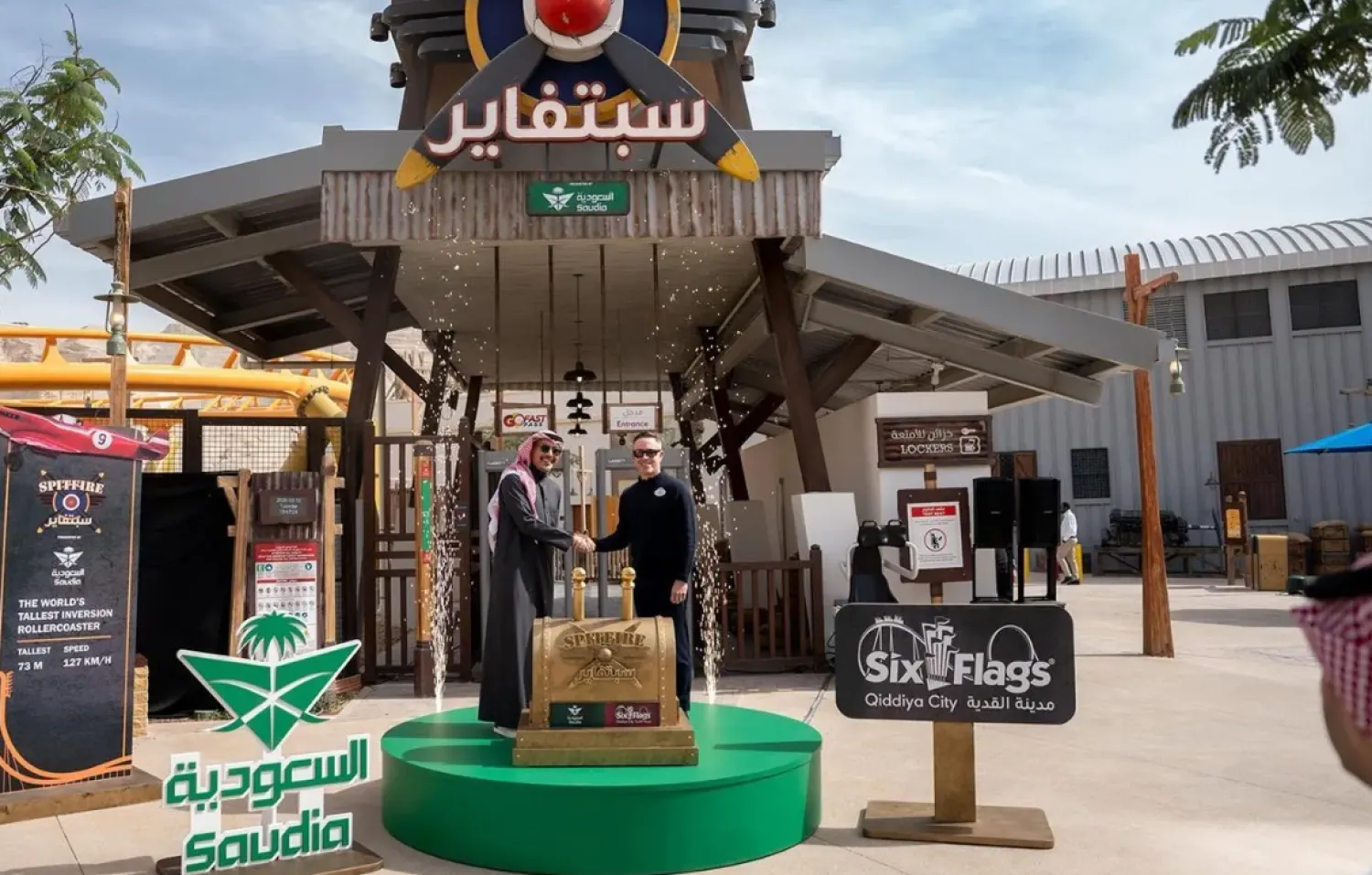
Saudia Airlines has signed a five-year strategic partnership with Six Flags and Aquarabia Qiddiya City, becoming the official premier partner exclusively in the airline category.

As part of the partnership, Saudia will develop special travel packages designed to enable visitors to experience world-class attractions. The collaboration also brings the spirit of Six Flags and Aquarabia Qiddiya City to the skies through special aircraft branding across Saudia’s fleet, SPA reported. 

Chief Marketing Officer of Saudia Group Khaled Tash said in a press release: "Saudia is committed to supporting national development projects as part of its contribution to Vision 2030, aligned with our strategy to bring the world to the Kingdom. Partnerships of this scale with national partners play a key role in positioning Saudi Arabia as a leading global destination for entertainment and tourism."

Park President of Six Flags and Aquarabia Qiddiya City Brian Machamer added: "Our partnership with Saudia not only reflects a shared ambition to connect the Kingdom to the world through world-class entertainment experiences, but strengthens our ability to attract visitors from around the world and realize our vision of setting a new global benchmark for immersive, world-class theme park entertainment and reinforcing Saudi Arabia’s growing presence on the global tourism stage."

Six Flags Qiddiya City sets a new benchmark for exceptional entertainment regionally and globally. Spanning six iconic themed lands, the theme park takes visitors on an immersive journey across 28 rides and attractions designed to world-class standards. Beyond the scale and diversity of its offerings, Six Flags Qiddiya City stands out for pushing the boundaries of engineering and entertainment, featuring five exclusive, record-breaking rides that have redefined global benchmarks. Leading these innovations is Falcons Flight, the roller coaster that has captured global attention as the fastest, tallest, and longest in the world.

Aquarabia Qiddiya City delivers a distinctive aquatic entertainment experience, offering 22 rides and water attractions, along with a man-made river designed for both relaxation and family-friendly water fun. For guests seeking privacy and elevated comfort, Aquarabia features 91 luxury cabanas, positioning the destination as a fully integrated leisure offering that redefines water-based entertainment to the highest international standards.

Located in the Tuwaiq Mountains near Riyadh, Qiddiya City is an emerging destination bringing together entertainment, sports, and culture. Six Flags and Aquarabia Qiddiya City form part of its entertainment offering.


Moody’s Establishes Regional HQ in Riyadh, Deepening Presence in Region

(FILES) Signage for Moody's Corporation is displayed at their headquarters at 7 World Trade Center on March 18, 2025 in New York City. (Photo by ANGELA WEISS / AFP)
TT

Moody’s Establishes Regional HQ in Riyadh, Deepening Presence in Region

(FILES) Signage for Moody's Corporation is displayed at their headquarters at 7 World Trade Center on March 18, 2025 in New York City. (Photo by ANGELA WEISS / AFP)

Moody’s Corporation announced that it has established its regional headquarters in Riyadh, reflecting ongoing commitment to support the development of the Kingdom’s capital markets and economy.

“This investment aligns to the Kingdom's Vision 2030 initiative and underscores its dynamism and growth,” Moody’s said in a statement this week.

The new regional headquarters marks an expansion of Moody’s presence in Saudi Arabia, where the company first opened an office in 2018, and reflects its longstanding commitment to the Middle East.

“The headquarters will strengthen Moody’s engagement with Saudi institutions and enable broader access to Moody’s decision grade data, analytics and insights,” said the statement.

“Our decision to establish a regional headquarters in Riyadh reflects our confidence in Saudi Arabia’s strong economic momentum, as well as our commitment to helping domestic and international investors unlock opportunities with our expertise and insights,” said President and Chief Executive Officer of Moody’s Rob Fauber.

“We are well positioned to provide the analytical capabilities and market intelligence that investors and institutions need to navigate evolving markets across the Middle East,” the statement quoted him as saying.

Mahmoud Totonji will lead the regional headquarters as General Manager.


Saudi Arabia Launches First Endowment Fund for Environmental, Water and Agricultural Sustainability

The launch of the Namaa Endowment Fund (Asharq Al-Awsat)
TT

Saudi Arabia Launches First Endowment Fund for Environmental, Water and Agricultural Sustainability

The launch of the Namaa Endowment Fund (Asharq Al-Awsat)

Saudi Arabia has launched its first endowment fund dedicated to advancing environmental, water and agricultural sustainability, reinforcing efforts to strengthen the Kingdom’s non-profit sector and long-term development.

Minister of Environment, Water and Agriculture Eng. Abdulrahman Al-Fadhli on Tuesday inaugurated the Namaa Endowment Fund at the ministry’s headquarters, in the presence of senior officials and stakeholders.

The fund is designed to support economic and social development goals, address community needs, increase the non-profit sector’s contribution to GDP, and promote sustainable management of environmental, water and agricultural resources.

Al-Fadhli said the fund represents a new model of institutional endowment work and a practical mechanism to expand developmental impact while ensuring the sustainability of non-profit initiatives.

Developed in partnership with the General Authority for Awqaf, the fund aims to build assets commensurate with its ambitions, enabling higher returns and a wider impact over the long term.

It will pursue carefully structured investments that balance financial performance with developmental outcomes, with the potential to own or benefit from real estate assets that can be used by non-profit organizations.

Encouraging Private-Sector Participation

Al-Fadhli added that the ministry, in cooperation with the General Authority for Awqaf, the Capital Market Authority and AlAhli Capital, will support the fund and encourage contributions from the private sector, business leaders and the wider public.

Contributions will be made through a licensed digital platform under strict financial governance. He called on all segments of society to contribute in support of sustainable development across the environment, water and agriculture sectors.

Namaa will finance endowment initiatives within the ministry’s ecosystem, including the non-profit institutions Reef, Morooj and Saqaya. Its focus areas include water provision and conservation, afforestation, biodiversity protection, vegetation cover, the circular economy, sustainable agriculture and irrigation, and reducing food loss and waste.

Emad Alkharashi, Governor of the General Authority for Awqaf, announced an initial contribution of SAR100 million, describing it as a foundation for a sustainable endowment model.

He said the fund combines the legacy of endowments with modern investment practices to protect natural resources, strengthen food security and ensure lasting developmental impact.

Alkharashi added that the partnership with the ministry maximizes results and positions the fund as a model for directing endowments toward high-impact, long-term priorities through a transparent, well-governed institutional framework.
