Apple Cuts iPad Production to Feed Chips to iPhone 13

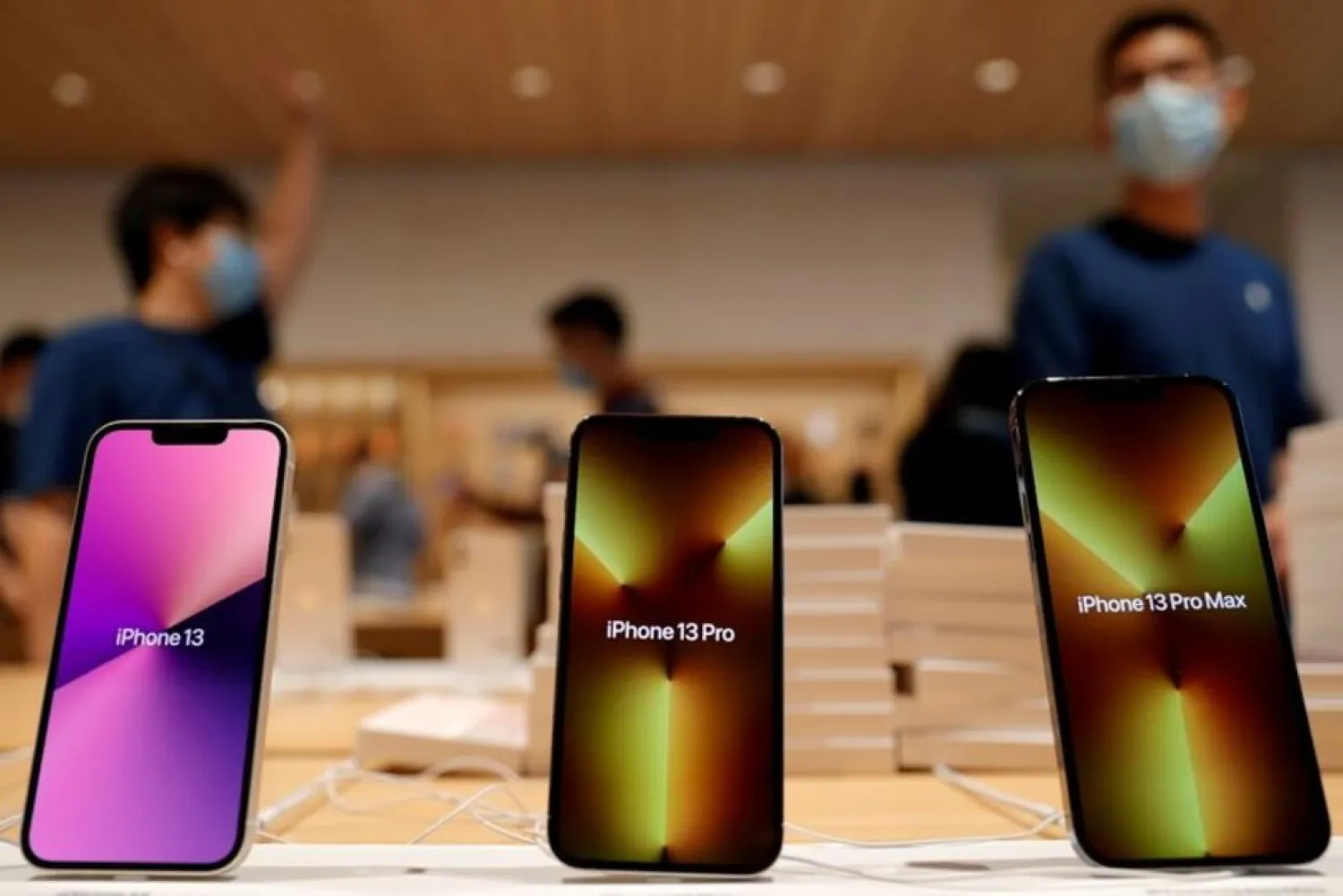
Apple's iPhone 13 models are pictured at an Apple Store on the day the new Apple iPhone 13 series goes on sale, in Beijing, China September 24, 2021. (Reuters)
TT

Apple Cuts iPad Production to Feed Chips to iPhone 13

Apple's iPhone 13 models are pictured at an Apple Store on the day the new Apple iPhone 13 series goes on sale, in Beijing, China September 24, 2021. (Reuters)

Apple Inc has cut back production of iPad tablets to allocate more components to the iPhone 13, a sign the global chip supply crunch is hitting Apple harder than previously indicated, Nikkei said on Tuesday, citing multiple sources.

Production of the iPad was down half from Apple's original plans for the past two months, the newspaper said on its website, adding that parts intended for older iPhones were also being switched to the iPhone 13.

Even though iPhone 13 production hit a snag due to factory closures in Asia and high demand in the second half of the year, Apple has weathered the supply crunch better than many other companies due to its massive purchasing power and long-term supply agreements with chip vendors, eating into its rivals' market share in the third quarter.

The iPhone maker is prioritizing iPhone 13 output in part because it forecasts stronger demand for the smartphone than for the iPad as Western markets begin to emerge from the pandemic, Nikkei said, citing unidentified sources.

Apple did not immediately respond to Reuters' request for comment.


Tech Sovereignty and AI Networks Set to Dominate Mobile Meet

A picture taken on March 2, 2026 in Barcelona shows Qualcomm's stand adverstising 6G technology during the inauguration of the Mobile World Congress (MWC), the world's biggest mobile technology showcase and fair. (Photo by Josep LAGO / AFP)
TT

Tech Sovereignty and AI Networks Set to Dominate Mobile Meet

A picture taken on March 2, 2026 in Barcelona shows Qualcomm's stand adverstising 6G technology during the inauguration of the Mobile World Congress (MWC), the world's biggest mobile technology showcase and fair. (Photo by Josep LAGO / AFP)

Tens of thousands flocked to the Mobile World Congress (MWC) in Barcelona Monday, with this year's edition of the telecoms trade fair marked by efforts to integrate AI into networks.

Celebrating its 20th year in the Catalan capital, the annual event is expected to draw around 109,000 professionals and visitors as well as major telecoms operators and equipment manufacturers from around the world, AFP reported.

Usually the day for major announcements, Monday will see appearances from the heads of Indian telecoms giant Bharti, America's AT&T and France's Orange.

And attendees are expected to pack an address by SpaceX chief Gwynne Shotwell, as press reports swirl of an imminent stock market listing for the Elon Musk-owned satellite internet firm.

The broader satellite communications sector will once again be "one of the defining themes of MWC this year", analysts from British research firm CCS wrote.

So-called "direct-to-device" connectivity -- in which phones or other connected gadgets communicate directly via satellites overhead -- "is the hottest topic right now, not just in the satellite industry, but in the mobile operator community", they added.

The telecoms industry can look back on a year of strong growth for global smartphone sales in 2025, adding 1.9 percent to reach 1.26 billion devices.

But firms will also have to ride the waves of multiple upcoming transformations in the sector.

"Sovereign AI will be a big discussion item" at this year's MWC, according to analysts from the GSMA telecoms industry association that hosts the fair, as countries look to insulate their tech infrastructure from geopolitical tensions.

Beyond political considerations, "the mobile industry is facing one of the most unprecedented challenges in its history," said Francisco Jeronimo, an analyst for market intelligence firm IDC.

Manufacturers are confronted with a surge in the price of working memory (RAM) for devices, pumped up by massive demand from tech giants building up their AI computing capacity.

Korean heavyweight Samsung showed off its latest phone models on Wednesday, with the expected prices of the three new gadgets already higher due to the cost of memory.

Over the short term, the price surge will likely trigger a "market contraction" in phones this year, IDC predicted.

But manufacturers will still be keen to show off the innovations crammed into their latest models.

Chinese producer Honor is displaying what it calls a "robot phone" designed to function as a portable AI companion.

The device has a camera on a small robot arm that acts as its head, which Honor said in a Sunday demonstration would be able to nod along with a conversation or look around in response to the user's questions.

The phone is set for launch in the second half of this year.

Chinese competitors Xiaomi and Huawei, sales champions in the connected devices sector, this weekend announced new ranges of watches, headphones and tablets.

Displayed on flashy corporate stands, such new gadgets will line the avenues of the multiple cavernous halls at MWC for visitors to peruse until Thursday.


Vietnam AI Law Takes Effect, First in Southeast Asia

People wearing raincoats ride motorbikes through the rain past a fast-food restaurant in Hanoi on February 26, 2026. (Photo by Nhac NGUYEN / AFP)
TT

Vietnam AI Law Takes Effect, First in Southeast Asia

People wearing raincoats ride motorbikes through the rain past a fast-food restaurant in Hanoi on February 26, 2026. (Photo by Nhac NGUYEN / AFP)

A law regulating artificial intelligence went into effect in Vietnam on Sunday, making it the first country in Southeast Asia with a comprehensive framework on the booming technology.

The legislation passed by the National Assembly in December establishes a risk-based regulatory model requiring human oversight and control of AI.

It is in force as of March 1, according to the text.


OpenAI Raises $110 billion, Including $50 billion from Amazon

FILE PHOTO: OpenAI logo is seen in this illustration taken May 20, 2024. REUTERS/Dado Ruvic/Illustration//File Photo/File Photo
TT

OpenAI Raises $110 billion, Including $50 billion from Amazon

FILE PHOTO: OpenAI logo is seen in this illustration taken May 20, 2024. REUTERS/Dado Ruvic/Illustration//File Photo/File Photo

OpenAI announced Friday a massive $110 billion funding round valuing the ChatGPT maker at $730 billion, with SoftBank, Nvidia and Amazon each making multi-billion dollar commitments as the artificial intelligence company races to meet surging global demand, AFP reported.

The investment round -- one of the largest in Silicon Valley history -- includes $30 billion from Japanese conglomerate SoftBank, $30 billion from chip giant NVIDIA, and $50 billion from Amazon, with additional investors expected to join as the round progresses.