


UN Experts to Review Plans for Release of Fukushima Water

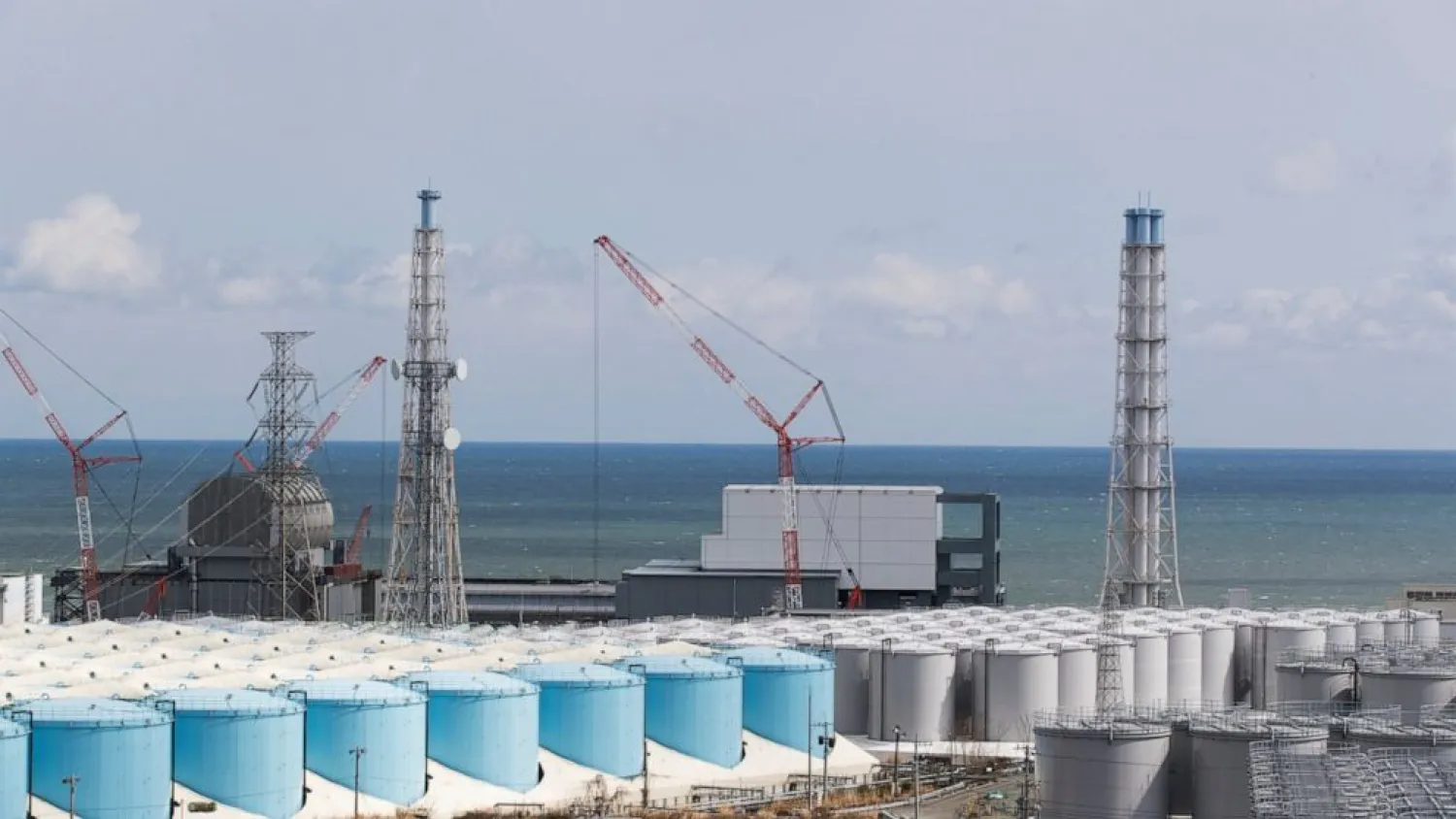
FILE - The Pacific Ocean looks over nuclear reactor units of No. 3, left, and 4 at the Fukushima Daiichi nuclear power plant in Okuma town, Fukushima prefecture, northeastern Japan on Feb. 27, 2021. A team from the UN nuclear agency arrived in Japan on Monday, Nov. 15, 2021 to assess preparations for the release into the ocean of treated radioactive water from the wrecked Fukushima nuclear plant. (AP Photo/Hiro Komae, File)
TT

UN Experts to Review Plans for Release of Fukushima Water

FILE - The Pacific Ocean looks over nuclear reactor units of No. 3, left, and 4 at the Fukushima Daiichi nuclear power plant in Okuma town, Fukushima prefecture, northeastern Japan on Feb. 27, 2021. A team from the UN nuclear agency arrived in Japan on Monday, Nov. 15, 2021 to assess preparations for the release into the ocean of treated radioactive water from the wrecked Fukushima nuclear plant. (AP Photo/Hiro Komae, File)

A team from the UN nuclear agency arrived in Japan on Monday to assess preparations for the release into the ocean of treated radioactive water from the wrecked Fukushima nuclear plant.

The experts on the team from the International Atomic Energy Agency are to meet with Japanese officials and visit the Fukushima Daiichi plant to discuss technical details of the planned release, Japanese officials said.

The government and the plant’s operator, Tokyo Electric Power Company Holdings, announced plans in April to start gradually releasing the treated radioactive water in the spring of 2023 to allow the removal of hundreds of storage tanks to make room for facilities needed for the destroyed plant's decommissioning.

The plan has been fiercely opposed by fishermen, local residents and Japan’s neighbors, including China and South Korea, The Associated Press reported.

Japan has requested assistance from the IAEA to ensure the discharge meets international safety standards and to gain the understanding of the international community. A larger 11-member IAEA mission is expected next month.

Japanese economy and industry minister Koichi Hagiuda pledged last week that Japan will explain the outcome of the IAEA reviews to the international community “in a courteous and transparent manner."

A separate IAEA taskforce on water testing earlier collected fish samples from the Fukushima coast as part of a routine review along with technical assistance for the plant’s decommissioning. The team included an expert from South Korea.

A massive earthquake and tsunami in 2011 knocked out the Fukushima Daiichi plant's cooling systems, triggering the meltdown of three reactors. Since then, large amounts of water used to cool the still highly radioactive reactor cores has leaked extensively. The contaminated water is being stored in about 1,000 tanks which are expected to reach their capacity next year.

Japanese officials say the water must be removed to allow the decommissioning of the plant, and that its release into the ocean is the most realistic option.

Government and TEPCO officials say tritium, which is not harmful in small amounts, cannot be removed from the water, but all other isotopes selected for treatment can be reduced to safe levels. Controlled release of tritium from normal nuclear plants is a routine global practice, officials say.


Four Out of Every 10 Cancer Cases Are Preventable, Says WHO

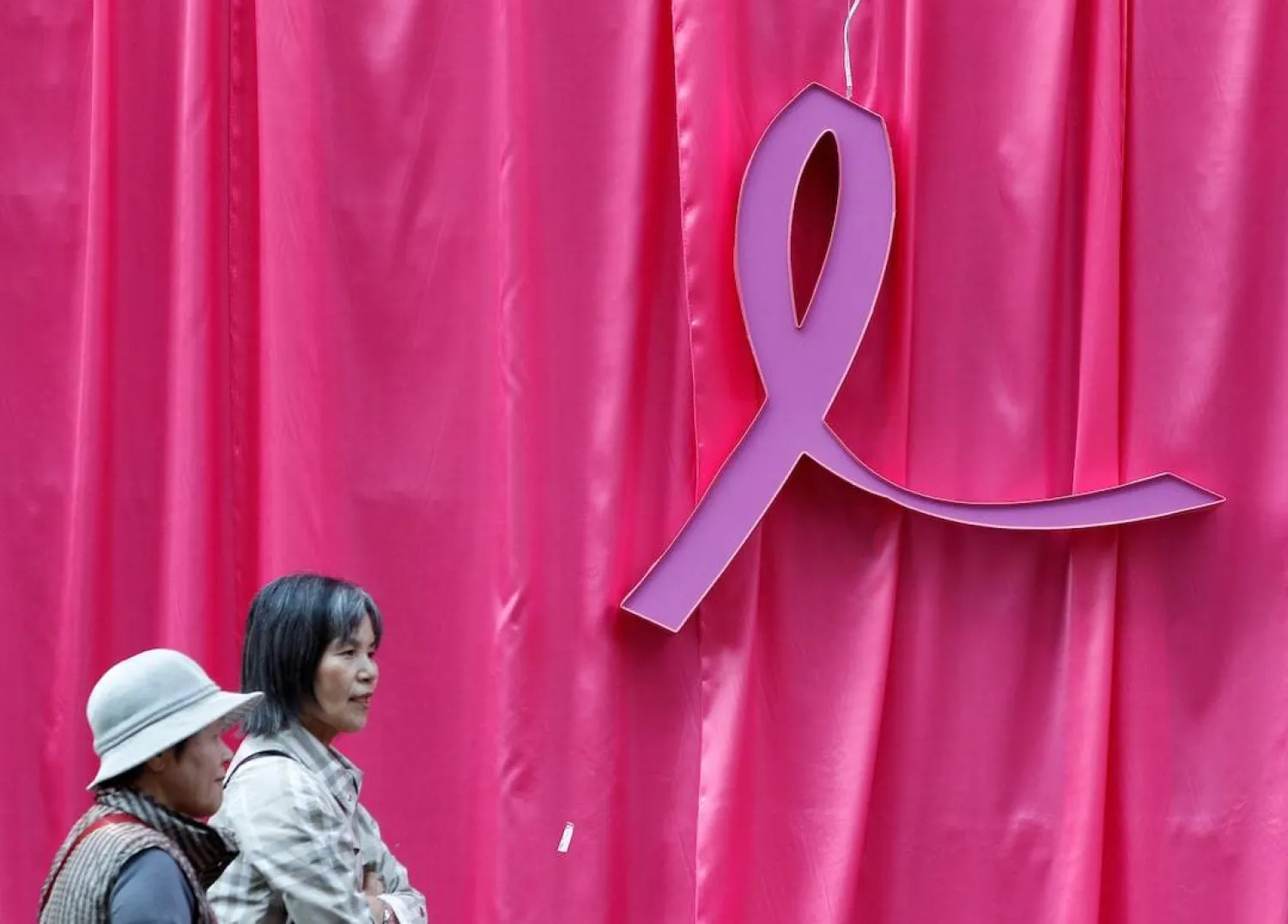
Visitors walk past a sculpture of a pink ribbon installed to promote the "Pink Ribbon" breast cancer awareness campaign in this illustration, October 5, 2011. (Reuters)
TT

Four Out of Every 10 Cancer Cases Are Preventable, Says WHO

Visitors walk past a sculpture of a pink ribbon installed to promote the "Pink Ribbon" breast cancer awareness campaign in this illustration, October 5, 2011. (Reuters)

Nearly four out of every 10 cancer cases could be prevented if people avoided a range of risk factors including smoking, drinking, air pollution and certain infections, the World Health Organization said Tuesday.

New research published on the eve of World Cancer Day estimated that 38 percent of all new cancer cases globally in 2022 -- 7.1 million -- were linked to preventable causes.

The large team of researchers, which included the WHO's International Agency for Research on Cancer, looked at 30 factors that increase the risk of getting cancer.

Tobacco was the leading offender, responsible for 15 percent of all new cancer cases, followed by cancer-causing infections with 10 percent and drinking alcohol with three percent, according to the study published in the journal Nature Medicine.

Other risk factors included being overweight, a lack of exercise, UV radiation and being exposed to threats such as asbestos while working.

"This is the first global analysis to show how much cancer risk comes from causes we can prevent," senior study author Andre Ilbawi, the WHO's team lead for cancer control, said in a statement.

Almost half of all the preventable cases were lung, stomach or cervical cancer.

Lung cancer was linked to smoking and air pollution, while stomach cancer was largely linked to a bacteria called Helicobacter pylori.

Cervical cancer cases were overwhelmingly caused by human papillomavirus (HPV), which vaccines are effective against.

Men were far more likely to get preventable cancer, with 45 percent of new cases compared to 30 percent for women.

And nearly a quarter of all preventable cancer cases among men were from smoking, compared to 11 percent for women.

To address the problem, the researchers called for countries to adopt strong tobacco control measures and alcohol regulation, and to vaccinate against common infections such as HPV, improve air quality and ensure safer workplaces, healthy diets and exercise.

"If we want to reduce the cancer burden we also need to reduce the noncommunicable disease (NCD) burden -- it is indisputable that tobacco, alcohol, ultra-processed food and air quality are major drivers of multiple kinds of cancer," said Katie Dain, CEO of the NCD Alliance.


Spain to Ban Social Media Access for Children Under 16

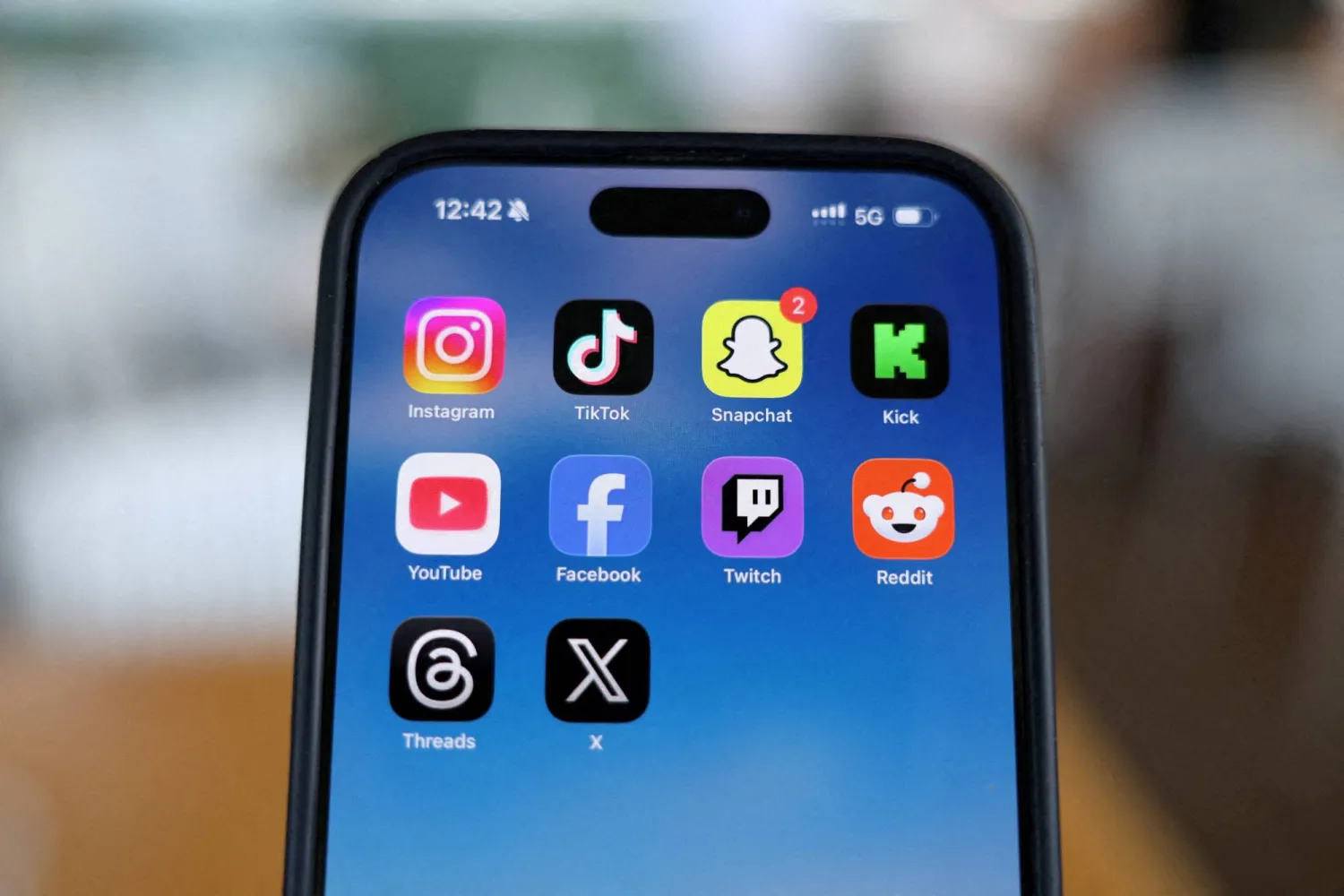
FILE PHOTO: Instagram, TikTok, Snapchat, Kick, YouTube, Facebook, Twitch, Reddit, Threads and X applications are displayed on a mobile phone ahead of new law banning social media for users under 16 in Australia, in this picture illustration taken on December 9, 2025. REUTERS/Hollie Adams/Illustration/File Photo
TT

Spain to Ban Social Media Access for Children Under 16

FILE PHOTO: Instagram, TikTok, Snapchat, Kick, YouTube, Facebook, Twitch, Reddit, Threads and X applications are displayed on a mobile phone ahead of new law banning social media for users under 16 in Australia, in this picture illustration taken on December 9, 2025. REUTERS/Hollie Adams/Illustration/File Photo

Spain will ban access to social media for minors under 16 and platforms will be required to implement ‌age verification ‌systems, Prime ‌Minister ⁠Pedro Sanchez said ‌on Tuesday at the World Government Summit in Dubai.

"Our children are exposed to a space they were never meant to navigate ⁠alone... We will no longer ‌accept that," Sanchez said. "We ‍will protect ‍them from the digital ‍Wild West."

He added that his government would also introduce a new bill next week to hold social media executives accountable for illegal and ⁠hateful content.

Australia in December became the first country to ban social media for children under 16.

It's a move being closely watched by other countries considering similar age-based measures, such as Britain and France.


Saudi Media Ministry and SDAIA Launch Key Initiatives at Saudi Media Forum

Officials are seen at the fifth Saudi Media Forum in Riyadh on Monday. (SPA)
TT

Saudi Media Ministry and SDAIA Launch Key Initiatives at Saudi Media Forum

Officials are seen at the fifth Saudi Media Forum in Riyadh on Monday. (SPA)

The Saudi Ministry of Media, in partnership with the Saudi Data and AI Authority (SDAIA), launched on Monday two key initiatives at the fifth Saudi Media Forum in Riyadh.

The Media Innovation Bootcamp (Saudi MIB) and the AI principles in media document were announced by Minister of Media Salman Al-Dossary and SDAIA President Abdullah Alghamdi.

The initiatives aim to enhance the national media ecosystem and integrate artificial intelligence technologies into content creation.

The bootcamp trains a new generation of journalists and content creators in smart journalism tools, emphasizing automated data collection and deepfake detection for accurate reporting.

The AI track enables participants to collaborate with software engineers to create digital characters that mimic human behavior, facilitating 24/7 multilingual broadcasts with real-time audience interaction.

The AI principles in media document provides guidelines for responsible AI use in the media lifecycle. Developed with SDAIA, the Saudi Broadcasting Authority, and the General Authority for Media Regulation, it aims to ensure content integrity, address challenges posed by misleading content and deepfake technologies, and boost efficiency by leveraging AI to accelerate content production and deliver personalized user experiences.

The initiatives represent a partnership between the Ministry of Media and SDAIA to empower national talent and promote responsible technology use, aligned with Saudi Vision 2030.