Gulf-US Vision to Confront Iranian Threats

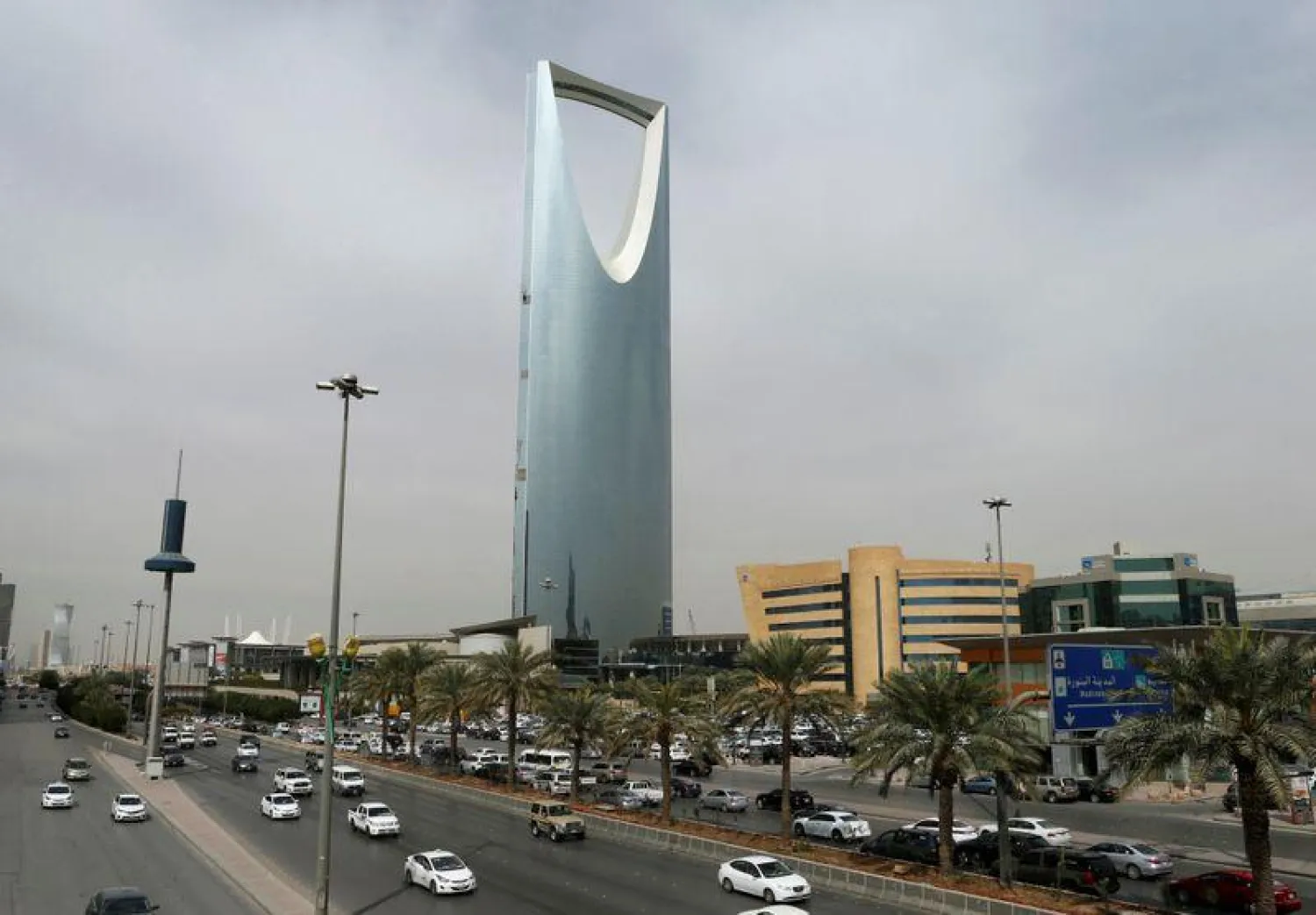
Cars drive past the Kingdom Center Tower in Riyadh, Saudi Arabia, January 30, 2018. (Reuters)
TT

Gulf-US Vision to Confront Iranian Threats

Cars drive past the Kingdom Center Tower in Riyadh, Saudi Arabia, January 30, 2018. (Reuters)

A Gulf-US meeting reached a common vision to deter Iranian threats in the region, especially air, missile, and naval threats. The meeting condemned Tehran’s behavior and support for terrorist organizations and armed groups with ballistic missiles and drones.

The US and the members of the Gulf Cooperation Council (GCC) convened Working Groups on Integrated Air and Missile Defense and Maritime Security at the GCC’s headquarters in Riyadh on Thursday.

During the meeting, Gulf and American officials discussed a range of threats facing the region and missile defense and maritime security.

These discussions were held aid the ongoing Ukrainian-Russian crisis and growing fears over the collapse of Iranian nuclear talks in Vienna.

The working groups affirmed the long-term defense partnership between the US and the member states of the GCC. They reaffirmed joint commitment to maintaining regional security, within the framework of the strategic partnership between the GCC and the US.

Saudi strategic and security analyst, Dr. Fawaz bin Kasib believes that the meeting currently reflects the strategic relationship between the Gulf states and the US.

He said US is a strategic ally of the Gulf states, and it is incumbent upon it to protect its allies in the region and their geo-economic and geo-political interests.

“Gulf countries have signed many deals of weapons, foremost of which are in the naval sector and missile systems. This comes as enemy drones pose variable threats,” he told Asharq Al-Awsat.

“Therefore, it is natural that there will be a change in strategies and the type of armament that Saudi Arabia and the Gulf states will use,” he added.

The participants at the meeting reaffirmed the November 2021 statement of the US-GCC Iran Working Group, again condemning Iran’s malign behavior through proxies and direct use of advanced ballistic missiles, cruise missiles, and Unmanned Aircraft Systems (UAS).

Iran has used these weapons and supported terrorist and other armed groups to conduct hundreds of attacks in the region.

The United States and GCC member states stressed the importance of strengthening the ability of the GCC countries to collectively address these threats. They developed a common vision for deterring the most pressing threats in the region from air, missile, and maritime threats.
Coalition Says Destroys Ballistic, Cruise Missiles, 2 Drones Fired at Saudi Arabia

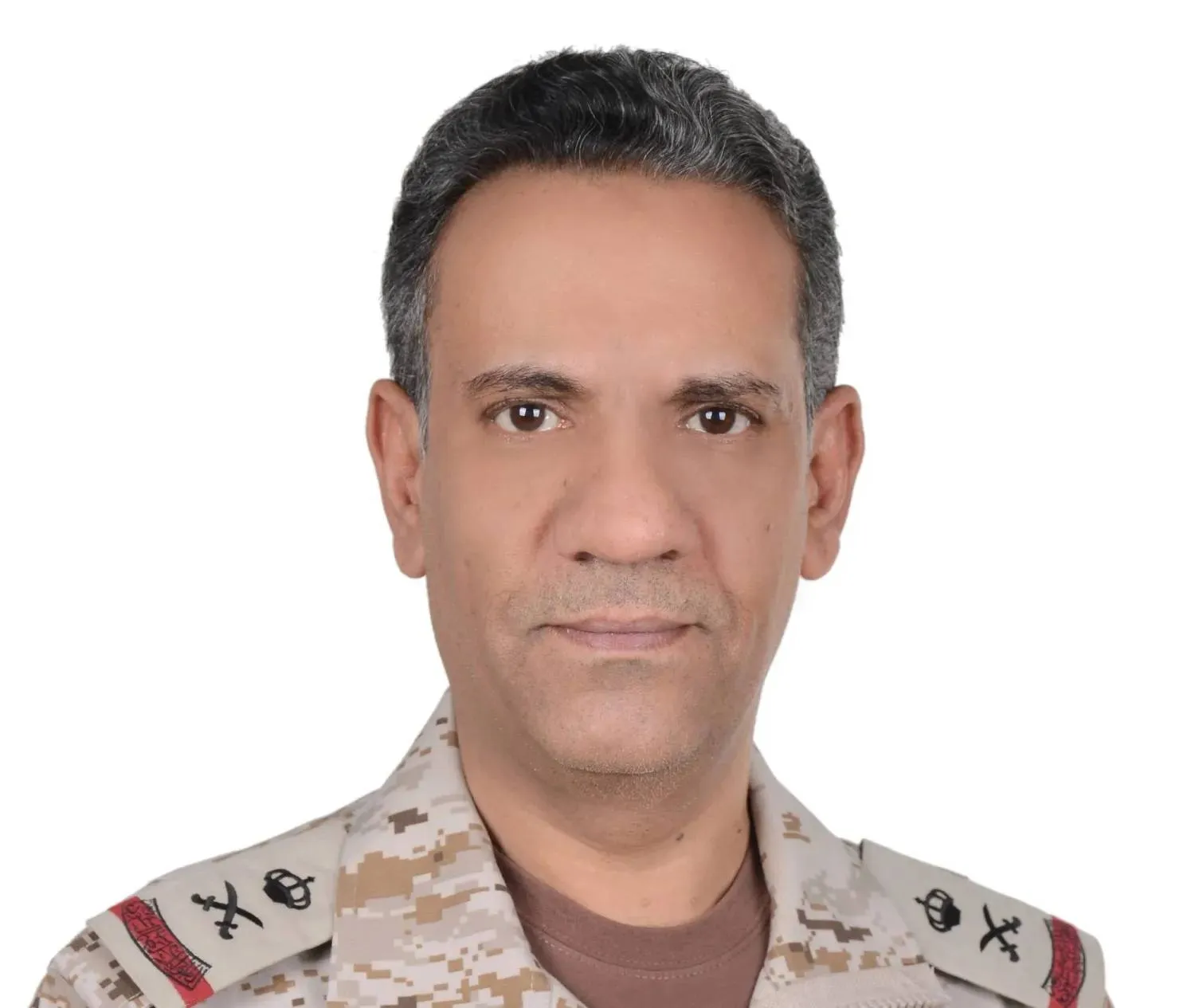
Coalition official spokesperson Major General Turki Al-Malki. (Asharq Al-Awsat)
TT

Coalition Says Destroys Ballistic, Cruise Missiles, 2 Drones Fired at Saudi Arabia

Coalition official spokesperson Major General Turki Al-Malki. (Asharq Al-Awsat)

The Coalition to Restore Legitimacy in Yemen announced on Friday the interception and destruction of a ballistic missile and Cruise missile launched by the terrorist Houthi militia toward Saudi Arabia’s Southern and Western Region, as well as two drones in the Makkah and Riyadh Regions.

Coalition official spokesperson Major General Turki Al-Malki said that Saudi air defenses destroyed two ballistic missiles headed toward Riyadh and one in the Eastern Region on Thursday.

Civil Defense teams responded to the fall of shrapnel from the two destroyed missiles in Riyadh, which resulted in a minor injury to a citizen and material damage to a house and a vehicle.


Saudi Arabia Suspends Travel to and from Kenya as Precaution against Ebola

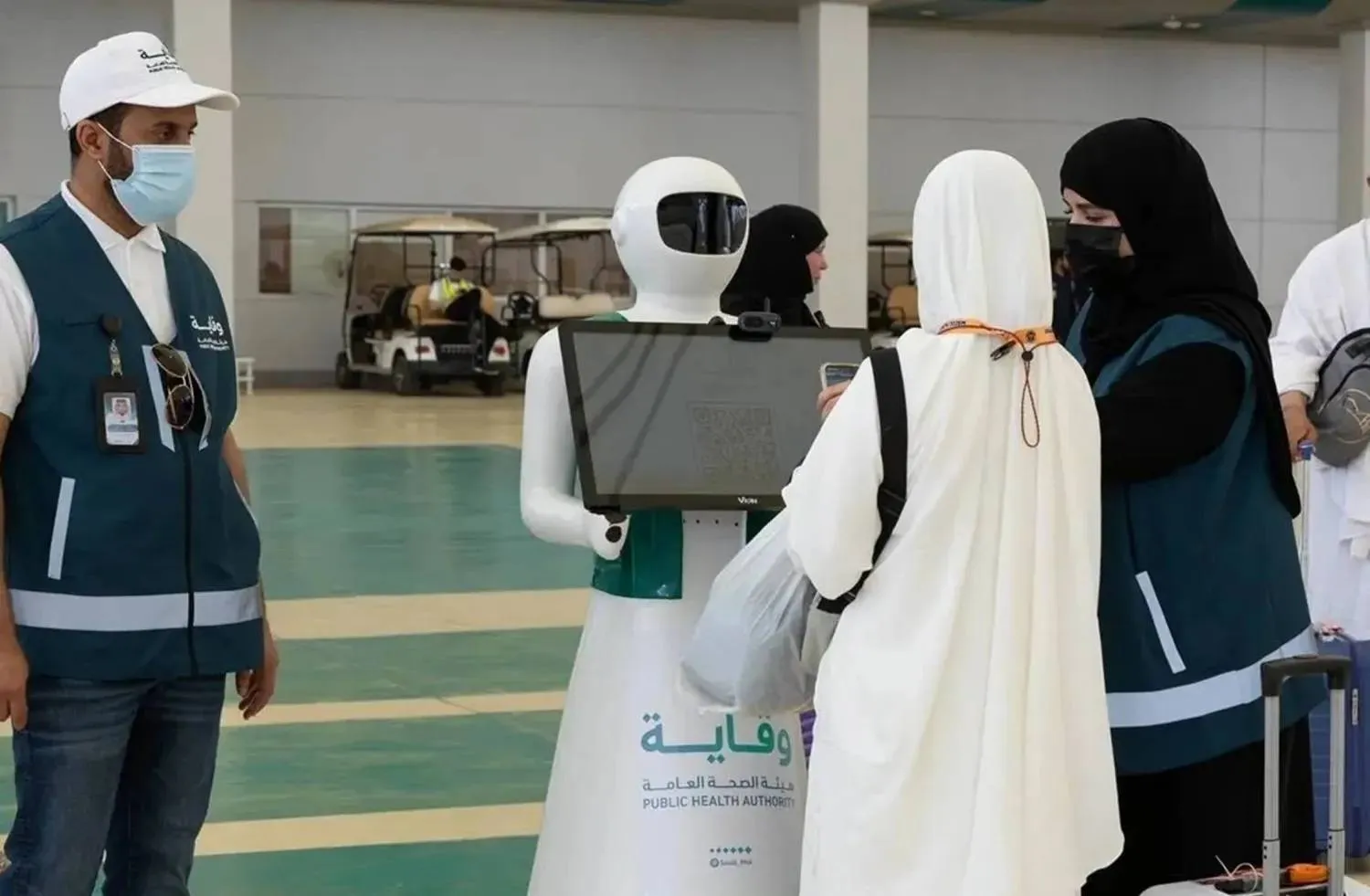
The Public Health Authority stressed that the health situation inside the Kingdom remains reassuring and under constant surveillance. (SPA)
TT

Saudi Arabia Suspends Travel to and from Kenya as Precaution against Ebola

The Public Health Authority stressed that the health situation inside the Kingdom remains reassuring and under constant surveillance. (SPA)

Saudi Arabia suspended on Friday travel by Saudi citizens to Kenya as part of precautionary measures to mitigate risks associated with the Ebola virus.

The measures include halting all visa issuance for individuals arriving from Kenya, and barring entry to travelers arriving directly from Kenya or transiting through third countries if they stayed in Kenya or any other country with an active Ebola outbreak within the 21 days preceding their arrival in the Kingdom.

These directives build upon preventive protocols implemented since July 2019 and reinforced in May 2026 for arrivals from high-risk countries.

Coordination is ongoing with local and international health agencies to evaluate risks, safeguard the health of citizens, residents, and visitors, and contribute to global health security.

In June 2026, the Kingdom suspended travel to and from the Democratic Republic of Congo, Uganda, and South Sudan, while tightening surveillance and entry-point screening for travelers arriving from neighboring areas.

The Public Health Authority stressed that the health situation inside the Kingdom remains reassuring and under constant surveillance. It confirmed that it continues to track regional and international epidemiological trends in coordination with relevant bodies, taking all necessary preventive measures to ensure response readiness and public safety.


Saudi Ambassador Launches Campaign to Distribute Sacrificial Meat in Lebanon

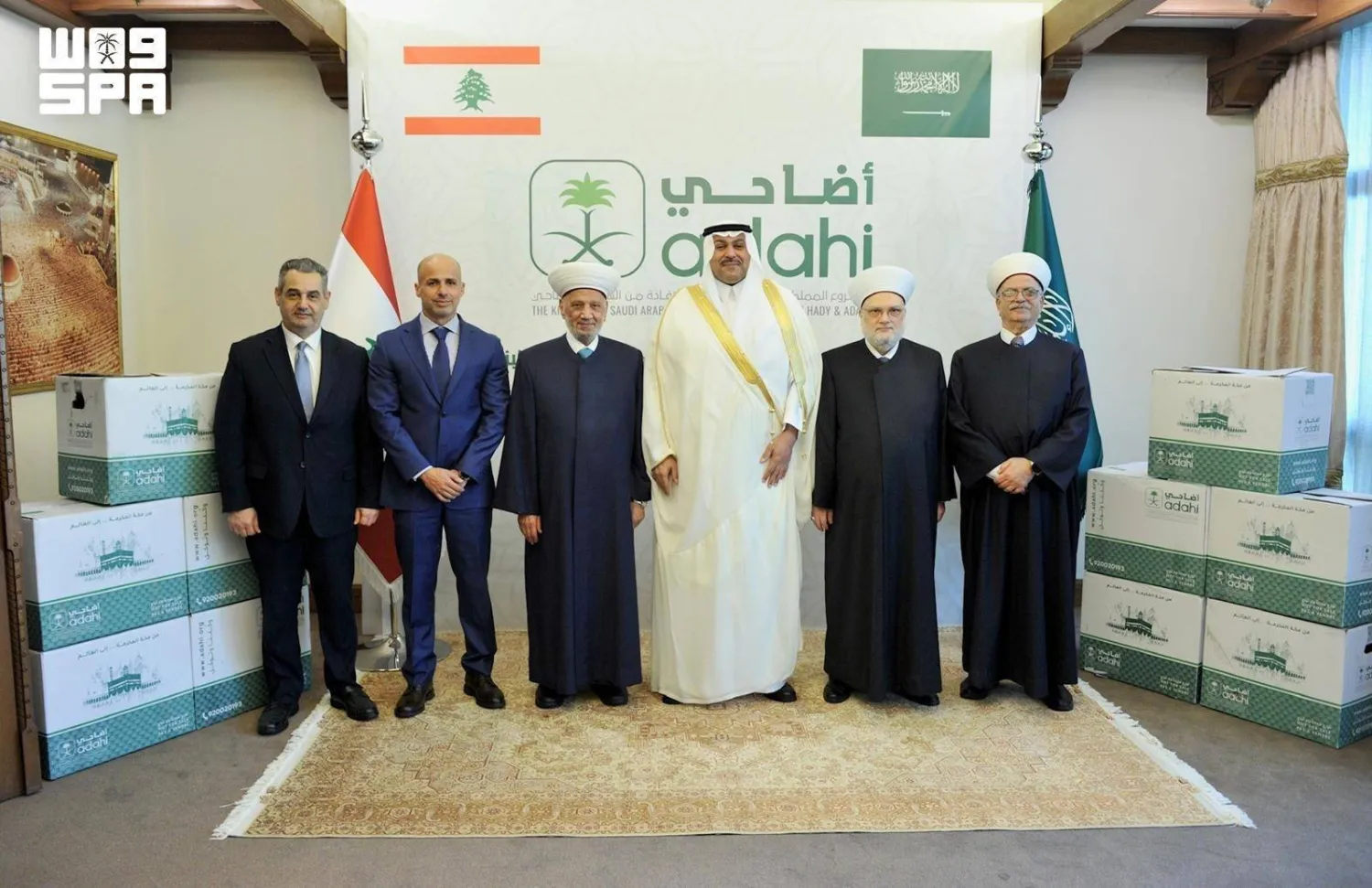
Saudi Ambassador to Lebanon Fahd Al-Dosari, Grand Mufti of Lebanon Sheikh Abdul Latif Derian and other officials are seen at the launch at the Saudi Embassy in Beirut. (SPA)
TT

Saudi Ambassador Launches Campaign to Distribute Sacrificial Meat in Lebanon

Saudi Ambassador to Lebanon Fahd Al-Dosari, Grand Mufti of Lebanon Sheikh Abdul Latif Derian and other officials are seen at the launch at the Saudi Embassy in Beirut. (SPA)

Saudi Ambassador to Lebanon Fahd Al-Dosari launched at the Saudi Embassy in Beirut on Friday a campaign to distribute sacrificial meat across Lebanon under the Kingdom of Saudi Arabia Project for Utilization of Hady and Adahi.

The launch event was attended by Grand Mufti of Lebanon Sheikh Abdul Latif Derian, head of the Supreme Sunni Court Sheikh Mohammed Assaf, Director-General of the Zakat Fund Sheikh Zuhair Al-Kibbi, alongside several Lebanese dignitaries.

Al-Dosari stated that the project, managed by the Royal Commission for Makkah City and Holy Sites since its inception in 1983, continues to include Lebanon among its beneficiaries.

He noted that the current campaign delivers over 10,000 sacrificial meat distributed across all Lebanese regions in coordination with Dar Al-Fatwa, the Zakat Fund, and the Lebanese government.

Derian expressed deep gratitude and appreciation to Custodian of the Two Holy Mosques King Salman bin Abdulaziz Al Saud and Prince Mohammed bin Salman bin Abdulaziz Al Saud, Crown Prince and Prime Minister, for launching the initiative in Lebanon.

Dar Al-Fatwa and its institutions stand firmly with the Kingdom against heinous terrorist attacks targeting Makkah, Madinah, and other Saudi cities, he stressed.