




For the past two years, the health care system in Lebanon that was once known as The “Hospital of the Middle East,” has become a shadow of its former self.
Historically, Lebanon has been the hub of academic medical centers and the leading destination for medical tourism in the Middle East and North Africa (MENA) region.
This leadership position has been decimated by the economic meltdown of Lebanon and the Lebanese pound collapse in 2019/2020, coupled with the global stress of the COVID19 pandemic. As a result of these unfortunate events, highly qualified physicians, nurses and other healthcare professionals are leaving the country for other medical centers in the Gulf region, Europe and the United States.
In October of 2019, the Lebanese people took to the streets to protest decades of rampant corruption that has culminated in a feeling of hopelessness across virtually all sectors of the economy but even more so in healthcare. The economic failure has been accompanied by political paralysis and a run on the Lebanese currency that has drastically reduced its purchasing power. This has been coupled with the Lebanese banking system imposing a draconian limitation on the withdrawal or transfers of foreign currencies (capital control) – all essential elements for the normal functioning of the economy affecting all sectors but especially the healthcare sector that is dependent on importing pharmaceuticals and medical supplies from outside the country.
The healthcare system is also being destroyed by recurrent fuel shortages and skyrocketing prices, and hours of daily power outages. A vast majority of the Lebanese population is forced to survive with less than 2 hours of electricity a day. These strains are further forcing hospitals to ration the services being provided to their patients and descending the healthcare system into chaos.
Then on August 4, 2020, nearly 3000 tons of improperly stored ammonium nitrate caused a massive explosion in the Port of Beirut killing more than 200 people and injuring thousands more. Subsequently, the Lebanese cabinet resigned en masse leaving Lebanon’s government in complete disarray.
At the time of the explosion, Lebanon was already hosting the highest number of foreign refugees per capita worldwide, including in excess of one million Syrians fleeing its civil war searching for a safe and secure haven for their families. Taken together, these events have created a perfect storm that has undermined the Lebanese healthcare system leaving hospitals and healthcare providers without the resources needed to offer the quality of care that had been a hallmark in the region. The vast devaluation of the Lebanese currency is estimated to have led to a reduction of as much as 80% of individual physician’s and other health care workers’ prior income.
This sequence of events has dealt a crushing blow on many of the ex-patriot Lebanese healthcare workers forcing them to seek alternative opportunities elsewhere.
Indeed, in September 2021, the World Health Organization (WHO) estimated that about 40% of skilled doctors and 30% of registered nurses have left Lebanon since October 2019.2 The head of the Lebanese Order of Physicians recently pointed out that the continuing exodus of physicians not only puts the delivery of healthcare services at risk, but also compromises the education of future physicians. Indeed, a recent article in the Washington Post highlighted the mass exodus of health care professionals from Lebanon.
In 2009, with the very strong support of the Board of Trustees of the American University of Beirut (AUB), we initiated a program entitled: AUBMC Vision 2020, and were able to recruit to the medical center more than 200 ex-patriot physicians and scientists mostly from North America between 2009 and 2019. More than half of those recruits have now left Lebanon and this is at a single institution. Unfortunately, this is happening at a time when these professionals are needed more than ever. The brain drain has caused a critical scarcity of personnel in essential services, intensive care and emergency departments at a time when the COVID-19 pandemic was running rampant in Lebanon.
These multi-layered crises have had a devastating negative impact on the Lebanese population. The loss of buying power of the Lebanese currency has made healthcare inaccessible to so many who can no longer afford even their most basic healthcare needs. Many patients are faced with the difficult decision of terminating their treatments due to financial constraints. This not only compromises their current healthcare issues, but also exacerbates their psychological well-being and mental health. The fate of all these challenges will remain highly uncertain if the world enters into a global recession in 2022, adding to the existing worsening economic crisis in Lebanon.
The Medecins Sans Frontieres (MSF) Head of Mission in Lebanon affirmed that there are at least three economic factors that can result in totally preventable deaths in the population: 1) unavailability of electricity 2) lack of adequate supplies, and 3) staffing shortages.4 There is a shortage and/or unavailability of many basic drugs and medications, especially anti-cancer drugs. These limitations are eroding the health and well-being of the Lebanese people. For example, in November 2021, the Ministry of Health announced the partial removal of subsidies for drug certain drug purchases resulting in a major shortage of supplies for essential medications. Some drugs now cost more than the monthly minimum wage of many people.
The economic crisis has also served to undermine the traditional doctor-patient relationship. Private hospitals have stopped accepting non-paying patients including those covered by the National Social Security Fund. Patients with private insurance are also being asked to pay the out-of-pocket differences between the devalued Lebanese pound and the US dollar exchange rate that is set by the hospital and approved by insurance companies. These measures result in a huge financial burden on the Lebanese people that we believe is not sustainable, resulting in increased morbidity and mortality because of their inability to pay for health care. Indeed, it is estimated that over 50% of the Lebanese population are now living in poverty. This in turn is having a negative impact on the health of children. In recent years, there has been a substantial increase in Lebanese children suffering from acute malnutrition during this health and economic crisis. Private clinics have reported a nearly 50% decline in providing routine immunization of children. With the high cost of medications, these children will be denied access to primary health care services to receive needed treatment.
The crisis also affected the academic status of health care systems in Lebanon. Recent studies 5 have shown that among countries in the MENA region, Lebanon was ranked third in the number of publications related to biomedical and healthcare research per capita. Health research and clinical trials in Lebanon have been severely limited.
The World Bank has pleaded in vain the “Policy Makers” in Lebanon to urgently embrace a comprehensive economic and financial recovery plan that is vital to implement the long overdue reforms. With a striking statement, the World Bank stated a complete destruction is awaiting the social and economic networks, with a dangerous hemorrhage in human assets.6 The political uncertainties in Lebanon today pose a serious threat to the current and future health and well-being of the country. Indeed, if Lebanon is ever going to recover from its current chaotic state, it is essential that major economic and political reforms be implemented to ensure that healthcare services can be more broadly available to the population. Policies should be developed to restore the quality of medical and nursing schools, and teaching hospitals to restore Lebanon’s pre-eminence as the leading medical hub of the region. The current negotiations between the Lebanese government and the Internal Monetary Fund (IMF) must include a clear vision and plan regarding the recovery of the health care sector soon and before the damage is irreparable- fearing that it might already be too late!
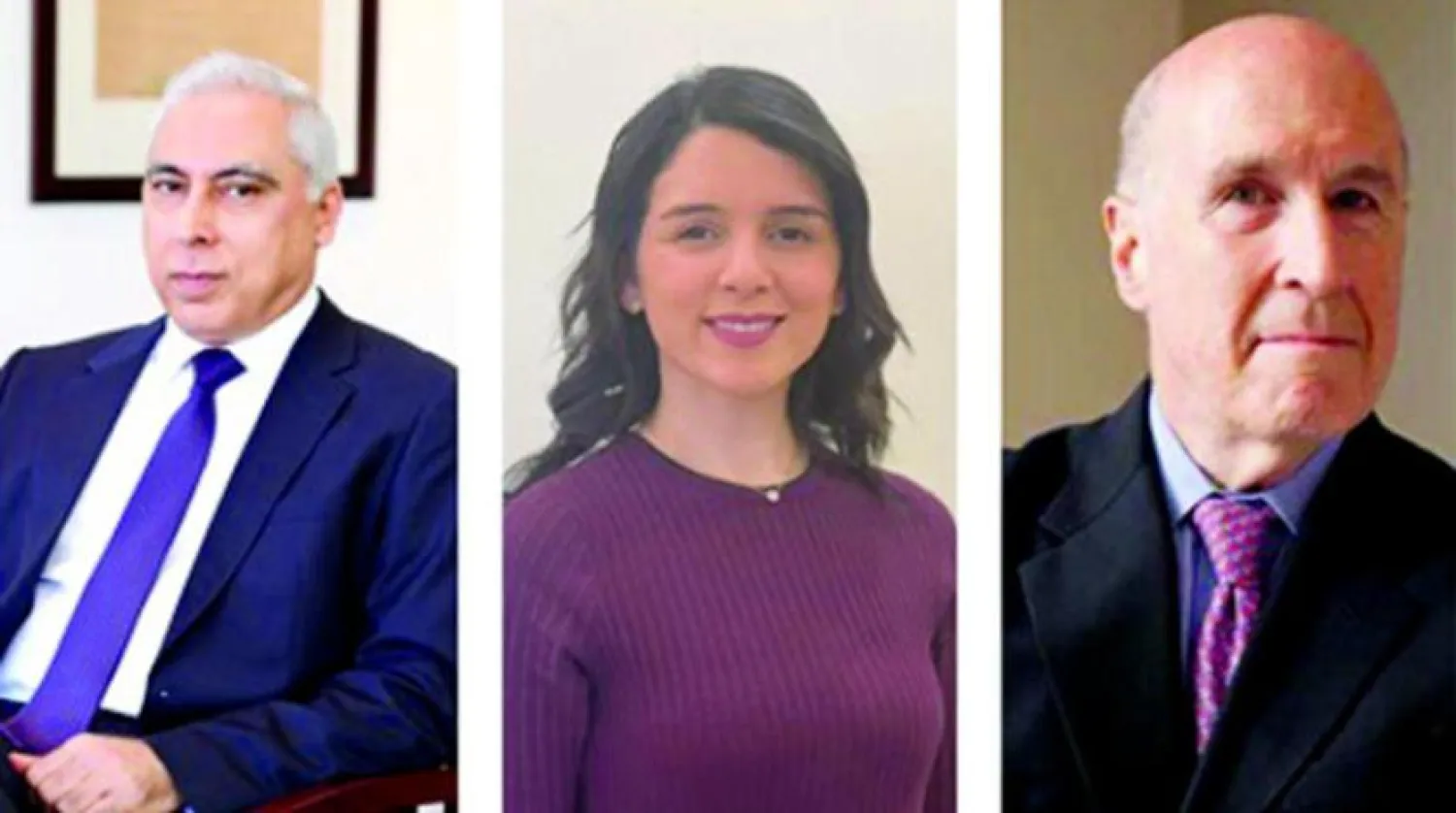
Mohamed H. Sayegh, M.D., American University of Beirut; Alaa Merhi, MSc, American University of Beirut; David M. Bickers, M.D. Columbia University


