


Musk’s Twitter Ambitions to Collide with Europe’s Tech Rules

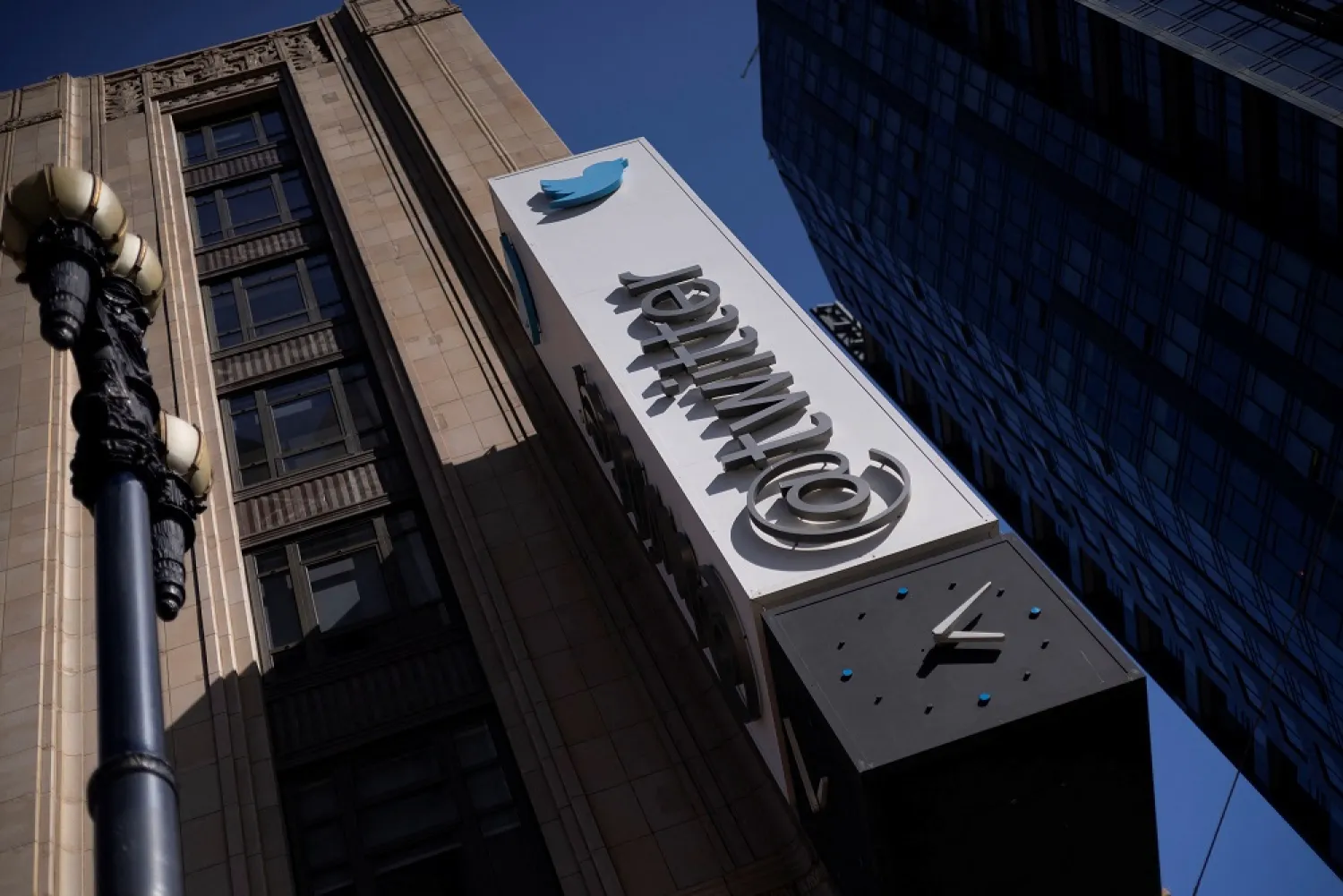
A Twitter logo is seen outside the company's headquarters in San Francisco, California, US, April 25, 2022. (Reuters)
TT

Musk’s Twitter Ambitions to Collide with Europe’s Tech Rules

A Twitter logo is seen outside the company's headquarters in San Francisco, California, US, April 25, 2022. (Reuters)

Elon Musk’s Twitter acquisition and his plans for a more hands-off approach to moderating content could clash with ambitious new laws in Europe meant to protect users from disinformation, hate speech and other harmful material.

Musk, who describes himself as a "free speech absolutist," pledged to buy Twitter for $44 billion this week, with European Union officials and digital campaigners quick to say that any focus on free speech to the detriment of online safety would not fly after the 27-nation bloc solidified its status as a global leader in the effort to rein in the power of tech giants.

"If his approach will be ‘just stop moderating it,’ he will likely find himself in a lot of legal trouble in the EU," said Jan Penfrat, senior policy adviser at digital rights group EDRi.

Musk will soon be confronted with Europe's Digital Services Act, which will require big tech companies like Twitter, Google and Facebook parent Meta to police their platforms more strictly or face billions in fines.

Officials agreed just days ago on the landmark legislation, expected to take effect by 2024. It’s unclear how soon it could spark a similar crackdown elsewhere, with US lawmakers divided on efforts to address competition, online privacy, disinformation and more.

That means the job of reining in a Musk-led Twitter could fall to Europe - something officials signaled they’re ready for.

"Be it cars or social media, any company operating in Europe needs to comply with our rules - regardless of their shareholding," Thierry Breton, the EU’s internal market commissioner, tweeted Tuesday. "Mr Musk knows this well. He is familiar with European rules on automotive, and will quickly adapt to the Digital Services Act."

Musk's plans for Twitter haven't been fleshed out beyond a few ideas for new features, opening its algorithm to public inspection and defeating "bots" posing as real users.

France's digital minister, Cedric O, said Musk has "interesting things" that he wants to push for Twitter, "but let’s remember that #DigitalServicesAct - and therefore the obligation to fight misinformation, online hate, etc. - will apply regardless of the ideology of its owner."

EU Green Party lawmaker Alexandra Geese, who was involved in negotiating the law, said, "Elon Musk’s idea of free speech without content moderation would exclude large parts of the population from public discourse," such as women and people of color.

Twitter declined to comment. Musk tweeted that "the extreme antibody reaction from those who fear free speech says it all." He added that by free speech, he means "that which matches the law" and that he’s against censorship going "far beyond the law."

The United Kingdom also has an online safety law in the works that threatens senior managers at tech companies with prison if they don’t comply. Users would get more power to block anonymous trolls, and tech companies would be forced to proactively take down illegal content.

Prime Minister Boris Johnson's office stressed the need for Twitter to remain "responsible" and protect users.

"Regardless of ownership, all social media platforms must be responsible," Johnson's spokesman Max Blain said Tuesday.

Damian Collins, a British lawmaker who led a parliamentary committee working on the bill, said that if Musk really wants to make Twitter a free speech haven, "he will need to clean up the digital town square."

Collins said Twitter has become a place where users are drowned out by coordinated armies of "bot" accounts spreading disinformation and division and that users refrain from expressing themselves "because of the hate and abuse they will receive."

The laws in the UK and EU target such abuse. Under the EU's Digital Services Act, tech companies must put in place systems so illegal content can be easily flagged for swift removal.

Experts said Twitter will have to go beyond taking down clearly defined illegal content like hate speech, terrorism and child sexual abuse and grapple with material that falls into a gray zone.

The law includes requirements for big tech platforms to carry out annual risk assessments to determine how much their products and design choices contribute to the spread of divisive material that can affect issues like health or public debate.

"This is all about assessing to what extent your users are seeing, for example, Russian propaganda in the context of the Ukraine war," online harassment or COVID-19 misinformation, said Mathias Vermeulen, public policy director at data rights agency AWO.

Violations would incur fines of up to 6% of a company's global annual revenue. Repeat offenders can be banned from the EU.

The Digital Services Act also requires tech companies to be more transparent by giving regulators and researchers access to data on how their systems recommend content to users.

Musk has similar thoughts, saying his plans include "making the algorithms open source to increase trust."

Penfrat said it's a great idea that could pave the way to a new ecosystem of ranking and recommendation options.

But he panned another Musk idea - "authenticating all humans" - saying that taking away anonymity or pseudonyms from people, including society's most marginalized, was the dream of every autocrat.

Ericsson Lags Profit Expectations as AI Demand Drives Up Chip Costs

FILE PHOTO: A woman walks across the logo of Ericsson at the ongoing India Mobile Congress 2025 at Yashobhoomi, a convention and expo center in New Delhi, India, October 8, 2025. REUTERS/Anushree Fadnavis/File Photo
TT

Ericsson Lags Profit Expectations as AI Demand Drives Up Chip Costs

FILE PHOTO: A woman walks across the logo of Ericsson at the ongoing India Mobile Congress 2025 at Yashobhoomi, a convention and expo center in New Delhi, India, October 8, 2025. REUTERS/Anushree Fadnavis/File Photo

Sweden's Ericsson reported a first-quarter core profit that slightly missed market expectations on Friday, citing increasing chip costs caused by artificial intelligence demand and a sales slowdown in North America.

The network equipment maker is facing rising input costs partially due to high demand for AI technology that is driving up prices of semiconductors, CEO Börje Ekholm said in a statement.

"We are working ⁠together with our ⁠suppliers to mitigate this. But also, we will need to work with our customers to share the burden on this," finance chief Lars Sandström added in an interview with Reuters.

The company reported an adjusted operating profit of 5.2 billion Swedish ⁠crowns ($566 million), excluding restructuring charges, for the first quarter of 2026. Analysts polled by Infront were expecting 5.4 billion crowns on average.

Ericsson, one of the main Western suppliers of network equipment alongside Finland's Nokia, is betting heavily on the US market even as transatlantic ties have become strained under President Donald Trump's rule.

The Swedish group has significant exposure to the United States, especially after winning a $14 ⁠billion ⁠deal with operator AT&T in 2023, which could help outweigh slower telecoms investments in other markets.

Sandström said sales in North America fell by a mid-single-digit percentage in the quarter, compared to a strong year-ago period that was boosted by tariff-related demand. Underlying market conditions in the region remain solid, he added.

The group reported quarterly net sales of 49.3 billion crowns, compared with an Infront poll estimate of 50.7 billion crowns.


EU: Google Should Allow Third-party Search Engines Access to Data

FILE PHOTO: Google's logo during the CERAWeek energy conference 2026 in Houston, Texas, US, March 24, 2026. REUTERS/Danielle Villasana/File Photo
TT

EU: Google Should Allow Third-party Search Engines Access to Data

FILE PHOTO: Google's logo during the CERAWeek energy conference 2026 in Houston, Texas, US, March 24, 2026. REUTERS/Danielle Villasana/File Photo

The European Commission has sent preliminary findings to Google on proposed measures to comply with the EU's Digital Markets Act, which would allow third-party search engines to access Google search data, including ⁠that of artificial ⁠intelligence chatbots with search functionalities, the commission said on Thursday.

Interested parties have until May ⁠1 to submit their views on the proposed measures, with a final decision to be made in July.

Google, the world's most popular search engine, was charged in March 2025 with ⁠breaching ⁠the Digital Markets Act. It has made its own proposals to mollify rivals and EU regulators, but rivals have complained the measures were insufficient.


Samsung Asks Court to Block Illegal Strike Activities by Unions

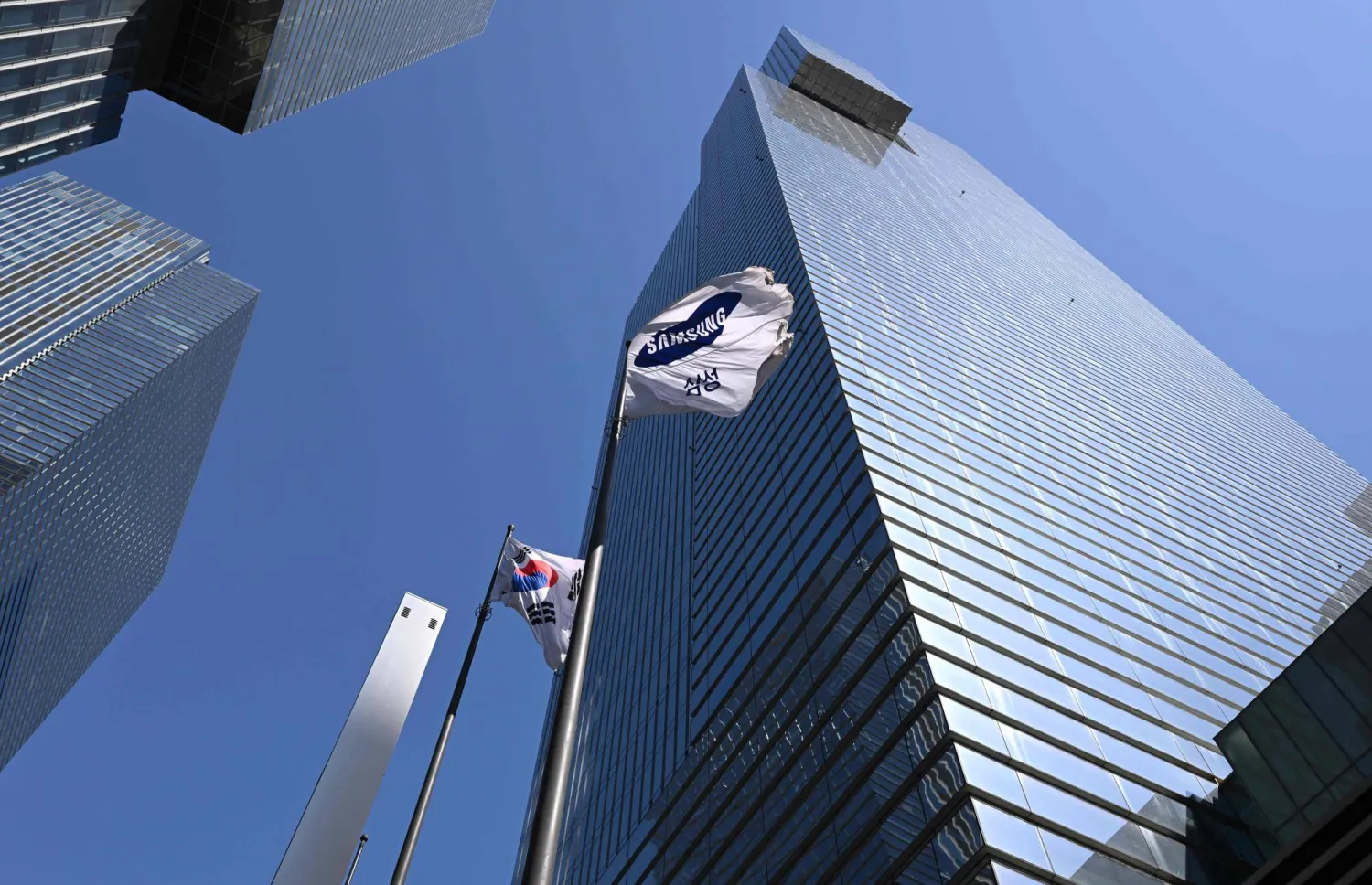
A South Korean national flag (L) and a Samsung flag (R) flutter outside the company's Seocho building in Seoul on April 7, 2026. (Photo by Jung Yeon-je / AFP)
TT

Samsung Asks Court to Block Illegal Strike Activities by Unions

A South Korean national flag (L) and a Samsung flag (R) flutter outside the company's Seocho building in Seoul on April 7, 2026. (Photo by Jung Yeon-je / AFP)

Samsung Electronics asked a court on Thursday to block its South Korean labour unions engaging in illegal activities during a planned strike, a spokesperson said, as a wage dispute threatens to disrupt operations at the world's top memory chipmaker.

Samsung did not elaborate on details of its legal action. Unions labelled it a "declaration of war," accusing the company of infringing on its right to strike, which ⁠is protected under the ⁠law.

Unionized workers at Samsung last month voted to authorize strike plans and threatened to walk out for 18 days from May 21, should they fail to agree on a wage deal with management.

The unions also plan to ⁠hold a major rally on April 23, ramping up pressure on Samsung during wage negotiations.

Samsung workers, frustrated by a pay gap with crosstown rival SK Hynix, are calling on Samsung to remove its performance pay cap and link bonuses to operating profit.

The company estimated it made an operating profit of 57.2 trillion won ($38.85 billion) for the January to March period, more than an eightfold ⁠jump ⁠from 6.69 trillion won a year earlier.

Samsung's union leader told Reuters that a potential strike could affect about half the output at Samsung's giant semiconductor complex in Pyeongtaek, south of Seoul, the capital.

A strike at the world's largest manufacturer of memory chips could worsen bottlenecks in global supply of semiconductors, stemming from robust demand for artificial intelligence data center operations that has curbed supply to industries from cars and computers to smartphones.