Local Market Revives UAE Tourism Sector, Accounts for 58% of Total Number of Hotel Guests

More than 75 million hotel nights were booked in all the seven United Arab Emirates in 2021. (Asharq Al-Awsat)
TT

Local Market Revives UAE Tourism Sector, Accounts for 58% of Total Number of Hotel Guests

More than 75 million hotel nights were booked in all the seven United Arab Emirates in 2021. (Asharq Al-Awsat)

The local market has revived the UAE tourism sector by acquiring 58% of the total number of the 19 million hotel guests, compared to 42% tourists, according to a report released on Tuesday.

Hotel establishments achieved a growth of more than 29% in 2021 compared to the number of guests recorded in 2020.

According to the report, revenues from the sector grew by about 70% in 2021 at 28 billion dirhams ($7.6 billion dollars) compared to 2020.

These figures were released after the Emirates Tourism Council (ETC) held its first meeting this year, chaired by Dr. Ahmad al-Falasi, the Minister of State for Entrepreneurship and Small and Medium Enterprises.

Heads and directors of all local tourism departments and authorities attended the meeting.

More than 75 million hotel nights were booked in 2021, up 42% compared to 2020, while the hotel occupancy rate amounted to 67%.

The number of hotel establishments in the UAE also increased during 2021 by five percent compared to 2020, reaching 1,144 establishments.

So did the number of hotel rooms, which increased by eight percent to reach 194,000 rooms across the emirates.

Falasi said these positive results reflect the efficiency of the policies adopted by the UAE to support and develop the national tourism sector.

He pointed out that many of these figures are close to the growth rates achieved in the pre-pandemic period, which indicates the full recovery of the national tourism sector.

He further underlined the importance of the contribution of the recent major events and initiatives organized by the country.

These include Expo 2020 Dubai, which attracted more than 24 million visitors in six months, and the second edition of the World’s Coolest Winter campaign, which generated revenues amounting to 1.5 billion dirhams.


Saudi Arabia Declares 2026 ‘Year of Artificial Intelligence’ to Boost Data Economy

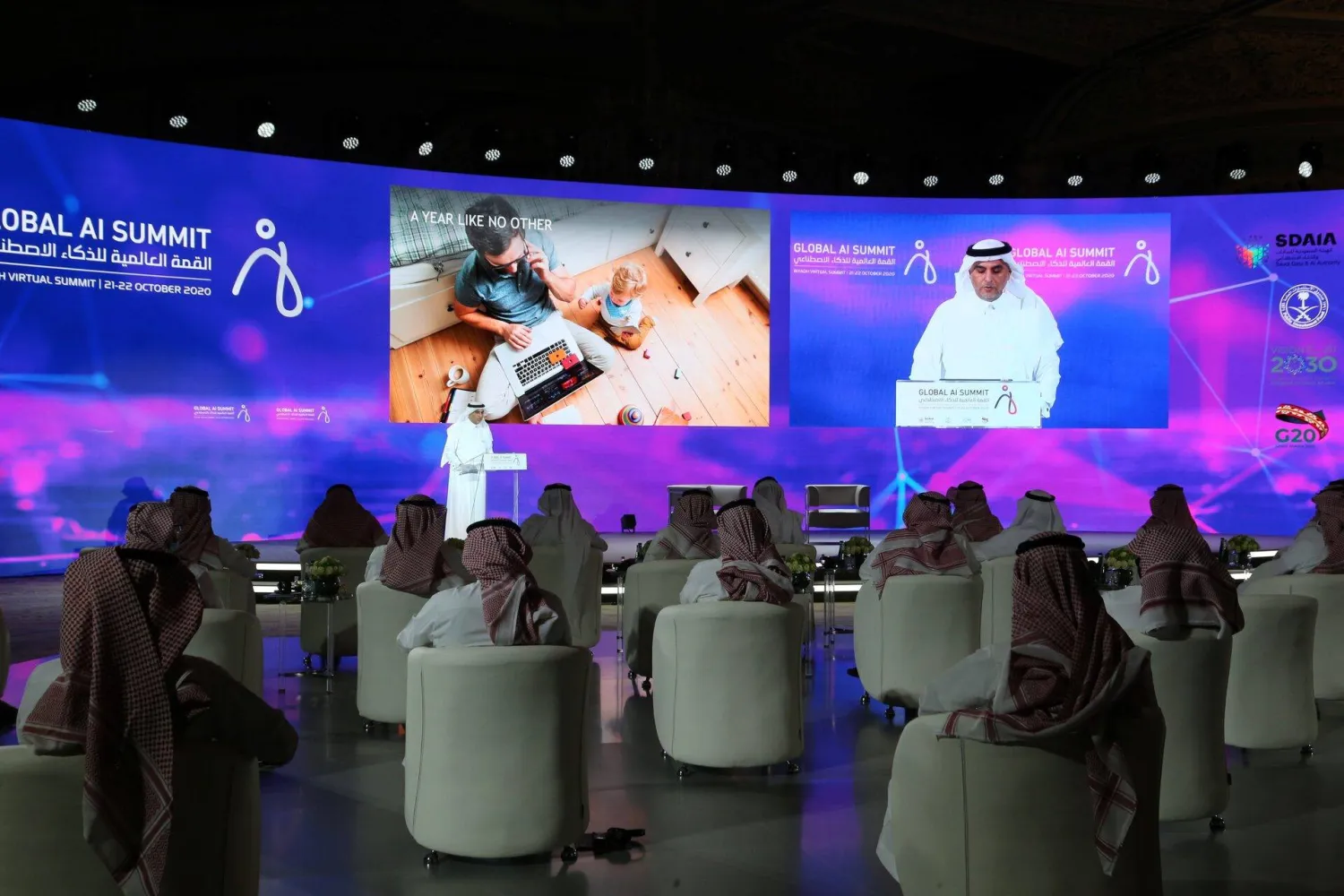
Abdullah Al-Ghamdi, President of Saudi Data and Al Authority, speaks during the Global Al Summit in Riyadh, Saudi Arabia October 21, 2020. REUTERS/Ahmed Yosri  
TT

Saudi Arabia Declares 2026 ‘Year of Artificial Intelligence’ to Boost Data Economy

Abdullah Al-Ghamdi, President of Saudi Data and Al Authority, speaks during the Global Al Summit in Riyadh, Saudi Arabia October 21, 2020. REUTERS/Ahmed Yosri  

As the global race toward a digital economy accelerates and the world enters a new era driven by algorithms, Saudi Arabia is positioning itself as a key player in the future of advanced technologies.

The Saudi Cabinet has declared 2026 the “Year of Artificial Intelligence,” a decision that reflects a strategic direction placing AI at the center of the Kingdom’s development policies in the coming years.

“This step embodies the vision of Crown Prince and Prime Minister Mohammed bin Salman, aimed at strengthening the Kingdom’s global standing in advanced technologies and creating broad national momentum around their role in shaping a smarter and more sustainable future,” said Abdullah Al-Ghamdi, president of the Saudi Data and Artificial Intelligence Authority (SDAIA), in a statement issued after the decision.

Al-Ghamdi added that the “Year of Artificial Intelligence” reflects Saudi Arabia’s scientific, cultural and humanitarian commitment to deploying these technologies in service of humanity and making them an effective tool for improving people’s lives worldwide.

He said the nationwide celebration of the year highlights the kingdom’s position as an international hub for advanced technologies and an influential actor in shaping global AI policy.

According to Al-Ghamdi, artificial intelligence has become one of the most powerful drivers of the global economy. Advanced economies increasingly rely on it to boost growth and improve quality of life by transforming vital sectors such as healthcare, education, transport, energy and security, while accelerating innovation and strengthening competitiveness.

Building a National AI Ecosystem

In recent years, the Saudi Data and Artificial Intelligence Authority, established by royal decree in 2019 with direct support from Crown Prince Mohammed bin Salman, has worked to build an integrated national ecosystem for data and artificial intelligence.

This effort has included expanding digital infrastructure, launching the National Strategy for Data and Artificial Intelligence, developing regulatory and governance frameworks, and introducing national platforms and programs to encourage the adoption of AI technologies across multiple sectors.

The authority has also hosted major international events in the field, most notably the Global AI Summit, which is preparing to hold its fourth edition in September under the patronage of the Crown Prince. The summit brings together leading experts, policymakers, and major technology companies from around the world.

These initiatives have helped Saudi Arabia achieve advanced rankings in several global indices related to data and artificial intelligence. They have also expanded the use of smart technologies across government, private and nonprofit sectors, improving service efficiency, boosting innovation, and stimulating the digital economy.

As part of efforts to build national capabilities, SDAIA trained more than one million Saudi citizens in artificial intelligence technologies within a single year through the SMAI initiative, reflecting the kingdom’s strategy of preparing a generation capable of working with emerging technologies and leading the country’s digital transformation.

Saudi Arabia’s AI sector is also experiencing rapid investment growth. Government spending on artificial intelligence and emerging technologies rose 56.25 percent in 2024 compared with 2023, according to the Saudi Press Agency.

Meanwhile, Saudi companies operating in the AI sector secured $9.1 billion in funding last year through 70 investment deals, while the number of companies working in the data and artificial intelligence sector has reached 664.

Expanding Technological Infrastructure

At the same time, Saudi Arabia has significantly expanded its technological infrastructure.

Data center capacity increased 42.4 percent between 2023 and 2024, alongside the launch of advanced projects such as the high-performance supercomputer Shaheen 3 and the development of global-scale data centers designed to support artificial intelligence applications.

In early 2026, the Kingdom also inaugurated Hexagon, the world’s largest government data center, with a capacity of 480 megawatts. Saudi Arabia now hosts nine cloud regions, four of which are under construction by global cloud service providers.

In addition, more than 430 government systems have been integrated into the National Data Lake, strengthening the country’s data infrastructure.

Saudi Arabia’s efforts extend beyond the domestic arena. The Kingdom has supported international initiatives promoting the responsible use of artificial intelligence in line with the United Nations Sustainable Development Goals.

Among the most notable initiatives is the establishment in Riyadh of the International Center for Artificial Intelligence Research and Ethics (ICAIRE) under the auspices of UNESCO.

As part of strengthening the national AI ecosystem, Crown Prince Mohammed bin Salman announced in May 2025 the launch of Humain, a company owned by the Public Investment Fund, Saudi Arabia’s sovereign wealth fund. The firm aims to develop and manage artificial intelligence solutions and invest across the sector.

The company is working on advanced AI models, including one of the most prominent large language models in Arabic. It is also developing next-generation data centers and cloud computing infrastructure, strengthening local technological capabilities and opening new opportunities for the digital economy both regionally and globally.

The Public Investment Fund and its portfolio companies are also supporting the AI ecosystem through investments and international partnerships, leveraging Saudi Arabia’s strategic geographic position between three continents, which facilitates connections between global data networks and enables rapid processing of vast data volumes.

The Kingdom’s rapidly growing economy and large youth population interested in emerging technologies are also contributing to capacity building, research and innovation in the field.



Citibank Closes UAE Branches Temporarily as Precautionary Measure

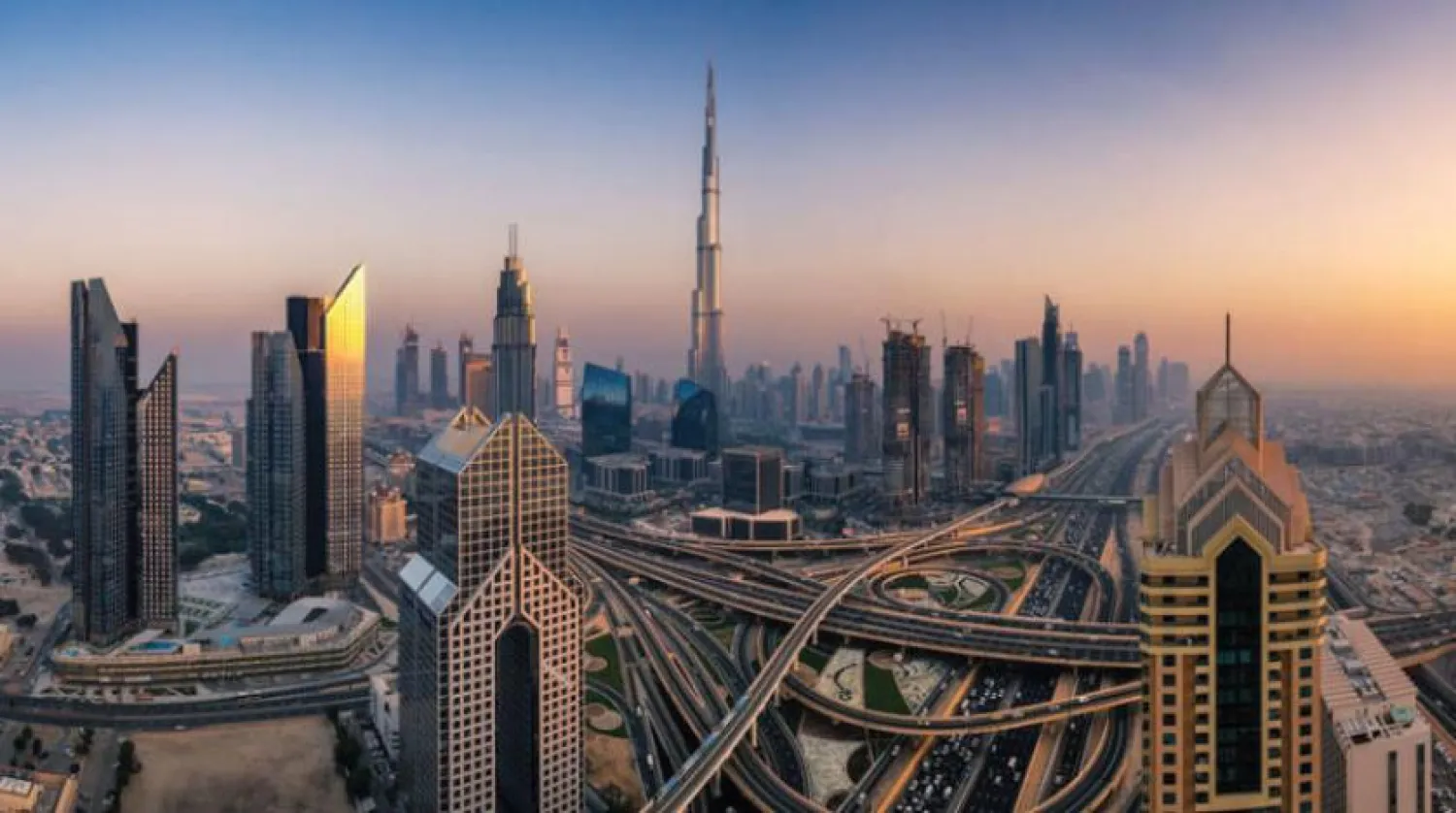
A photograph shows Dubai's skyline with the Burj Khalifa at the center on March 11, 2026. (Photo by FADEL SENNA / AFP)
TT

Citibank Closes UAE Branches Temporarily as Precautionary Measure

A photograph shows Dubai's skyline with the Burj Khalifa at the center on March 11, 2026. (Photo by FADEL SENNA / AFP)

Citibank will close its branches and financial centers in the United Arab Emirates through March 14 as a precautionary measure, the bank's website showed on Thursday, following a wave of banks sending staff home as the crisis in the Middle East deepens.

The ⁠US bank plans ⁠to reopen all affected branches on March 16, but the branch in the Mall of the Emirates in central Dubai, will remain open ⁠during this period, it said.

Earlier this week, Citi told its staff to evacuate offices in the Dubai International Financial Centre (DIFC) and Dubai's Oud Metha neighborhood, telling them to work from home until further notice.

HSBC, another major global bank, has closed all branches in ⁠Qatar ⁠until further notice, according to a customer notice, saying the measure was to ensure the safety of staff and customers.

Banks across the region have stepped up precautions after Iran threatened banking interests linked to the US and Israel.


OPEC: Ongoing Geopolitical Developments Warrant Close Monitoring of Markets

OPEC's report focused on February market conditions prior to the Feb. 28 conflict outbreak (Reuters)
TT

OPEC: Ongoing Geopolitical Developments Warrant Close Monitoring of Markets

OPEC's report focused on February market conditions prior to the Feb. 28 conflict outbreak (Reuters)

The Organization of Petroleum Exporting Countries (OPEC) has maintained, for the seventh consecutive month, its 2026-2027 global oil demand growth projections unchanged.

OPEC kept its forecast for global oil demand growth at 1.38 million bpd for 2026 and at 1.3 million bpd for 2027.

The Iran war has severely impacted global supply chains, as the Gulf region is crucial to the world's oil and gas supply.

The war sent oil prices surging close to $120 a barrel on Monday before they later eased to around the low $90s, as markets weighed the risk of wider disruption against hopes the conflict might still be contained.

OPEC's report focused on February market conditions prior to the Feb. 28 conflict outbreak, therefore, not reflecting the war’s impact on the volume or price of oil.

“Ongoing geopolitical developments warrant close monitoring, although their impact, if any, on the growth forecast may be too early to determine,” OPEC said ⁠in the report, referring to economic growth.

OPEC also ⁠said output by the wider OPEC+, which includes the Organization of the Petroleum Exporting Countries plus other producers such as Russia, averaged 42.72 million bpd in February, up 445,000 bpd from January, citing secondary sources.

Crude oil production by OPEC rose by 164,000 bpd in February compared to January 2026, reaching around 28.63 million bpd, according to the group's latest Monthly Oil Market Report.

The largest output increase came from Venezuela, while Nigeria recorded the biggest decline last month.

And for the second month, OPEC kept its forecast for the growth of oil supply of non-OPEC countries at 630,000 bpd in 2026, and at 610,000 bpd in 2027.

Early this month, the eight OPEC+ countries agreed to a modest oil output boost of 206,000 bpd for April, a decision framed as a response to steady market fundamentals and global economic growth.

The eight members had raised production quotas by about 2.9 million bpd from April through December 2025, roughly 3% of global demand, before pausing increases for January to March 2026 due to seasonal weakness.