


Jordan Warns of ‘Notable Drop’ in Int’l Support for Refugees in the Region

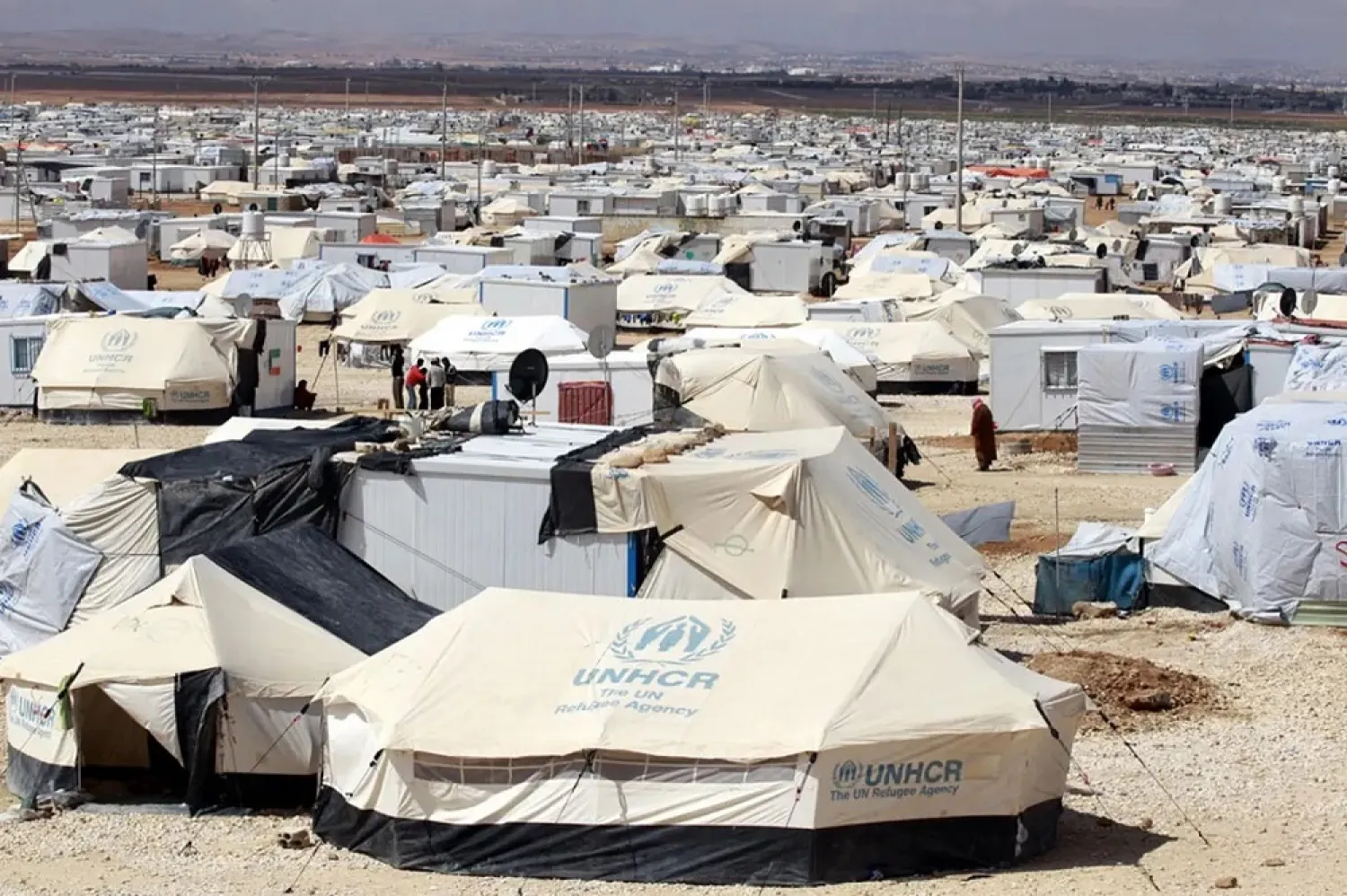
Jordan hosts almost 650,000 Syrians registered with the United Nations. (AFP file photo)
TT

Jordan Warns of ‘Notable Drop’ in Int’l Support for Refugees in the Region

Jordan hosts almost 650,000 Syrians registered with the United Nations. (AFP file photo)

Jordan has warned of the notable drop in international support to refugees in the Middle East and to the relevant UN agencies.

Jordanian Foreign Minister Ayman Safadi met with UN High Commissioner for Refugees (UNHCR) Filippo Grandi in Amman, where he stressed the need for mobilizing joint action to provide a decent life for refugees and help host countries shoulder the burden of hosting them.

Safadi praised the solid partnership between Jordan and the UNHCR to present necessary services to about 1.3 million Syrians residing in Jordan.

He also underlined the role of the UNHCR in supporting refugees and keeping their cause alive on the international agenda.

The officials agreed to intensify efforts to rally international support for refugees.

Also on Sunday, Prime Minister Bisher Khasawneh discussed with Grandi the economic challenges facing the kingdom due to the burden refugees pose on Jordan’s infrastructure, education, health, water and job opportunities.

He urged the international community and donor countries to continue to provide necessary support to host communities.

Jordan hosts almost 650,000 Syrians registered with the United Nations, but Amman estimates close to 1.3 million Syrians had arrived since 2011 when the conflict in the neighboring country erupted.

Jordan has said it has spent over 12 billion dollars on hosting them.



Lebanon Sentences Activists in Absentia for inciting Israeli Attacks

A UN convoy in southern Lebanon, near the Israel-Lebanon border, as seen from northern Israel, June 2, 2026. REUTERS/Shir Torem
TT

Lebanon Sentences Activists in Absentia for inciting Israeli Attacks

A UN convoy in southern Lebanon, near the Israel-Lebanon border, as seen from northern Israel, June 2, 2026. REUTERS/Shir Torem

Lebanon's judiciary has charged two anti-Hezbollah activists in absentia with inciting Israeli attacks against the Iran-backed group and sentenced them to 15 years in prison, a judicial official told AFP on Friday.

It is the harshest sentence yet against activists expressing support for Israel, which has officially been at war with Lebanon for decades.

The official, who requested anonymity, said the two individuals, Ahmed Yassine and Joumana Gebara, both living outside Lebanon, were charged with "collaborating with Israel and inciting it to continue its military operations against Hezbollah in Lebanon" by the military tribunal in a trial that began in November 2024.

Yassine, a Paris-based university professor, is accused of "inciting the Israeli army to bomb the historic Baalbek Citadel by disseminating information claiming that the citadel housed Hezbollah weapons depots".

Yassine also has a YouTube channel where he shares political commentary to more than 140,000 subscribers.

Gebara is accused of "praising Israeli army spokesman Avichay Adraee and thanking him for the bombings of Lebanon, as well as calling for normalization with Israel" during the previous Israel-Hezbollah war in 2024, the official said.

Lebanon has no formal ties with Israel, and any contact is punishable by imprisonment.

It has previously arrested people accused of spying for Israel.

Lebanon was drawn into the wider Middle East war when Hezbollah attacked Israel on March 2 to avenge the February 28 killing of Iran's supreme leader.

More than 3,500 people have been killed in Israeli strikes since then, according to Lebanese authorities.


Lebanese President, PM Say Iran Using Lebanon as Bargaining Chip in US Talks

Smoke rises following Israeli bombardment in southern Lebanon close to the Beaufort Castle as seen from a position across the border in the Upper Galilee, in northern Israel on June 4, 2026. (Photo by Jalaa MAREY / AFP)
TT

Lebanese President, PM Say Iran Using Lebanon as Bargaining Chip in US Talks

Smoke rises following Israeli bombardment in southern Lebanon close to the Beaufort Castle as seen from a position across the border in the Upper Galilee, in northern Israel on June 4, 2026. (Photo by Jalaa MAREY / AFP)

Lebanese President Joseph Aoun told CNN that Iran was using Lebanon as a bargaining chip in its negotiations with the United States.

Aoun has repeatedly sought to distance Lebanon from regional conflicts and has said decisions concerning the country's sovereignty and security must be made by the Lebanese state alone.

For his part, Lebanese Prime Minister Nawaf Salam on Friday also urged Iran to stop treating his country as a "bargaining chip" in its negotiations with Washington on the Middle East conflict.

"If I may address a word to Iran, it is this: have mercy on our south, stop treating it and its people as merely a bargaining chip to improve the terms of your negotiations," Salam told a press conference for a UN aid appeal for Lebanon.


Berri Backs Hezbollah Withdrawal South of Litani if Israel Pulls Back

Lebanese Parliament Speaker Nabih Berri (National News Agency)
TT

Berri Backs Hezbollah Withdrawal South of Litani if Israel Pulls Back

Lebanese Parliament Speaker Nabih Berri (National News Agency)

After controversy surrounding the Lebanon-Israel ceasefire agreement announced following US-sponsored talks in Washington on Wednesday, Lebanese Parliament Speaker Nabih Berri on Friday clarified his position, saying he supports Hezbollah's withdrawal from south of the Litani River in parallel with an Israeli withdrawal from the areas it occupied, while describing the remaining provisions as “unfair”.

Speaking during a meeting with Lebanese Army Commander General Rodolphe Haykal, Berri said: “Instead of this hybrid agreement, we could have viewed the beginning of the text positively had it provided for an unconditional ceasefire on land, at sea and in the air, without the destruction of existing structures. But it was booby-trapped by the addition of a complete cessation of fire by Hezbollah, as well as the withdrawal of all its members from south of the Litani.”

He added: “To be brief, I approve the following: The ceasefire shall be understood as complete and comprehensive, without conditions, on land, at sea and in the air, and without bulldozing or destroying existing structures.

Hezbollah's withdrawal from south of the Litani in parallel with the Israeli withdrawal from the areas it occupied. The rest of the text is unfair and not worth mentioning.”

Lebanese President Joseph Aoun said on Thursday that implementation of the ceasefire could begin within 24 hours of final approval.

He said that once responses are received from all relevant domestic parties, particularly Hezbollah, Lebanon's position will be conveyed to the United States.

He stressed that “the agreement that has been reached is the last opportunity; otherwise, each side must bear its responsibilities.”