


Islamic Military Counter Terrorism Coalition brings together 41 Countries Facing Extremism

Logo of the Islamic Military Coalition to Combat Terrorism
TT

Islamic Military Counter Terrorism Coalition brings together 41 Countries Facing Extremism

Logo of the Islamic Military Coalition to Combat Terrorism

The Islamic Military Coalition to Counter Terrorism, which is formed of 41 states, is a unified Islamic system to counter extremism and terrorism.

The strategic vision of the participating states, with the support of foreign countries and international organizations, focuses on coordinating and consolidating efforts at the intellectual and media levels, combating the financing of terrorism, and countering all forms of terrorism and extremism by actively contributing to international efforts to preserve international peace and security.

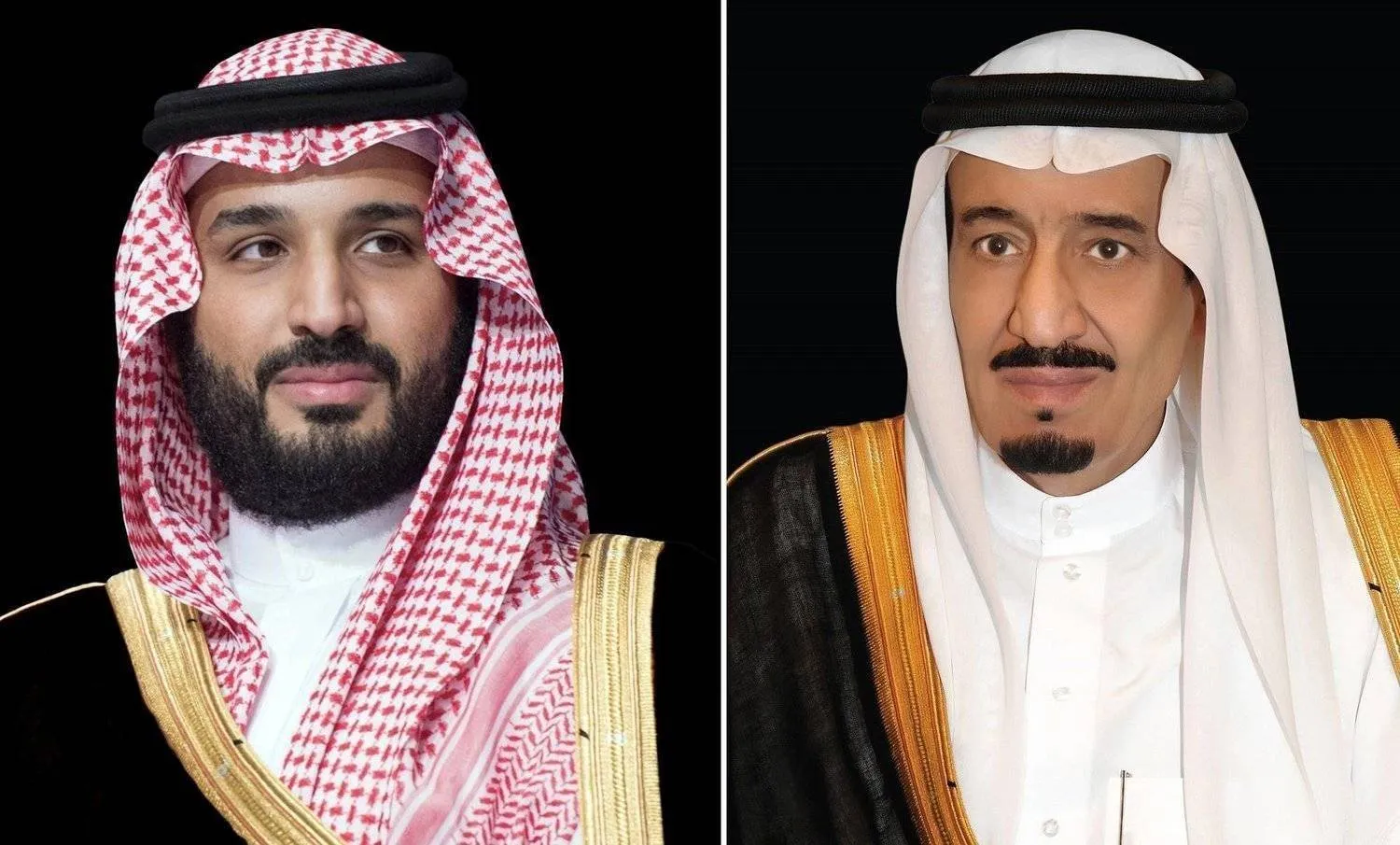
The coalition was announced upon the initiative of Saudi Arabia and was announced by Crown Prince Mohammed bin Salman in December 2015, to unite the efforts of Islamic countries in the face of terrorism.

On Sunday, the Coalition’s defense ministers will hold their first meeting in Riyadh under the theme “Allied against Terrorism,” with the participation of the diplomatic missions accredited to the Kingdom.

During their meeting in Riyadh in March 2016, the Chiefs of Staff of the Islamic States emphasized their determination to intensify their efforts in the fight against terrorism through joint action, depending on each country’s capabilities.

The coalition draws its legitimacy by the participation of the majority of Muslim countries. It also enjoys the support and respect of the international community and seeks to employ local culture to combat terrorism by formulating regional and local solutions.

As for drying up the sources of terrorism, the Coalition cooperates with relevant parties in member states in the fight against terrorist financing, by promoting best practices, developing legal, regulatory and operational frameworks, and facilitating the exchange of information to support the prevention, detection and arrest of terrorist financiers.

The Islamic Military Coalition against Terrorism consists of Afghanistan, Bahrain, Bangladesh, Benin, Burkina Faso, Egypt, Jordan, Kuwait, Senegal, Mali, Mauritania, Niger, Oman, Qatar, Saudi Arabia, Sierra Leone, Somalia, Tunisia, United Arab Emirates and Yemen.


Saudi Arabia 'Disappointed in UAE for Pressuring STC' in Yemen, Says Kingdom's Security a 'Red Line'

A general view of Riyadh, Saudi Arabia. (SPA)
TT

Saudi Arabia 'Disappointed in UAE for Pressuring STC' in Yemen, Says Kingdom's Security a 'Red Line'

A general view of Riyadh, Saudi Arabia. (SPA)

Saudi Arabia expressed on Tuesday its disappointment in the United Arab Emirates for pressuring the Southern Transitional Council to carry out military operations on the Kingdom's southern borders in Yemen's Hadhramaut and Al-Mahra governorates, which it deemed a threat to its national security and the security and stability of Yemen and the region.

A Saudi Foreign Ministry statement said: "The steps taken by the UAE are considered highly dangerous, inconsistent with the principles upon which the Coalition to Restore Legitimacy in Yemen was established, and do not serve the coalition's purpose of achieving security and stability for Yemen."

"The Kingdom stresses that any threat to its national security is a red line, and the Kingdom will not hesitate to take all necessary steps and measures to confront and neutralize any such threat," it declared.

It underscored "its commitment to the security, stability, and sovereignty of Yemen, and affirms its full support to the President of the Presidential Leadership Council and the Yemeni government."

"The Kingdom reaffirms that the Southern cause is a just cause that has historical and social dimensions, and that the only path to resolve it is through dialogue within a comprehensive political solution in Yemen, and among all Yemeni parties including the Southern Transitional Council."

"The Kingdom stresses the importance that the brotherly UAE accept Yemen's request for all its forces to leave Yemen within 24 hours, and halt any military or financial support to any party within Yemen."

"With this regard, the Kingdom hopes that wisdom, the principles of brotherhood, good neighborliness, strong ties among countries of the Gulf Cooperation Council, and the interest of brotherly Yemen, will prevail," it said.

"The Kingdom also hopes that the brotherly UAE will take the necessary steps to preserve bilateral relations between the two brotherly countries, which the Kingdom is keen on strengthening, and continue joint efforts towards all that leads to the wellbeing, prosperity and stability of countries in the region."


Arab Coalition Carries out 'Limited' Airstrike on Military Shipment at Yemen's Mukalla Port

A screengrab shows of the airstrike on Al-Mukalla port. (Arab coalition)
TT

Arab Coalition Carries out 'Limited' Airstrike on Military Shipment at Yemen's Mukalla Port

A screengrab shows of the airstrike on Al-Mukalla port. (Arab coalition)

The Joint Forces Command of the Arab coalition to support legitimacy in Yemen announced that it had carried out a "limited" airstrike targeting a military shipment that had arrived in Yemen's Al-Mukalla port.

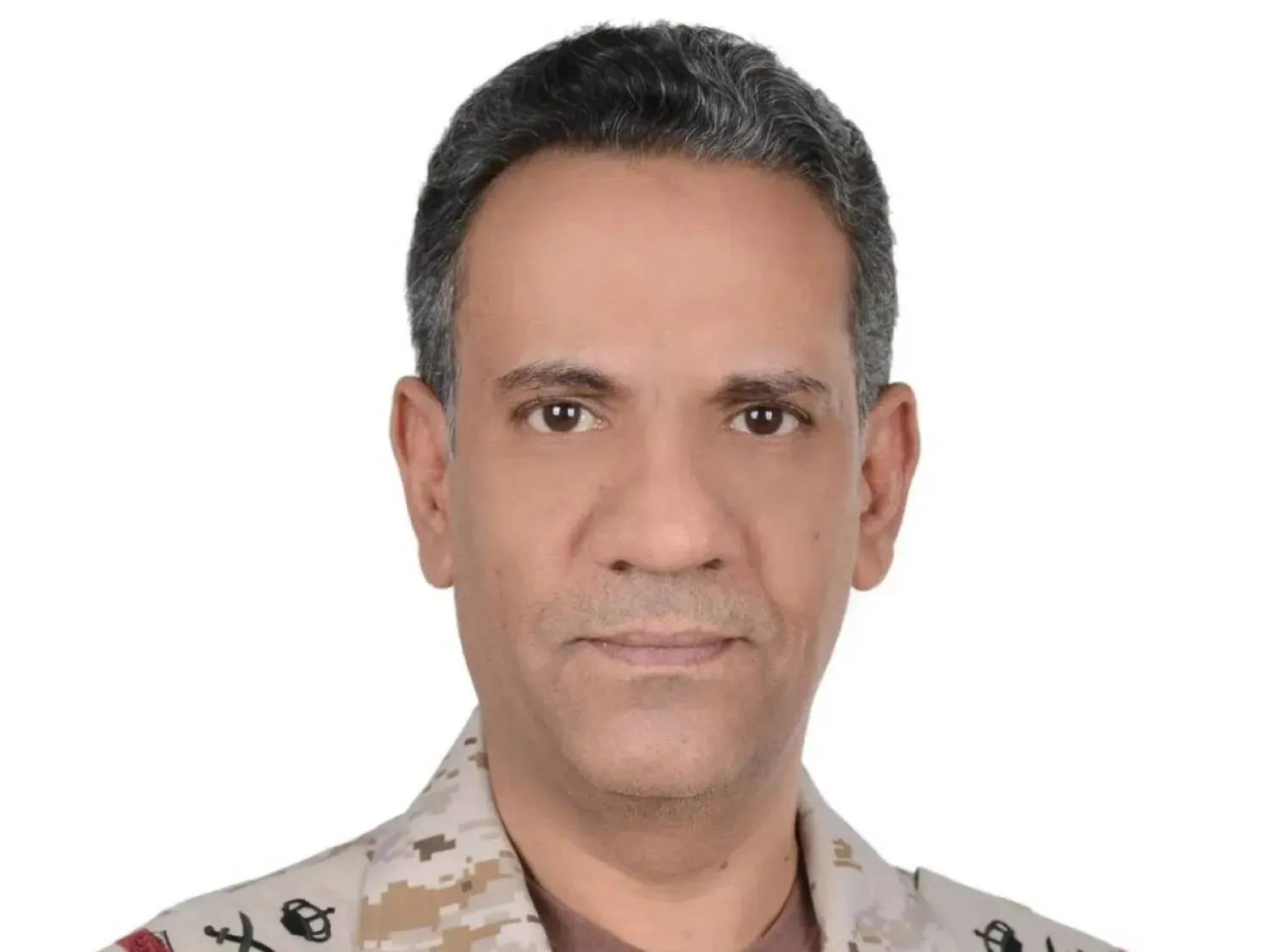
In a statement, coalition spokesman Major General Turki al-Malki said the forces detected on Saturday and Sunday the arrival of two vessels from the Port of Fujairah to Mukalla without obtaining any permits from the Joint Forces Command.

"The crew had disabled the tracking devices aboard the vessels, and unloaded a large amount of weapons and combat vehicles in support of the Southern Transitional Council’s forces in Hadhramaut and Al-Mahra governorates in eastern Yemen," it added.

It described the actions as "flagrant violations" of peace efforts and United Nations Security Council resolution 2216.

In response to a request of the president of the Presidential Leadership Council in Yemen that the coalition "take all necessary military measures to safeguard civilians in Hadhramaut and Mahra and considering that the aforementioned weapons are an imminent threat, and an escalation that threatens peace and stability," the Coalition Air Force conducted on Tuesday a limited airstrike targeting the weapons and military vehicles offloaded in Mukalla.

"The airstrike took place following close surveillance and documentation of the cargo, and was conducted in accordance with the Customary International Humanitarian Law, and in a manner that guarantees no collateral damage."

"The Joint Forces Command of the Coalition will continue its de-escalation and pacification in Hadhramaut and Mahra, and will maintain its blocking of any and all military support from whichever country that does so without coordinating with the legitimate Yemeni Government and the coalition, in order to ensure the success of Saudi Arabia and coalition’s efforts to achieve security and stability, and prevent further expansion of the conflict."


Crown Prince of Kuwait Meets with GCC Secretary-General

Secretary General of the Gulf Cooperation Council Jasem Mohamed Albudaiwi. GCC
TT

Crown Prince of Kuwait Meets with GCC Secretary-General

Secretary General of the Gulf Cooperation Council Jasem Mohamed Albudaiwi. GCC

Kuwaiti Crown Prince Sheikh Sabah Khaled Al-Hamad Al-Sabah met with Secretary-General of the Gulf Cooperation Council (GCC) Jasem Albudaiwi on Monday at the Bayan Palace in Kuwait.

Albudaiwi presented a comprehensive report to Sheikh Sabah regarding Kuwait’s presidency of the 45th session of the GCC Supreme Council, and expressed his appreciation for the generous support and steadfast commitment Kuwait provides to the GCC's journey, SPA reported.

He underscored that such support serves as a powerful catalyst for continued efforts toward achieving greater integration and cooperation, ultimately fostering prosperity and well-being for the GCC member states and their peoples.