The Yemeni government has accused the Houthi group of assassinating one of the country’s most prominent development officials, in a case that has drawn wide attention because of the victim’s stature and his role in leading an important development program.
The accusation was made during talks between Yemeni Interior Minister Maj. Gen. Ibrahim Haidan and European Union Ambassador to Yemen Patrick Simonnet.
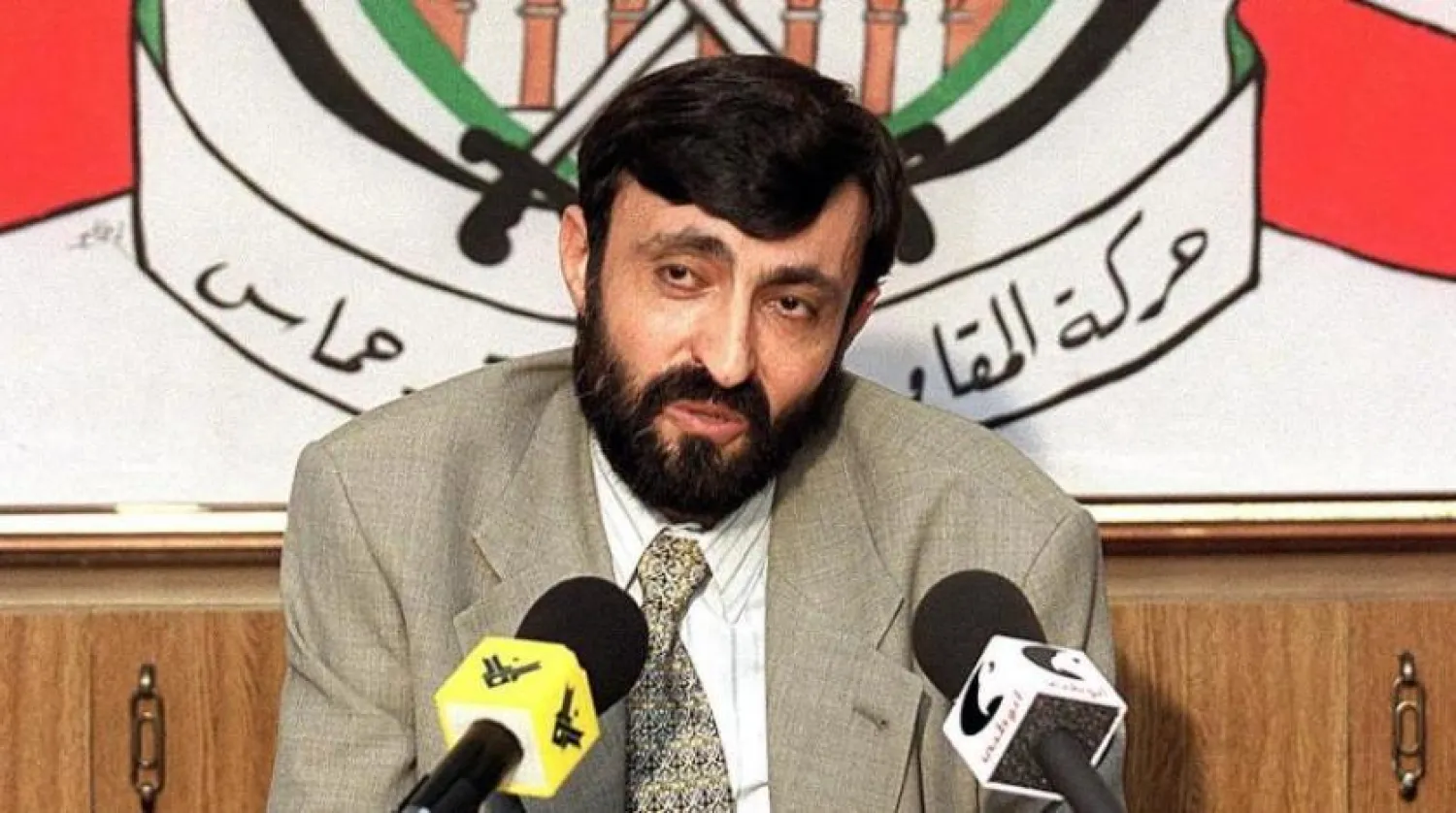
Haidan briefed the ambassador on the latest findings in the investigation into the killing of Wesam Qaid, Acting Executive Director of the Social Fund for Development (SFD), and on the measures taken by security agencies since the incident, according to official media.
The program has worked for decades to support local communities and ease the impact of humanitarian crises.
Haidan said the investigation had led to the arrest of several suspects. He also pointed to evidence that authorities said proved Houthi involvement in planning and carrying out the killing.
The case adds a new dimension to accusations exchanged between the government and the group over the targeting of civilian cadres and workers in humanitarian and development fields.
According to Yemen’s Interior Ministry, the investigation produced what it described as decisive results, prompting authorities to hold the Houthis responsible for the assassination.
Qaid had led an institution that played a central role in carrying out development and service projects across Yemen’s governorates.
Haidan told the EU ambassador that security agencies were continuing to complete the investigation, collect evidence, and pursue those involved. He said the crime could not be separated from the complex security climate Yemen has faced for years.
He also linked the case to the Houthis’ continued detention of a number of United Nations employees and staff from international organizations, saying such practices reflected an escalating pattern of restrictions on humanitarian and development work.
Government circles see the killing as a painful blow to development efforts in Yemen.
The SFD is considered one of the country’s most important institutions, having maintained its work during the years of war and helped provide jobs and improve basic services in the most vulnerable areas.
The assassination case was discussed as part of broader talks on security cooperation between Yemen and the EU. Haidan praised the EU’s support for the Yemeni government and its programs to build the capacity of security agencies.
He said his ministry hoped to expand its partnership with the European Union, particularly in combating illegal migration and cross-border security challenges. He stressed the importance of joint coordination to protect mutual interests and promote stability.
Simonnet, for his part, reiterated EU’s support for Yemen’s Presidential Leadership Council and government. He also confirmed continued cooperation with the Interior Ministry in various security fields to help consolidate security and stability, according to official media.
The support comes as the government seeks to mobilize more international backing to confront worsening security, economic, and humanitarian challenges, amid the continuing conflict and declining international funding for relief and development programs.