From Doubted to Dominator: Paul Pogba’s World Cup Evolution

Paul Pogba has become a leader in the France team and his sumptuous pass for Kylian Mbappé ensured the final would be remembered for some dazzling football. Photograph: Michael Regan - FIFA/Getty Images
TT

From Doubted to Dominator: Paul Pogba’s World Cup Evolution

Paul Pogba has become a leader in the France team and his sumptuous pass for Kylian Mbappé ensured the final would be remembered for some dazzling football. Photograph: Michael Regan - FIFA/Getty Images

If ever there was a time for Paul Pogba to dab and dance, to snapchat and sing to his heart’s content without giving a soul with any sense the opportunity even to tut, this was it. With Moscow’s Luzhniki Stadium his stage, he dabbed with president Macron. He dabbed with his mother and brothers on the pitch. He dabbed with an iconic 36.8cm piece of sculpted gold that means everything in football. A world champion, a scorer of a goal that felt result-defining in the final, a fulcrum for his team, a massive personality revered back home, the only thing missing was a hairdresser on hand to create a World Cup-shaped cut to mark this most glorious of moments.

With Pogba in his exuberant element – the master of social media filming non-stop in the dressing room, on the bus, encouraging all sorts of celebratory flourishes with his band of World Cup-winning brothers – he felt so central to everything about this French generation. During the course of this tournament his status within the group changed, and even for his own teammates it was difficult to articulate exactly what it was and how it happened. But everyone could feel it. “I can tell you that Paul Pogba, I don’t know how and I don’t know from where, has become a leader,” announced Adil Rami. “He proved it to us. He showed it. He’s the one that showed the way. He was the strong man of the France team.”

His evolution during this tournament into a new kind of force for Les Bleus, able to use his power, his presence and his technical skill set with an enhanced sense of responsibility and focus, is symbolic of how this team clicked into serious contenders during their month in Russia.

Pogba being Pogba, when France arrived for this World Cup his role in the side was being debated. Polemics about his more enigmatic characteristics, the search for a way to get him to play his best and how to fit him in the tactical scheme of things, bubbled from the off. The scene was not unfamiliar as Didier Deschamps looked tense when lobbed questions on the subject before a ball had even been kicked or an anthem sung.

Kazan. France’s opening group game against Australia was not particularly convincing. The team labored. They lacked creativity and cohesion. Still, Pogba influenced the outcome more than most. A clever through-ball opened the game up to produce a penalty for their first goal – an assist of sorts – before he prompted and finished the move for the winner (later given as an own goal). Post-match the Pogba inquisition started anew, prompting him to defend himself by batting away the negative vibes.

“I am less entitled to make mistakes than others,” he mused. “I went from the biggest transfer in the world to the most criticised player in the world. Criticism is always here. When I was little, with my friends we always used to take the piss out of each other, saying: ‘You were good, you were bad.’ It’s about what happens on the pitch and I treat the criticism like I did when I was playing on the block as a kid. I never listen to it. I’m having fun and that’s the only answer I can give to all those people who criticise me or who think I am this or that.”

Into the knockouts Pogba became more and more influential. The critics in general grew quieter and quieter. Against Argentina he enjoyed himself as France glided through the creative gears. Against Uruguay he helped his team to control the game and minimize pressure. Against Belgium he was strong and disciplined, supporting the defensive work with a mix of aggression and diligence. Pogba showed many facets to his game, able to do what was needed in different situations.

The connections he was making on the pitch became stronger. His bond with N’Golo Kanté flourished as a central midfield pair, though it was less effective in the final when Kanté strained to be his usual self. His instinctive understanding with Kylian Mbappé, as exemplified by that ravishing goal when they combined brilliantly as the teenager bounded on to Pogba’s sumptuous pass to ensure the final is remembered for some dazzling football as well as the strokes of first-half luck, is another major plus France take home from this tournament. As souvenirs go, a goal and an assist from that period of play will rightly be cherished by Pogba.

15 July. There was Pogba’s face, illuminating one of the uprights of the Arc de Triomphe alongside the face of Zinedine Zidane adorning the other. For Pogba this is a powerful thing, linked to his own memories of the 1998 World Cup winners which is entwined with his love for his late father, Fassou Antoine. “I think about 1998, when I watched a videotape of the World Cup with my father, at home, on repeat,” he said. “We would watch it the entire time. Now I am a world champion. I miss my father. He is watching us. I think he would be very proud. This is for him.”

In the aftermath of it all Rio Ferdinand, with his Manchester United hat on, was quick to point to the challenge for his club to find a way to allow this version of Pogba, a more consistent dominator, to shine more at Old Trafford. But that is for another day. For now Pogba can deservedly express his French happiness any way he likes.

(The Guardian)


South Africa Chooses Durban as Its Preferred City to Host 2036 or 2040 Olympics

TT

South Africa Chooses Durban as Its Preferred City to Host 2036 or 2040 Olympics

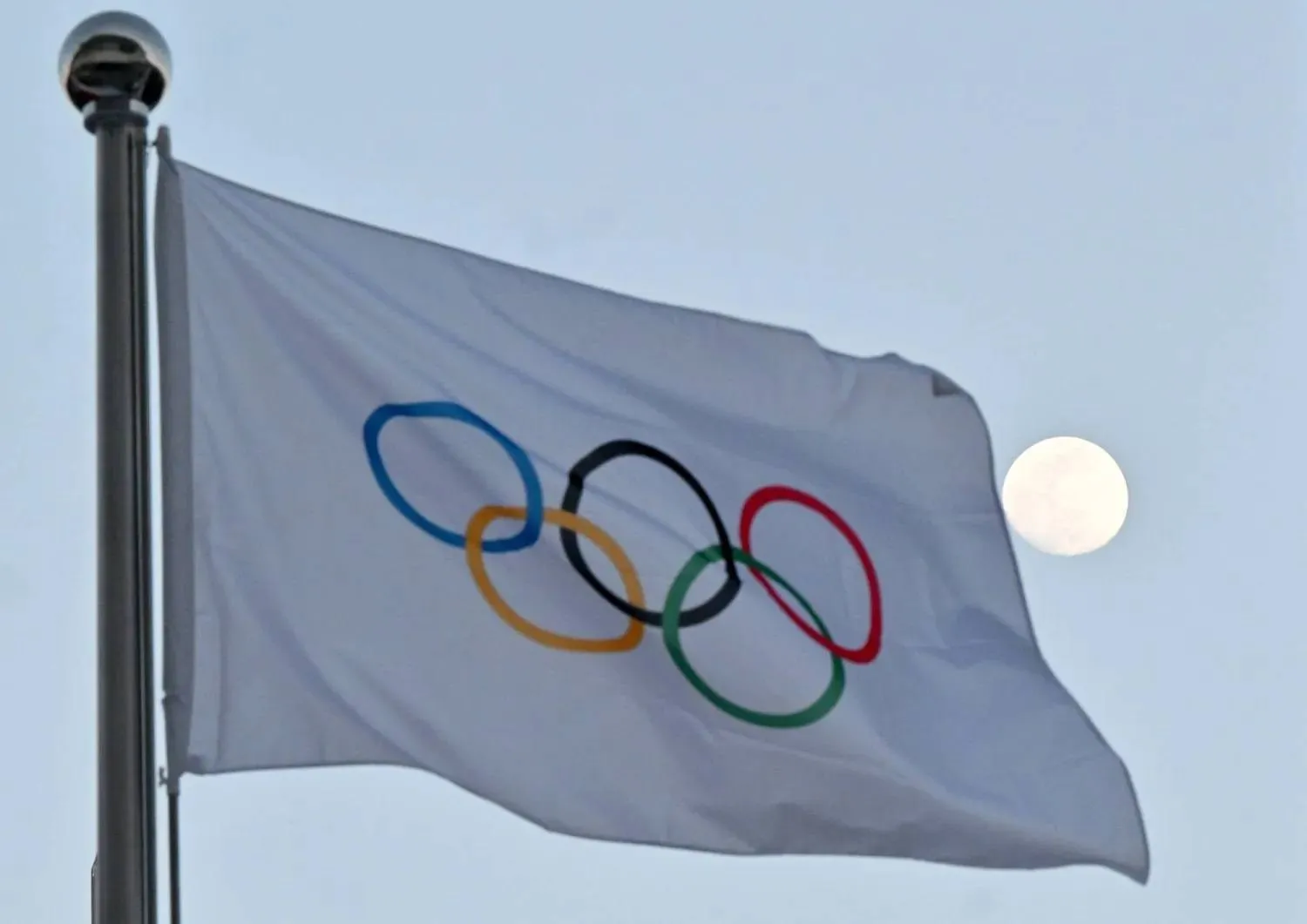
Durban is South Africa 's preferred candidate to host the first Olympics in Africa.

South Africa is bidding to host the 2036 or 2040 Summer Olympics and Paralympics. The International Olympic Committee will choose the host city for 2036 in mid-2029.

The country's choice to put forward Durban, South Africa's third biggest city, was announced by South African Olympic committee acting president Lwandile Simelane on Thursday. She said Durban would be the main candidate city for South Africa's bid, but it would likely be a “multi-city bid” that would propose some events are held in other cities.

South Africa's economic hub of Johannesburg and Cape Town were also considered as the candidate city, The Associated Press said.

Durban, a city of around 4 million on the subtropical Indian Ocean coast, was touted as a possible Olympic host city more than a decade ago following South Africa's staging of the 2010 soccer World Cup, the first in Africa. But an official bid didn't materialize then, largely due to concerns over costs.

The city was stripped of hosting the 2022 Commonwealth Games because it couldn't make financial or other guarantees required for that event.

Officials said on Thursday they were not yet able to provide any estimates regarding how much it might cost South Africa to stage the Olympics if its bid was successful. They said Durban's bid would be centered on the 56,000-seat Moses Mabhida Stadium, which was built for the 2010 World Cup.

South Africa is among seven countries bidding for the 2036 Games. The others are India, Qatar, South Korea, Germany, Hungary and Türkiye.

The IOC gave Oct. 31 as the deadline for national Olympic committees to formally declare their interest in bidding for the 2036 Games.

Candidates have an opportunity to make virtual presentations to the IOC next month to start the official bidding process. A key date is in March, the IOC has said, when its board will approve a shortlist of candidates.

South Africa would be a first African host of the Summer Games since the modern Olympics was created in 1896 if it wins. Africa's biggest economy previously failed with a bid to stage the 2004 Games in Cape Town.

The Youth Olympics open this weekend in Dakar, Senegal, marking the first Olympic sports event to be held in Africa.


MLS Announces Key 2027 'Sprint Season' Matches Ahead of Calendar Shift

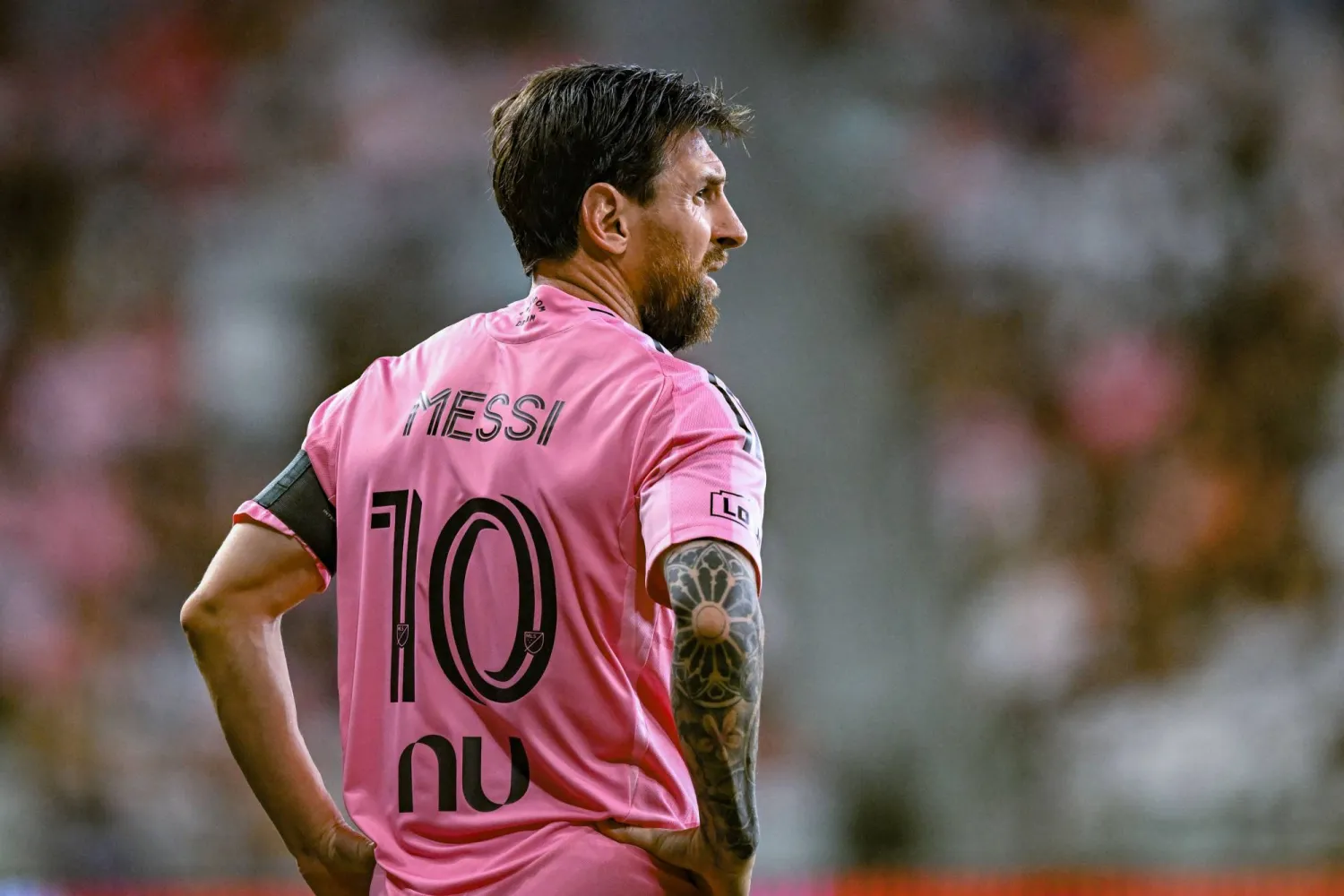
Inter Miami's Argentine forward #10 Lionel Messi looks on during a Major League Soccer (MLS) regular season football match between Inter Miami CF and FC Cincinnati at Nu Stadium in Miami, Florida, on October 28, 2026. (Photo by Giorgio VIERA / AFP)
TT

MLS Announces Key 2027 'Sprint Season' Matches Ahead of Calendar Shift

Inter Miami's Argentine forward #10 Lionel Messi looks on during a Major League Soccer (MLS) regular season football match between Inter Miami CF and FC Cincinnati at Nu Stadium in Miami, Florida, on October 28, 2026. (Photo by Giorgio VIERA / AFP)

Lionel Messi's Inter Miami will kick off Major League Soccer's 2027 "Sprint Season" when they face Cincinnati on February 19, launching the league's transition to a traditional autumn-to-spring calendar.

The standalone match at Nu Stadium in Miami will begin a truncated 14-game regular season and playoff tournament designed to bridge the gap as MLS shifts away from its traditional summer schedule to align with Europe's top leagues.

The schedule, previewed on Apple TV's "MLS Countdown," emphasizes weekly rivalry ⁠matchups. Among the ⁠headline games announced, LA Galaxy will host Los Angeles FC on April 10 in the "El Trafico" derby.

The sprint season will conclude its regular-season slate on May 8 with "Decision Day," anchored by the Hudson River Derby between New York ⁠City FC and the New York Red Bulls, setting the stage for the May playoffs.

The four-month sprint serves as the prelude to the league's full operational shift. The first standard season under the new timetable will run from mid-to-late July 2027 through May 2028, featuring a midwinter break and no matches in January.

MLS Commissioner Don Garber previously called the calendar change "one of the ⁠most ⁠important decisions in our history,” Reuters reported.

The strategic overhaul was approved following a two-year review to synchronize the league's transfer activity with the global summer window, minimize scheduling conflicts with FIFA's international fixtures, and hold the MLS Cup playoffs in May when the North American sports calendar is less crowded.

US men's national team coach Mauricio Pochettino is among those who have endorsed the change, noting that calendar alignment with the global soccer landscape will benefit clubs, coaches, and player development.


Rybakina Clinches Year-end Top Ranking with Tokyo Second-round Win

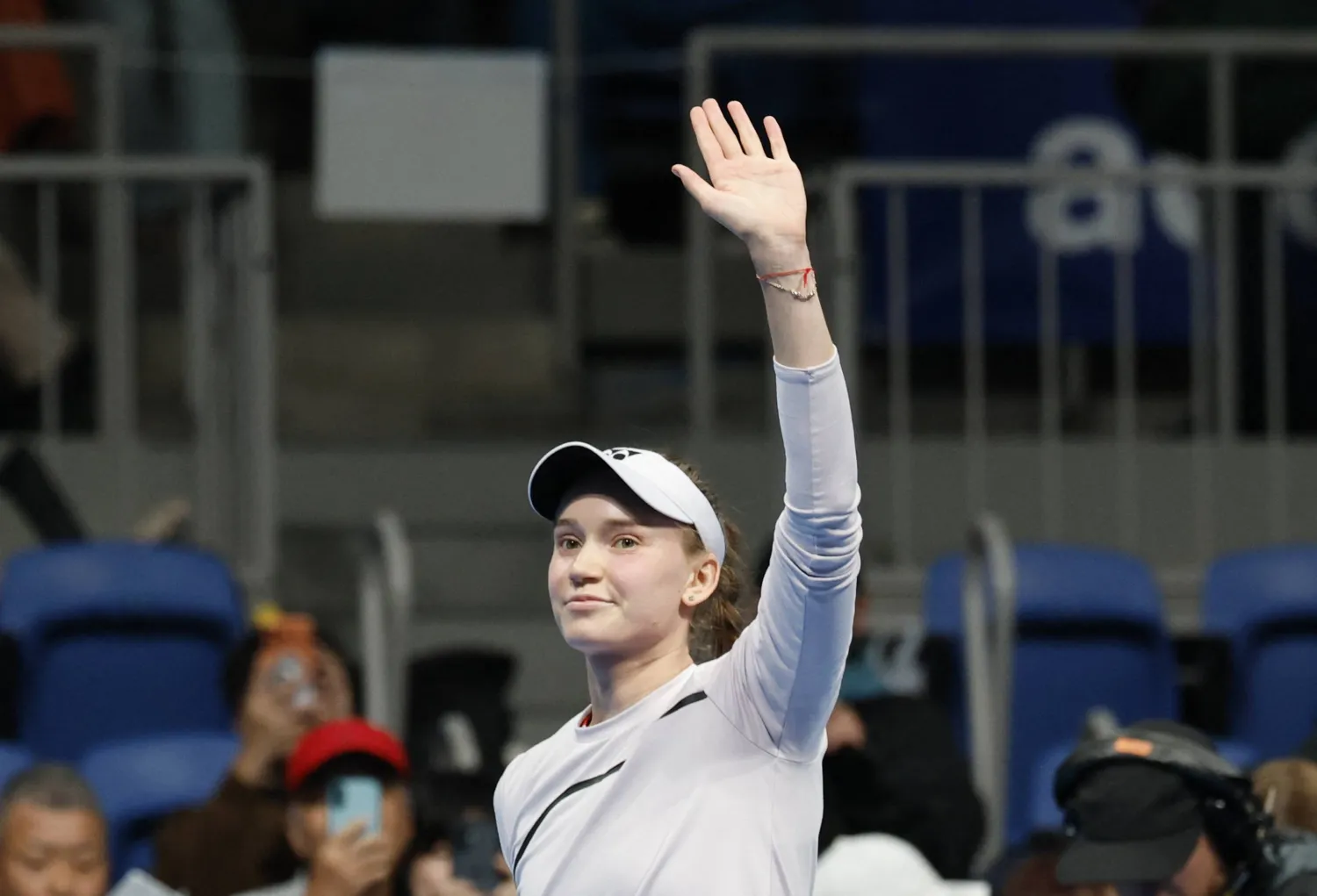
Tennis - WTA 500 - Pan Pacific Open - Ariake Coliseum, Tokyo, Japan - October 29, 2026 Kazakhstan's Elena Rybakina celebrates after winning her round of 16 match against Kazakhstan's Yulia Putintseva REUTERS/Kim Kyung-Hoon
TT

Rybakina Clinches Year-end Top Ranking with Tokyo Second-round Win

Tennis - WTA 500 - Pan Pacific Open - Ariake Coliseum, Tokyo, Japan - October 29, 2026 Kazakhstan's Elena Rybakina celebrates after winning her round of 16 match against Kazakhstan's Yulia Putintseva REUTERS/Kim Kyung-Hoon

Elena Rybakina beat fellow Kazakh Yulia Putintseva 6-2 6-3 in the second round of the Pan Pacific Open in Tokyo on Thursday to secure the year-end world number one ranking for the first time, more than a week before the season-ending WTA Finals.

Rybakina received a bye into the last 16 of the WTA 500 event in Tokyo and arrived at the Ariake Coliseum after capturing her fourth ⁠title of the ⁠season and first as the top-ranked player at last week's Ningbo Open in China.

The 27-year-old, who rose to world number one for the first time en route to winning the US Open last month, ⁠needed only one more victory this year to ensure that world number two Aryna Sabalenka could not overtake her.

Rybakina is enjoying a marquee year with wins at the Australian Open and US Open to take her Grand Slam tally to three, after winning Wimbledon four years ago.

Rybakina next faces Leylah Fernandez in a rematch of their Ningbo final, ⁠after ⁠the Canadian beat Elise Mertens 6-2 7-6(8), Reuters reported.

Rybakina endured a brief dip after her US Open triumph, losing her opening match in Beijing and missing the Wuhan Open due to a leg injury, before defending her title in Ningbo.

She is targeting a 16th career title before heading to Indian Wells, California, for the WTA Finals, where the season's top eight players will compete from November 8-15.