After Defeating Terrorists, Saudi Arabia Completes 30% of Awamiyah Renovation Plan

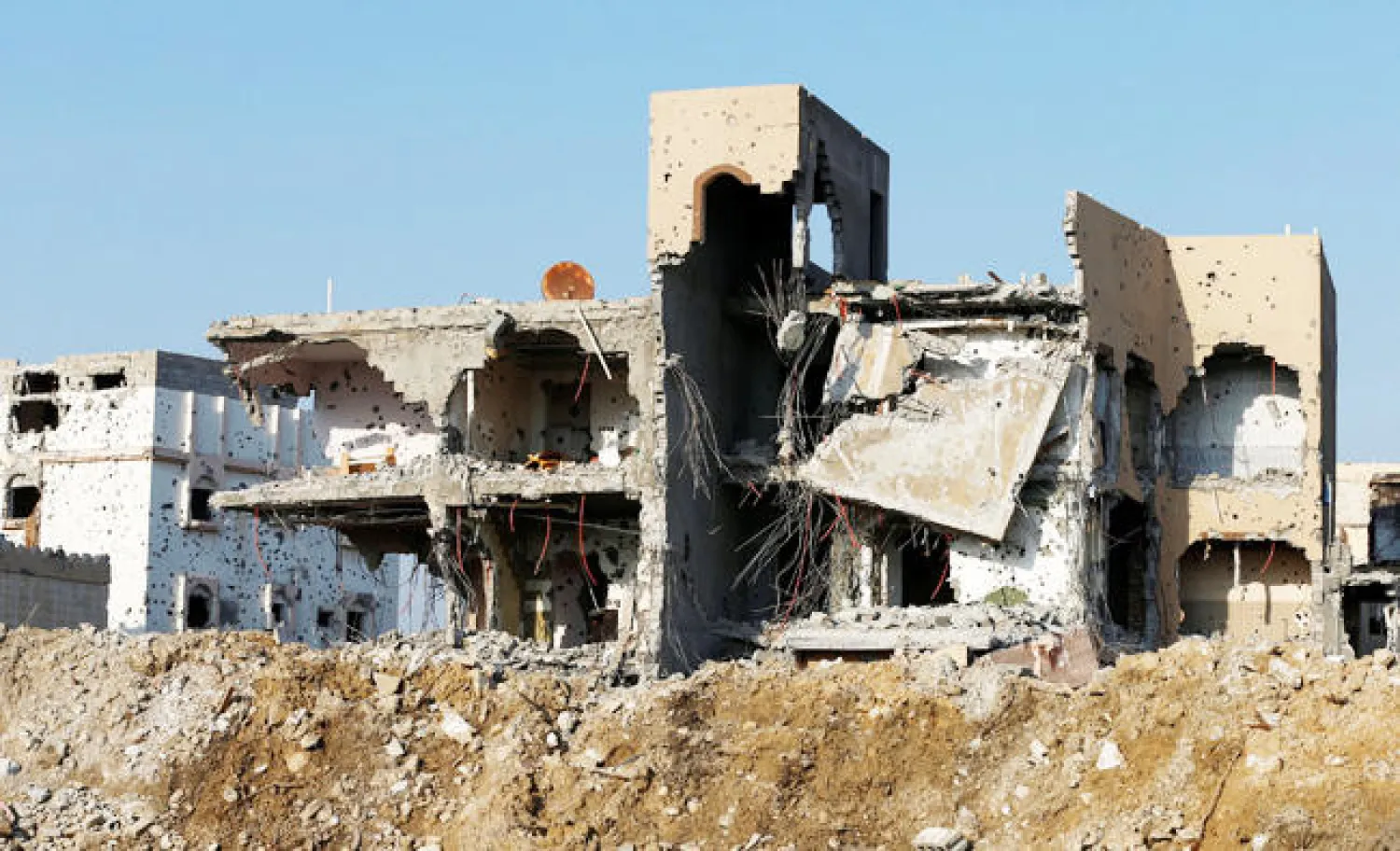
Remains of buildings are seen following a security campaign in the town of Awamiya, in the eastern part of Saudi Arabia, in this August 9, 2017 photo. (REUTERS)
TT

After Defeating Terrorists, Saudi Arabia Completes 30% of Awamiyah Renovation Plan

Remains of buildings are seen following a security campaign in the town of Awamiya, in the eastern part of Saudi Arabia, in this August 9, 2017 photo. (REUTERS)

One year after Saudi forces confronted armed riots in the eastern coastal village, al-Awamiyah, the town is witnessing reconstruction projects. According to the Saudi government, the renovation plans aim at transforming the rubbles of old houses, once a hub for fugitives, into a modern township.

Al Masoura project reflects the government's resolve to help residents overcome the tough experience they underwent because of armed groups and to provide an environment adequate for residential activity that combines local, cultural and economic heritage.

Eastern Province Municipality announced Monday that Saudi Arabia finished around 30 percent of the infrastructure and renovation works of the Awamiyah township, over a span of 180,000 square meters and a cost of SAR238 million (USD63.5 million).

Saud Bin Nayef, the Governor of the Eastern Province, had laid the cornerstone of the project in February to develop the center of Awamiyah, previously known as Masoura.

Masoura is the old town of Awamiyah, which was taken as a shelter by armed outlaws. The town was demolished and the owners were compensated. Its development consists of establishing a number of buildings including towers, a commercial center and a heritage center.

The heritage center represents the heart of the project; it consists of three buildings and includes a library and conferences and exhibitions hall.


Saudi Arabia Strongly Condemns Iranian Drone Attacks on Bahrain

A view of the Saudi capital, Riyadh. (SPA file)
TT

Saudi Arabia Strongly Condemns Iranian Drone Attacks on Bahrain

A view of the Saudi capital, Riyadh. (SPA file)

Saudi Arabia strongly condemned on Saturday the Iranian drone attacks against Bahrain earlier in the day.

In a statement, the Foreign Ministry said that Saudi Arabia stresses its categorical rejection of these attacks as a violation of international law and the Charter of the United Nations.

It reiterates that such violations undermine international efforts to restore security and stability in the region.

The ministry added that Saudi Arabia further renews its solidarity with Bahrain and its full support for all measures it takes to safeguard its sovereignty, security, and stability.


Bahrain Condemns Iran Drone Attack against it, Says Reserves Right to Defend Itself

Bahrain Condemns Iran Drone Attack against it, Says Reserves Right to Defend Itself
TT

Bahrain Condemns Iran Drone Attack against it, Says Reserves Right to Defend Itself

Bahrain Condemns Iran Drone Attack against it, Says Reserves Right to Defend Itself

Bahrain’s Foreign Ministry condemned on Saturday Iran’s drone attack against the kingdom, saying it was a violation of its sovereignty and international treaties and norms and a threat to its citizens and residents.

Bahrain said Iran launched a drone attack on the kingdom just after Tehran said it targeted American military installations to retaliate for overnight airstrikes.

The ministry held Tehran solely responsible for undermining peace efforts, saying the attack reflects an approach based on destabilizing security and stability in the region.

Bahrain stressed that peace cannot be achieved through threats or the use of force, adding that its unity is stronger than any threat and will not be affected by the continued attacks.

The ministry added that the attack is a “direct challenge” to the international will, pointing out that Iran had pledged, under the Islamabad Memorandum of Understanding signed on June 17, to permanently cease military operations and respect the sovereignty of the countries of the region, considering that the attack reveals its lack of commitment to those pledges.

Bahrain stressed that it retains its right to defend its sovereignty, security, and stability, in line with international law, calling on the United Nations Security Council to fulfill its responsibilities, ensure the implementation of its resolution, and hold the aggressor accountable.


Saudi Arabia Regulates Management of Assets Seized in Money Laundering, Terrorism Financing Cases

Hamad Al Sheikh, Minister of State, Member of the Council of Ministers, and Chairman of the Board of the Commission for the Guardianship of Trust Funds of Minors and Their Counterparts. (SPA)
TT

Saudi Arabia Regulates Management of Assets Seized in Money Laundering, Terrorism Financing Cases

Hamad Al Sheikh, Minister of State, Member of the Council of Ministers, and Chairman of the Board of the Commission for the Guardianship of Trust Funds of Minors and Their Counterparts. (SPA)

Saudi Arabia has approved a new law governing the preservation and management of seized assets, aiming to protect them from misuse, concealment, or damage while safeguarding public and private interests and supporting the Kingdom’s economic and social development.

Hamad Al Sheikh, Minister of State, Member of the Council of Ministers, and Chairman of the Board of the Commission for the Guardianship of Trust Funds of Minors and Their Counterparts, said the Cabinet’s approval of the Law on the Management of Assets Seized and Confiscated in Money Laundering, Predicate Offenses, and Terrorism Financing Cases reflects the leadership’s commitment to strengthening the judicial and regulatory framework, improving government efficiency, and reinforcing governance and transparency.

Al Sheikh said the law protects rights, boosts confidence in government institutions, and supports the goals of Saudi Vision 2030 by establishing a comprehensive legal framework for managing seized and confiscated assets.

It defines the law’s scope, identifies the authorities responsible for implementation, and sets out the legal and procedural rules governing asset preservation and management.

He added that the legislation will improve the management of seized assets, maximize their economic value, enhance spending efficiency, protect public resources, and strengthen the Kingdom’s legal and investment environment.

It also promotes justice and transparency, safeguards the rights of individuals and stakeholders, and supports sustainable development and quality of life.

According to Al Sheikh, the law aligns with international best practices and demonstrates Saudi Arabia’s commitment to the standards of the Financial Action Task Force (FATF), reinforcing the Kingdom’s global standing in governance and institutional management.

Published in the official gazette, the 15-article law assigns the Authority responsibility for preserving and managing seized assets upon a court order and at the request of the competent authority.

Its board may set management policies, hire specialized Saudi public or private entities to manage assets requiring technical expertise, and open dedicated accounts at the Saudi Central Bank or licensed banks to hold seized funds.