


Houthi Leadership Frayed by Internal Quarrels, Regional Condemnation

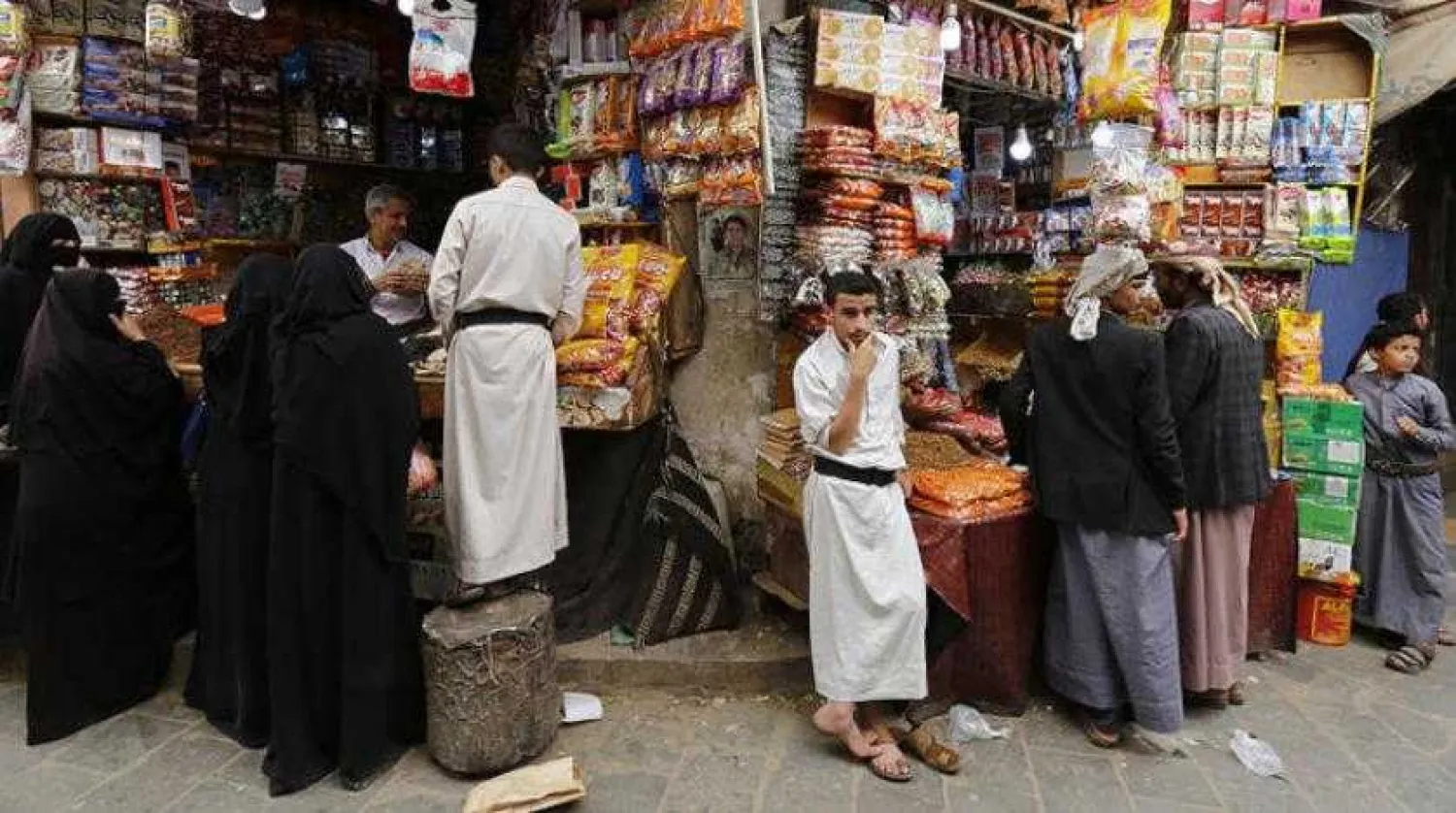
Yemenis to be held in Sanaa in preparation for Eid al-Fitr under difficult security and living conditions (EPA)
TT

Houthi Leadership Frayed by Internal Quarrels, Regional Condemnation

Yemenis to be held in Sanaa in preparation for Eid al-Fitr under difficult security and living conditions (EPA)

After receiving fierce condemnation in three Makkah summits in Saudi Arabia, Houthi militias in Yemen not only found themselves isolated from Arab and Muslim countries, but also closer to their regional backer, Iran. Amid rising tensions, Houthis are also threatened with dissolution as internal squabbling seems to peak to new heights.

Whilst convening for an emergency meeting, the Houthi self-proclaimed government in Sanaa was stripped bare before political analysts who were able to spot strong rivalries and deep divisions within the coup leadership.

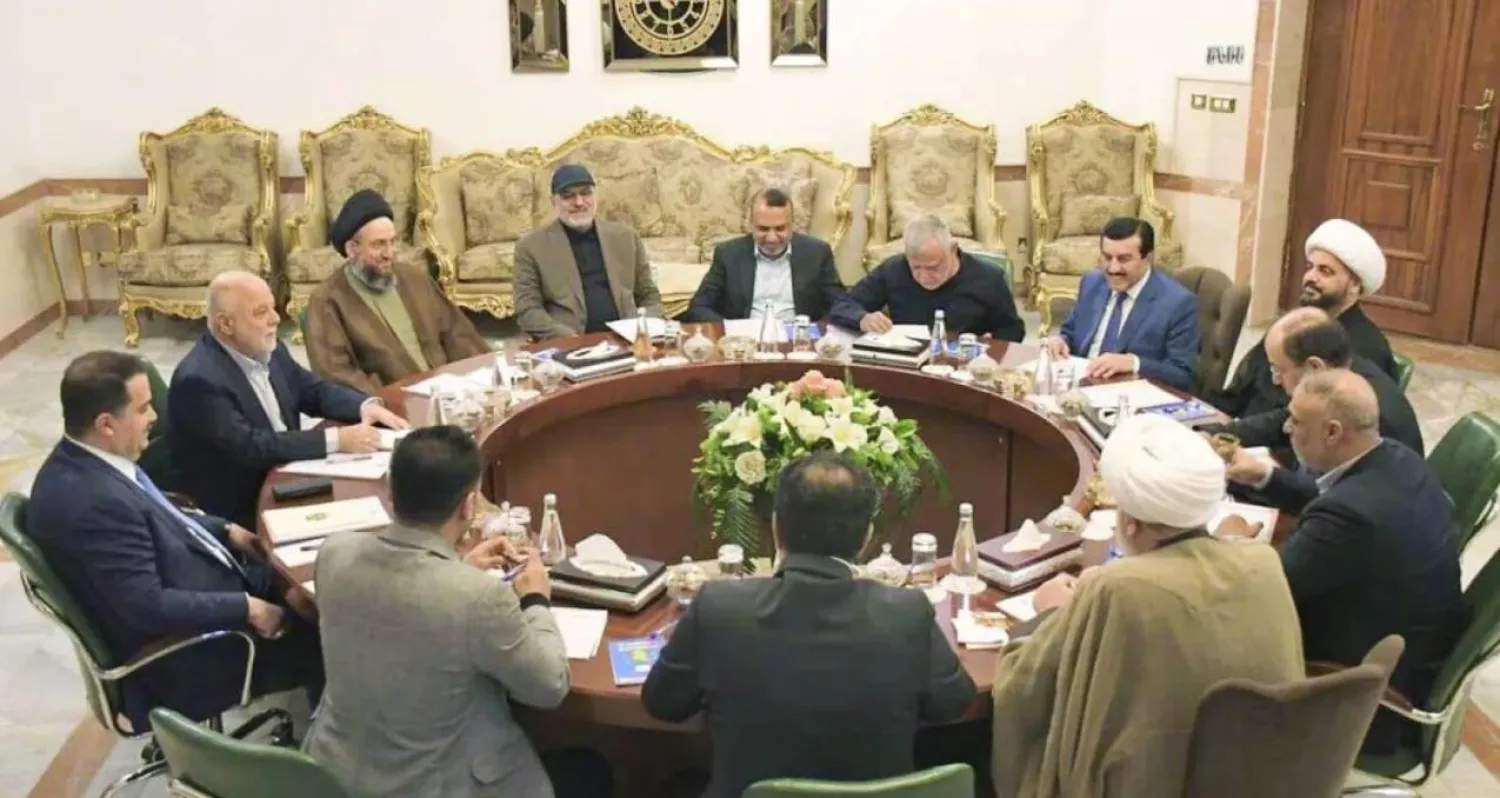
The meeting was headed by Mohammed Ali al-Houthi, the Houthi movement leader’s cousin, not Mahdi al-Mashat, who was appointed as the group’s president to the so-called Supreme Political Council.

A photo was published showing Mohammed Ali al-Houthi, 39, heading the council despite senior coup members and ministers attending. Removing Mashat from the picture, according to well-informed sources, suggests a widening rift among Houthi ranks.

Many observers suggest that Mashat was downgraded due to the insurgency’s policy to maintain lineage when it comes to leadership positions. This means only members belonging to al-Houthi family, after which the Houthi movement was named, will be allowed to hold decision-making positions.

Many warn that Mashat’s absence from the meeting also indicates the young politician’s nearing termination within the Houthi group.

During the meeting, al-Houthi vowed to scale up military offensives across the country tattered by war, and promised to reboot drone and rocket cross-border attacks targeting Saudi Arabia.

The coup meeting, which was rushed to retaliate against condemnation Houthis faced at the three Makkah summits, stressed the strong ties shared between Houthis and the Lebanon-based Hezbollah.

Both backed by Iran, Houthis and Hezbollah have co-conducted operations and are believed to retain some level of regional coordination.

More so, the Houthi meeting released a communique saying that the militia categorically rejects withdrawing from the strategic Red Sea port city of Hodeidah, which was a key condition in a UN-brokered ceasefire agreement last December.

Yemeni politicians rule out that Houthis will ever be serious about establishing peace without losing significant military levers they are pulling. Peace planners suggested that if Houthis redeploy from or are defeated in Hodeidah and the rest of Yemen's western coast they could be pressured into complying with international peace efforts.



EU Condemns Israel's West Bank Control Measures

The Israeli settlement of Har Homa, seen from the West Bank city of Bethlehem, Tuesday, Dec. 17, 2024. (AP)
TT

EU Condemns Israel's West Bank Control Measures

The Israeli settlement of Har Homa, seen from the West Bank city of Bethlehem, Tuesday, Dec. 17, 2024. (AP)

The European Union on Monday condemned new Israeli measures to tighten control of the West Bank and pave the way for more settlements in the occupied Palestinian territory, AFP reported.

"The European Union condemns recent decisions by Israel's security cabinet to expand Israeli control in the West Bank. This move is another step in the wrong direction," EU spokesman Anouar El Anouni told journalists.


Atrocities in Sudan's El-Fasher Were 'Preventable Human Rights Catastrophe'

Sudanese displaced people who left El Fasher after its fall, sit in the shade in Tawila at the Rwanda camp reception point on December 17, 2025. (Photo by AFP)
TT

Atrocities in Sudan's El-Fasher Were 'Preventable Human Rights Catastrophe'

Sudanese displaced people who left El Fasher after its fall, sit in the shade in Tawila at the Rwanda camp reception point on December 17, 2025. (Photo by AFP)

The atrocities unleashed on El-Fasher in Sudan's Darfur region last October were a "preventable human rights catastrophe", the United Nations said Monday, warning they now risked being repeated in the neighbouring Kordofan region.


"My office sounded the alarm about the risk of mass atrocities in the besieged city of El-Fasher for more than a year ... but our warnings were ignored," UN rights chief Volker Turk told the Human Rights Council in Geneva.


He added that he was now "extremely concerned that these violations and abuses may be repeated in the Kordofan region".


Arab League Condemns Israel's Decisions to Alter Legal, Administrative Status of West Bank

A general view shows the opening session of the meeting of Arab foreign ministers at the Arab League Headquarters (Reuters)
TT

Arab League Condemns Israel's Decisions to Alter Legal, Administrative Status of West Bank

A general view shows the opening session of the meeting of Arab foreign ministers at the Arab League Headquarters (Reuters)

The General Secretariat of the Arab League strongly condemned decisions by Israeli occupation authorities to impose fundamental changes on the legal and administrative status of the occupied Palestinian territories, particularly in the West Bank, describing them as a dangerous escalation and a flagrant violation of international law, international legitimacy resolutions, and signed agreements, SPA reported.

In a statement, the Arab League said the measures include facilitating the confiscation of private Palestinian property and transferring planning and licensing authorities in the city of Hebron and the area surrounding the Ibrahimi Mosque to occupation authorities.

It warned of the serious repercussions of these actions on the rights of the Palestinian people and on Islamic and Christian holy sites.

The statement reaffirmed the Arab League’s firm support for the legitimate rights of the Palestinian people, foremost among them the establishment of their independent state on the June 4, 1967 borders, with East Jerusalem as its capital.