


Saudi Arabia Ranks 3rd Fastest Emissions Reducer Among G20 Countries

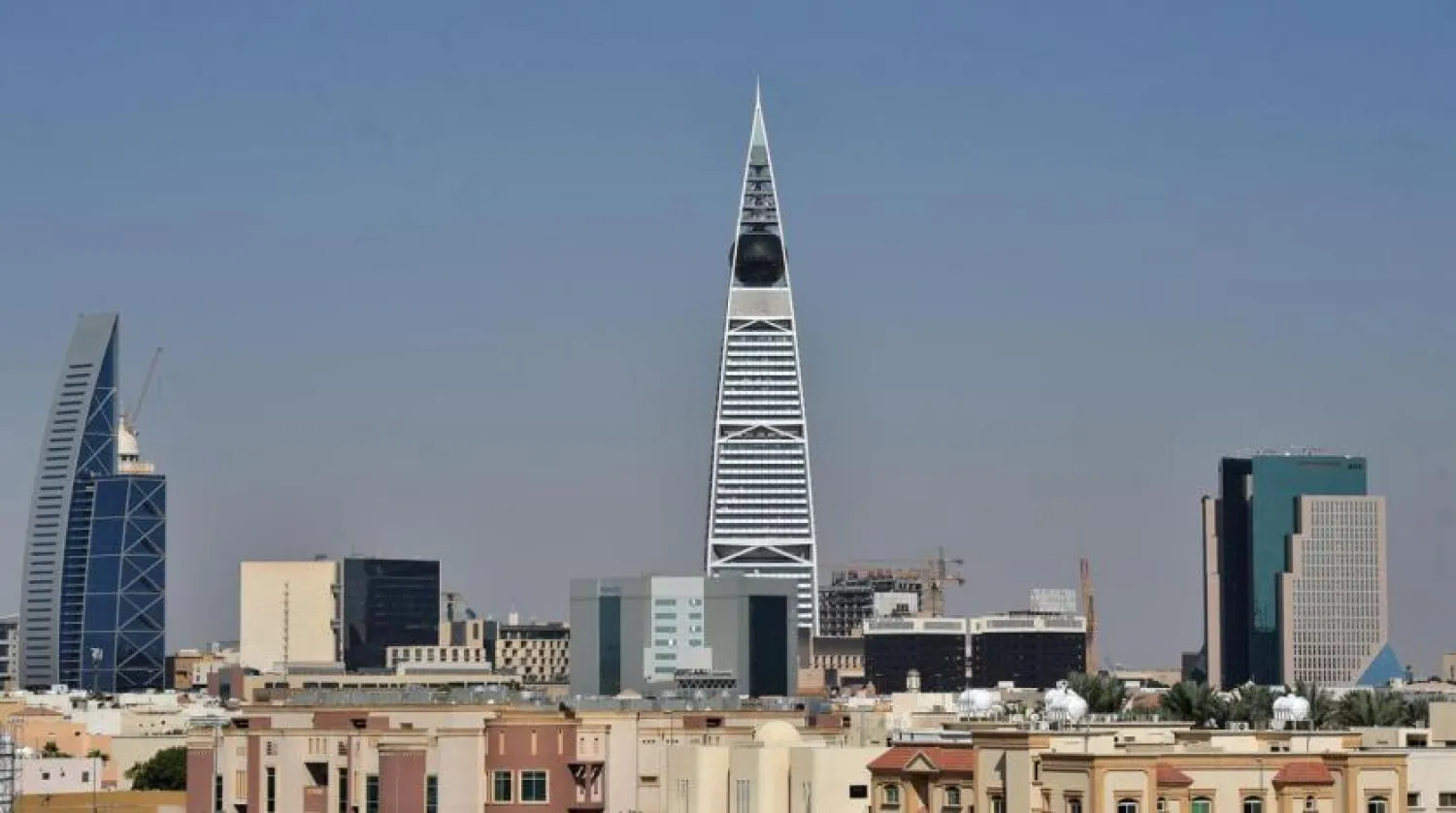
Riyadh general view (File photo: AFP)
TT

Saudi Arabia Ranks 3rd Fastest Emissions Reducer Among G20 Countries

Riyadh general view (File photo: AFP)

Saudi Arabia came in third among the G20 group in reducing emissions from fuel consumption, after recording a 4.4 percent decrease in the country’s emissions until 2018.

Saudi’s data showed a 4.4 percent or 26 million tons fall in emissions, down from 579 metric tons of carbon dioxide (MtCO2) in 2017 to 553 MtCO2 in 2018.

Previous estimates had put the reduction at 2.4 percent equivalent to 15 MtCO2, according to an analysis published by King Abdullah Petroleum Studies and Research Center (KAPSARC).

KAPSARC noted that Saudi Arabia moved up from being fourth to the third-fastest reducer of emissions from fuel consumption among the G20 group of countries, behind Brazil and France and ahead of Germany and Japan, which round out the top five.

Researcher Nicholas Howarth said that this reduction comes as Saudi Arabia hosts the G20 where climate change is a priority agenda item, adding that this allows the Kingdom to exhibit leadership on the issue.

“This new data shows that the impact of energy efficiency and energy price reforms in reducing wasteful energy use has been even greater than expected,” noted Howarth.

He indicated that prior to 2016, CO2 emissions grew at over 5 percent each year.

The analysis showed that the rate of improvement in the energy intensity of Saudi Arabia’s economy was 5.5 percent in 2018, well above the global average of 1.2 percent.

Expert Alessandro Lanza also explained that falling energy intensity was responsible for 81 percent of the emissions reductions, meaning more value is being created for every unit of energy consumed locally.

Researcher Thamer al-Shehri said that three factors led to the sharp fall in low carbon emissions and diesel consumption.

The study showed that emissions from the transport sector fell by an extra 10 MtCO2 due to diesel emissions falling by 19 MtCO2, or 43 percent, from 43.5 MtCO2 in 2017 to 24.5 MtCO2 in 2018.

KAPSARC is a non-profit institution for independent research into global energy economics. It develops economic frameworks to help achieve effective alignment between energy policy objectives and outcomes.

The center is working to advance the understanding of energy economics and to act as a catalyst for dialogue, charting a path to better welfare for societies, locally and globally.


US-Gulf Draft UN Resolution to Hold Iran Accountable over Hormuz Closure

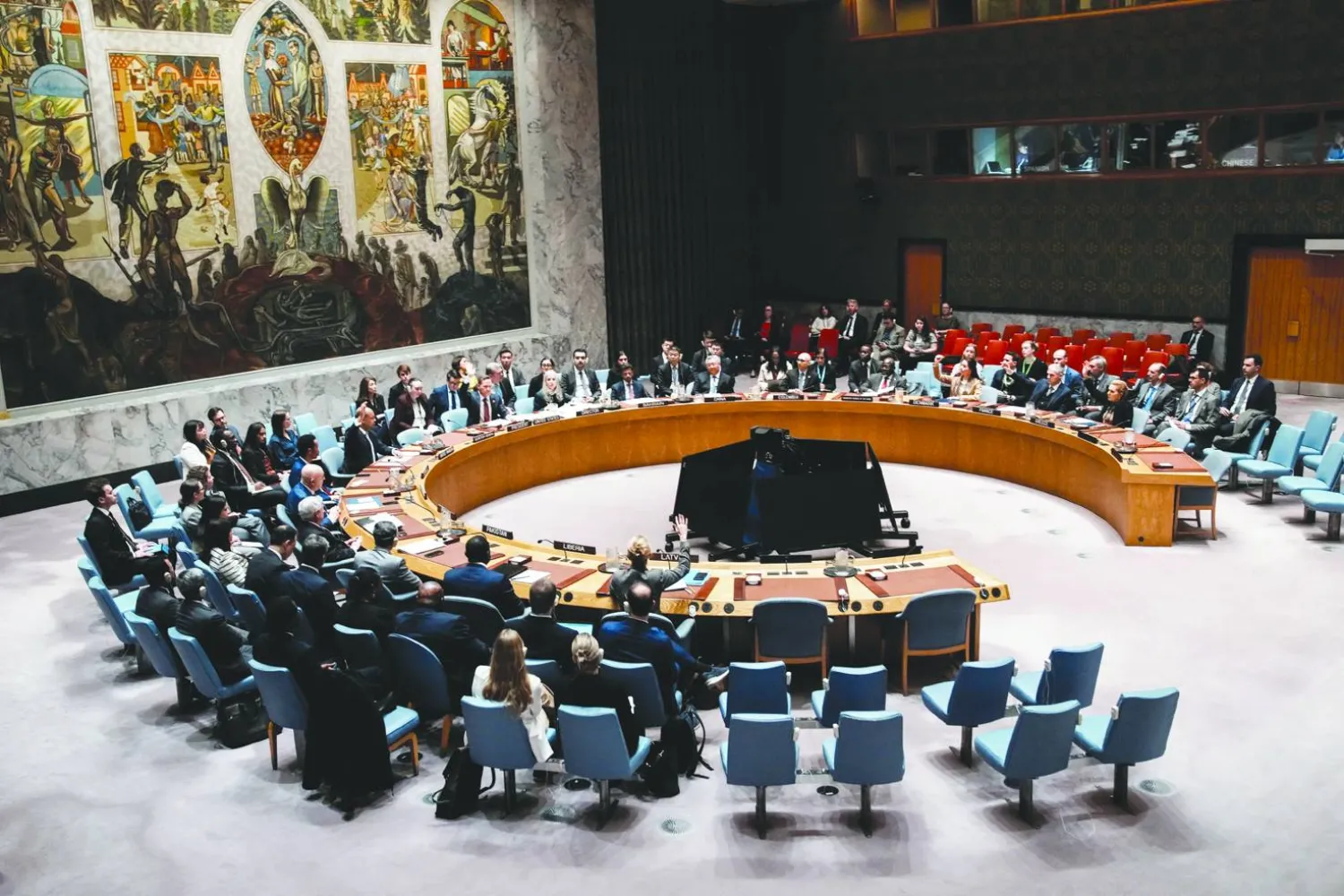
A UN Security Council session held on March 12 (Reuters)
TT

US-Gulf Draft UN Resolution to Hold Iran Accountable over Hormuz Closure

A UN Security Council session held on March 12 (Reuters)

The United States and Bahrain have begun drafting a UN Security Council resolution aimed at holding Iran accountable for closing the Strait of Hormuz and advancing international efforts to reopen it to commercial shipping.

US Ambassador to the UN Mike Waltz, speaking during a phone press conference on Monday, said the draft states that the Security Council strongly condemns repeated attacks and threats by Iran against commercial vessels, as well as actions aimed at obstructing lawful transit through the Strait of Hormuz. These include the laying of naval mines and the imposition of illegal fees on ships.

The proposal determines that such actions constitute a threat to international peace and security, opening the possibility of placing the resolution under Chapter VII of the UN Charter and, consequently, the potential adoption of enforcement measures at a later stage.

It affirms the right of all ships and aircraft to transit the Strait of Hormuz without unlawful interference, in accordance with international law, including the UN Convention on the Law of the Sea.

It further calls on Iran to immediately cease all attacks or threats directed against commercial shipping, as well as any attempts to obstruct or impede freedom of navigation.

A key provision stipulates that Iran must disclose the number of mines it has laid and their precise locations in and around the Strait of Hormuz, and work toward their removal. The draft also calls on Tehran to refrain from interfering in international demining efforts.

Humanitarian corridor

Another clause asks Iran to cooperate with the United Nations in establishing a humanitarian corridor in the Strait of Hormuz, aimed at facilitating the flow of essential goods, including food and fertilizers, which the text says have been disrupted by recent developments in the region.

It also includes a prohibition on any UN member state assisting Iran in closing the strait or restricting transit through it. At the same time, it affirms the right of states to defend their vessels against attacks, in accordance with international law.

This is the latest diplomatic effort by Washington and Manama after China and Russia vetoed a similar resolution hours before a temporary ceasefire was announced in early April.

Waltz said negotiations on the draft would take place this week, adding that it remains unclear whether the resolution will include an enforcement mechanism to secure navigation in the strait.

He revealed that Bahrain is contributing to drafting the text, with input from Saudi Arabia, Kuwait, Qatar and the United Arab Emirates, in a way that would require Iran to halt attacks on commercial vessels and attempts to impose transit fees, as well as to stop laying naval mines and disclose their locations.

Waltz underlined that the draft is narrower in scope than the previous unsuccessful proposal and comes amid a ceasefire with Iran.

The United States and Gulf countries are continuing negotiations this week and are seeking swift adoption of the resolution, provided consensus among the countries concerned is maintained.

Waltz framed the issue not only as part of a confrontation with Iran but also as a matter related to international law and the freedom of global trade, stressing that no country has the right to blackmail global trade.

A previous draft resolution blocked by Russia and China had sought authorization for the use of defensive force to protect navigation in the Strait of Hormuz and free it from Iranian attacks. It also would have allowed states, individually or through voluntary multinational maritime partnerships, to use all necessary and proportionate defensive means, applying to the strait and adjacent waters to secure passage and deter attempts to close, obstruct or otherwise interfere in any way with international navigation through the Strait of Hormuz, through which about one-fifth of the world’s oil passes.


Saudi Arabia Provides New Contribution of $2 Million to Support UNRWA

Saudi Prince Mansour bin Khaled bin Farhan, Ambassador of Saudi Arabia to Jordan, hands UNRWA’s Acting Commissioner-General, Christian Saunders a cheque of $ 2 million as the Kingdom’s annual contribution to UNRWA (Saudi Embassy in Jordan)
TT

Saudi Arabia Provides New Contribution of $2 Million to Support UNRWA

Saudi Prince Mansour bin Khaled bin Farhan, Ambassador of Saudi Arabia to Jordan, hands UNRWA’s Acting Commissioner-General, Christian Saunders a cheque of $ 2 million as the Kingdom’s annual contribution to UNRWA (Saudi Embassy in Jordan)

Saudi Arabia on Tuesday delivered on Tuesday a check worth $2 million to the United Nations Relief and Works Agency for Palestine Refugees in the Near East (UNRWA), representing the Kingdom's annual support for the agency’s budget, programs, and operations in the region.

Saudi Ambassador to Jordan Prince Mansour bin Khalid bin Farhan delivered the check at the embassy to UNRWA’s Acting Commissioner-General, Christian Saunders.

He stressed the Saudi commitment, under the directives of the leadership, to support the Palestinian cause and assist the brotherly Palestinian people.

The Ambassador then highlighted the importance of supporting UNRWA's budget to enable it to fulfill its social, humanitarian, educational, and health responsibilities toward Palestinian refugees, particularly under current conditions.

Prince Mansour noted the agency’s vital role in providing humanitarian services and alleviating suffering.

For his part, Saunders expressed his appreciation to the Kingdom for its continued and steadfast support, which enables UNRWA to implement its programs in service of Palestinian refugees.


Saudi Cabinet Affirms Need to Spare Region Further Tension

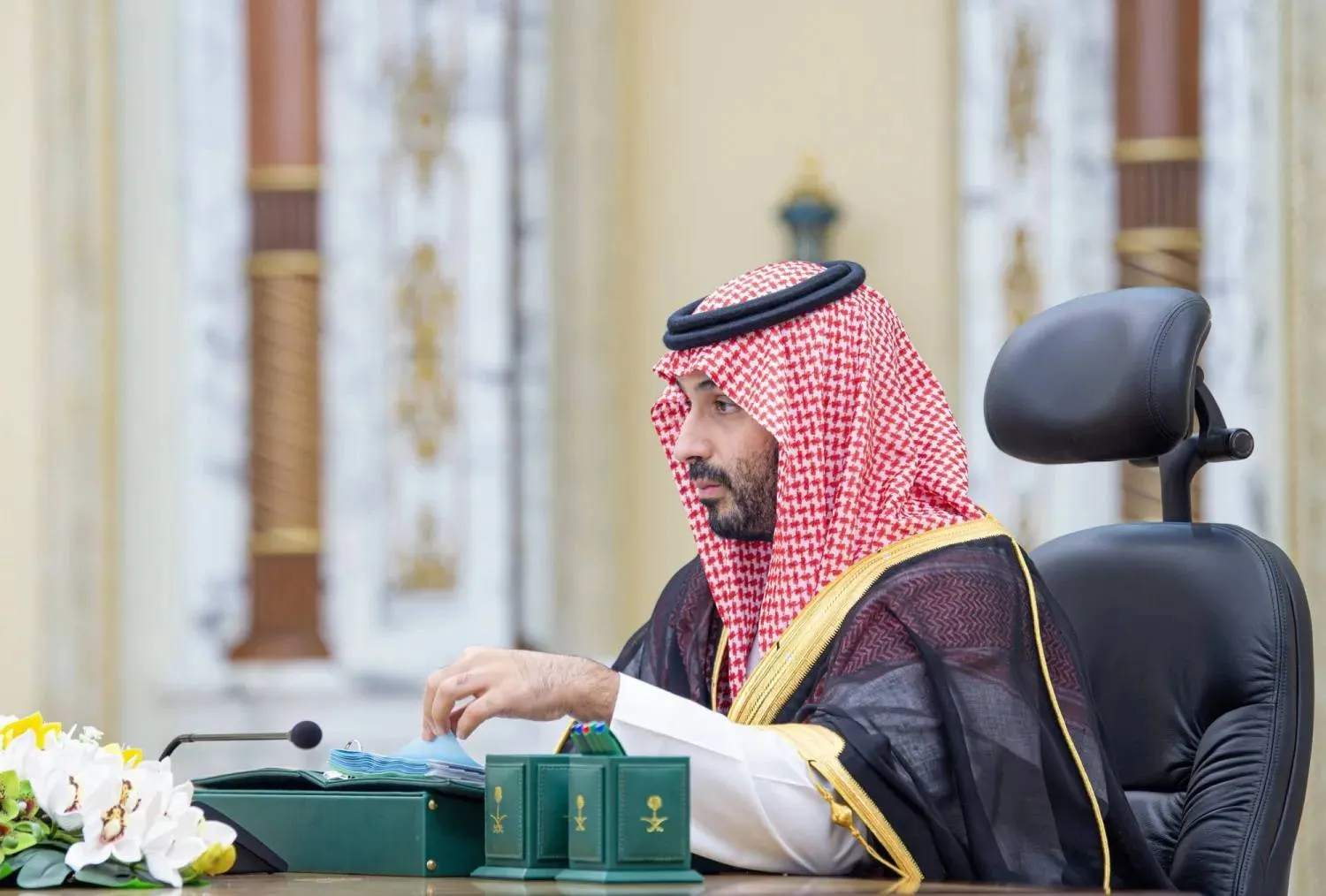
Prince Mohammed bin Salman bin Abdulaziz Al Saud chairs a cabinet session in Jeddah on Tuesday (SPA) 
TT

Saudi Cabinet Affirms Need to Spare Region Further Tension

Prince Mohammed bin Salman bin Abdulaziz Al Saud chairs a cabinet session in Jeddah on Tuesday (SPA) 

The Saudi Cabinet on Tuesday reviewed the latest regional developments, stressing the need for de-escalation and supporting Pakistani mediation and diplomatic efforts to reach a political solution that spares the region further tension and instability.

A cabinet session, chaired by Crown Prince Mohammed bin Salman bin Abdulaziz Al Saud in Jeddah, also reiterated the importance of restoring the freedom of international navigation in the Strait of Hormuz to its normal state as it was before February 28, ensuring the safe and unhindered passage of ships.

During the session, the Crown Prince briefed the ministers on the contents of messages received by Custodian of the Two Holy Mosques King Salman bin Abdulaziz Al Saud and himself from Zimbabwe’s President Emmerson, Rwanda’s President Paul Kagame, Uzbekistan’s President Shavkat Mirziyoyev and Japan’s Prime Minister Sanae Takaichi.

He also informed the session of his recent phone call with Emirati President Sheikh Mohamed bin Zayed Al Nahyan, during which he condemned the Iranian attacks targeting the UAE and affirmed Saudi Arabia’s support for the UAE in its defense of its security and stability.

The Cabinet reviewed the outcomes of Saudi Arabia’s participation in regional and international meetings, underscoring the Kingdom’s commitment to sustained cooperation with brotherly and friendly nations. It reaffirmed its support for enhanced coordination across a range of fields and issues of mutual interest, with the aim of strengthening collective response mechanisms and addressing shared global challenges.

At the domestic level, the Cabinet reviewed the performance indicators of several key sectors in light of the accelerated implementation of strategies and initiatives. It also noted the significant growth in local content, the expansion of national supply chains, and the continued strengthening of their competitiveness.

The Cabinet then reviewed the launch of “Saudi Environment Week 2026” as a continuation of national efforts in environmental protection. These efforts have delivered notable results, including a fourfold increase in protected areas, the rehabilitation of more than one million hectares of degraded land, the planting of 159 million trees using renewable water sources, the reintroduction of thousands of endangered wildlife species, and leadership in regional and international initiatives with lasting sustainable impact.

The Cabinet then authorized the Culture Minister, or a deputy, to discuss and sign with the Jordanian and Moroccan sides two draft memoranda of understanding (MoUs) between the King Salman Global Academy for Arabic Language and both the Jordan Academy of Arabic Language and the Academy of the Kingdom of Morocco in the field of serving and promoting the Arabic language.

It approved an agreement between the Saudi and Indian governments on mutual exemption from short-stay visa requirements for holders of diplomatic, special, and official passports.

Among other decisions, the Cabinet approved an MoU for cooperation between the Saudi and Pakistani ministries of justice, and another MoU between the Saudi Ministry of Industry and Mineral Resources and Brazil's Ministry of Mines and Energy for cooperation in the field of mineral resources.

Also, it permitted an MoU between the High Commission for Industrial Security and Naif Arab University for Security Sciences in the field of industrial security and an MoU between the Saudi Food and Drug Authority (SFDA) and the Halal Accreditation Agency of Türkiye.

The Cabinet then authorized the Saudi Authority of Internal Auditors (SAIA) to discuss and sign with the French Institute of Internal Audit and Control (IFACI) a draft MoU for cooperation in internal auditing, governance, risk, and compliance and approved an MoU between the Agricultural Development Fund of Saudi Arabia and the International Fund for Agricultural Development (IFAD) for cooperation in developing the agricultural sector.