
Secretary-General Antonio Guterres warned the UN Security Council on Thursday that the coronavirus pandemic is threatening international peace and security — “potentially leading to an increase in social unrest and violence that would greatly undermine our ability to fight the disease.”
He urged the UN’s most powerful body, which has been silent on COVID-19 since it started circling the globe sickening and killing tens of thousands, to unite on tackling the virus, saying its engagement will be “critical to mitigate the peace and security implications of the COVID-19 pandemic” and “would count for a lot at this anxious time.”
The closed meeting was the first by the council on the pandemic and afterward it issued its first brief press statement expressing “support for all efforts of the secretary-general concerning the potential impact of the COVID-19 pandemic to conflict-affected countries and recalled the need for unity and solidarity with all those affected.”
Guterres, who called for a ceasefire for all global conflicts on March 23, said the crisis has “hindered international, regional and national conflict resolution efforts, exactly when they are needed most.”
He cited other pressing risks to global security from the pandemic: militants seeing an opportunity to strike, potentially with a biological attack, the erosion of trust in public institutions, economic instability, political tensions from postponing elections, uncertainty sparking further division and turmoil in some countries, and COVID-19 “triggering or exacerbating various human rights challenges.”
The secretary-general reiterated that the United Nations faces “its gravest test” since the organization was founded 75 years ago from the pandemic and concluded saying: “This is the fight of a generation — and the raison d’être of (the reason for) the United Nations itself.”
Guterres spoke by video conference at the meeting on COVID-19’s impact on the council’s mandate, which is the preservation of international peace and security. While the meeting was closed, the UN spokesman released Guterres’ briefing, and a number of ambassadors released their remarks to the media.
Diplomats said the Security Council was initially blocked from issuing a statement or adopting a resolution by US insistence that the origin of the virus in China or Wuhan be included, which China objected to. Belgium’s UN Ambassador Marc Pecsteen de Buytswerve, an elected council member, said that was not mentioned on Thursday.
According to diplomats, another holdup was French President Emmanuel Macron and President Donald Trump's agreement to organize a video conference of leaders of the five permanent council members, also including China, Russia and Britain. France wanted that summit before a council meeting, but it couldn’t be arranged, the diplomats said, according to The Associated Press. Meanwhile, the 10 elected members had been pressing for a council meeting and briefing from Guterres — and they had the nine votes needed for it to finally happen on Thursday.
Pecsteen de Buytswerve said even though the press statement from the council was “very minimal” it is an expression of support for the secretary-general and his call for peace and a cease-fire “and that’s the most important thing at this stage.”
He and other council members stressed the importance of unity, but differences were still evident.
Russia’s UN Ambassador Vassily Nebenzia said the fight against COVID-19 is “warfare — warfare against an invisible enemy.”
“To win against it and to overcome its consequences we need also to overcome our prejudices, phobias, hatreds, distrust, suspicions,” he said. “It’s not the time for contests — who did what and who was more successful than others. It’s not the time for blaming and finger pointing. It’s time to help, to share experiences and to listen to each other and find ways to work together.”
US Ambassador Kelly Craft also stressed that the challenge of COVID-19 “requires global action, international solidarity, and unity of purpose.”
She made no mention of China, but she did implicitly address US concerns about the information it has provided about the coronavirus saying: “The United States reiterates today the need for complete transparency and the timely sharing of public health data and information within the international community.”
“The most effective way to contain this pandemic is through accurate, science-based data collection and analysis of the origins, characteristics, and spread of the virus,” Craft said. “We cannot stress enough how important these methods are.”
China’s UN Ambassador Zhang Jun said the pandemic shows “that people of the world live in a global village and have a shared future.”
Although China faces “risks of rebound and imported cases,” he said, it has provided support in various forms to over 100 nations.
Zhang didn't mention the United States but was clearly referring to the Trump administration when he said: “To overcome this global challenge, solidarity, cooperation, mutual support and assistance is what we need, while beggar-thy-neighbor or scapegoating will lead us nowhere."
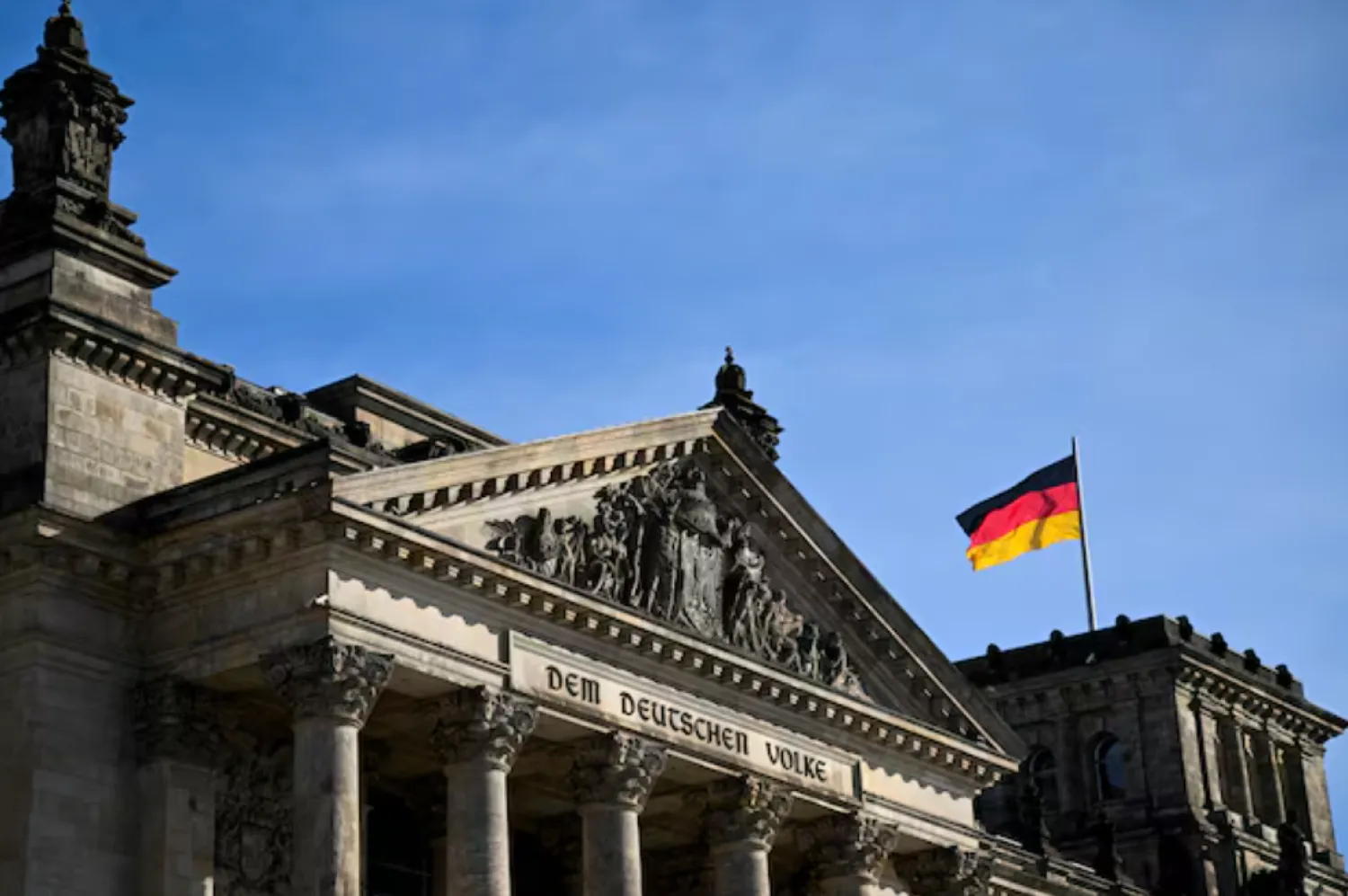
Germany’s UN Ambassador Christoph Heusgen, an elected member, was sharply critical of the council’s five permanent members for its “deafening silence” about COVID-19.
He said the Security Council should support the secretary-general, adopt a legally binding resolution, and “make it clear that we are back in business.”