


Lebanon’s Government Faces Solid Waste Crisis

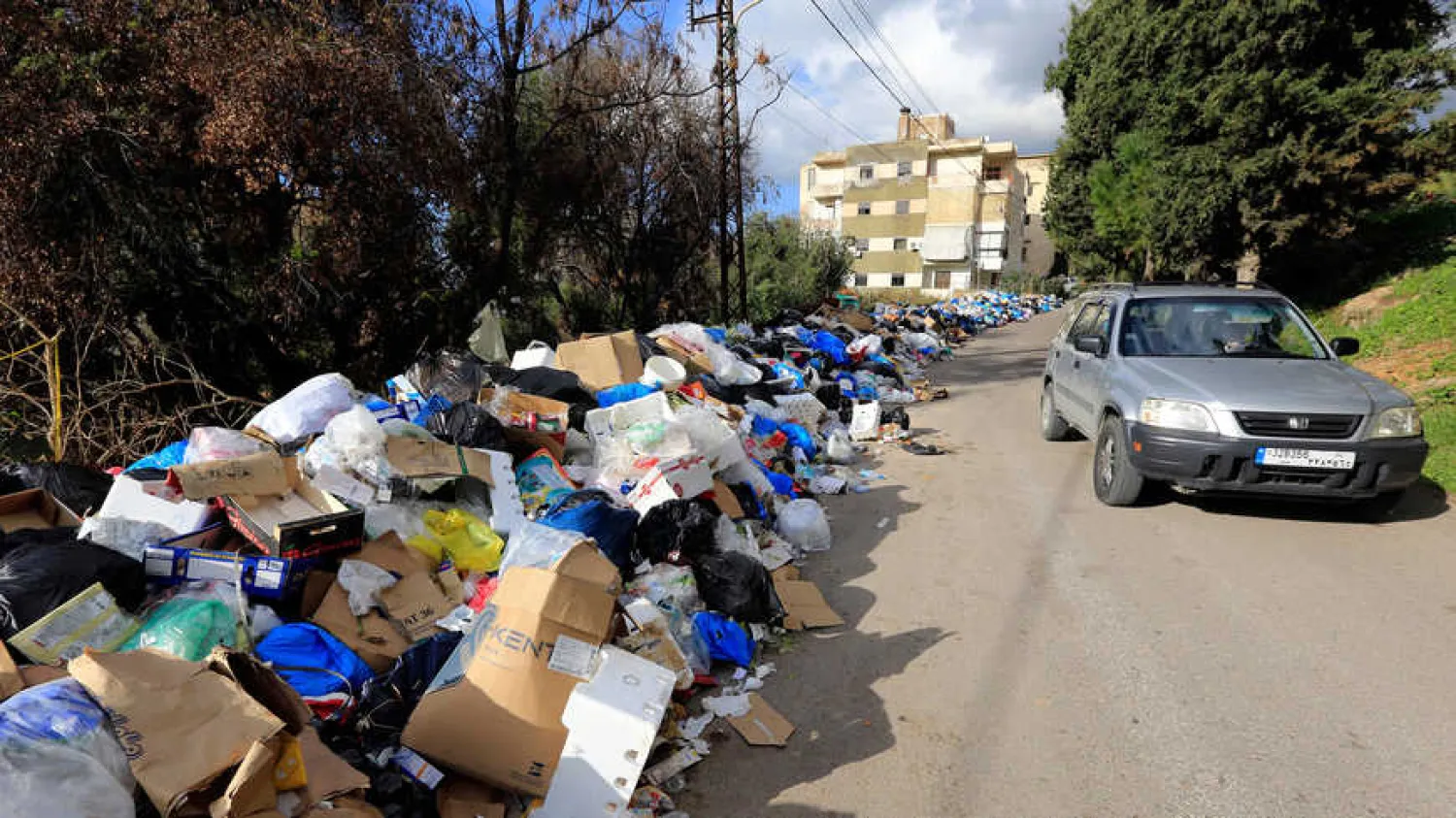
Rubbish bags piled up on the side of the road, Hazmieh, Lebanon, July 25, 2017. Photo by Ratib Al Safadi/Anadolu Agency
TT

Lebanon’s Government Faces Solid Waste Crisis

Rubbish bags piled up on the side of the road, Hazmieh, Lebanon, July 25, 2017. Photo by Ratib Al Safadi/Anadolu Agency

The Lebanese solid waste crisis has made a comeback as the Jdeideh landfill north of Beirut stopped receiving garbage from Kesrouan, the north Metn and some Beirut areas after reaching full capacity.

A day later, Prime Minister Hassan Diab chaired a meeting with concerned officials in an attempt to avoid trash from filling the streets.

However, the meeting failed to reach any outcome after several Metn deputies rejected a proposal to expand the Jdeideh landfill.

“It is surprising how the government leaves it to the last minute to resolve the problem and then gives the Lebanese two options of either expanding the landfill or witnessing waste piling up on the streets,” Kataeb Party MP Elias Hankash told Asharq Al-Awsat on Sunday.

He pointed out at the failure of the successive governments to resolve the crisis in the past 30 years.

“During the meeting with Diab on Friday, I proposed to move the solid waste to an arid border area, but the concerned parties rejected my proposal, claiming the transportation cost is high,” Hankash said.

Lebanon’s trash crisis goes back to 2015 when garbage built up on the streets of Beirut, as governments have been relying on stopgap measures and temporary fixes that do not solve the country’s waste management problems.

Samar Khalil, an environmental management specialist and member of the Waste Management Coalition in Lebanon told Asharq Al-Awsat that mass protests, which erupted against the government on Oct. 17, and the COVID-19 pandemic resulted in a drop in solid waste in Beirut and Mount Lebanon from 3,500 to 2,500 tons per day.

“This decline extended the date of the Jdeideh landfill reaching full capacity. However, similar to previous cabinets, the current government only looks at the problem when the problem goes out of hand,” she said.

The government studied a proposal last month either to expand the landfill or to reopen the Naameh dump, which closed at the end of 2016.



EU Condemns Israel's West Bank Control Measures

The Israeli settlement of Har Homa, seen from the West Bank city of Bethlehem, Tuesday, Dec. 17, 2024. (AP)
TT

EU Condemns Israel's West Bank Control Measures

The Israeli settlement of Har Homa, seen from the West Bank city of Bethlehem, Tuesday, Dec. 17, 2024. (AP)

The European Union on Monday condemned new Israeli measures to tighten control of the West Bank and pave the way for more settlements in the occupied Palestinian territory, AFP reported.

"The European Union condemns recent decisions by Israel's security cabinet to expand Israeli control in the West Bank. This move is another step in the wrong direction," EU spokesman Anouar El Anouni told journalists.


Atrocities in Sudan's El-Fasher Were 'Preventable Human Rights Catastrophe'

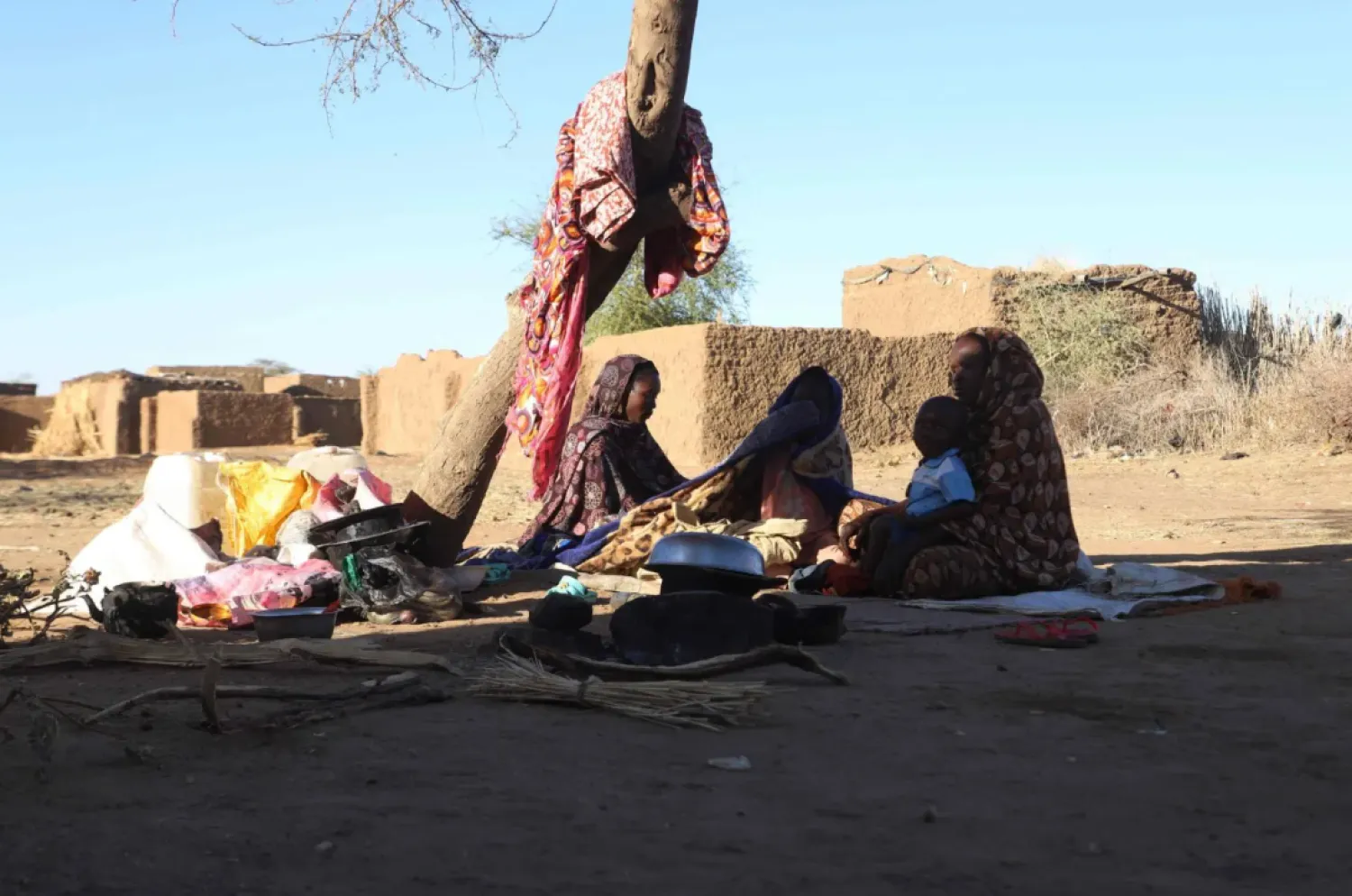
Sudanese displaced people who left El Fasher after its fall, sit in the shade in Tawila at the Rwanda camp reception point on December 17, 2025. (Photo by AFP)
TT

Atrocities in Sudan's El-Fasher Were 'Preventable Human Rights Catastrophe'

Sudanese displaced people who left El Fasher after its fall, sit in the shade in Tawila at the Rwanda camp reception point on December 17, 2025. (Photo by AFP)

The atrocities unleashed on El-Fasher in Sudan's Darfur region last October were a "preventable human rights catastrophe", the United Nations said Monday, warning they now risked being repeated in the neighbouring Kordofan region.


"My office sounded the alarm about the risk of mass atrocities in the besieged city of El-Fasher for more than a year ... but our warnings were ignored," UN rights chief Volker Turk told the Human Rights Council in Geneva.


He added that he was now "extremely concerned that these violations and abuses may be repeated in the Kordofan region".


Arab League Condemns Israel's Decisions to Alter Legal, Administrative Status of West Bank

A general view shows the opening session of the meeting of Arab foreign ministers at the Arab League Headquarters (Reuters)
TT

Arab League Condemns Israel's Decisions to Alter Legal, Administrative Status of West Bank

A general view shows the opening session of the meeting of Arab foreign ministers at the Arab League Headquarters (Reuters)

The General Secretariat of the Arab League strongly condemned decisions by Israeli occupation authorities to impose fundamental changes on the legal and administrative status of the occupied Palestinian territories, particularly in the West Bank, describing them as a dangerous escalation and a flagrant violation of international law, international legitimacy resolutions, and signed agreements, SPA reported.

In a statement, the Arab League said the measures include facilitating the confiscation of private Palestinian property and transferring planning and licensing authorities in the city of Hebron and the area surrounding the Ibrahimi Mosque to occupation authorities.

It warned of the serious repercussions of these actions on the rights of the Palestinian people and on Islamic and Christian holy sites.

The statement reaffirmed the Arab League’s firm support for the legitimate rights of the Palestinian people, foremost among them the establishment of their independent state on the June 4, 1967 borders, with East Jerusalem as its capital.