



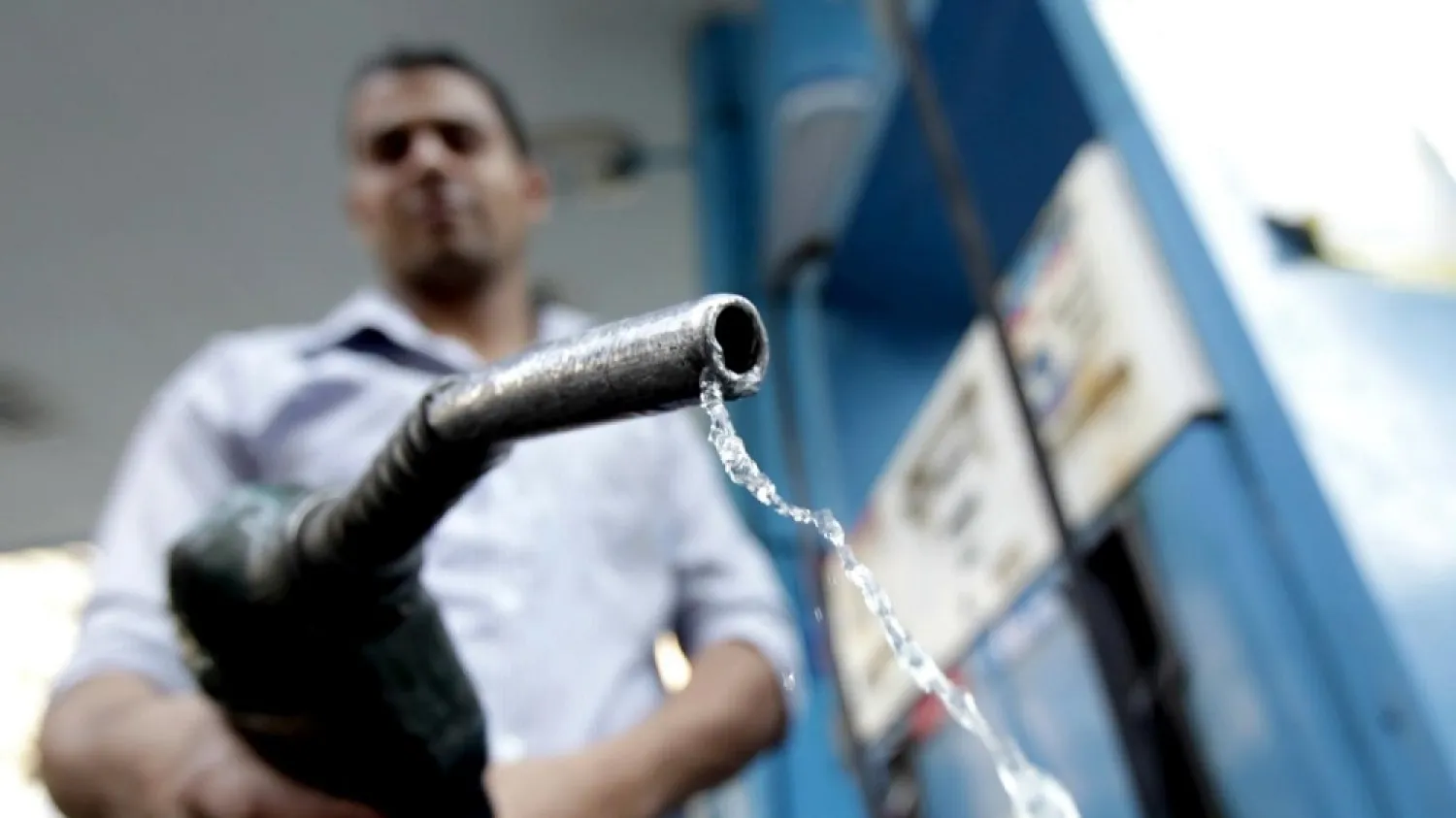

Egypt’s parliament has approved a bill that imposes new fees to develop the state’s financial resources.
Submitted by the government, the bill is an amendment to law 147/1984 and imposes a development fee on some commodities, mainly fuel, products free-trade zones, contracts of Egyptian and foreign football players and mobile phones.
The law aims at helping the state address the current challenges, mainly the novel coronavirus outbreak.
According to the amendment, a 30 piasters development fee per fuel liter and a 25 piasters fee per diesel liter will be imposed.
The move will affect fuel prices and is already stirring wide controversy.
Finance Minister Mohamed Maait stressed, however, there will be no increase in fuel prices, as the determined amount will be collected from the General Petroleum Corporation’s proceeds and will be used to finance the emergency package the government had previously announced.
MP Haitham al-Hariri rejected the article on the rise in fuel prices, saying the people will also oppose it.
He told Asharq Al-Awsat that fuel and diesel prices could have been reduced by 25 piasters in April, yet the government preferred to keep this surplus to confront the coronavirus crisis.
Therefore, he noted, the government has already taken thee extra fees before even approving the law amendment.
The MP did not seem to oppose any of the law’s other articles since they “don’t affect all citizens, especially those with low income."
The approved law imposes fees on contracts related to the buying, selling, loaning or renewing the contracts of Egyptian or foreign athletes and coaches.
The new law states that a fee of three percent will be imposed on contracts lower than EGP1 million, and 4.5 percent on contracts from EGP1 to two million.
The law also states that a fee of 6 percent will be imposed on contracts worth EGP2 to three million, 7.5 percent on contracts worth EGP3 to five million, and nine percent on contracts worth more than EGP5 million.
A new article imposes a 10 percent tax on contracts worth more than EGP10 million, and the games' association will be responsible for collecting the newly imposed taxes and sending them to the tax authorities before registering the contracts, according to a parliament statement.


