


Saudi Arabia to Ease Virus Restrictions, Return to Normal by June 21

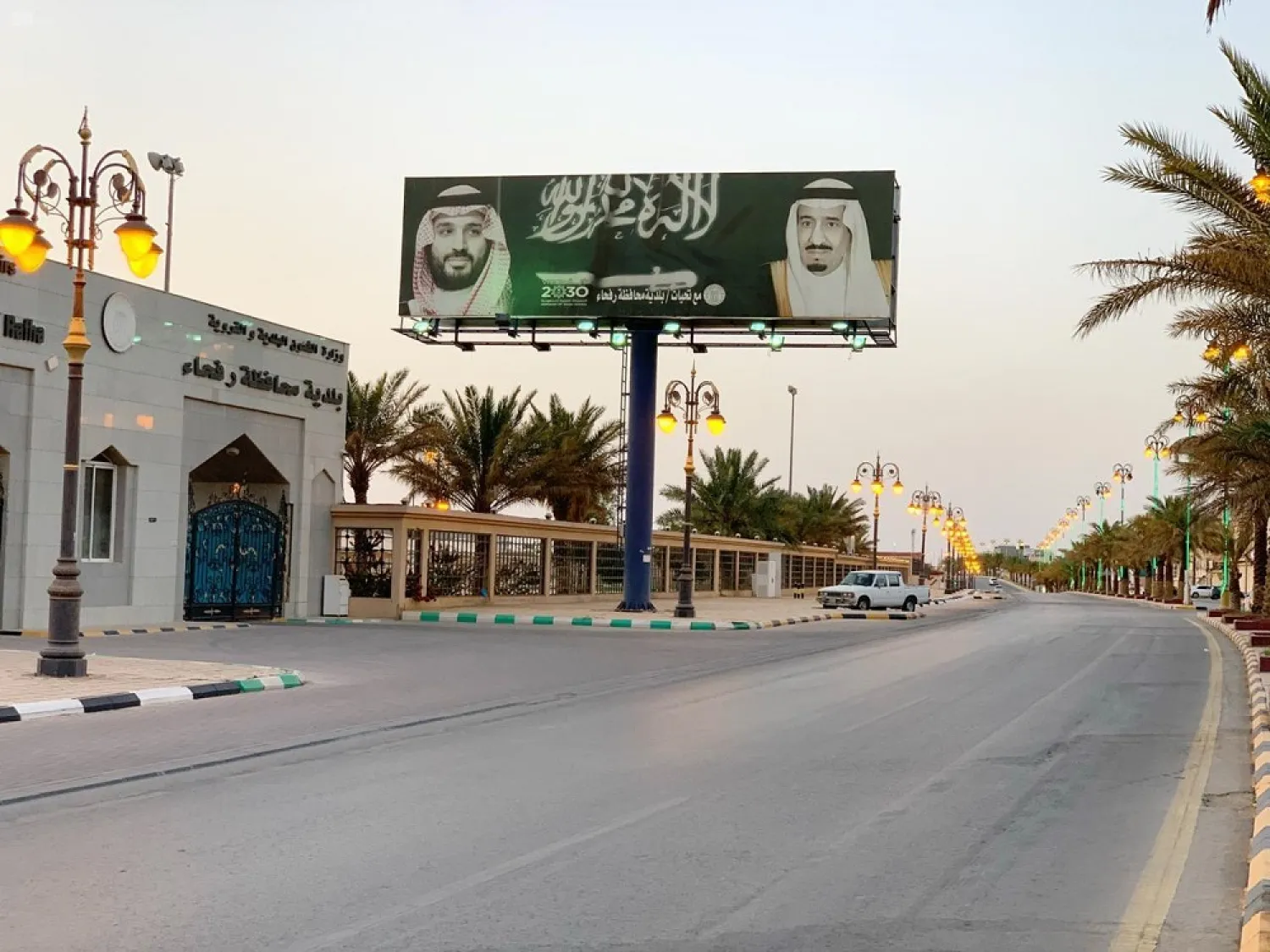
Streets are deserted amid curfew imposed over the coronavirus in Saudi Arabia. (SPA)
TT

Saudi Arabia to Ease Virus Restrictions, Return to Normal by June 21

Streets are deserted amid curfew imposed over the coronavirus in Saudi Arabia. (SPA)

Custodian of the Two Holy Mosques King Salman bin Abdulaziz approved on Monday the easing of restrictions imposed over the coronavirus outbreak.

Restrictions will be lifted in three phases, culminating in the curfew completely ending - with the exception of the holy city of Makkah -- from June 21, the state news agency reported in a statement early on Tuesday.

The Hajj and Umrah pilgrimages -- which attract millions of travelers from around the world -- will remain suspended until further notice.

The Kingdom has so far recorded 74,795 cases of COVID-19 with 399 deaths.

The first phase, starting on Thursday, will see the 24-hour curfew reduced to between 3 pm-6 am countrywide.

Free movement between regions and some retail and wholesale activities, including malls, will be allowed to resume.

Saudi Arabia had imposed 24-hour curfews on most towns and cities but eased them for the start of the fasting month of Ramadan. The 24-hour curfew was reimposed during the five-day Muslim Eid al-Fitr holiday, which began on Sunday.

From Sunday May 30, free movement will be allowed between 6 am and 8 pm, the Saudi Press Agency reported. Domestic flights will be allowed to resume, but a ban on international flights will stay.

Mosques can hold prayers once again, subject to social distancing and hygiene measures, except for in Makkah where restrictions on attendance will stay in place.

Public and private sector employees will be allowed to return to their offices.

Social gatherings of more than 50 people will still be banned, including weddings and funerals.

Citizens will still be urged to wear masks in public and continue hygiene and social distancing measures after June 21.

Makkah will stay one phase behind the rest of the country, with curfew times adjusted to 3 pm-6 am until June 20, revised up to 8 pm thereafter. Prayers will only be allowed to resume in mosques from June 21.



Saudi, Syrian FMs Discuss Efforts to Support Syria's Security, Economy

Saudi Minister of Foreign Affairs Prince Faisal bin Farhan bin Abdullah and his Syrian counterpart Asaad Al-Shaibani meet in Riyadh on Monday. (SPA)
TT

Saudi, Syrian FMs Discuss Efforts to Support Syria's Security, Economy

Saudi Minister of Foreign Affairs Prince Faisal bin Farhan bin Abdullah and his Syrian counterpart Asaad Al-Shaibani meet in Riyadh on Monday. (SPA)

Saudi Minister of Foreign Affairs Prince Faisal bin Farhan bin Abdullah received in Riyadh on Monday his Syrian counterpart Asaad Al-Shaibani.

They reviewed fraternal relations between their two countries and discussed developments in Syria.

They also tackled ways to support Syria's security and economy in a manner that fulfills the aspirations of its people.


Saudi Arabia Reiterates Support for Sudan's Unity, Security

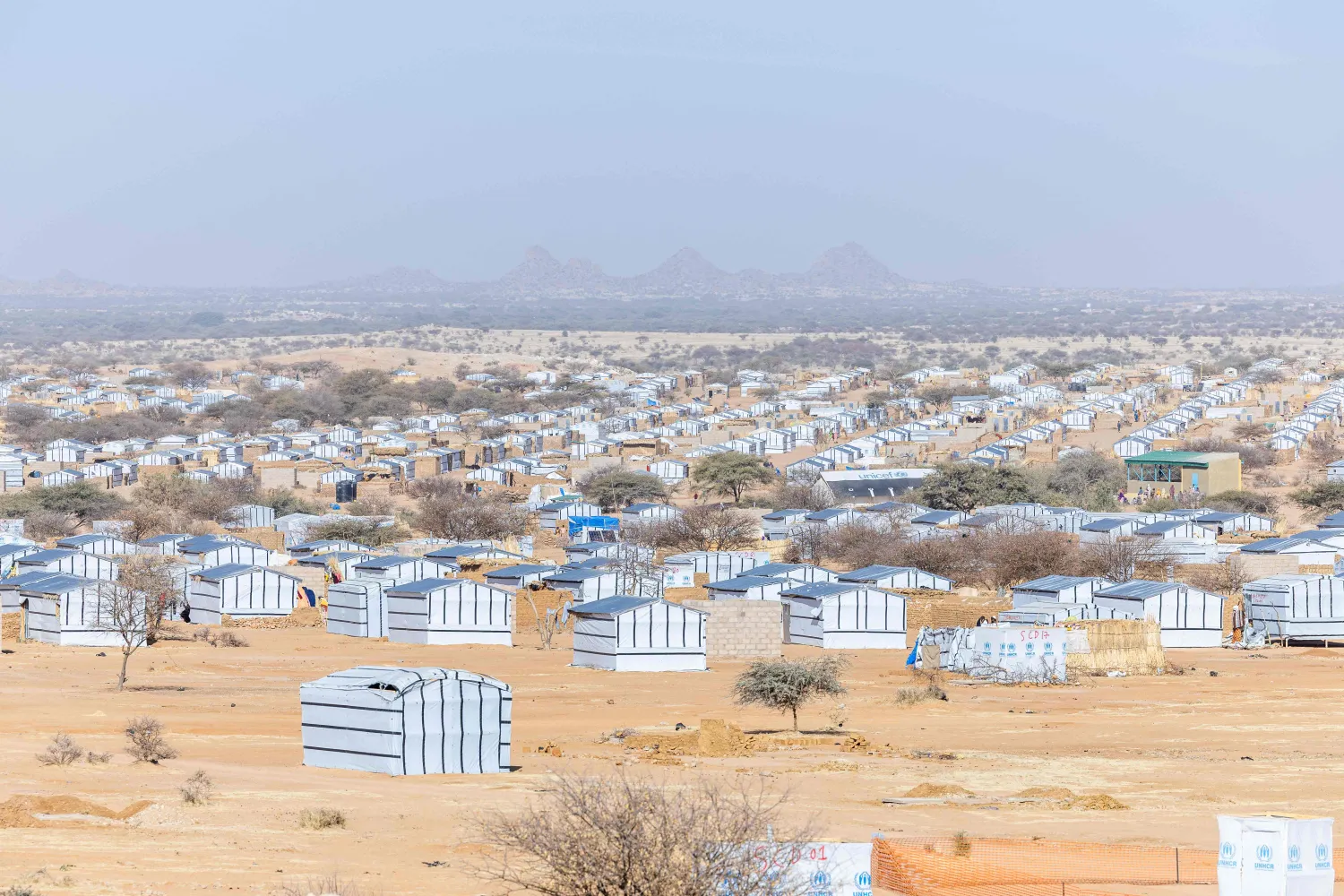
A general view of the Sudanese refugee camp in Goudrane, Wadi Fira, Chad, on January 31, 2026 near the city of Iriba. (AFP)
TT

Saudi Arabia Reiterates Support for Sudan's Unity, Security

A general view of the Sudanese refugee camp in Goudrane, Wadi Fira, Chad, on January 31, 2026 near the city of Iriba. (AFP)

Saudi Arabia reiterated on Monday its unwavering support for the unity, security, and stability of Sudan, stressing the need to preserve its legitimate state institutions.

The Kingdom demanded that the Rapid Support Forces (RSF) immediately cease their violations and adhere to their moral and humanitarian obligations. This includes ensuring the delivery of relief aid to those in need, in line with international humanitarian law and the Jeddah Declaration to Protect Civilians in Sudan, signed on May 11, 2023.

Saudi Arabia delivered its statement during the interactive dialogue on the High Commissioner for Human Rights' oral briefing regarding the situation in and around El-Fasher. The Kingdom's Permanent Mission to the United Nations and other international organizations in Geneva participated in the session.

Delivering the statement, Permanent Representative Ambassador Abdulmohsen bin Khothaila reiterated the Kingdom's "strong condemnation of the grave human rights violations committed during the RSF's attacks on El-Fasher."

He specifically highlighted "recent criminal attacks on health facilities, relief convoys, and civilian infrastructure, which have resulted in the deaths of dozens of displaced persons and unarmed civilians, including women and children."


Saudi Arabia's KSrelief Inaugurates Maternity Clinic at Al-Awda Hospital in Central Gaza

KSrelief inaugurates the women's and maternity clinic at Al-Awda Hospital in central Gaza on Monday. (SPA)
TT

Saudi Arabia's KSrelief Inaugurates Maternity Clinic at Al-Awda Hospital in Central Gaza

KSrelief inaugurates the women's and maternity clinic at Al-Awda Hospital in central Gaza on Monday. (SPA)

Saudi Arabia's King Salman Humanitarian Aid and Relief Center (KSrelief) inaugurated on Monday the women's and maternity clinic at Al-Awda Hospital in central Gaza.

Implemented in cooperation with the United Nations Population Fund (UNFPA), the project marks the completion of restoration and rehabilitation work following extensive damage sustained during the conflict with Israel, which had forced the facility to close.

The clinic's rehabilitation is part of a broader initiative to ensure access to essential services and promote maternal and newborn health among the affected population in Gaza.

The project targets the rehabilitation and support of women's and maternity departments in three major hospitals: Friends of the Patient Hospital, Al-Khair Hospital, and Al-Awda Hospital. It aims to improve the quality of reproductive health services and ensure pregnant and lactating women have access to safe healthcare.

The initiative is part of Saudi Arabia's ongoing efforts, through KSrelief, to ease the suffering of the Palestinian people and provide essential services amid the significant challenges facing the health sector in Gaza.