Saudi Arabia Says it Forces 3 Iranian Boats out of its Waters

Saudi border guards. (Asharq Al-Awsat)
TT

Saudi Arabia Says it Forces 3 Iranian Boats out of its Waters

Saudi border guards. (Asharq Al-Awsat)

Saudi Arabia forced three Iranian boats to retreat from its waters on Thursday after firing warning shots, a spokesman for Saudi border guards said on Saturday.

The spokesman said that the guards detected three Iranian vessels that had entered Saudi waters.

They were repeatedly ordered to stop, but they refused to heed the warnings, he said, according to the Saudi Press Agency.

The authorities were therefore, forced to fire warning shots in line with procedures, forcing the vessels to withdraw, he added.

The border guards will not tolerate any violations in Saudi waters, he stressed.


Saudi Foreign Minister Receives Phone Call from Russian Counterpart

Saudi Foreign Minister Prince Faisal bin Farhan.
TT

Saudi Foreign Minister Receives Phone Call from Russian Counterpart

Saudi Foreign Minister Prince Faisal bin Farhan.

Saudi Minister of Foreign Affairs Prince Faisal bin Farhan bin Abdullah received a phone call from Minister of Foreign Affairs of the Russian Federation Sergey Lavrov, SPA reported.

The two sides reviewed bilateral relations and explored avenues to enhance cooperation across various sectors.

They also addressed several issues of mutual interest.


Rakan bin Salman Appointed Governor of Diriyah at Critical Juncture in its Transformation 

Prince Rakan bin Salman bin Abdulaziz. (Social media)
TT

Rakan bin Salman Appointed Governor of Diriyah at Critical Juncture in its Transformation 

Prince Rakan bin Salman bin Abdulaziz. (Social media)

Prince Rakan bin Salman bin Abdulaziz has taken the helm of what is widely regarded as the Kingdom’s crown jewel, following the issuance of a royal order appointing him Governor of Diriyah.

The appointment came as part of a series of royal decrees issued on Thursday by Custodian of the Two Holy Mosques King Salman bin Abdulaziz, highlighting the strategic importance of Diriyah at a critical juncture in its transformation.

Diriyah holds a unique place in Saudi history as the birthplace of the Saudi state and a powerful symbol of national unity. Today, an ambitious development program is reshaping the area into a globally prominent cultural destination, echoing its historic role as a commercial hub and a flourishing center of learning and culture.

Prince Rakan bin Salman’s appointment coincides with a defining moment for the governorate, which is transitioning from a historic capital of the early Saudi state into a world-class cultural and tourism destination designed for the 21st century.

Born in 1997, Prince Rakan is the youngest son of King Salman. He holds a bachelor’s degree in law from King Saud University in Riyadh, bringing a legal background to a role that blends heritage preservation with modern governance.

His leadership comes amid unprecedented momentum in Diriyah’s development. No longer viewed merely as a historic site, Diriyah has become a vast, integrated development zone with ambitions to attract up to 100 million visitors annually by 2030.

At the forefront of the new governor’s agenda is a portfolio of landmark projects, most notably the multibillion-dollar Diriyah Gate development. The project encompasses the historic At-Turaif district, a UNESCO World Heritage Site, alongside broader plans to reinforce Diriyah’s position as a global hub for arts, culture, and immersive international experiences.


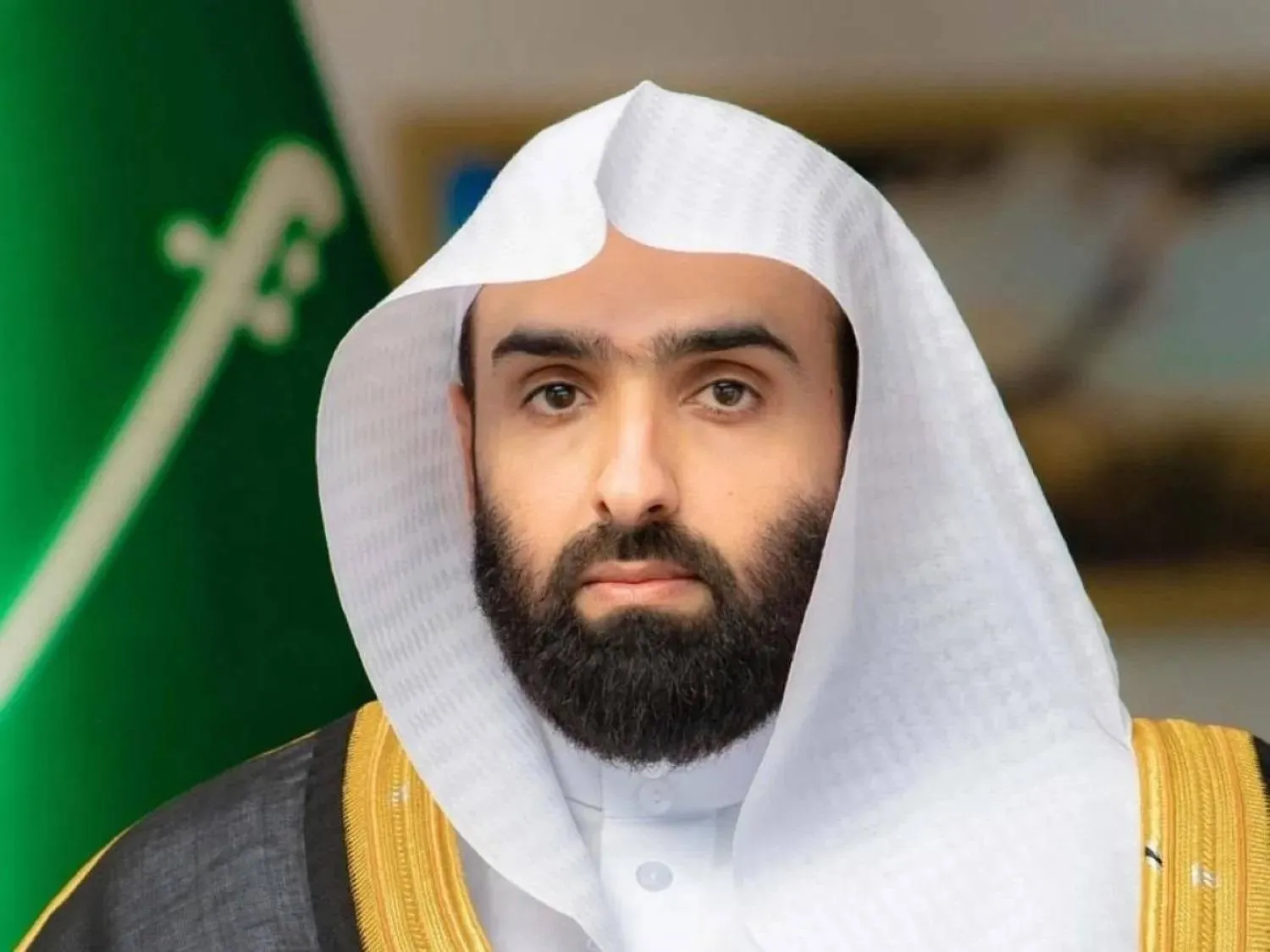
Khalid Al-Yousef: From the Halls of the Judiciary to the Helm of the Public Prosecution

Dr. Khalid Al-Yousef draws on an extensive background and deep familiarity with the matters of the judiciary. (The Board of Grievances) 
TT

Khalid Al-Yousef: From the Halls of the Judiciary to the Helm of the Public Prosecution

Dr. Khalid Al-Yousef draws on an extensive background and deep familiarity with the matters of the judiciary. (The Board of Grievances) 

Dr. Khalid Al-Yousef has been appointed Saudi Arabia’s Attorney General, a choice that reflects the Kingdom’s continued drive to strengthen its legal and rights framework by entrusting leadership to figures who combine deep grounding in Islamic jurisprudence with modern legal thinking.

Al-Yousef has emerged as one of the legal and judicial figures closely associated with Saudi Arabia’s judicial transformation under Vision 2030.

This period has witnessed a sweeping shift toward the digitization of judicial and notarization services, a reduction in litigation timelines by more than 70 percent in some circuits, and the introduction of more than 160 services through electronic platforms and alternative dispute mechanisms.

He holds a doctorate in comparative jurisprudence (Fiqh) from the Higher Institute of Judiciary at Imam Muhammad ibn Saud Islamic University. His academic research has focused on bridging Sharia rulings with contemporary judicial systems, judicial oversight of administrative regulatory decisions, and administrative law and justice.

Before his appointment as Attorney General, Al-Yousef held a series of pivotal leadership positions at the Board of Grievances. He served as a judge in administrative, commercial, disciplinary, and criminal courts, issuing a wide range of rulings over the course of his career.

He also was a member of the Technical Affairs Office, which is responsible for legal opinions, research and studies, the classification of judicial rulings and principles, and jurisprudential and legal consultation.

His responsibilities at the Board of Grievances extended to overseeing the Decision Support Center, which includes the Development and Performance Oversight Office, as well as the Information and Reports Office and the Strategic Planning Office.

He also took part in teams tasked with drafting the strategic plan and performance management system, contributing to the Tenth Development Plan, supervising the electronic archiving of judicial rulings, and classifying and publishing court judgments.

In 2015, Al-Yousef was appointed President of the Board of Grievances. His tenure was marked by significant qualitative advances that coincided with Saudi Arabia’s broader judicial transformation, including the digitization of administrative courts and enhanced levels of transparency and legal clarity.