




Australia suspended its extradition treaty with Hong Kong and extended visas for Hong Kong residents in response to China’s imposition of a tough national security law for the territory, the prime minister said Thursday.
In steps certain to anger Beijing, Prime Minister Scott Morrison announced a range of visas that will be extended from two to five years and offers of pathways to permanent residency visas. It is not clear how many Hong Kongers are expected to get the extensions.
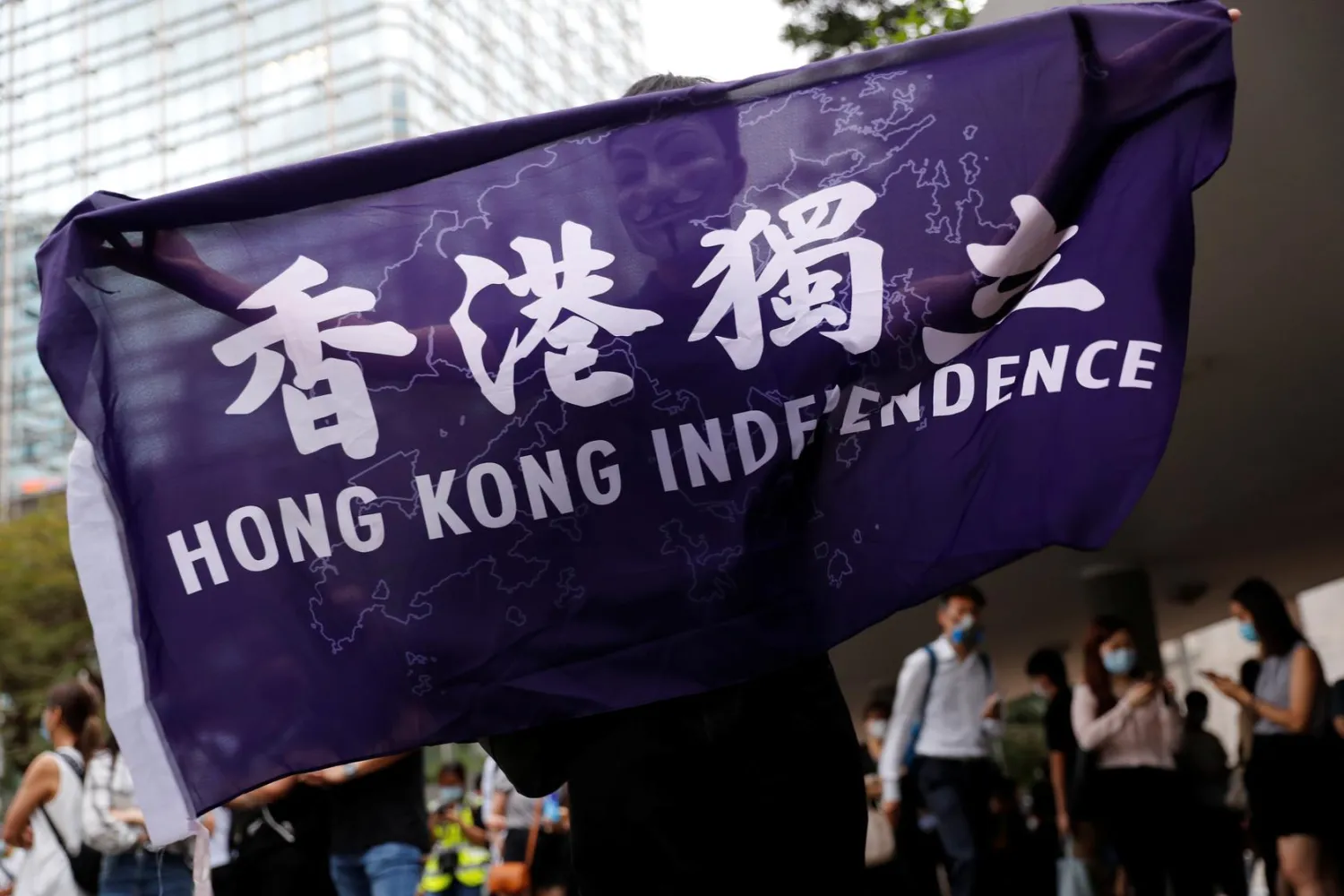
The move comes after China bypassed Hong Kong’s Legislative Council to impose the sweeping security legislation without public consultation. Critics view it as a further deterioration of freedoms promised to the former British colony, in response to last year's massive protests calling for greater democracy and more police accountability.
The national security law prohibits what Beijing views as secessionist, subversive or terrorist activities or as foreign intervention in Hong Kong affairs. Under the law, police now have sweeping powers to conduct searches without warrants and order internet service providers and platforms to remove messages deemed to be in violation of the legislation.
“Our government, together with other governments around the world, have been very consistent in expressing our concerns about the imposition of the national security law on Hong Kong,” Morrison told reporters.
“That national security law constitutes a fundamental change of circumstances in respect to our extradition agreement with Hong Kong,” Morrison said.
His announcement came a day after China opened a new office in Hong Kong for its intelligence agents to oversee implementation of the law.
Shortly before Morrison's announcement, Australia's foreign ministry warned its citizens in Hong Kong of the risk of detention under the new security law, which it called "vaguely defined."
Britain, too, is extending residency rights for up to 3 million Hong Kongers eligible for British National Overseas passports, allowing them to live and work in the UK for five years.
Canada has suspected its extradition treaty with Hong Kong and is looking at other options including migration.
In Australia, the most likely Hong Kongers to benefit from the new policies are the 10,000 already in the country on student and other temporary visas.
Acting Immigration Minister Alan Tudge said he expected the numbers of Kong Hongers who would come to Australia under the new arrangements would be “in the hundreds or low thousands.”
China last week warned Australia against “interfering in China’s internal affairs with Hong Kong.”


