


Oman Fulfills Total Requirements of Trade Facilitation Agreement

The Omani Ministry of Commerce and Industry (MOCI)
TT

Oman Fulfills Total Requirements of Trade Facilitation Agreement

The Omani Ministry of Commerce and Industry (MOCI)

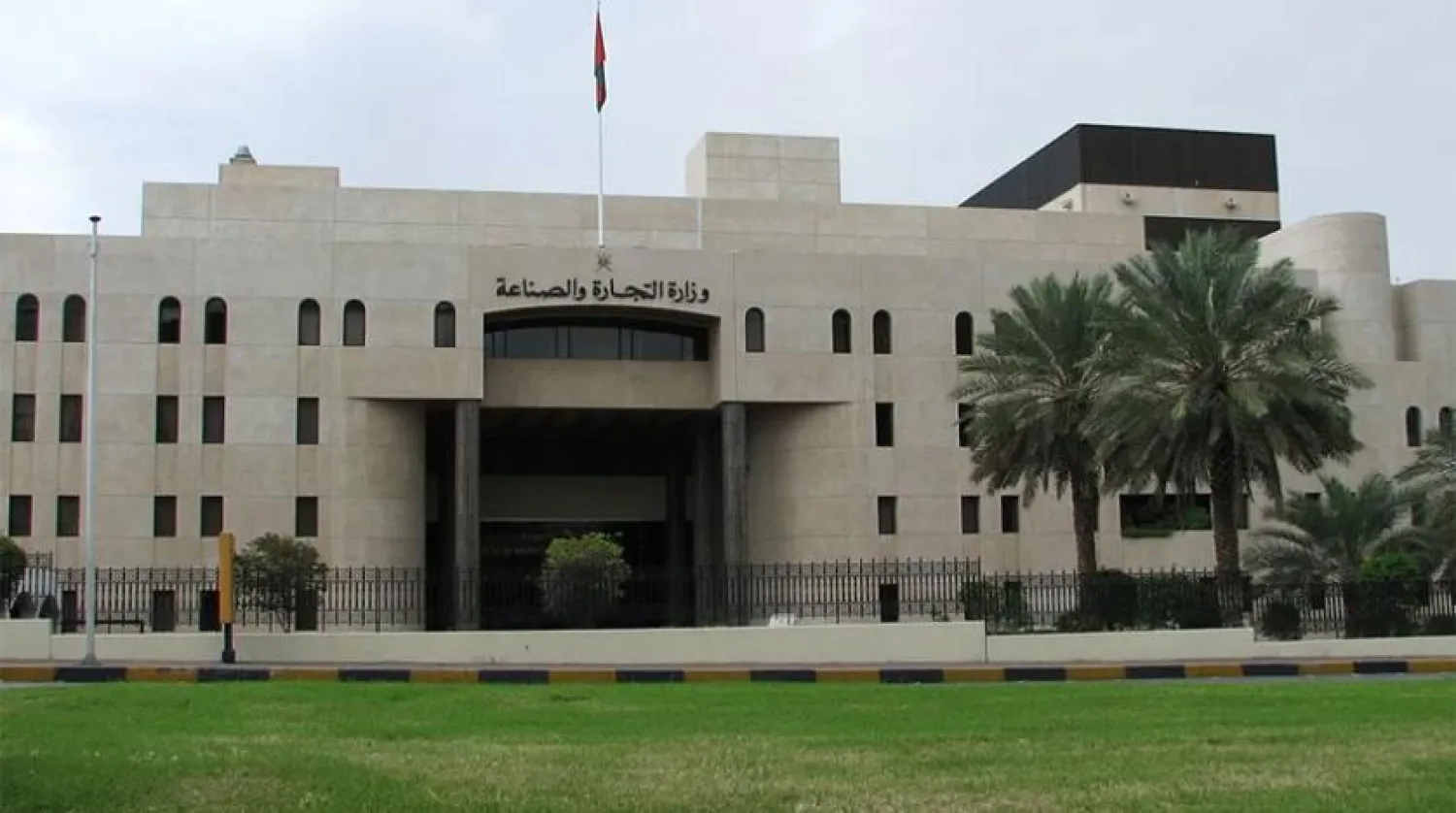
The Omani Ministry of Commerce and Industry (MOCI) said that Oman has fulfilled the requirements of the Trade Facilitation Agreement (TFA) of the World Trade Organization (WTO) by 100 percent.

Oman is one of the few countries in the region that has fully met its obligations related to the agreement, which has been met by 164 countries.

MOCI said Trade Facilitation Agreement for the World Trade Organization is one of the most important international agreements aimed at facilitating trade between countries of the world and the free movement of goods at border crossings.

This reflects the readiness of regulations, legislation, and the business environment in the Sultanate.

The Director-General of Organizations and Commercial Relations at the Ministry of Commerce and Industry, Mahmoud bin Amer al-Hatali, announced the formation of a national task force concerned with the Facilitation Agreement. He indicated that it includes a number of government agencies to promote investment and develop exports.

He added that the team carried out tasks such as reviewing all procedures of the agreement which were approved by the WTO, and preparing lists of Oman’s obligations in this agreement.

Hatali stressed that the agreement aims to facilitate trade exchange, clarify and improve the articles related to freedom of transit, fees, and procedures, transparency, and simplify procedures.

It will also remove unnecessary administrative burdens that accompany the movement of goods imposed by countries to ensure compliance with their rules applied at the time of import, export, and transit.

He indicated that this aims to increase and accelerate the movement of goods including their release and clearance.



New Shipping Service Connects Jeddah Islamic Port with China, Malaysia and Egypt

Jeddah Islamic Port (Mawani)
TT

New Shipping Service Connects Jeddah Islamic Port with China, Malaysia and Egypt

Jeddah Islamic Port (Mawani)

The Saudi Ports Authority (Mawani) has announced the addition of China United Lines’ new SGX shipping service to Jeddah Islamic Port, enhancing the Kingdom’s connectivity with global markets, improving supply chain efficiency, and supporting trade flows through the Red Sea- one of the world’s most important maritime routes.

The new shipping service connects Jeddah Islamic Port with the ports of Shanghai and Nansha in China, as well as ports in Malaysia and Egypt, with a capacity of up to 2,452 TEUs.

This initiative forms part of Mawani’s ongoing efforts to improve the Kingdom’s performance in global logistics indicators, strengthen national exports, and support the objectives of the National Transport and Logistics Strategy, which aims to position Saudi Arabia as a global logistics hub and a key link between three continents.


Saudi Trade Offices Contribute to Creating 2,221 Export Opportunities, Securing 393 New Investments

King Abdullah Economic City port (Economic Cities and Special Zones Authority)
TT

Saudi Trade Offices Contribute to Creating 2,221 Export Opportunities, Securing 393 New Investments

King Abdullah Economic City port (Economic Cities and Special Zones Authority)

Saudi Arabia’s General Authority of Foreign Trade said Saudi commercial attachés contributed to creating 2.221 export opportunities and secured 393 new investment opportunities, underscoring efforts to expand the Kingdom’s global economic footprint.

The gains came alongside measures to protect domestic industry, including four anti-dumping investigations and five decisions imposing protective duties on imports to ensure fair competition and support Saudi exports abroad.

Established in 2019 as an independent authority, the body is tasked with advancing Saudi trade interests internationally and supporting economic development under Vision 2030.

According to a recent authority report seen by Asharq Al-Awsat, the agency held 25 meetings of its main negotiating team involving Saudi government entities, 75 meetings of related subcommittees and 149 meetings of Gulf technical negotiating teams. It also conducted seven rounds of negotiations between Gulf Cooperation Council states and trade partners.

International Partnerships

The authority carried out 38 overseas visits, participated in or prepared for 39 international forums and conferences, and held 305 technical meetings with domestic and foreign entities.

It launched four anti-dumping investigations into imports, prepared 182 economic reports to support companies and took part in seven international investigations to defend Saudi exports. It also issued five anti-dumping duty decisions covering imports of several products.

The report said the authority continued negotiations with a number of countries to support non-oil exports - goods and services - by securing preferential access to global markets, encouraging and protecting investment, strengthening supply chains and advancing free trade agreements with major economies and blocs.

Diversification Push

The authority said the efforts align with Vision 2030 goals to diversify the economy and strengthen Saudi Arabia’s position in global trade, adding that it was pressing ahead with trade policies aimed at widening the reach of Saudi exports and opening new markets, reinforcing the Kingdom’s ambition to position itself as a global trade hub.

The authority also said it was working with public and private sector partners to develop a more flexible and competitive external trade system while adopting international best practices in trade regulation.

The efforts form part of broader plans to boost the competitiveness of Saudi exports, improve efficiency and build a sustainable, diversified economy in line with the Kingdom’s foreign trade ambitions.


Analysts Say Iran is Drowning in its Own Oil

FILE PHOTO: Iranian flag overlayed with a rising stock graph and 3D printed gas pump miniature are seen in this illustration taken June 23, 2025. REUTERS/Dado Ruvic/Illustration/File Photo
TT

Analysts Say Iran is Drowning in its Own Oil

FILE PHOTO: Iranian flag overlayed with a rising stock graph and 3D printed gas pump miniature are seen in this illustration taken June 23, 2025. REUTERS/Dado Ruvic/Illustration/File Photo

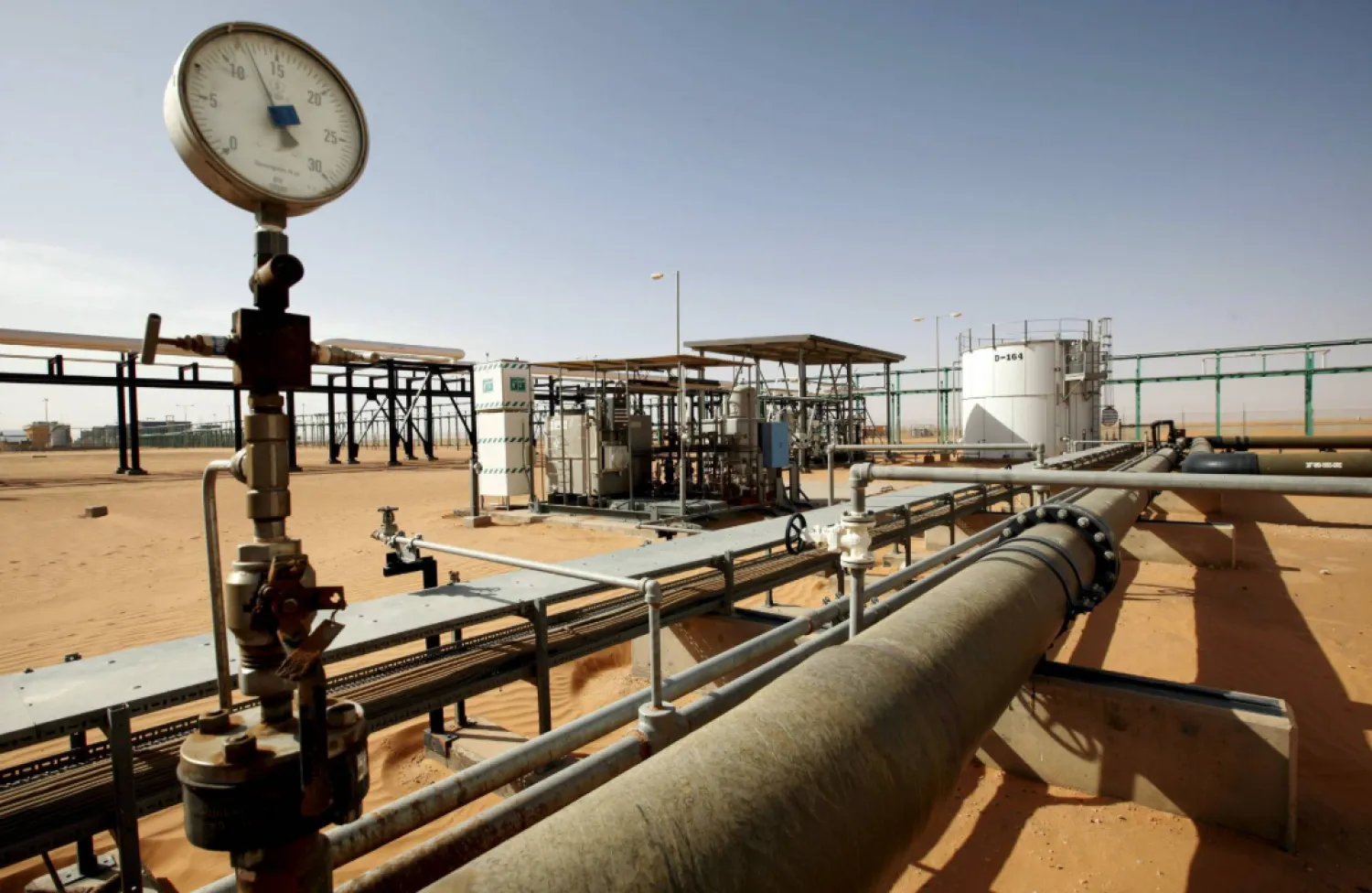
The US naval blockade is having significant impact on oil flows in Iran, which is running out of places to store its own crude and only about 22 days of capacity left to avoid a crippling production shutdown.

With shipments falling sharply and fuel reservoirs nearly filled, Iran’s storage capacity crisis poses a prominent threat to the country's infrastructure.

Analysts say the country could soon run out of space to store oil — forcing deeper production cuts and potentially triggering long-term damage to its energy system.

According to data firm Kpler, The Wall Street Journal and Bloomberg, the blockade has cut exports by roughly 70%, forcing Iran to revive derelict sites known as “junk storage,” using improvised containers and trying to ship crude by rail to China.

The unusual steps are aimed at delaying an infrastructure crisis and blunting Washington’s leverage in the standoff over the Strait of Hormuz, according to The Wall Street Journal.

Since early April, with the imposition of the naval blockade on Iranian ports, the volume of oil loading onto tankers has dropped from 1.85 million barrels per day in March to only 567 thousand, according to a Bloomberg report.

And despite reports saying some tankers have evaded the blockade, data from Kpler and The Wall Street Journal said no ships have successfully escaped the US blockade of Iranian ports, with officials stating that vessels had been turned back or complied with redirection orders.

Chabahar Port, located east of the Strait of Hormuz and outside the Arabian Gulf, is a critical backup gateway for Iran to circumvent strait-related risks. However, satellite imagery confirms that around six to eight Very Large Crude Carriers (VLCCs) are anchored off the coast of Chabahar in the Gulf of Oman, where the tankers serve as “floating oil storage” unable to break the US blockade.

To manage the crisis, Iran is using new ways to store excess oil that it cannot sell due to the blockade. Tehran has activated the 30-year-old supertanker Nasha for emergency oil storage near Kharg Island.

According to Kpler, the accumulation of oil at sea is substantial. Iran currently holds around 184 million barrels of crude in floating storage, with 60 million barrels trapped within the blockade zone and the remainder located near major Asian trading hubs.

Last week, the US Navy said it forcefully intercepted and turned away two VLCCs.

Iran's onshore crude inventories have risen by about 4.6 million barrels since the blockade to nearly 49 million barrels, according to Bloomberg.

While total storage capacity is estimated at around 95 million barrels if additional northern refinery tanks are included, Kpler said operational constraints, safety limits, and geographic factors mean a significant portion of this capacity may not be practically usable.

This means that Iran has just 12 days of onshore capacity storage left, rising to about 22 days including floating storage, before it is forced to cut production of up to 1.5 million barrels a day as soon as mid-May.