


Saudi Arabia, Qatar Reopen Land Border after Reconciliation

Saudi customs employees welcome travelers passing through the al-Salwa border crossing with Qatar. (SPA)
TT

Saudi Arabia, Qatar Reopen Land Border after Reconciliation

Saudi customs employees welcome travelers passing through the al-Salwa border crossing with Qatar. (SPA)

Saudi Arabia and Qatar reopened on Saturday the only land border between their countries, in line with the reconciliation that was announced on Tuesday.

The move was in line with the approval of Custodian of the Two Holy Mosques King Salman bin Abdulaziz to reopen all borders with Doha before last week’s Gulf summit.

The 41st Gulf Cooperation Council summit, held in Saudi Arabia’s AlUla, witnessed the signing of the AlUla declaration that ended the Gulf row.

Saudi Airlines (Saudia) will operate flights from Riyadh and Jeddah to Doha, starting from Monday, the airline said in a tweet on Saturday. It will operate four flights a week from the Saudi capital and three from Jeddah.

After a three-year closure, Qatari vehicles were seen passing through the Abu Samra land crossing with Saudi Arabia where health precautions are in place amid the ongoing coronavirus pandemic.

Saudis are still barred from leaving the country due to the outbreak. The travel ban is due to be lifted in March.

Asharq Al-Awsat was at the crossing to witness the warm welcome shown to Qataris, reflecting the bonds of friendship between the neighbors.

Saudi Arabia, the United Arab Emirates, Bahrain and Egypt ended on Tuesday the Gulf crisis by declaring reconciliation with Qatar after a three-year rift.

The quartet and other Gulf nations prioritized the higher national interests of their people and the future of their region.
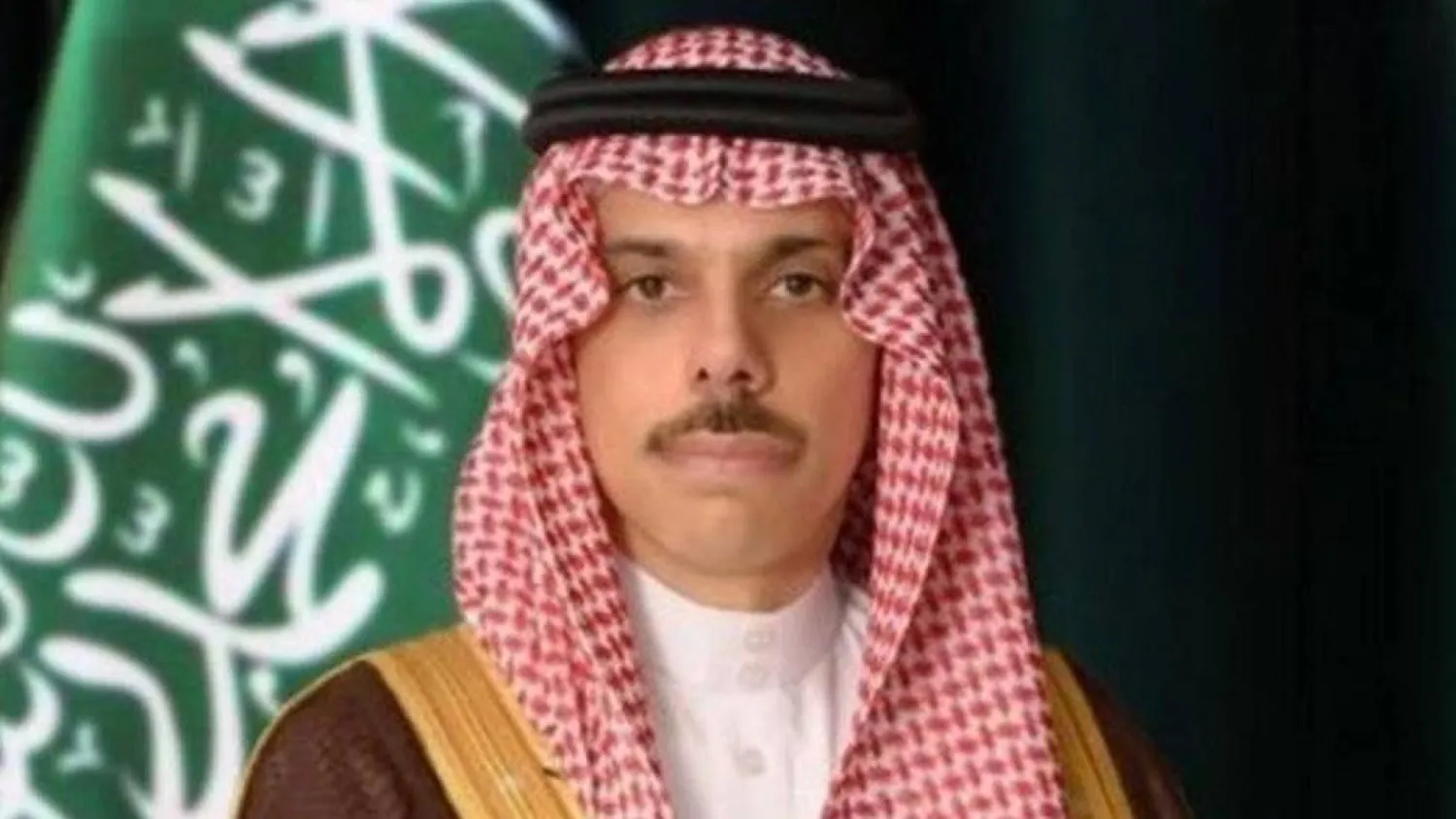


Saudi FM Stresses Ongoing Support for UN Efforts to Promote Values of Dialogue, Tolerance

The Saudi Foreign Minister chaired the opening of the 11th UNAOC Global Forum in Riyadh. SPA
TT

Saudi FM Stresses Ongoing Support for UN Efforts to Promote Values of Dialogue, Tolerance

The Saudi Foreign Minister chaired the opening of the 11th UNAOC Global Forum in Riyadh. SPA

Saudi Minister of Foreign Affairs Prince Faisal bin Farhan bin Abdullah chaired on Sunday the opening session of the 11th Global Forum of the United Nations Alliance of Civilizations (UNAOC), hosted by Riyadh, under the theme “Two Decades of Dialogue for Humanity: Advancing a New Era of Mutual Respect and Understanding in a Multipolar World."

The forum was attended by UN Secretary-General Antonio Guterres, High Representative for the United Nations Alliance of Civilizations Miguel Angel Moratinos, a number of foreign ministers from different countries, political and religious leaders, heads of international organizations, and representatives of civil society.

In his address at the opening session, the Saudi Foreign Minister affirmed that the Kingdom’s hosting of the forum reflects its continued support for United Nations efforts to promote the values of dialogue, tolerance, and peaceful coexistence among civilizations and cultures.

He underscored that Saudi Vision 2030 embodies a national approach grounded in moderation and openness to other civilizations, as well as in confronting hate speech and extremism.

Prince Faisal highlighted that the convening of the 11th session of the United Nations Alliance of Civilizations serves to review past efforts and to exchange views and ideas on how to manage diversity and differences by building bridges of communication and dialogue among various civilizations and religions.

Prince Faisal stressed that youth are the true embodiment of hope, stating: “They are the leaders of the future and messengers of peace. In this context, I cannot help but express my great pleasure at seeing such a large number of young people in this hall.”

“A youth forum is being held on the sidelines of this forum, and this venue will host the graduation of the eighth cohort of the Young Leaders Qualification Program of the (Salam) Project for Civilizational Communication. Accordingly, it can be said that this United Nations Alliance of Civilizations forum is a forum for youth,” he added.

The forum aims to review the achievements of two decades of global dialogue, discuss current challenges, and envision the future of joint action to enhance mutual understanding among peoples and build bridges of communication that support international peace and stability.


Libya’s Unity Gov. Urges Stronger Partnership with Saudi Arabia on Development Projects

Abdul Hamid Dbeibah during his meeting with members of the Saudi delegation (Dbeibah's Office)
TT

Libya’s Unity Gov. Urges Stronger Partnership with Saudi Arabia on Development Projects

Abdul Hamid Dbeibah during his meeting with members of the Saudi delegation (Dbeibah's Office)

Libya’s Government of National Unity has called for strengthening partnerships with Saudi Arabia in development projects.

The appeal came during a meeting on Thursday between Prime Minister Abdul Hamid Dbeibah and a high-level delegation from Saudi Arabia’s Amiantit Group.

The group is one of the world's leading companies in the manufacturing of pipes and tanks, offering innovative solutions for water management and infrastructure.

The meeting was also attended by a representative of Technical Link Services for Communications (TLS), a subsidiary of Etihad Salam Telecommunications, which specializes in communications and information technology solutions.

Discussions centered on strengthening Libyan-Saudi cooperation to advance infrastructure projects, stimulate investment in the industrial and agricultural sectors, and expand prospects for collaboration.

The meeting followed agreements with Libya’s Ministry of Housing and Construction on water infrastructure, specialized factories, and advanced water treatment solutions.

The agreements also included deals that aim to upgrade Libya’s communications infrastructure and modernize its IT and telecom services.

In January, on the sidelines of the World Economic Forum in Davos, Dbeibah had outlined Libya’s vision to strengthen cooperation with Gulf countries, particularly Saudi Arabia to attract international investment across various economic and development sectors.

He discussed with several Saudi officials ways to reinforce bilateral partnerships in oil, gas, and renewable energy, highlighting Saudi Arabia as a key partner in developing Libya’s oil infrastructure.


Saudi-Emirati Team in Aden to Restore Calm in Eastern Yemen

A view of Yemen's interim capital Aden. (Reuters file)
TT

Saudi-Emirati Team in Aden to Restore Calm in Eastern Yemen

A view of Yemen's interim capital Aden. (Reuters file)

A Saudi-Emirati team arrived in Yemen’s interim capital Aden on an urgent mission to put in place executive mechanisms for the withdrawal of the Southern Transitional Council (STC) forces from the Hadhramaut and al-Mahra provinces and returning them under the control of previous forces under the direct supervision of the Saudi-led Arab coalition.

The team will discuss arrangements related to the handover of positions to the National Shield Forces to ensure that the situation returns to the way it was before the escalation.

The step is in line with Saudi Arabia’s intense efforts to end the escalation in eastern Yemen, in rejection of any unilateral measures taken by the STC in Hadhramaut, which the coalition viewed as an attempt to impose a new status quo or drag the province into internal strife that threatens peace and stability.

Sources told Asharq Al-Awsat that the arrival of the team consolidates Riyadh’s rejection of activities that may create mistrust or deepen the divisions inside Yemen’s legitimate institutions.