


Dr. Seuss Pulls Six Books over Racist Imagery

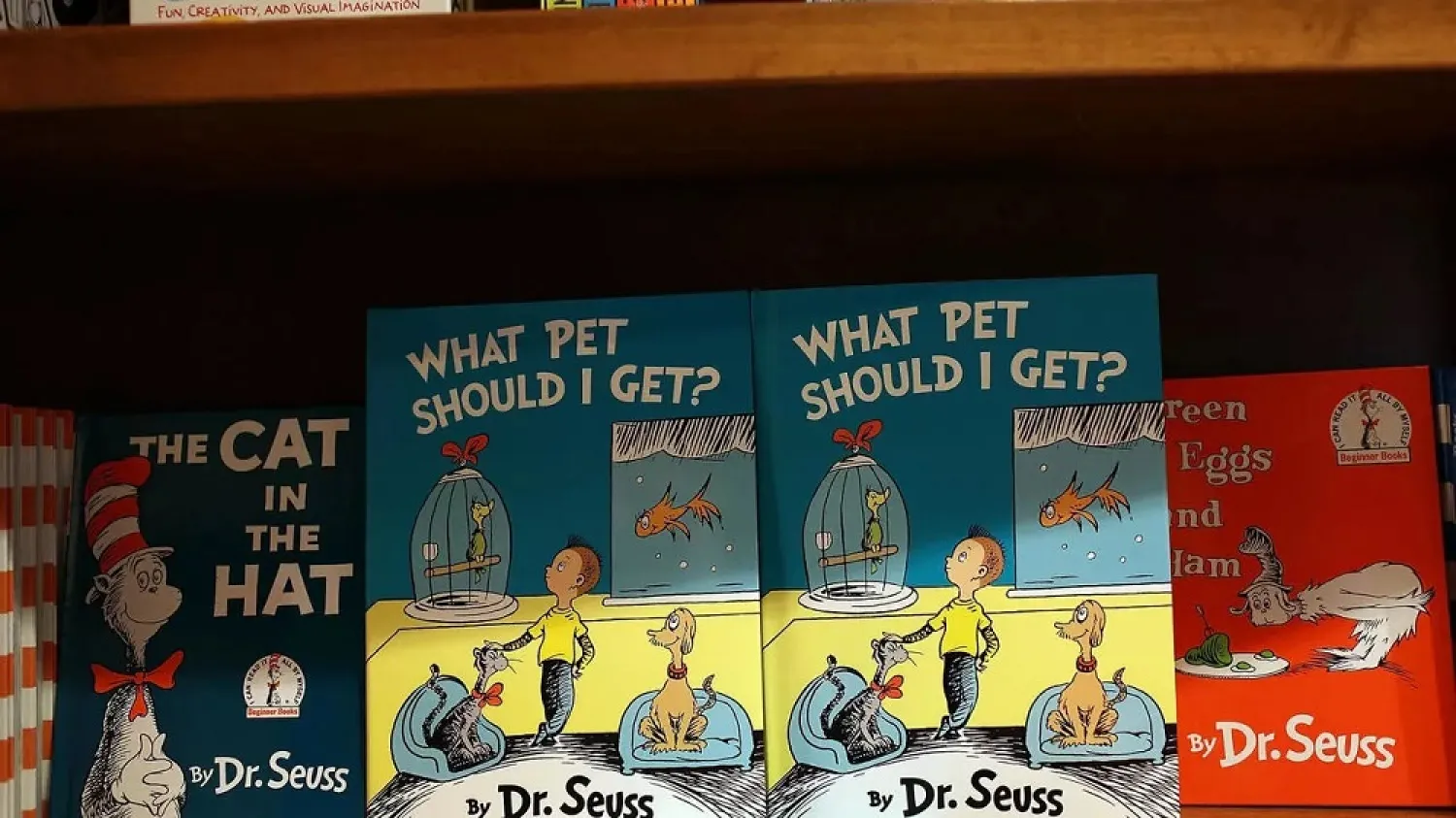
Dr. Seuss books on display in a bookshop in Florida in 2015. (AFP)
TT

Dr. Seuss Pulls Six Books over Racist Imagery

Dr. Seuss books on display in a bookshop in Florida in 2015. (AFP)

They are beloved by generations of early readers for their wacky rhyming tales and mischievous plotlines, but six Dr. Seuss books are being pulled because of imagery now considered racist.

Dr. Seuss Enterprises -- the publisher of the bestselling children's books -- announced Tuesday that it is taking the six titles, which include "If I Ran the Zoo" and "The Cat's Quizzer," out of print.

The move comes as criticism grows in the United States over the way minority communities have been portrayed in many of his books.

Dr. Seuss Enterprises said it had made the decision after carrying out a review of its collection last year with the help of experts, including teachers.

"These books portray people in ways that are hurtful and wrong," the company said in a statement.

The other titles being consigned to history are "And to Think That I Saw It on Mulberry Street," "McElligot's Pool," "On Beyond Zebra!" and "Scrambled Eggs Super!"

"Ceasing sales of these books is only part of our commitment and our broader plan to ensure Dr. Seuss Enterprises’ catalog represents and supports all communities and families," the statement added.

Dr. Seuss Enterprises made the announcement on what would have been the birthday of the famous children's book author.

Seuss, born Theodor Seuss Geisel in Massachusetts in 1904, published more than 60 books during his lifetime, including some of the most popular children's books of all time.

His most famous works include "The Cat in the Hat," "Green Eggs and Ham" and "How the Grinch Stole Christmas."

Seuss's books have sold more than 650 million copies and have been translated into dozens of languages.

However, his books are being reevaluated over their portrayal of Black and Asian people.

A 2019 study published in the "Research on Diversity in Youth Literature" journal studied 50 of his books.

The report concluded that 43 of the 45 characters of color had characteristics aligning with the definition of Orientalism.

The two Black characters in the books were identified as "African" and both "align with the theme of anti-Blackness," the study said.

Stereotypical characters portrayed as "Arabian" appear in "If I Ran the Zoo," "On Beyond Zebra!" and "Scrambled Eggs Super!"

"The Cat's Quizzer" also features "Arabian" figures as well as a character portrayed as "a Japanese."

"And to Think That I Saw It on Mulberry Street," features a "Chinese boy" with a rice bowl and chopsticks.

The study also noted that Seuss published anti-Black and anti-Semitic cartoons in a magazine in the 1920s as well as racist anti-Japanese propaganda during World War II.

On Saturday, a school district in Virginia suggested it was moving away from Dr. Seuss books while not banning them completely.

"Research in recent years has revealed strong racial undertones in many books written/illustrated by Dr. Seuss," Loudoun County Public Schools said.

In 2017, a school librarian in Cambridge Massachusetts said she would not accept a gift of ten Dr. Seuss books from then first lady Melania Trump because many of his books were "steeped in racist propaganda, caricatures, and harmful stereotypes."


Cultural Camp at King Abdulaziz Camel Festival Showcases Saudi Heritage

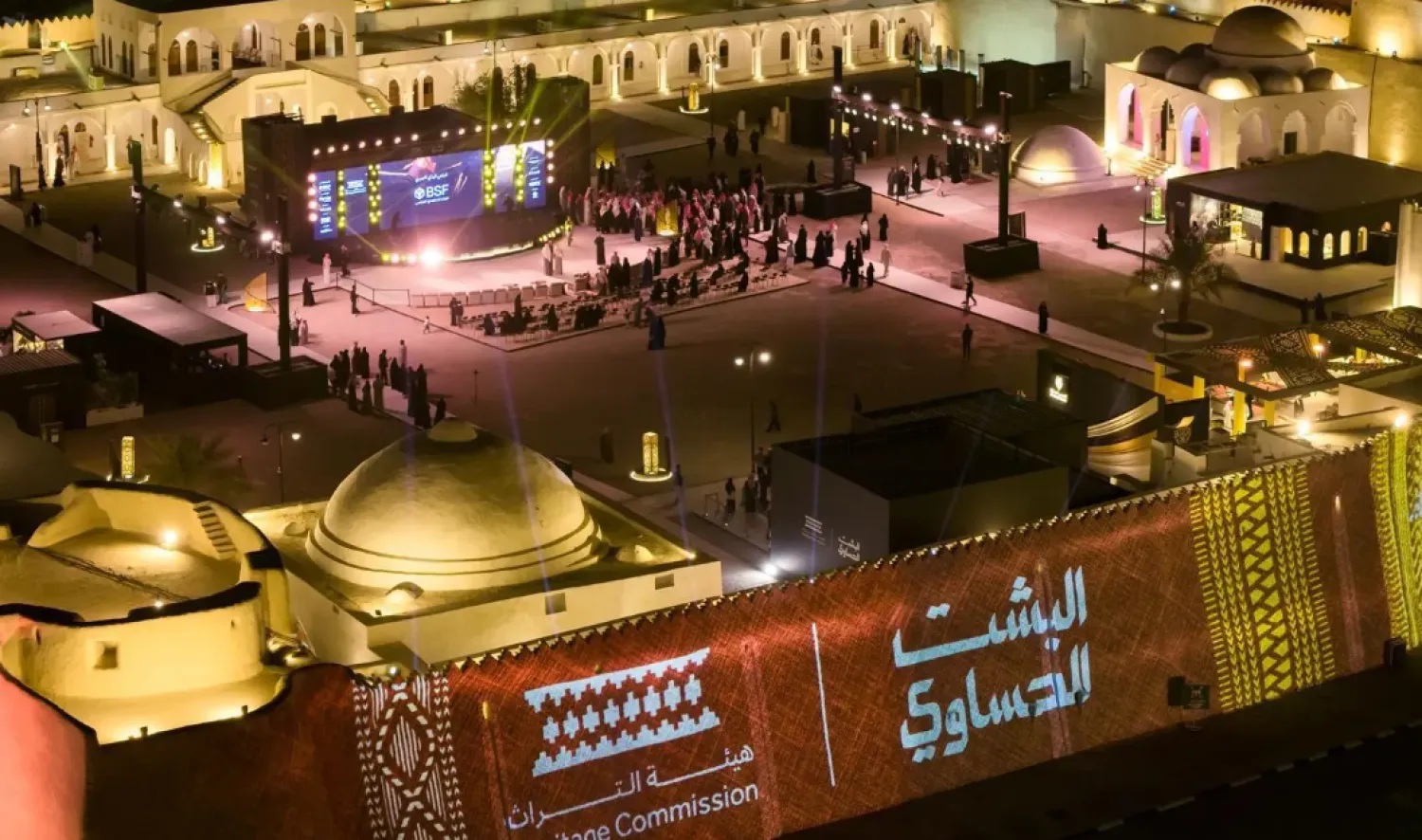
The camp celebrates authentic Saudi heritage and reinforces culture as a cornerstone of national identity - SPA
TT

Cultural Camp at King Abdulaziz Camel Festival Showcases Saudi Heritage

The camp celebrates authentic Saudi heritage and reinforces culture as a cornerstone of national identity - SPA

The cultural camp is a key feature of the 10th King Abdulaziz Camel Festival, held in Al-Sayahid desert. The camp celebrates authentic Saudi heritage and reinforces culture as a cornerstone of national identity, according to SPA.

It offers a range of programs, including live performances and interactive events, that highlight camels' historical significance in Arab culture and illustrate the values of patience, strength, and belonging.

The camp has attracted over 2,000 guests from 71 nationalities, emphasizing its global appeal as a cultural platform for diversity and tradition.

Visitors engage with cultural content through innovative methods that merge authenticity with modern technology, enhancing awareness of the camel's cultural legacy. This initiative aligns with Saudi Vision 2030 by preserving heritage and connecting younger generations with their roots.


Tuwaiq Sculpture 2026 Announces 25 Participating Artists for Seventh Edition

The 2026 edition features a month-long live sculpting phase alongside a community engagement program - SPA
TT

Tuwaiq Sculpture 2026 Announces 25 Participating Artists for Seventh Edition

The 2026 edition features a month-long live sculpting phase alongside a community engagement program - SPA

Under the Royal Commission for Riyadh City and Riyadh Art, Tuwaiq Sculpture has announced the selection of 25 artists for the seventh edition of the annual sculpture symposium and exhibition, taking place from January 10 to February 22, 2026.

This year’s edition unfolds under the curatorial theme “Traces of What Will Be,” inviting artists to reflect on how sculptural form can express the physical, cultural and conceptual traces that shape the future of cities and communities, SPA reported.

A total of 25 artists from 18 countries, including Saudi artists, have been selected for the seventh edition. Their proposals reflect a diverse range of artistic approaches, responding to the theme through explorations of transformation, place, and materiality.

Director of the Tuwaiq Sculpture Symposium Sarah Alruwayti said: "The seventh edition of Tuwaiq Sculpture received more than 590 applications, reflecting the cultural diversity and global interest in the symposium. The selection of the 25 participating artists was carried out by a jury of industry experts and specialists. Their proposals show meaningful engagement with the theme and reflect the strength and diversity of contemporary sculptural practice. We look forward to welcoming them to Riyadh for the creation of new works that will become lasting additions to the city.”

Building on the evolving material practice of the symposium, Tuwaiq Sculpture 2026 introduces two sculpting categories: granite with optional stainless-steel integration and reclaimed metal. Twenty artists will work in granite, while five will create new works in reclaimed metal. Over four weeks, they will produce large-scale sculptures that will later be added to Riyadh Art’s permanent public art collection.

The 2026 edition features a month-long live sculpting phase alongside a community engagement program, inviting visitors to witness the creation of artworks and take part in panel discussions and workshops. The symposium will conclude with a public exhibition showcasing the completed sculptures from its seventh edition.


ALECSO Celebrates Opening of Arabic Calligraphy Center in Saudi Arabia

Arabic calligraphy adorns wrcades, Walls of the Grand Mosque of Makkah - SPA
TT

ALECSO Celebrates Opening of Arabic Calligraphy Center in Saudi Arabia

Arabic calligraphy adorns wrcades, Walls of the Grand Mosque of Makkah - SPA

The Arab League of Educational, Cultural and Scientific Organization (ALECSO) congratulated Saudi Arabia on the opening of the Prince Mohammed bin Salman Global Center for Arabic Calligraphy in Madinah on December 22, 2025.

In a statement, ALECSO called the center a significant addition to the Arab and Islamic cultural landscape, noting its role in preserving Arabic calligraphy and enhancing its global presence, SPA reported.

This achievement reflects the Kingdom's commitment to culture and heritage, aligning with Saudi Vision 2030’s objectives of fostering cultural creativity and reinforcing Arabic identity.

ALECSO emphasized that such institutions serve as global bridges for cultural exchange and ensure the relevance of traditional arts through dedicated research and training facilities.