


Russian COVID-19 Vaccine Trials in UAE Reach Final Monitoring Phase

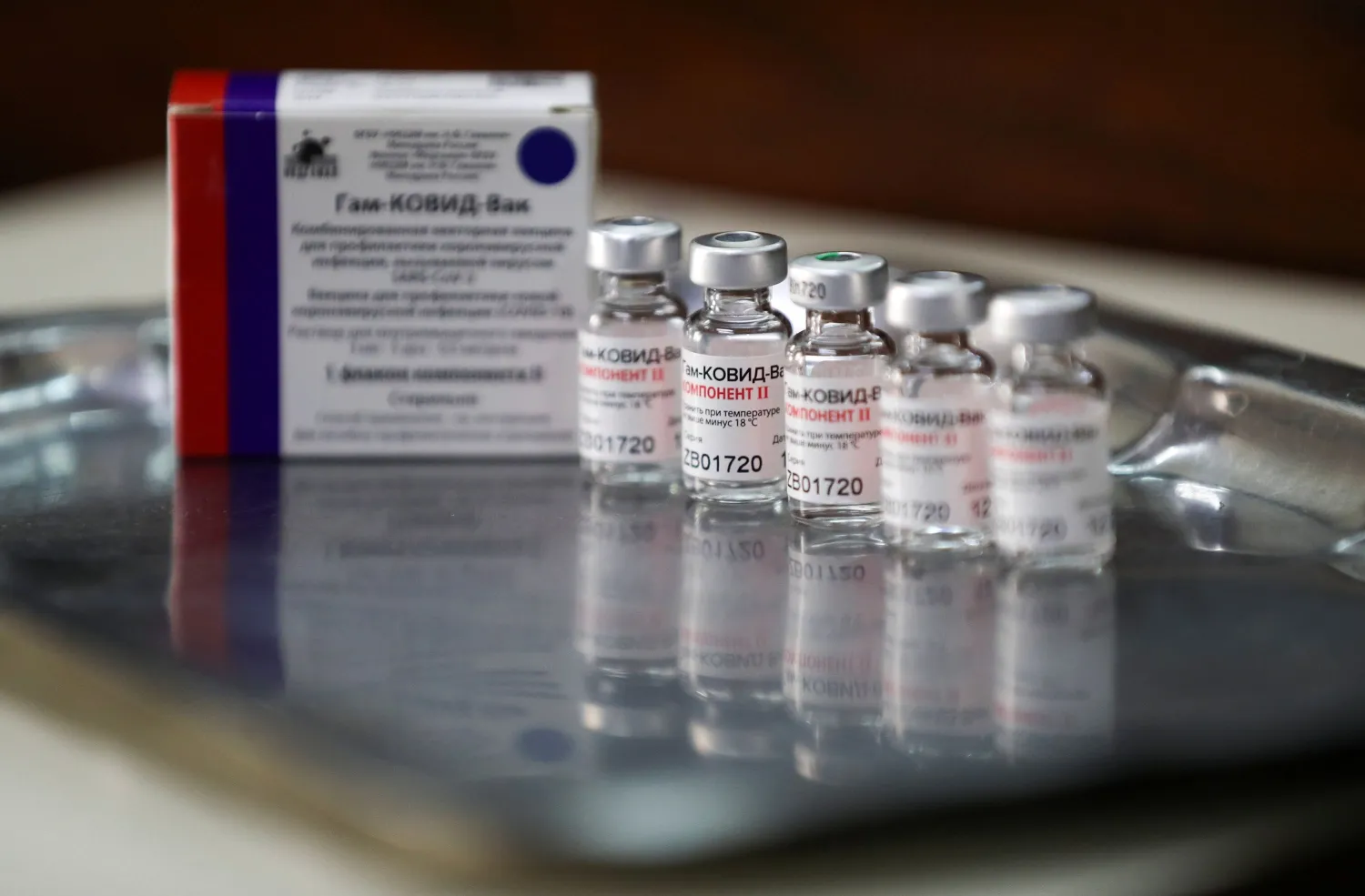
Empty vials of the second dose of the Sputnik V (Gam-COVID-Vac) vaccine are pictured at the San Martin hospital, in La Plata, on the outskirts of Buenos Aires, Argentina on Jan. 21, 2021. (Reuters Photo)
TT

Russian COVID-19 Vaccine Trials in UAE Reach Final Monitoring Phase

Empty vials of the second dose of the Sputnik V (Gam-COVID-Vac) vaccine are pictured at the San Martin hospital, in La Plata, on the outskirts of Buenos Aires, Argentina on Jan. 21, 2021. (Reuters Photo)

The Russian Direct Investment Fund (RDIF), Pure Health and Aurugulf have announced that the clinical trials of the Russian human adenovirus-based COVID-19 vaccine in the UAE have moved into the final monitoring phase, under the supervision of the Ministry of Health, Abu Dhabi Health Services Company (SEHA) and Department of Health - Abu Dhabi.

Following the successful second dose vaccination of 1,000 volunteers, the next step involves monitoring volunteers’ immune response over 180 days, state news agency WAM reported

UAE findings are to be released by April 2021 and amalgamated with promising research findings from other global trials.

Recent interim results from Phase III of clinical trials of the Russian human adenovirus-based vaccine, as reported in leading international medical journal The Lancet, showed high efficacy of 91.6 per cent, as well as strong immunogenicity and safety results.

The UAE clinical trial is part of the Vaccine for Victory (V4V) campaign, the UAE’s chapter of the global vaccination trial of the Russian human adenovirus-based vaccine developed by Gamaleya National Research Institute of Epidemiology and Microbiology, and facilitated in partnership with the Russian Direct Investment Fund (RDIF). Abu Dhabi-based Aurugulf Health Investment and Pure Health will be the official marketing and distribution partners.

The trial’s principal investigator and Consultant Physician (Infectious Diseases) in the UAE Dr. Ahmed Al Hammad, said: "Moving onto this next monitoring phase should be celebrated as an achievement for the UAE’s medical community. It’s an important precursor to studying the immune response in a diverse range of volunteers, paving the way for further securing the safety of our citizens and residents against COVID-19."

Kirill Dmitriev, CEO of the Russian Direct Investment Fund, said: "The clinical trials have shown promising results across the globe. This next stage will add important data, further demonstrating the high efficacy of the vaccine and strengthening the UAE’s global efforts in pioneering scientific discovery."

The Russian vaccine has been tested on healthy adults from multiple nationalities aged 18 years and above, living in the UAE, with no history of COVID-19 vaccinations or infection, and who have not suffered any communicable or severe respiratory diseases. The vaccine was registered for use in Russia in August 2020, the first registered COVID-19 vaccine out of 165 being developed across the world.

Based on the results of the Russian Phase III clinical trial, which included over 33,000 volunteers, the Ministry of Health authorized the emergency use of the Russian vaccine in the UAE in January.

Two earlier phases of the vaccine clinical trials, published in The Lancet, reported stable humoral and cellular immune response among volunteers.



King Salman: We Thank God for Honoring Us With Serving the Two Holy Mosques and Caring for Pilgrims

Custodian of the Two Holy Mosques King Salman bin Abdulaziz (Asharq Al-Awsat)
TT

King Salman: We Thank God for Honoring Us With Serving the Two Holy Mosques and Caring for Pilgrims

Custodian of the Two Holy Mosques King Salman bin Abdulaziz (Asharq Al-Awsat)

Custodian of the Two Holy Mosques King Salman bin Abdulaziz on Wednesday expressed “gratitude to Almighty God for honoring us with the service of the Two Holy Mosques and the care of pilgrims to His Sacred House.”

King Salman prayed that God accept the pilgrims’ Hajj, rituals and acts of worship.

“With the advent of the blessed Eid al-Adha, we congratulate our people in this blessed homeland and our Islamic nation on this occasion, and pray to Him Almighty to make it an Eid of goodness, peace and stability for our nation and the entire world. May you all be well every year,” the king said.

Since dawn on the first day of Eid al-Adha, pilgrims have begun performing the stoning ritual at Mina, casting seven pebbles at the Grand Jamarat (Jamarat al-Aqaba), amid smooth crowd movement under the prepared dispatching plan.

About 1.7 million pilgrims departed to Muzdalifah after sunset on Tuesday following their standing at Arafat to perform the greatest pillar of Hajj, in safety and dressed in unified white garments.

Security and service teams were deployed across the holy sites to oversee pilgrims’ movement from Arafat to Muzdalifah, where they remained until dawn on Wednesday, the morning of Eid al-Adha, in preparation for proceeding to Mina to perform the stoning of Jamarat al-Aqaba, Tawaf al-Ifadah, the sacrificial offering, and the shaving or trimming of hair, before staying in Mina for the remainder of the Hajj rites.

Saudi Interior Minister Prince Abdulaziz bin Saud bin Naif said the level of security, organizational and service integration across the Hajj system, along with its advanced capabilities and preparations, reflects the scale of care provided to pilgrims and enhances the efficiency of implementing security and operational plans to ensure their safety and enable them to perform their rituals with ease and reassurance.

On Tuesday, the interior minister inspected the Special Security Forces of the Presidency of State Security participating in the Hajj security forces, praising the specialized efforts carried out by the units.


Pilgrims Perform Tawaf Al-Ifadah in Spiritual Atmosphere

The Grand Mosque witnessed a large influx of pilgrims performing Tawaf Al-Ifadah under the direct supervision of the relevant sectors - SPA
TT

Pilgrims Perform Tawaf Al-Ifadah in Spiritual Atmosphere

The Grand Mosque witnessed a large influx of pilgrims performing Tawaf Al-Ifadah under the direct supervision of the relevant sectors - SPA

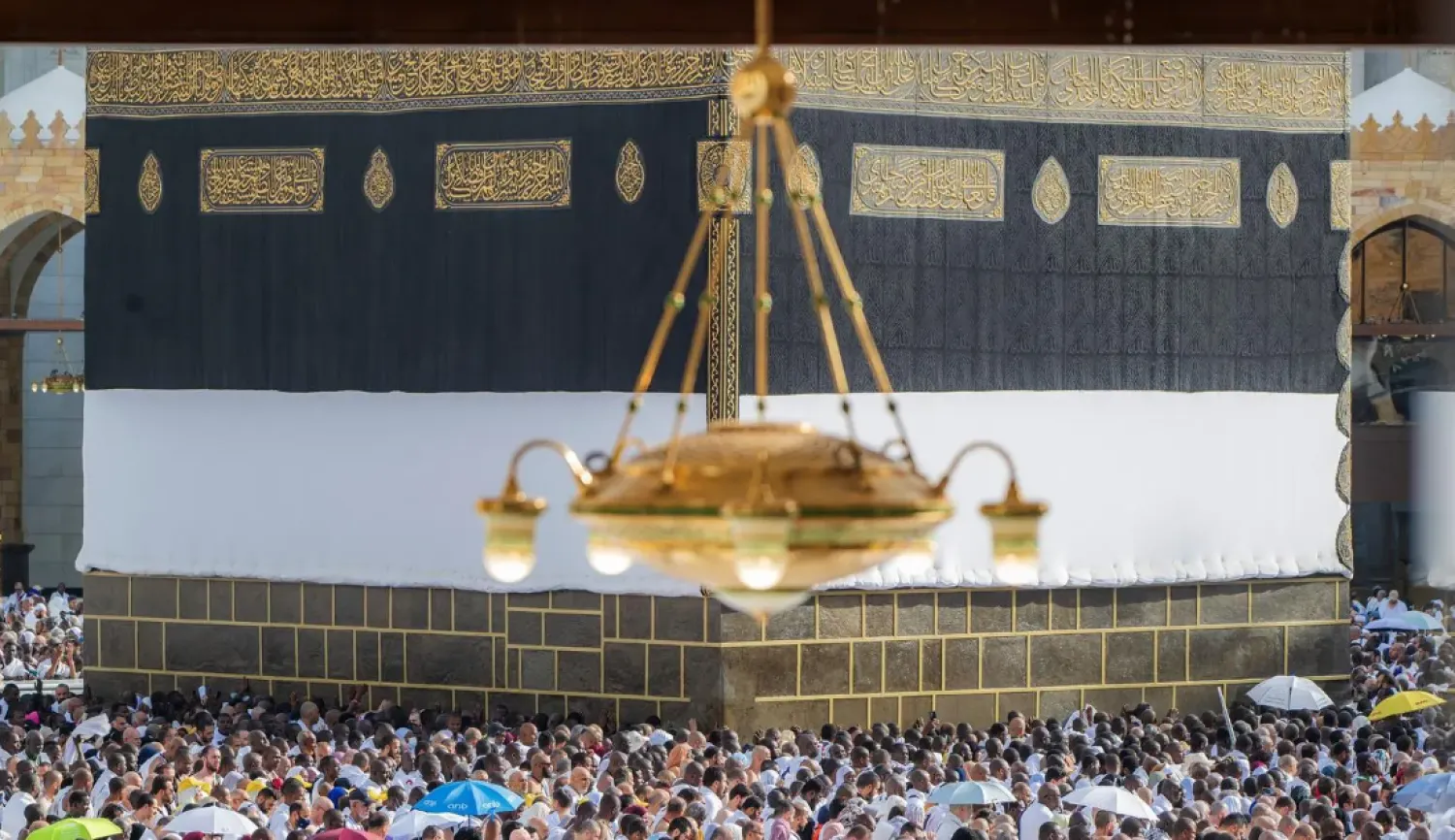
Pilgrims Wednesday performed Tawaf Al-Ifadah at the Grand Mosque after standing at Arafat, spending the night in Muzdalifah and performing the stoning of Jamrat Al-Aqaba, SPA reported.

This was facilitated through a comprehensive system of organizational, health, and security services provided by the relevant authorities to ensure the smooth movement and safety of pilgrims throughout their rituals.

The Grand Mosque witnessed a large influx of pilgrims performing Tawaf Al-Ifadah under the direct supervision of the relevant sectors, which mobilized their human and technological resources to serve worshippers and facilitate their movement with ease and efficiency.

Pilgrims will continue performing their rituals in Mina during the Days of Tashreeq, where they will stone the three Jamarat. They will then conclude their Hajj with the Farewell Tawaf before departing Makkah.


Pilgrims Perform Stoning Ritual at Jamrat Al-Aqaba in Mina

Muslim pilgrims cast stones at a pillar symbolizing Satan, during the annual hajj pilgrimage in Mina, Saudi Arabia, May 27, 2026. REUTERS/Ibraheem Abu Mustafa
TT

Pilgrims Perform Stoning Ritual at Jamrat Al-Aqaba in Mina

Muslim pilgrims cast stones at a pillar symbolizing Satan, during the annual hajj pilgrimage in Mina, Saudi Arabia, May 27, 2026. REUTERS/Ibraheem Abu Mustafa

Pilgrims arriving from Muzdalifah began at dawn Wednesday performing the stoning ritual at Jamrat Al-Aqaba in Mina on the first day of Eid Al-Adha, amid an integrated system of security, health, and organizational services provided by the relevant Saudi authorities to facilitate the performance of rituals.

The Jamarat facility witnessed smooth crowd movement supported by direct field monitoring and operational plans designed to regulate pedestrian flows and ensure safe mobility between the holy sites.

Authorities were on hand around the facility through the deployment of ambulance and medical teams, guidance and awareness services, and enhanced sanitation and cleaning operations to provide a safe and comfortable environment for pilgrims.

Meanwhile, shuttle buses and Al Mashaaer Al Mugaddassah Metro continued transporting pilgrims between the holy sites according to operational schedules aligned with traffic and crowd-management plans aimed at easing movement and reducing travel time.

Stoning of Jamrat Al-Aqaba marks one of the key Hajj rituals performed by pilgrims following their overnight stay in Muzdalifah, before continuing the remaining rites of the Day of Al-Nahr (Day of Sacrifice), including animal sacrifice, hair shaving or trimming, and Tawaf Al-Ifadah.