


Twitter CEO Sells First Ever Tweet for $2.9 Million

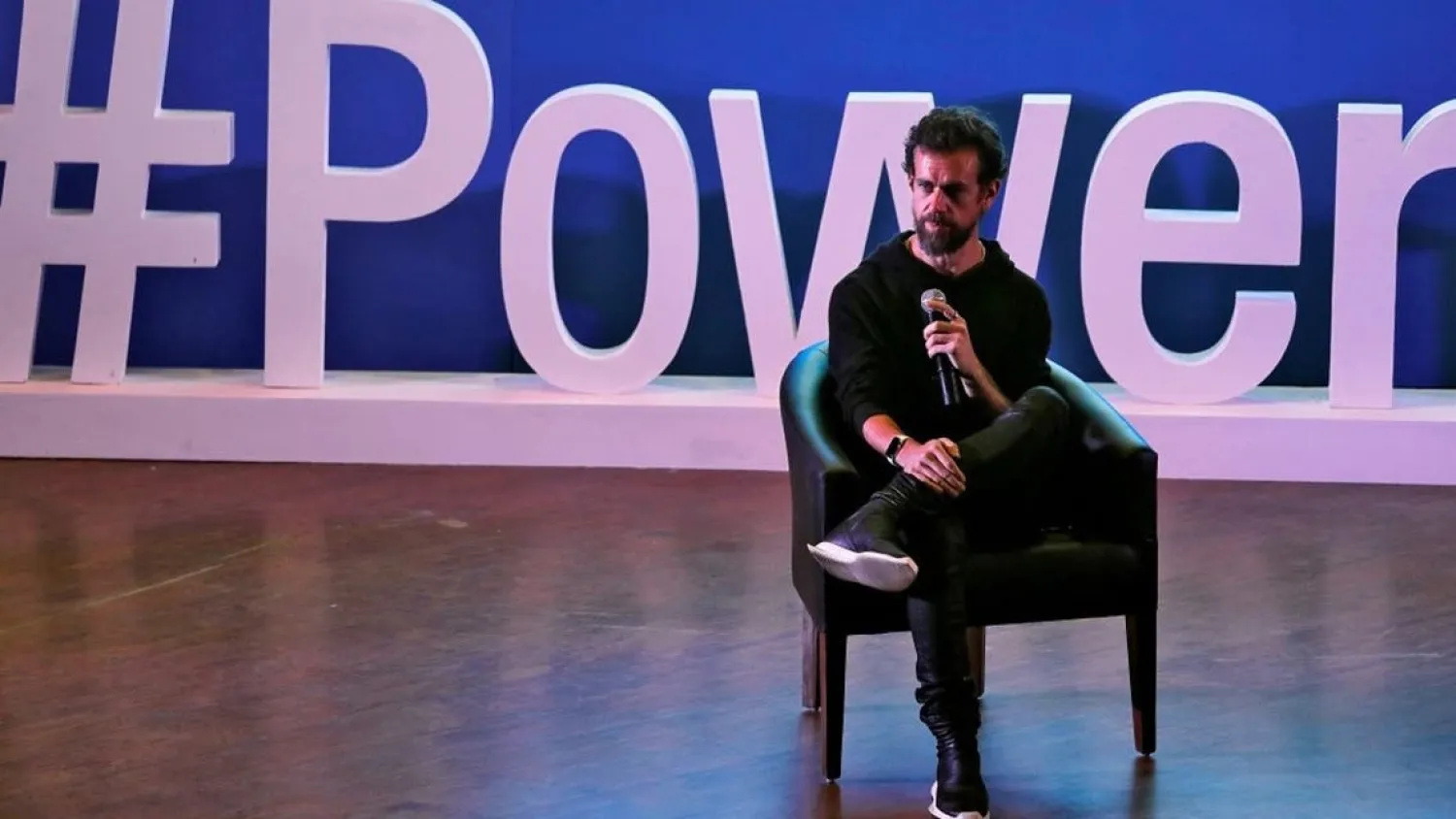
FILE PHOTO: Twitter CEO Jack Dorsey addresses students during a town hall at the Indian Institute of Technology (IIT) in New Delhi, India, November 12, 2018. REUTERS/Anushree Fadnavis//File Photo
TT

Twitter CEO Sells First Ever Tweet for $2.9 Million

FILE PHOTO: Twitter CEO Jack Dorsey addresses students during a town hall at the Indian Institute of Technology (IIT) in New Delhi, India, November 12, 2018. REUTERS/Anushree Fadnavis//File Photo

Twitter boss Jack Dorsey sold his first tweet as an NFT for just over $2.9 million dollars this week.

The tweet is in the form of a non-fungible token (NFT) - a kind of unique digital asset that has exploded in popularity so far in 2021.

Each NFT has its own blockchain-based digital signature, which serves as a public ledger, allowing anyone to verify the asset’s authenticity and ownership.

The tweet - "just setting up my twttr" - was Dorsey's first tweet, made on March 21, 2006, Reuters reported.

The NFT was sold via auction on a platform called Valuables, which is owned by the US-based company Cent.

It was bought using the cryptocurrency Ether, for 1630.5825601 ETH, which was worth $2,915,835.47 at the time of sale, Cameron Hejazi, the CEO and co-founder of Cent confirmed.

Cent confirmed the buyer is Sina Estavi. Estavi’s Twitter profile, @sinaEstavi, says he is based in Malaysia and is CEO of the blockchain company Bridge Oracle. Estavi told Reuters he was “thankful” when asked for comment about the purchase.

On March 6, Dorsey, who is a bitcoin enthusiast, tweeted a link to the website where the NFT was listed for sale. He then said in another tweet on March 9 that he would convert the proceeds from the auction into bitcoin and donate them to people impacted by COVID-19 in Africa.

Dorsey receives 95% of the proceeds of the primary sale, while Cent receives 5%.

Cent CEO Cameron Hejazi said that his platform allows people to show support for a tweet that goes beyond the current options to like, comment and retweet.

“These assets might go up in value, they might go down in value, but what will stay is the ledger and the history of ‘I purchased this from you at this moment in time’ and that’s going to be in both the buyer, the seller and the public spectators’ memory,” Hejazi said, adding that this was “inherently valuable.”

Brazil to Get Satellite Internet from Chinese Rival to Starlink in 2026

Brazil's new Chief of Staff of the Presidency Rui Costa attends a ministerial meeting at the Planalto Palace in Brasilia, Brazil January 6, 2023. REUTERS/Adriano Machado
TT

Brazil to Get Satellite Internet from Chinese Rival to Starlink in 2026

Brazil's new Chief of Staff of the Presidency Rui Costa attends a ministerial meeting at the Planalto Palace in Brasilia, Brazil January 6, 2023. REUTERS/Adriano Machado

Chinese low Earth orbit satellite company SpaceSail will start providing internet access to remote areas in Brazil in the first half of 2026, President Luiz Inacio Lula da Silva's chief of staff, Rui Costa, said on Wednesday, Reuters reported.

SpaceSail and Brazil's state-owned telecom Telebras had signed a memorandum of understanding in late 2024 to offer satellite internet services for schools, hospitals and other essential services in the South American country.

SpaceSail competes directly with Elon Musk's Starlink in the satellite internet market.


Google Launches First Ever Co-branded Credit Card in India

FILE PHOTO: A Google logo is seen at a company research facility in Mountain View, California, US, May 13, 2025. REUTERS/Carlos Barria/File Photo
TT

Google Launches First Ever Co-branded Credit Card in India

FILE PHOTO: A Google logo is seen at a company research facility in Mountain View, California, US, May 13, 2025. REUTERS/Carlos Barria/File Photo

Alphabet Inc's Google Pay launched its first co-branded digital credit card in India on Wednesday in partnership with Axis Bank, intensifying efforts to monetize its massive user base in the country's crowded fintech sector.

WHY IT'S IMPORTANT

While Google Pay is a dominant player in India's popular domestic payments network, the Unified Payments Interface (UPI), its core service generates zero revenue from user-to-user payments due to government mandates. It, however, earns commissions for in-app services like bill payments and mobile recharges, Reuters reported.

The credit card launch opens a new avenue for Google to monetize its user base, mirroring strategies by domestic rivals Paytm and PhonePe to cross-sell lending products to payment users.

BY THE NUMBERS

India has just 50 million credit card holders, according to Google Pay, whereas its population exceeds 1.4 billion.

Google Pay meanwhile is the second top app in India by number of UPI transactions, having processed nearly 7.2 billion transactions in October alone.

HOW IT WORKS

Axis Bank manages the credit risk and issuance, while the digital-only card will be linked to the Google Pay app to make online and offline payments on the go.


UK Looks to Restart Cooperation after US Suspends Tech Deal

Pedestrians walk across Westminster Bridge as early morning fog covers the streets of London on December 17, 2025. (Photo by JUSTIN TALLIS / AFP)
TT

UK Looks to Restart Cooperation after US Suspends Tech Deal

Pedestrians walk across Westminster Bridge as early morning fog covers the streets of London on December 17, 2025. (Photo by JUSTIN TALLIS / AFP)

The UK government on Wednesday said it was focused on resuming talks promptly after the United States suspended implementation of a tech cooperation deal with Britain.

The deal was signed during US President Donald Trump's pomp-filled state visit to the UK in September.

But on Tuesday Michael Kratsios, head of the White House Office of Science and Technology Policy, said on X that the UK must make "substantial progress" on trade talks for the deal to resume.

The US and UK have been trying to implement the "Economic Prosperity Deal," agreed in May and one of the first international agreements signed after Trump threatened the world with punishing tariffs on goods entering the United States.

The US-UK Technology Prosperity Deal agreed in September 2025 was a non-binding agreement to sit alongside the broader Economic Prosperity Deal.

It was designed to align the two countries on tech innovation while spurring mostly private-sector investment, Agence France Presse reported.

Following the White House announcement, a UK government spokesperson said: "We look forward to resuming work on this partnership as quickly as possible... and working together to help shape the emerging technologies of the future."

Business and Trade Secretary Peter Kyle held trade talks with US counterparts in Washington DC last week to progress the Economic Prosperity Deal, the spokesperson said.

"They celebrated the success of the recent pharma deal and both sides agreed to continue further negotiations next year."

According to the Financial Times, US officials have become increasingly frustrated with Britain's lack of willingness to address non-tariff barriers, including rules and regulations governing food and industrial goods.