Two Centuries after Death…Napoleon's Life Remains Interesting Material for Thousands of Books

A visitor looks at "Napoleon I on his deathbed, one before to be buried" painting of Jean Baptiste Mauzaisse during a press visit of the exhibition "Napoleon in St Helena" in Paris, France, Tuesday, April 5, 2016. (AP/Francois Mori)
TT

Two Centuries after Death…Napoleon's Life Remains Interesting Material for Thousands of Books

A visitor looks at "Napoleon I on his deathbed, one before to be buried" painting of Jean Baptiste Mauzaisse during a press visit of the exhibition "Napoleon in St Helena" in Paris, France, Tuesday, April 5, 2016. (AP/Francois Mori)

Although two centuries passed after his death, Napoleon Bonaparte still has a decent position, and his personal, political, and military life still represent a rich material for novels, movies, and biographies.

In an interview with AFP, Natalie Petiteau, a history professor at the University of Avignon, said Napoleon's personality "will always be inspiring because he had an exceptional individual fate that expresses all aspects of revolution."

The professor noted that the biographers who wrote about "the great romantic hero who died 200 years ago," drew a portrait of Napoleon that changes according to the dominant political currents.

In 2014, Historian Jean Tulard estimated that about 80,000 works had been written about Napoleon. This unverified number indicates that an average of over one book was issued every day about Bonaparte since his birth in Ajaccio, Corsica.

Tulard himself wrote many books about Napoleon. The most recent, "Marengo or the Strange Victory of Bonaparte," was published in March 2020. It revolves around a decisive battle that took place in 1800. It paved the way for two other books that were issued at the same time: "Napoleon and God" by Philippe Bornet, and "The Grand Atlas and Napoleon," published by Glénat and Atlas publishing houses respectively.

Search in the lists of the French national library showed that 18,000 books have the name "Napoleon" in their titles, including works related to his nephew, Napoleon III.

The emperor's modest roots, courage, geniality, kindness to people, and his protection of France's glory facing the obsolete monarchies, all are myths that Bonaparte intelligently maintained throughout his political and military life, and still exist until today.

However, Éric Anceau, who recently released a biography entitled "Napoleon (1769-1821)," believes that writing about Bonaparte is renewable, noting that "there are always new things to discover."

He said "this bicentenary is an opportunity to focus on the many times the emperor escaped death, his exile on the St. Helena Island, his death, and his memory."

Anceau, a professor at the Sorbonne University, recommended two new books about the emperor: "Napoleon in St. Helena" (the island located in South Atlantic Ocean, where he died on May 5, 1821) by Pierre Branda (released in January); and "Napoleon: The Last Witness Narrates" by David Chanteranne (released in March).

Petiteau explained that "Napoleon's sophisticated personality leads people to draw a contrasting picture of him. For this reason, there will always be some who hate him

and others who glorify him. Objective historians have always found it challenging to explain their point of view defying popular historians."

For instance, "Bonaparte (1976) and Napoleon (1968)," a two-volume book by famous writer André Castelot, is a best seller. The Napoleon Foundation recommends parents encourage their children to read it if they want to know the history of the emperor.

Young readers may prefer to read "I am Napoleon," a novel by Vincent Mottez and Bruno Wennagel. The accuracy of this work, in which the emperor himself speaks, was sealed with an introduction written by Thierry Lentz, director of the foundation, which also issued the 1000-page Historical Dictionary of the Napoleonic Era, in September.

Casterman recently republished all the volumes of a comic collection depicting Napoleon by Davoz, Jacques Martin and Jean Torton.

For those who see Napoleon as a tyrant, Swiss Historian Henri Guillemin's books have been revived on YouTube in recent years. They have always been considered a great reference, but their re-editing stopped years ago.

In April, the H&O Editions republished a sarcastic biography about the emperor entitled "Adventures of Napoleon" by the late sarcastic writer Francois Cavanna. It was first published in 1988.

For those who want to stay away from the controversy of Napoleon, and the pain of politics and war, they can take a look at the letters exchanged between Bonaparte and Joséphine de Beauharnais, to read "some of the most beautiful pages of love literary," according to its publisher, Le Passeur House.
Visual Arts Commission Announces Art and Ideas Riyadh Initiative

Visual Arts Commission Announces Art and Ideas Riyadh Initiative
TT

Visual Arts Commission Announces Art and Ideas Riyadh Initiative

Visual Arts Commission Announces Art and Ideas Riyadh Initiative

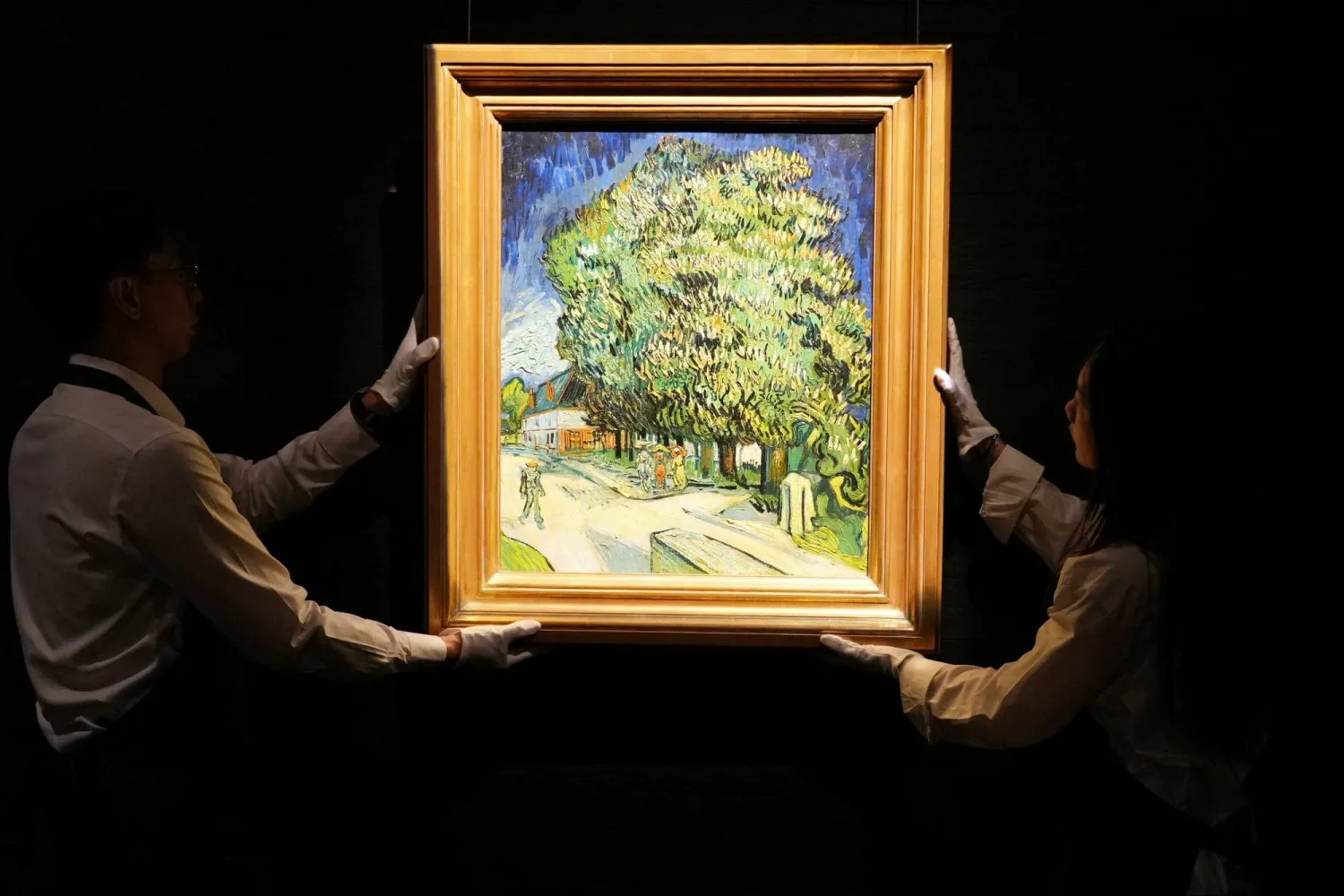
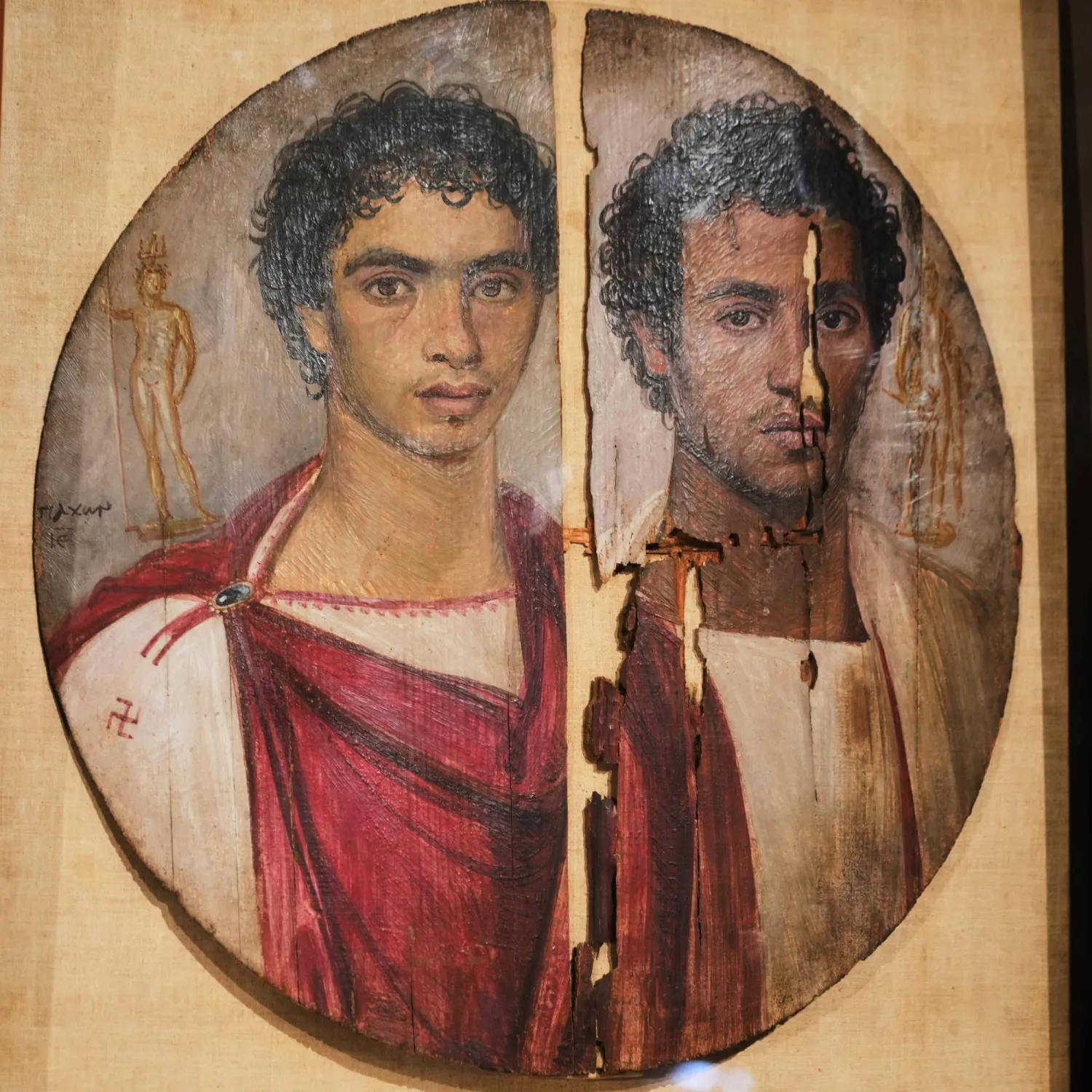
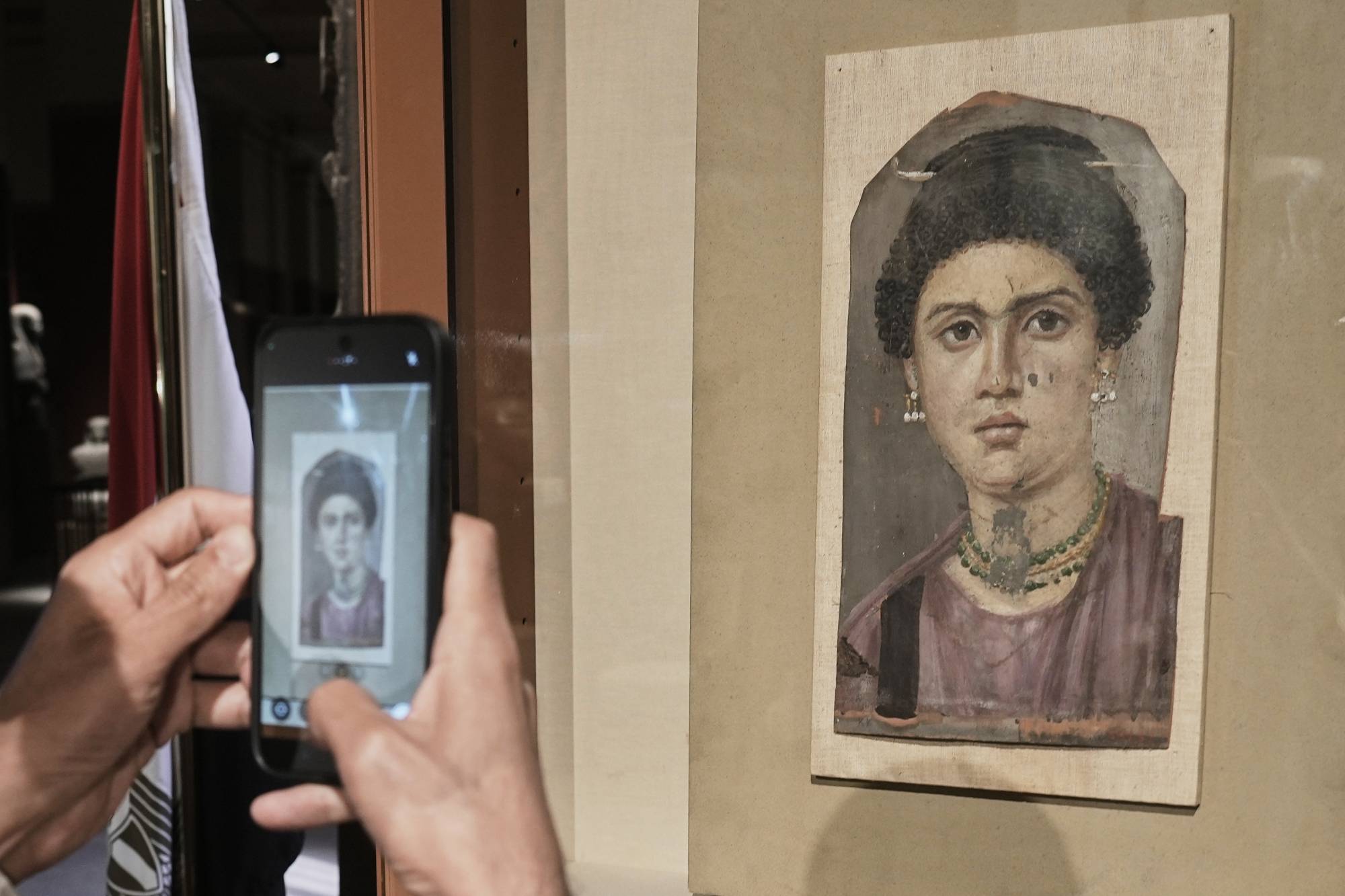
The Visual Arts Commission announced the upcoming edition of its Art and Ideas initiative, taking place 14–15 December 2025 at Prince Mohammad bin Salman City “Misk City”.

After the success of its Paris and Seoul iterations, Art and Ideas initiative launches a new edition in Riyadh to bookend the year with an exciting new program. This annual initiative takes its new mission line as a launchpad to present ideas that will shape the visual arts' future, SPA reported.

According to a press release issued by the commission today, the title, "Art and Ideas: in Action," emphasizes the relationship between theory and practice, intention and execution. Each session gathers distinguished practitioners from various creative fields such as curation, media and technology to present perspectives that broaden audience’s understanding of the arts landscape and highlight the ideas that are shaping our present moment. Framing the visual arts as a record of the times in which they are conceived and presented, "Art and Ideas: in Action" stresses the Visual Arts Commission's commitment to supporting an ever-evolving art landscape.

CEO of the Visual Arts Commission Dina Amin said that “the initiative launched this year as a cross-city dialogue, traveling between Seoul and Paris. Today, it returns to its home—Riyadh under the theme ‘Art and Ideas: In Action.’ Riyadh now stands as a global platform for cultural exchange, collective exploration, and the building of lasting bridges between artistic communities, aligned with the commission’s vision to foster dialogue and to establish a thriving and sustainable artistic ecosystem.”

The release added that the two-day program features four panel discussions and two keynote presentations, hosting distinguished speakers from Saudi Arabia and around the world. These sessions explore the intersections of visual arts with technology, learning, gaming, and contemporary thought, in addition to discussions on building a future-ready art ecosystem and fostering community-driven initiatives.

Driven by the Kingdom’s ambition to create a profound and lasting movement in the fields of arts and culture, the initiative dedicates its efforts to supporting diversity, encouraging experimentation, and strengthening global connectivity. It continues to expand its role by creating spaces that bring together artists, curators, innovators, and cultural thinkers, enabling the exchange of knowledge and perspectives and fostering creative dialogue. Through this convergence of practitioners and experts, the initiative sheds light on current issues and lived experiences that shape the contemporary art landscape and contribute to defining the legacy of Saudi visual art in an ever-changing world.

This edition of Art and Ideas is held in Misk City, which is a destination that fosters arts and innovation within a broader cultural and knowledge-driven ecosystem. Its innovative spaces attract artists and creators, offering platforms for dialogue and artistic exploration. Its presence in this context reflects a vision that places people and creativity at the heart of urban development, aligning with national efforts to support distinctive initiatives such as Zawaya and Afkar.


Italian Cooking and Its Rituals Get UN Designation as World Heritage 

A waiter carries pizzas at L'antica Pizzeria da Michele as Italian cuisine awaits a crucial UNESCO decision that could recognize it as an Intangible Cultural Heritage of Humanity in Naples, Italy, December 5, 2025. (Reuters)
TT

Italian Cooking and Its Rituals Get UN Designation as World Heritage 

A waiter carries pizzas at L'antica Pizzeria da Michele as Italian cuisine awaits a crucial UNESCO decision that could recognize it as an Intangible Cultural Heritage of Humanity in Naples, Italy, December 5, 2025. (Reuters)

Italian food is known and loved around the world for its fresh ingredients and palate-pleasing tastes. On Wednesday, the UN's cultural agency gave foodies another reason to celebrate their pizza, pasta and tiramisu by listing Italian cooking as part of the world’s “intangible” cultural heritage.

UNESCO added the rituals surrounding Italian food preparation and consumption to its list of the world’s traditional practices and expressions. It's a designation celebrated alongside the more well-known UNESCO list of world heritage sites, on which Italy is well represented with locations like the Rome's Colosseum and the ancient city of Pompeii.

The citation didn’t mention specific dishes, recipes or regional specialties, but highlighted the cultural importance Italians place on the rituals of cooking and eating: the Sunday family lunch, the tradition of grandmothers teaching grandchildren how to fold tortellini dough just so, even the act of coming together to share a meal.

“Cooking is a gesture of love, a way in which we tell something about ourselves to others and how we take care of others,” said Pier Luigi Petrillo, a member of the Italian UNESCO campaign and professor of comparative law at Rome’s La Sapienza University.

“This tradition of being at the table, of stopping for a while at lunch, a bit longer at dinner, and even longer for big occasions, it’s not very common around the world,” he said.

Premier Giorgia Meloni celebrated the designation, which she said honored Italians and their national identity.

“Because for us Italians, cuisine is not just food or a collection of recipes. It is much more: it is culture, tradition, work, wealth,” she said in a statement.

Many gastronomic cultures get recognition It’s by no means the first time a country’s cuisine has been recognized as a cultural expression: In 2010, UNESCO listed the “gastronomic meal of the French” as part of the world’s intangible heritage, highlighting the French custom of celebrating important moments with food.

Other national cuisines and cultural practices surrounding them have also been added in recent years: the “cider culture” of Spain’s Asturian region, the Ceebu Jen culinary tradition of Senegal, the traditional way of making cheese in Minas Gerais, Brazil.

UNESCO meets every year to consider adding new cultural practices or expressions onto its lists of so-called “intangible heritage.” There are three types: One is a representative list, another is a list of practices that are in “urgent” need of safeguarding and the third is a list of good safeguarding practices.

This year, the committee meeting in New Delhi considered 53 nominations for the representative list, which already had 788 items. Other nominees included the Swiss yodelling, the handloom weaving technique used to make Bangladesh’s Tangail sarees, and Chile’s family circuses.

In its submission, Italy emphasized the “sustainability and biocultural diversity” of its food. Its campaign noted how Italy’s simple cuisine valued seasonality, fresh produce and limiting waste, while its variety highlighted its regional culinary differences and influences from migrants and others.

“For me, Italian cuisine is the best, top of the range. Number one. Nothing comes close,” said Francesco Lenzi, a pasta maker at Rome’s Osteria da Fortunata restaurant, near the Piazza Navona. “There are people who say ‘No, spaghetti comes from China.’ Okay, fine, but here we have turned noodles into a global phenomenon. Today, wherever you go in the world, everyone knows the word spaghetti. Everyone knows pizza.”

Lenzi credited his passion to his grandmother, the “queen of this big house by the sea” in Camogli, a small village on the Ligurian coast where he grew up. “I remember that on Sundays she would make ravioli with a rolling pin.”

“This stayed with me for many years,” he said in the restaurant's kitchen.

Mirella Pozzoli, a tourist visiting Rome’s Pantheon from the Lombardy region in northern Italy, said the mere act of dining together was special to Italians:

“Sitting at the table with family or friends is something that we Italians cherish and care about deeply. It’s a tradition of conviviality that you won’t find anywhere else in the world.”

Italy already well-represented on list Italy already has 13 other cultural items on the UNESCO intangible list, including Sicilian puppet theater, Cremona’s violin craftsmanship and the practice moving of livestock along seasonal migratory routes known as transhumance.

Italy appeared in two previous food-related listings: a 2013 citation for the “Mediterranean diet” that included Italy and half a dozen other countries, and the 2017 recognition of Naples’ pizza makers.

Petrillo, the Italian campaign member, said after 2017, the number of accredited schools to train Neapolitan pizza makers increased by more than 400%.

“After the UNESCO recognition, there were significant economic effects, both on tourism and the sales of products and on education and training,” he said.


Koshary, Egypt's Spicy Staple, Wins UNESCO Recognition 

Koshary, an Egyptian vegan dish recognized by UNESCO as part of its Intangible Cultural Heritage, is plated in Cairo, Egypt, on December 9, 2025. (Reuters)
TT

Koshary, Egypt's Spicy Staple, Wins UNESCO Recognition 

Koshary, an Egyptian vegan dish recognized by UNESCO as part of its Intangible Cultural Heritage, is plated in Cairo, Egypt, on December 9, 2025. (Reuters)

Koshary – a spicy dish of lentils, rice and pasta available at countless Egyptian food stalls – won recognition as a cultural treasure from the UN's cultural agency on Wednesday, as Cairo makes a broad push to promote its cultural and historical identity abroad.

Egypt's nomination of koshary for UNESCO's "Intangible Cultural Heritage" list comes a little over a month after its opening of a sprawling new antiquities museum – another move officials hope will highlight the country's rich history and lure more tourists.

One popular legend claims koshary originated in northern India and was brought to Egypt by soldiers during the British occupation. But the dish's origins can in fact be traced through a farther-flung, millennia-old lineage of migration, trade and conquest, food researcher and archaeobotanist Hala Barakat said.

EGYPTIAN DISH, WITH GLOBAL INFLUENCES

Lentils arrived from the Fertile Crescent more than 5,800 years ago, and rice was introduced from East Asia. Tomatoes and chili peppers were brought from the Americas centuries later, while pasta noodles were a more modern addition.

"These components came together over thousands of years," Barakat said. "Its name may be Indian, but the Egyptian dish has its own form – and even that varies from Alexandria to Aswan."

"Koshary in its current form is the koshary Egyptians made their own," she added.

Egypt's nomination makes note of this diversity, highlighting the fact that yellow lentils are used on the coast, compared with black lentils in Cairo and Upper Egypt. Some households add boiled eggs, while in Sinai a similar dish called ma'dous is common.

Each of these variations is united by "the special flavor provided by condiments such as vinegar, garlic, and hot sauce, which are added according to preference," the nomination says.

COUSCOUS, CEVICHE ALSO ON LIST

Making the intangible heritage list is mostly symbolic, and does not bring any direct financial benefit. Other dishes such as couscous – common across the Maghreb region – and the South American dish ceviche are on the list. Italian cuisine was also set to be inscribed this year.

Koshary's popularity surged in the 20th century as restaurants and brightly decorated street carts proliferated near schools and stations. The absence of animal products has also made it a staple among fasting Coptic Christians and younger Egyptians who are going vegetarian.

Today, the dish is one of Egypt's most recognizable features, according to Ahmed Shaker, the public relations officer at Abou Tarek Koshary, a popular Cairo restaurant that dates back to 1963.

"Any foreigner or visitor who comes to Egypt visits the Pyramids, visits the museum, and comes to Abou Tarek to eat koshary," Shaker said.

The dish joins Egypt's 10 previous "inscriptions", which include tahteeb, an ancient martial art using sticks, and the Sirat Bani Hilal, an epic oral poem.

UNESCO’s new director-general, Khaled El-Enany, previously served as Egypt's minister of tourism and antiquities, and has vowed to use his tenure to safeguard cultural traditions.