


Lebanon's Cash for Electricity Runs Out

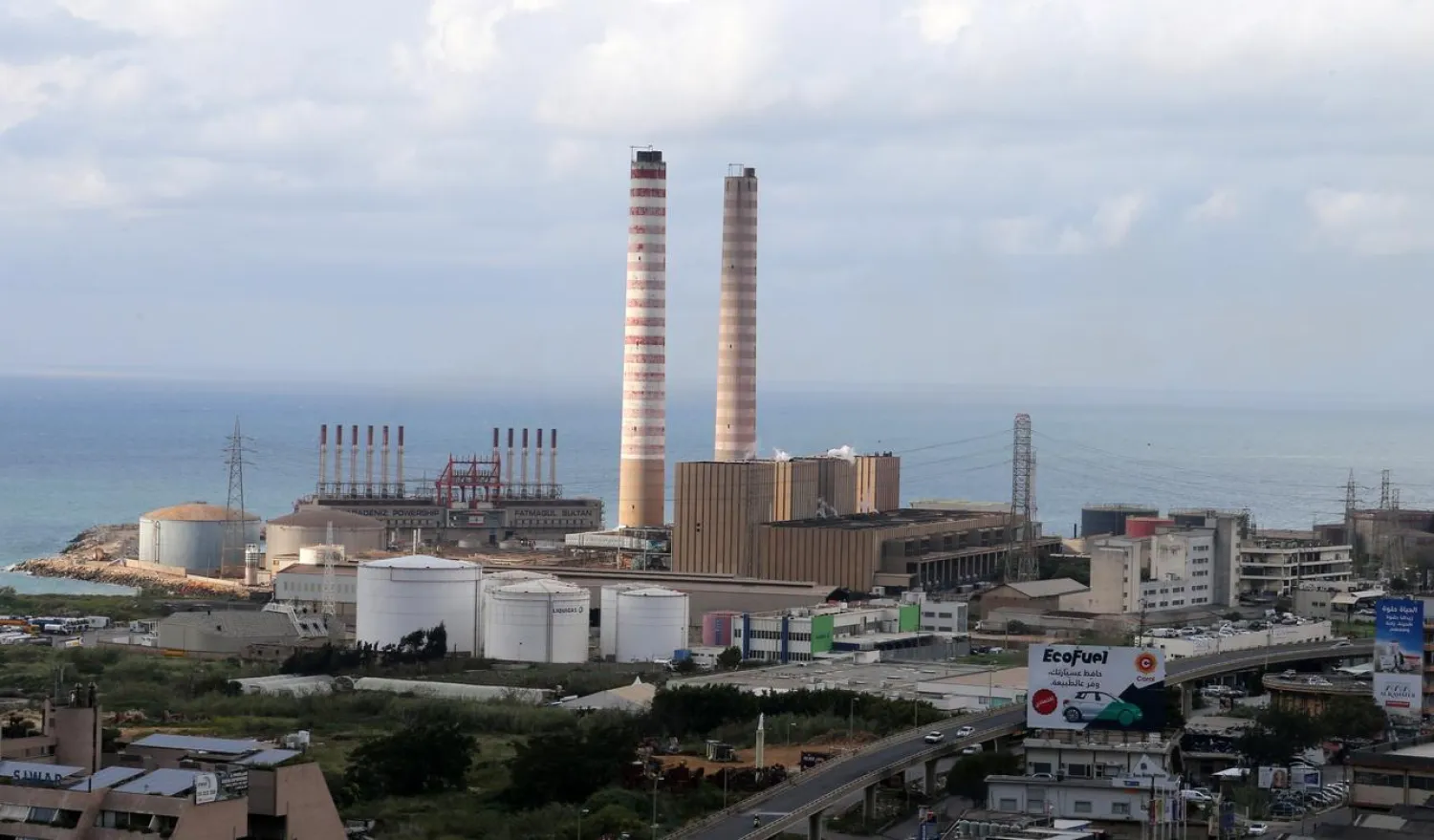
Zouk Power Station is seen in Zouk, north of Beirut, Lebanon March 27, 2019. REUTERS/Mohamed Azakir
TT

Lebanon's Cash for Electricity Runs Out

Zouk Power Station is seen in Zouk, north of Beirut, Lebanon March 27, 2019. REUTERS/Mohamed Azakir

Lebanon's lights may go off this month because cash for electricity generation is running out, a lawmaker said on Thursday, as the country grapples with a deep economic crisis.

Lebanon's parliament had approved a $200 million emergency loan to finance fuel imports for power generation in March, but a committee reviewing the loan has yet to approve it.

"We should not forget that starting May 15, gradual darkness will start," said Nazih Negm, a member of parliament, according to a government statement released after he met the caretaker finance and energy ministers.

The Lebanese have long learned to live with regular power cuts that run for at least three hours a day in the capital and much longer in other areas, because the state's power plants cannot meet demand. Many people rely on private generators.

But the financial crisis has exacerbated the heavily indebted nation's problems, as the government struggles to find enough foreign exchange to pay for fuel and other basic imports.

The loan, approved by lawmakers in March, is being reviewed by a constitutional committee, which is studying whether it is lawful. The government resigned after a massive blast in Beirut in August and is now acting in a caretaker capacity.

"We hope that the constitutional committee does not take a month to reach its decision because the situation can't wait," Reuters quoted Negm as saying, according to the government statement.

Lebanon usually keeps enough fuel for about two months or so, as it is too costly to hold strategic reserves for longer.

The economic meltdown has fueled unrest, locked depositors out of their accounts and hammered the currency, which has lost around 90% of its value against the dollar.


EU Condemns Israel's West Bank Control Measures

The Israeli settlement of Har Homa, seen from the West Bank city of Bethlehem, Tuesday, Dec. 17, 2024. (AP)
TT

EU Condemns Israel's West Bank Control Measures

The Israeli settlement of Har Homa, seen from the West Bank city of Bethlehem, Tuesday, Dec. 17, 2024. (AP)

The European Union on Monday condemned new Israeli measures to tighten control of the West Bank and pave the way for more settlements in the occupied Palestinian territory, AFP reported.

"The European Union condemns recent decisions by Israel's security cabinet to expand Israeli control in the West Bank. This move is another step in the wrong direction," EU spokesman Anouar El Anouni told journalists.


Atrocities in Sudan's El-Fasher Were 'Preventable Human Rights Catastrophe'

Sudanese displaced people who left El Fasher after its fall, sit in the shade in Tawila at the Rwanda camp reception point on December 17, 2025. (Photo by AFP)
TT

Atrocities in Sudan's El-Fasher Were 'Preventable Human Rights Catastrophe'

Sudanese displaced people who left El Fasher after its fall, sit in the shade in Tawila at the Rwanda camp reception point on December 17, 2025. (Photo by AFP)

The atrocities unleashed on El-Fasher in Sudan's Darfur region last October were a "preventable human rights catastrophe", the United Nations said Monday, warning they now risked being repeated in the neighbouring Kordofan region.


"My office sounded the alarm about the risk of mass atrocities in the besieged city of El-Fasher for more than a year ... but our warnings were ignored," UN rights chief Volker Turk told the Human Rights Council in Geneva.


He added that he was now "extremely concerned that these violations and abuses may be repeated in the Kordofan region".


Arab League Condemns Israel's Decisions to Alter Legal, Administrative Status of West Bank

A general view shows the opening session of the meeting of Arab foreign ministers at the Arab League Headquarters (Reuters)
TT

Arab League Condemns Israel's Decisions to Alter Legal, Administrative Status of West Bank

A general view shows the opening session of the meeting of Arab foreign ministers at the Arab League Headquarters (Reuters)

The General Secretariat of the Arab League strongly condemned decisions by Israeli occupation authorities to impose fundamental changes on the legal and administrative status of the occupied Palestinian territories, particularly in the West Bank, describing them as a dangerous escalation and a flagrant violation of international law, international legitimacy resolutions, and signed agreements, SPA reported.

In a statement, the Arab League said the measures include facilitating the confiscation of private Palestinian property and transferring planning and licensing authorities in the city of Hebron and the area surrounding the Ibrahimi Mosque to occupation authorities.

It warned of the serious repercussions of these actions on the rights of the Palestinian people and on Islamic and Christian holy sites.

The statement reaffirmed the Arab League’s firm support for the legitimate rights of the Palestinian people, foremost among them the establishment of their independent state on the June 4, 1967 borders, with East Jerusalem as its capital.
