


Co-Inventor of mRNA Shots Sets Sights on Pan-Coronavirus Vaccine

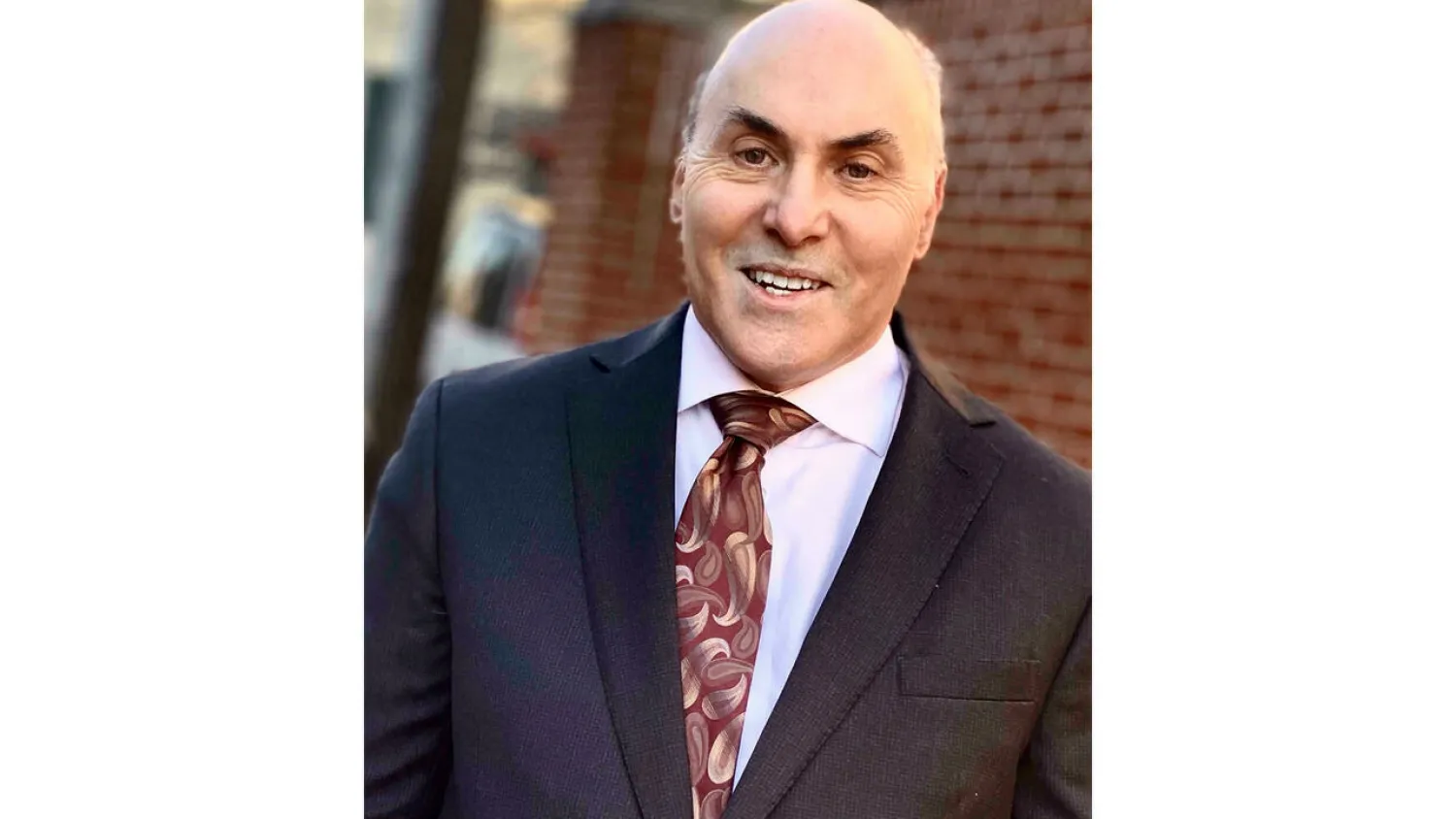
The University of Pennsylvania immunologist, who on Thursday shared the $3 million 2022 Breakthrough Prize in Life Sciences with his long time collaborator Katalin Kariko, is now spearheading efforts to design a new vaccine against all coronaviruses Sharon L. Taffet Pennsylvania School of Medicine/AFP
TT

Co-Inventor of mRNA Shots Sets Sights on Pan-Coronavirus Vaccine

The University of Pennsylvania immunologist, who on Thursday shared the $3 million 2022 Breakthrough Prize in Life Sciences with his long time collaborator Katalin Kariko, is now spearheading efforts to design a new vaccine against all coronaviruses Sharon L. Taffet Pennsylvania School of Medicine/AFP

Drew Weissman's decades of research helped pave the way for mRNA Covid-19 vaccines, but the scientist isn't resting on his laurels.

The University of Pennsylvania immunologist, who on Thursday shared the $3 million 2022 Breakthrough Prize in Life Sciences with his longtime collaborator Katalin Kariko, is now spearheading efforts to design a new vaccine against all coronaviruses.

The Silicon Valley-backed award honors major discoveries with the highest cash amounts in science.

"There have been three (coronavirus) pandemics or epidemics in the past 20 years," Weissman told AFP in an interview, referring to the original SARS virus, MERS and Covid-19.

"You have to assume there's going to be more, and our idea was that we could wait for the next coronavirus epidemic or pandemic, and then spend a year and a half making a vaccine. Or we could make one now and have it either ready to go, or use it now."

The 62-year-old and his team started work on the project last spring and have so far published two papers, with promising results.

One of the vaccines was shown to prevent SARS and a few other animal coronaviruses that have the potential to cross into humans.

By now, many are familiar with the basic principles of mRNA (messenger ribonucleic acid) vaccines: they deliver genetic instructions to our cells to build the spike protein of the coronavirus, in order to evoke antibodies when our bodies encounter the real virus.

The new focus is to try to train our immune systems to parts of the virus that do not mutate as fast as the spike. These are called "conserved regions."

As a practicing doctor for most of his life, "my dream since starting college and medical school was to make something that helps people," Weissman said, adding it made him "incredibly happy" to see the vaccines he laid the groundwork for save lives.

But while he foresaw the issue of global vaccine inequality -- and is working on a project with the Thai government to develop their own Covid-19 vaccine for this reason -- he admitted to being astonished by the level of vaccine hesitancy seen in wealthy countries.

"The conservative anti-science, anti-government people completely surprised us. I just didn't expect that group to come out against vaccines," he said.

- New applications -

While mRNA technology is enjoying huge attention, Weissman remembers a time when the field was a scientific backwater.

"We started working together in 1998, and that was without much funding and without much in the way of publications," he said of his work with Kariko.

In 2005, they found a way to alter synthetic RNA to stop it from causing a massive inflammatory response found in animal experiments.

"Just before our paper was published I said 'Our phones are going to ring off the hook,'" he recalls.

"We sat there staring at our phones for five years, and they never rang!"

With a second big breakthrough in 2015, they found a new way to deliver the particles safely and effectively to their target cells, using a fatty coating called "lipid nanoparticles."

Both developments are part of the Pfizer and Moderna Covid-19 vaccines today.

Beyond vaccines, mRNA technology is also being heralded for its potential to revolutionize medicine.

Weissman's team is working on using RNA to develop a single-injection gene therapy to overcome the defect that causes sickle cell anemia, a genetic blood disease that 200,000 babies are born with in Africa every year.

Significant technical challenges remain to ensure the treatment is able to correctly edit genes and is safe, but the researchers are hopeful.

Bone marrow transplant, an expensive treatment with serious risks, is currently the only cure.


Crews Recover Bodies of 9 Backcountry Skiers Days after California Avalanche

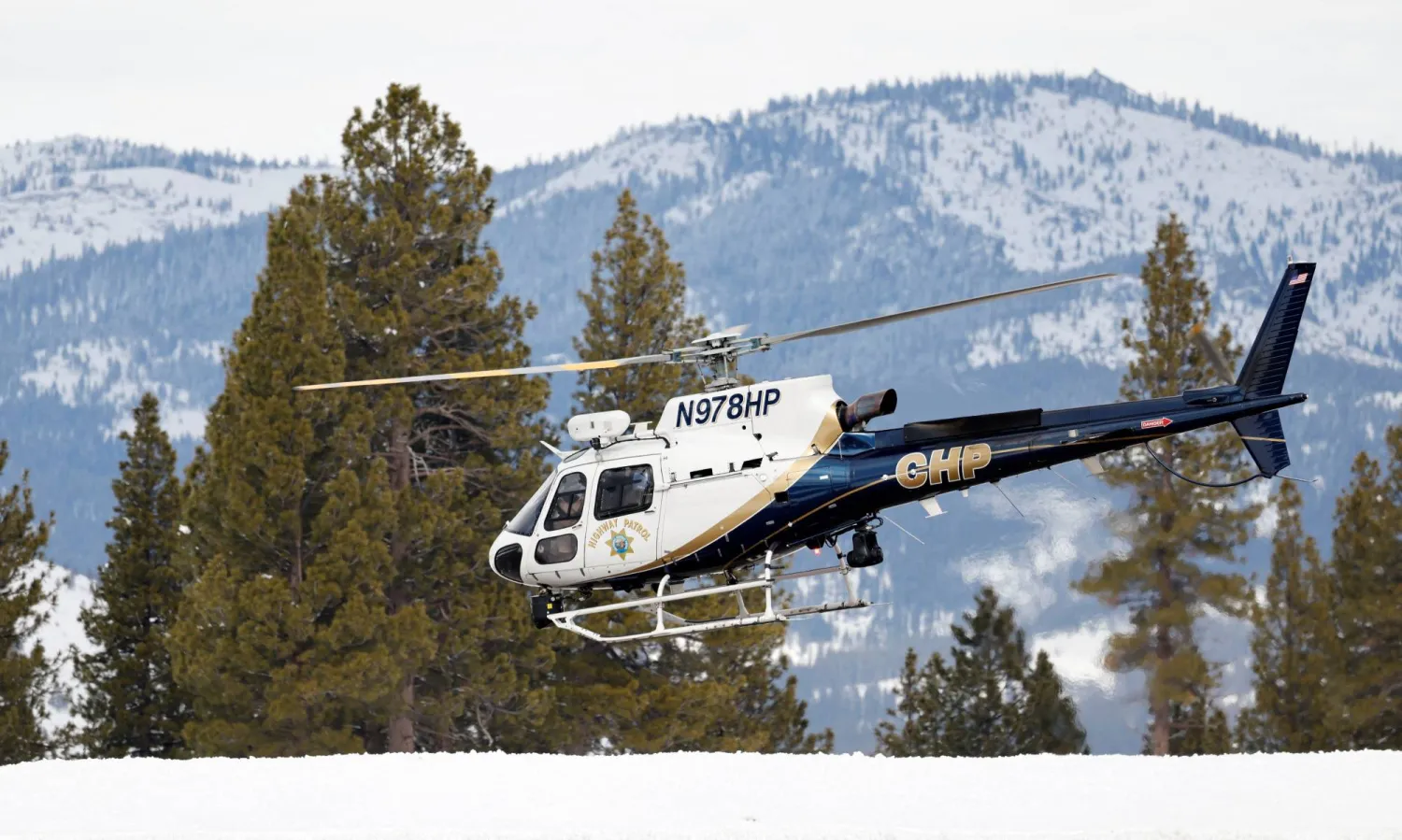
A California Highway Patrol helicopter lifts off from Truckee Tahoe Airport while taking part in recovery efforts for the skiers that died in an avalanche in the Sierra Nevada mountains, in Truckee, California, US February 21, 2026.  REUTERS/Fred Greaves
A California Highway Patrol helicopter lifts off from Truckee Tahoe Airport while taking part in recovery efforts for the skiers that died in an avalanche in the Sierra Nevada mountains, in Truckee, California, US February 21, 2026. REUTERS/Fred Greaves
TT

Crews Recover Bodies of 9 Backcountry Skiers Days after California Avalanche

A California Highway Patrol helicopter lifts off from Truckee Tahoe Airport while taking part in recovery efforts for the skiers that died in an avalanche in the Sierra Nevada mountains, in Truckee, California, US February 21, 2026.  REUTERS/Fred Greaves
A California Highway Patrol helicopter lifts off from Truckee Tahoe Airport while taking part in recovery efforts for the skiers that died in an avalanche in the Sierra Nevada mountains, in Truckee, California, US February 21, 2026. REUTERS/Fred Greaves

Crews recovered the bodies of nine backcountry skiers who were killed by an avalanche in California's Sierra Nevada, authorities said Saturday, concluding a harrowing operation that was hindered by intense snowfall.

A search team reached the bodies of eight victims and found one other who had been missing and presumed dead since Tuesday’s avalanche on Castle Peak near Lake Tahoe. The ninth person who was missing was found “relatively close” to the other victims, according to Nevada County Sheriff’s Lt. Dennis Hack, but was impossible to see due to whiteout conditions at that time.

At a news conference, Sheriff Shannon Moon praised the collective efforts of the numerous agencies that helped recover the bodies — from the California Highway Patrol to the National Guard to the Pacific Gas & Electric utility company — and 42 volunteers who helped on the last day of the operation.

“We are fortunate in this mountain community that we are very tight-knit, and our community shows up in times of tragedy,” The Associated Press quoted Moon as saying.

The sheriff named for the first time the three guides from Blackbird Mountain Company who died: Andrew Alissandratos, 34, Nicole Choo, 42, and Michael Henry, 30.

According to biographies on the company's website, Alissandratos was originally from Tampa, Florida, and moved to Tahoe roughly a decade ago. He enjoyed a wide array of adventure activities, from backcountry exploration to rock climbing.

Henry moved to Colorado in 2016 and then to Truckee three years later. He was described as “laid back” and devoted to sharing his knowledge and love of the mountains with others.

There was no bio for Choo on the website.

“This was an enormous tragedy, and the saddest event our team has ever experienced,” Blackbird Mountain founder Zeb Blais said Wednesday in a statement.

“We are doing what we can to support the families who lost so much,” he said, “and the members of our team who lost treasured friends and colleagues.”

The six other fatal victims were women who were part of a close-knit group of friends who were experienced backcountry skiers and knew how to navigate the Sierra Nevada wilderness, their families said this week.

They were identified as Carrie Atkin, Liz Clabaugh, Danielle Keatley, Kate Morse, Caroline Sekar and Kate Vitt, all in their 40s. They lived in the San Francisco Bay Area, Idaho and the Lake Tahoe area.

“We are devastated beyond words,” the families said in a statement. “Our focus right now is supporting our children through this incredible tragedy and honoring the lives of these extraordinary women. They were all mothers, wives and friends, all of whom connected through the love of the outdoors.”

The families asked for privacy while they grieve and added that they “have many unanswered questions.”

Two of the friends got out alive and were rescued along with four others, including one guide, after Tuesday’s avalanche. Their names have not been released.

The avalanche struck on the last day of the 15 skiers’ three-day tour, when the group decided to end the trip early to avoid the impending snowstorm.

Officials have said the path they took is a “normally traveled route” but declined to specify what that meant.

At around 11:30 a.m. Tuesday, the six survivors called for help, describing a sudden and terrifying slide that was approximately the length of a football field. In the aftermath they discovered the bodies of three fellow skiers, according to Hack.

Rescuers were not able to reach them until roughly six hours after the initial call for help, Hack said, and took two separate paths to arrive. They found five other bodies, leaving only one person unaccounted for.

But it was immediately clear to rescuers that it was too dangerous to extract the bodies at that time due to the heavy snowfall and threat of more avalanches.

Those conditions persisted on Wednesday and Thursday.

A breakthrough on Friday Authorities used two California Highway Patrol helicopters, with the help of Pacific Gas & Electric Company, to break up the snow and intentionally release unstable snowpack to reduce the avalanche risk.

Crews were then able to recover five victims that evening before it got too dark to access the last three.

Rescuers used helicopters and ropes to hoist the last four bodies from the mountain the following morning, fighting through severe winds that forced them to make multiple trips. The bodies were then taken to snowcats — trucks that are outfitted to drive on snow — for further transport.

“We cannot say enough how tremendously sorry we are for the families that have been affected by this avalanche,” Moon said.

Initial reports indicated that at least two of the surviving skiers were not swept away by the avalanche, Hack said. The others were standing separately and relatively close together and were hit.

Hack declined to offer information about what might have set off the avalanche.

Authorities close the area The terrain will be off-limits to visitors until mid-March, said Chris Feutrier, forest supervisor for the Tahoe National Forest. Officials intended to restore public access once the investigation is complete.

“This is the public’s land, and they love to recreate on it,” Feutrier said. “The Forest Service doesn’t close public land for every hazard or every obstacle. We trust the American people to use their best judgment when recreating.”


Riyadh Municipality Decorates Capital with Over 5,000 Lights for Founding Day

The capital's streets have transformed into vibrant displays of national pride, embodying 299 years of continuous development and progress - SPA
TT

Riyadh Municipality Decorates Capital with Over 5,000 Lights for Founding Day

The capital's streets have transformed into vibrant displays of national pride, embodying 299 years of continuous development and progress - SPA

The Riyadh Municipality has illuminated the capital's main streets, vital thoroughfares, and public squares with over 5,000 decorative lights in celebration of Saudi Founding Day.

The project involved installing 5,481 decorative lights across various locations to enhance the festive atmosphere throughout Riyadh's neighborhoods, giving the city a harmonious visual character that reflects profound pride in the nation's rich history, SPA reported.

As light and identity intertwine, the capital's streets have transformed into vibrant displays of national pride, embodying 299 years of continuous development and progress.

The transformation reflects the deep significance of Founding Day in the hearts of citizens and translates their loyalty to the leadership's blessed journey.


Residents in Australia’s Victoria State Urged to Evacuate as Bushfire Rages

This undated handout image received on December 26, 2024 from the State Control Center of the Victoria Emergency Services shows officials on a road near a bushfire in the Grampians National Park in Australia's Victoria state. (Handout / State Control Center of the Victoria Emergency Services / AFP)
TT

Residents in Australia’s Victoria State Urged to Evacuate as Bushfire Rages

This undated handout image received on December 26, 2024 from the State Control Center of the Victoria Emergency Services shows officials on a road near a bushfire in the Grampians National Park in Australia's Victoria state. (Handout / State Control Center of the Victoria Emergency Services / AFP)

An ‌out-of-control bushfire in Australia's Victoria state prompted an evacuation alert for residents near a remote mining settlement, authorities said on Saturday.

The alert, at the highest emergency rating, was for the area surrounding the A1 Mine Settlement in the Gaffney's Creek region, about 50 km (31 miles) ‌northeast of ‌state capital Melbourne.

"Leaving immediately is ‌the ⁠safest option, before ⁠conditions become too dangerous," Victoria Emergency said on its website, adding that the fire was not yet controlled.

Mountainous terrain was making it difficult for firefighters to battle ⁠the blaze from the ‌ground, the ‌Australian Broadcasting Corp. reported.

Since the 1860s gold ‌has been mined in the sparsely-populated ‌area, which is also popular with campers and tourists.

Three other bushfires were burning on Saturday at watch and act ‌level, the second highest danger rating, Victoria Emergency said.

In January, ⁠thousands ⁠of firefighters battled bushfires in Australia's southeast that razed homes, cut power to thousands of homes and burned swathes of bushland. They were the worst fires to hit the southeast since the Black Summer blazes of 2019-2020 that destroyed an area the size of Türkiye and killed 33 people.
