


Gulf Summit: Solidarity, Stability, Economic Integration

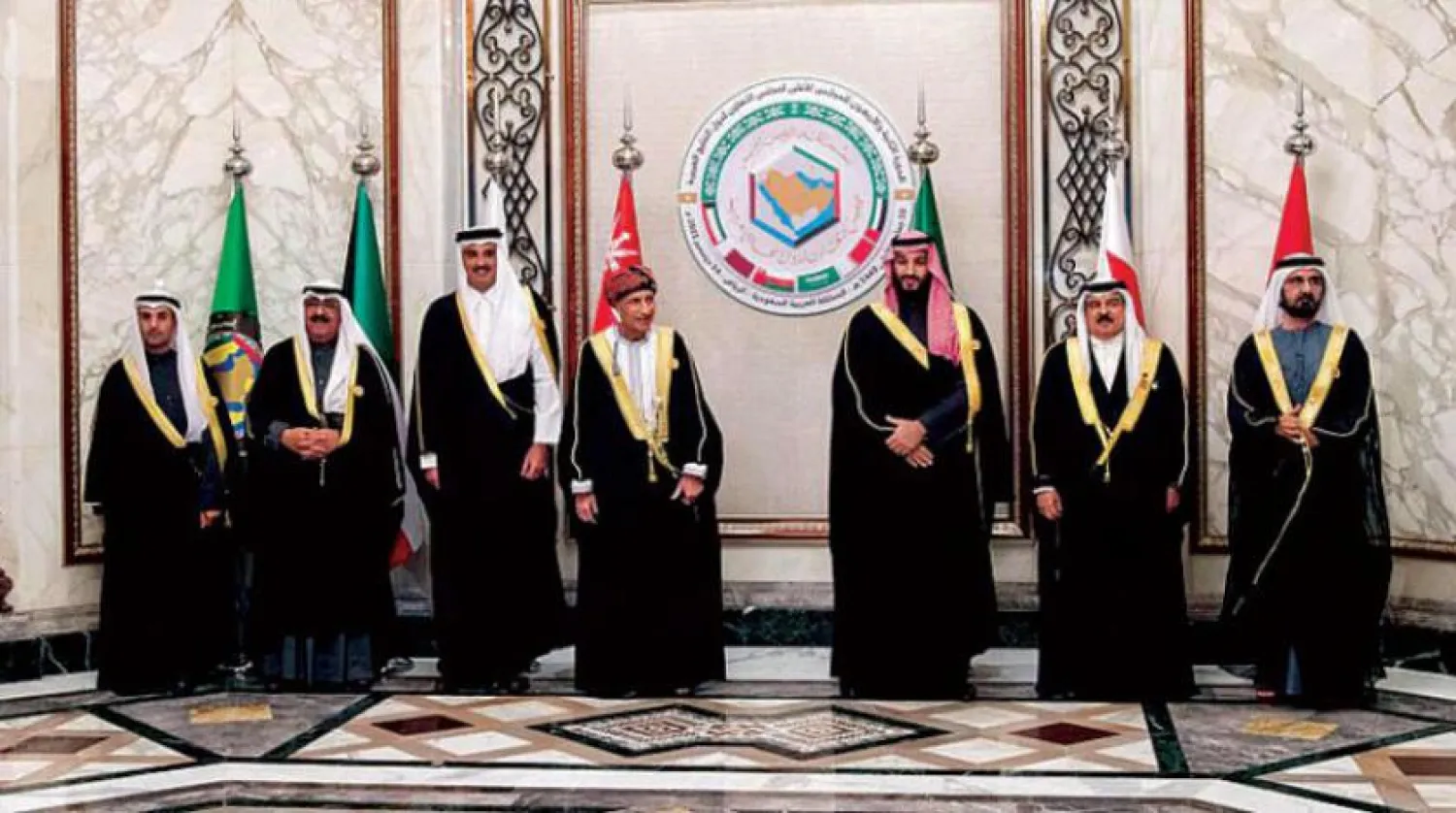
A handout picture provided by the Saudi Royal Palace shows the GCC leaders. SPA
TT

Gulf Summit: Solidarity, Stability, Economic Integration

A handout picture provided by the Saudi Royal Palace shows the GCC leaders. SPA

At the end of the 42nd Gulf Cooperation Council (GCC) summit in Riyadh on Tuesday, Gulf leaders affirmed the significance of precise and comprehensive implementation of the vision of King Salman bin Abdulaziz. They also stressed the importance of pursuing economic, defense and security integration.

The leaders endorsed the coordination of positions to reinforce stability in GCC countries and ensure the best interest of the council's six members. This would help Gulf states avoid regional and international conflicts.

Besides achieving the people's aspirations in GCC countries, it would also reinforce the regional and international role of GCC states.

At Diriyah Palace in Riyadh, the summit focused on solidarity, stability, and economic integration. Its final communique stressed the importance of "unifying political positions and developing political partnerships at the regional and international levels."

In his speech to Gulf leaders, Saudi Crown Prince Mohammed bin Salman touched on several topics, including the Palestinian cause, the Yemeni crisis, and the situation in Afghanistan.

On behalf of King Salman bin Abdulaziz, the Crown Prince welcomed Gulf leaders in Saudi Arabia. He thanked Bahrain's King Hamad bin Isa Al Khalifa for his country's efforts during its chairing of the 41st GCC summit.

He stressed that Saudi Arabia recognizes the importance of dealing seriously and effectively with Iran's nuclear and missile program "in a way that contributes to achieving regional and international security and stability."

Additionally, the Crown Prince highlighted the importance of "Iraq forming a government that is capable of working towards establishing national security, stability, and development."

As for Yemen, he affirmed Saudi Arabia's continued support for the efforts of the UN special envoy to reach a political solution to the crisis according to the three references represented in the Gulf initiative.

The Saudi Crown Prince also said that the Kingdom is following the developments of the situation in Afghanistan, urging regional and international efforts to unite and provide humanitarian aid to the Afghan people.

He also emphasized that Afghanistan should not transform into a haven for terrorist organizations.

The summit's final communique, read by Nayef Al-Hajraf, the GCC general-secretary, said further teamwork would be necessary to meet future challenges and highlighted the importance of strengthening opportunities for women and young people and for digital transformation in the GCC countries.

"The leaders agreed on principles and policies to develop strategic cooperation and economic development integration among the GCC states and to achieve the aspirations of their citizens," Al-Hajraf said.

Gulf leaders also stressed the importance of strengthening work to implement the circular economy approach.


Saudi Arabia Summons Iraq’s Ambassador over Drone Threats

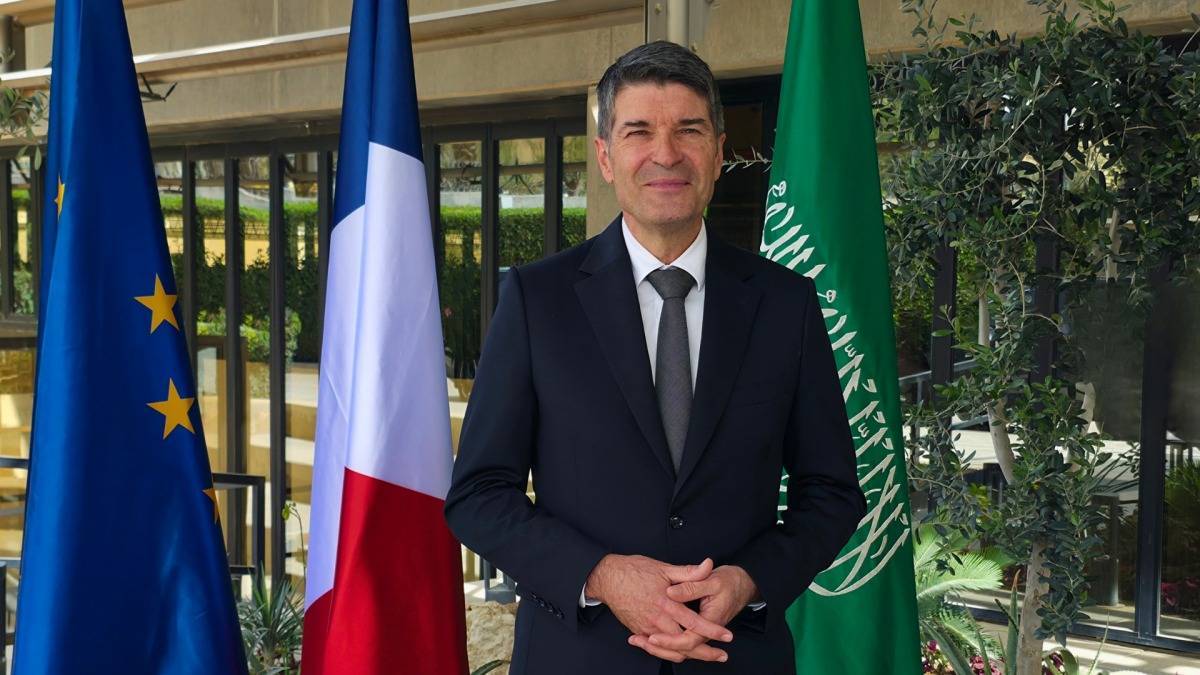
The Foreign Ministry’s Undersecretary for Political Affairs, Dr. Saud Al-Sati, and the Iraqi Ambassador Safia Al Souhail. SPA
TT

Saudi Arabia Summons Iraq’s Ambassador over Drone Threats

The Foreign Ministry’s Undersecretary for Political Affairs, Dr. Saud Al-Sati, and the Iraqi Ambassador Safia Al Souhail. SPA

Saudi Arabia said on Sunday it had summoned Iraqi Ambassador Safia Al Souhail over what it described as threats targeting ⁠the Kingdom and ⁠other Gulf states from drones ⁠launched from Iraqi territory.

The Saudi Foreign Ministry said in a statement that Undersecretary for Political Affairs Dr. Saud Al-Sati delivered a formal complaint to the Iraqi diplomat, "stressing the Kingdom's condemnation and denunciation of attacks originating from Iraqi territory against the Kingdom and the Gulf states.”

He "emphasized the importance of ⁠Iraq ⁠dealing responsibly with these threats and attacks.”

The statement said that Al-Sati also reaffirmed Saudi Arabia’s firm rejection of violations of states’ sovereignty and attempts to threaten the security and stability of the region, stressing that it will take all necessary measures to defend its security and protect its territories.


Saudi Foreign Minister, Korean Presidential Special Envoy Discuss Regional Developments

Saudi Foreign Minister and the Special Envoy of the President of South Korea (SPA)
TT

Saudi Foreign Minister, Korean Presidential Special Envoy Discuss Regional Developments

Saudi Foreign Minister and the Special Envoy of the President of South Korea (SPA)

Saudi Minister of Foreign Affairs Prince Faisal bin Farhan bin Abdullah met in Riyadh on Sunday Chief of Staff to the President of Korea and Presidential Special Envoy Kang Hoon-sik.

During the meeting, they reviewed cooperation relations between the two friendly countries.

They also discussed developments in the region and their repercussions for the regional security and the global economy.


Oman FM Says Success in US-Iran Talks May Require 'Painful Concessions'

Oman's Foreign Minister Sayyid Badr bin Hamad al-Busaidi, (File photo: AP)
TT

Oman FM Says Success in US-Iran Talks May Require 'Painful Concessions'

Oman's Foreign Minister Sayyid Badr bin Hamad al-Busaidi, (File photo: AP)

Omani Foreign Minister Sayyid Badr al-Busaidi on Sunday called for more talks between Iran and the US and for the ceasefire to be extended, hours after negotiations failed to reach a deal during a high-stakes meeting in Pakistan.

"I urge that the ceasefire be extended and talks continue," Al-Busaidi wrote in a post on X.

"Success may require everyone to make painful concessions, but this is nothing as compared to the pain of failure and war."
