
Iran Will Allow New UN Cameras at Karaj Nuclear Site

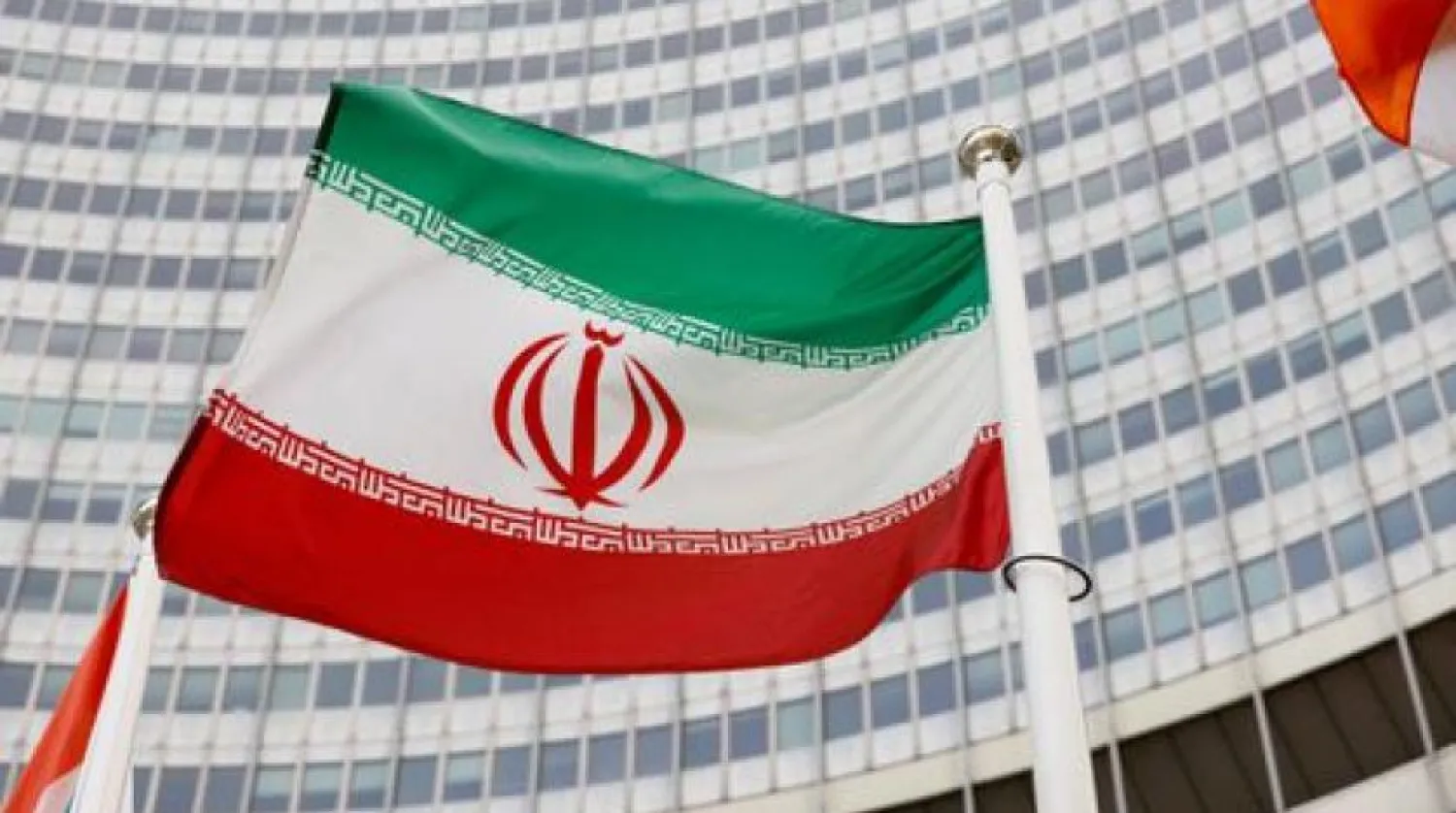
FILE PHOTO: The Iranian flag waves in front of the International Atomic Energy Agency (IAEA) headquarters in Vienna, Austria May 23, 2021. REUTERS/Leonhard Foeger
TT

Iran Will Allow New UN Cameras at Karaj Nuclear Site

FILE PHOTO: The Iranian flag waves in front of the International Atomic Energy Agency (IAEA) headquarters in Vienna, Austria May 23, 2021. REUTERS/Leonhard Foeger

Iran will allow the United Nations' nuclear watchdog to reinstall cameras damaged at a site where it has centrifuge parts and manufacturing material, semiofficial Iranian news agencies reported Wednesday.

The decision will see cameras put back at Karaj, which came under what Iran describes as a sabotage attack in June. Iran since had refused the International Atomic Energy Agency access to replace cameras damaged in the incident.

The Vienna-based IAEA did not immediately respond to queries from The Associated Press regarding the reports by the semiofficial ISNA and Tasnim news agencies. The reports said Iran would keep all recordings from the cameras, however, part of another ongoing dispute between the agency and Tehran.

The reports came after Iranian Foreign Minister Hossein Amirabdollahian reportedly said earlier Wednesday that Iran had "reached a good agreement" with the IAEA.

Tehran blamed the Karaj assault on Israel amid a widening regional shadow war since former President Donald Trump unilaterally withdrew America from Iran´s landmark nuclear accord with world powers.

In an interview Tuesday with the AP, IAEA Director-General Rafael Mariano Grossi warned limited access to Karaj hurt international efforts to monitor Iran's program.

"If the international community through us, through the IAEA, is not seeing clearly how many centrifuges or what is the capacity that they may have ... what you have is a very blurred image," Grossi said. "It will give you the illusion of the real image. But not the real image. This is why this is so important."

Grossi also dismissed as "simply absurd" an Iranian allegation that saboteurs used the IAEA´s cameras in the attack on the Karaj centrifuge site. Tehran has offered no evidence to support the claim, though it´s another sign of the friction between inspectors and Iran.

Negotiations continue in Vienna over trying to restore the nuclear deal. However, Iran under hard-line President Ebrahim Raisi has taken a maximalist position in negotiations.

Anxiety is growing among European nations at the negotiating table.

"Without swift progress, in light of Iran´s fast-forwarding of its nuclear program, the (deal) will very soon become an empty shell," they recently warned.

The US has remained outside of direct talks since abandoning the accord.


WFP: Expanding Conflict Drives Record Hunger in Northern Nigeria

A soldier patrols outside burned homes, days after an attack in the village of Woro, Nigeria, Thursday, Feb. 5, 2026. (AP Photo/Pelumi Salako)
TT

WFP: Expanding Conflict Drives Record Hunger in Northern Nigeria

A soldier patrols outside burned homes, days after an attack in the village of Woro, Nigeria, Thursday, Feb. 5, 2026. (AP Photo/Pelumi Salako)

Hunger across Nigeria's conflict-hit north is at levels not seen in a decade as violence spreads and aid shrinks, the UN's World Food Program warned Thursday, with more than three million people "acutely food insecure".

The country has been battling an extremist insurgency centered in the northeast since 2009, with a resurgence in violence since 2025.

Extremists have also been expanding into the northwest, which is already facing a separate, overlapping crisis from armed "bandit" gangs.

"What concerns us most is how this crisis is expanding," WFP regional director for west and central Africa, Kinday Samba, said in a statement, noting the spread of violence "across a much wider area and forcing people from farmland, driving displacement and restricting humanitarian access".

Aid cuts under US President Donald Trump and other western countries have hit some of Nigeria's poorest households in recent years.

At the same time, the International Monetary Fund reported last month that poverty has risen under President Bola Tinubu, who has embarked on a raft of economic reforms supported by economists but which have also driven punishing inflation.

As conflict in the country's troubled north has expanded, so has the number of areas too dangerous for WFP to operate in, it said.

"The number of inaccessible locations has doubled: a further 15 areas are now considered partially inaccessible for WFP's frontline staff," it said,

Government control is scanty outside urban centers, leaving swathes of rural areas prone to attacks from armed groups.

More than 17 million people across northern Nigeria "are experiencing crisis, emergency, or catastrophic levels of hunger", WFP said.

"Nigeria's food security crisis is worsening faster than previously anticipated," it said. "Conflict is driving hunger in some northern states, particularly the northeast, to levels not seen in almost a decade".

In Borno state, the epicenter of the militants conflict, more than three million people are "acutely food insecure", including 10,000 people facing "catastrophic hunger".

But WFP's footprint is shrinking amid a donor shortfall, it said.

At the height of 2025 "lean season", when the previous year's foodstocks are running low but the current year's crops aren't ready for harvest, the agency delivered food and nutrition aid to 1.3 million people.

Amid "extreme funding shortfalls", it has projected it will reach slightly over half that number this year.


Iran Warns Oil Tankers to Use Approved Routes in Strait of Hormuz or Face a 'Forceful Response'

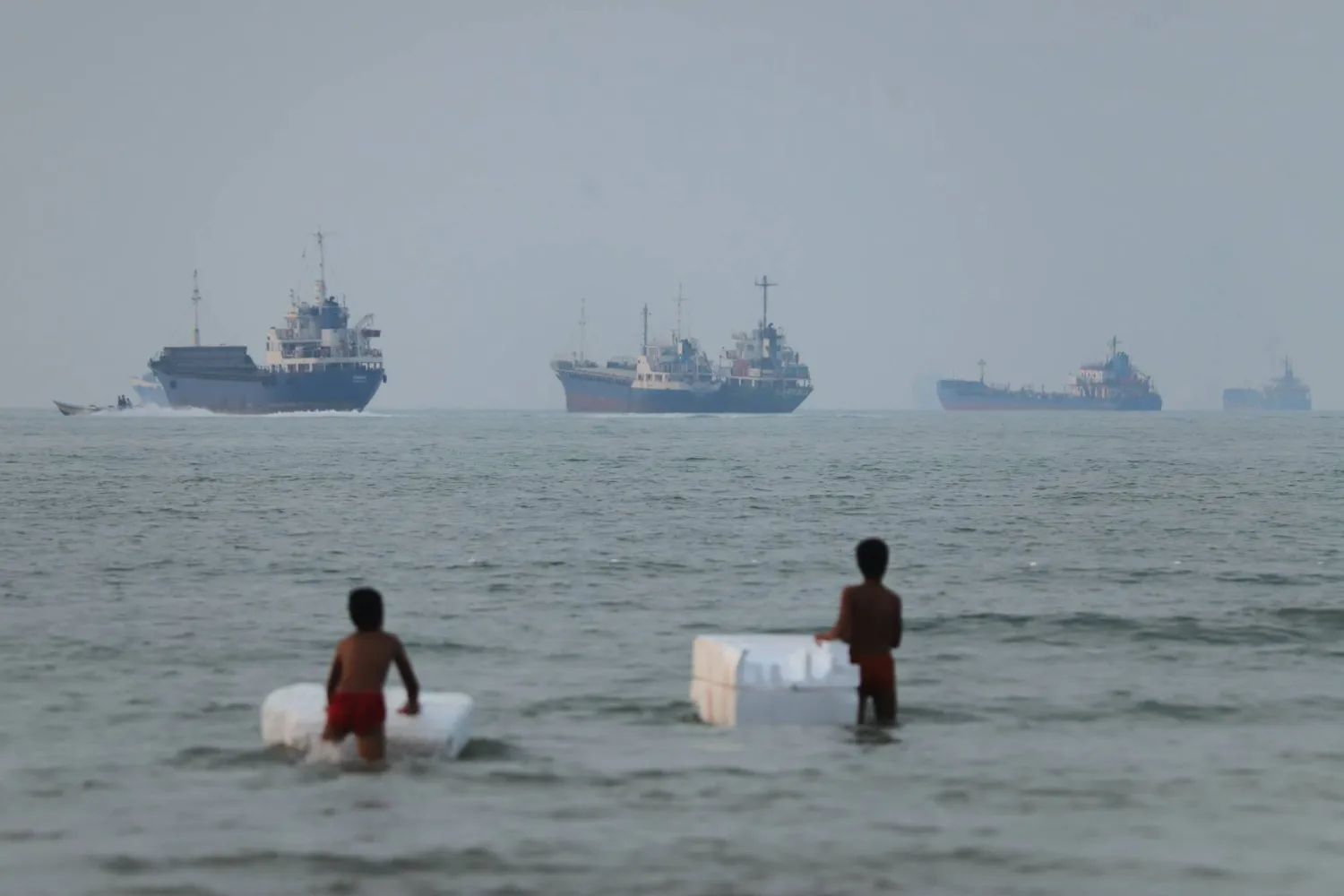
Two boys stand in shallow water with foam floats as cargo ships and other vessels are seen in the Strait of Hormuz off Bandar Abbas, Iran, Tuesday, June 30, 2026. (Amirhosein Khorgooi/ISNA via AP)
TT

Iran Warns Oil Tankers to Use Approved Routes in Strait of Hormuz or Face a 'Forceful Response'

Two boys stand in shallow water with foam floats as cargo ships and other vessels are seen in the Strait of Hormuz off Bandar Abbas, Iran, Tuesday, June 30, 2026. (Amirhosein Khorgooi/ISNA via AP)

Iran’s joint military command warned Thursday that all oil tankers moving through the Strait of Hormuz must use its approved routes or face a “forceful response,” again ratcheting up tensions over a waterway crucial for international energy supplies.

The strait, the narrow mouth of the Arabian Gulf, has emerged as one of the top issues in negotiations to reach a permanent end to the Iran war. The statement from the Khatam al-Anbiya military command, reported by Iranian state television, comes after both US and Iranian diplomats met with mediators on Wednesday in Qatar, The Associated Press said.

It wasn’t immediately clear what sparked the threat from Iran. However, the US military's Central Command had put out a statement about having a meeting with officials from Mideast nations in Bahrain that said “leaders underscored their shared commitment to the free flow of commerce through the Strait of Hormuz.”

“Any failure to comply, deviation from the designated route, or disregard for the navigation protocols of the Islamic Republic of Iran in the Strait of Hormuz will be met with an immediate and forceful response from the armed forces, endangering the security of the violating vessels,” the Iranian statement said.

It also said the continued presence of US fighter jets over the strait “causes insecurity in this waterway and threatens regional security.”

“Any attempt by the United States to interfere in security matters or any disruptive action in the Strait of Hormuz will be considered a threat to Iran’s national sovereignty and will be met with a rapid and decisive reaction,” the Iranian warning added.

Iran and the United States agreed as part of an interim deal to allow ships to pass without paying charges for 60 days. But Tehran insisted it must control the routes of the vessels and later charge fees for passage, upending decades of practice in the waterway.

An effort by Oman and a United Nations agency to launch a new route near Oman’s shore sparked attacks across the Mideast last weekend, highlighting the tensions.


Iran Warns US against Interference in Strait of Hormuz

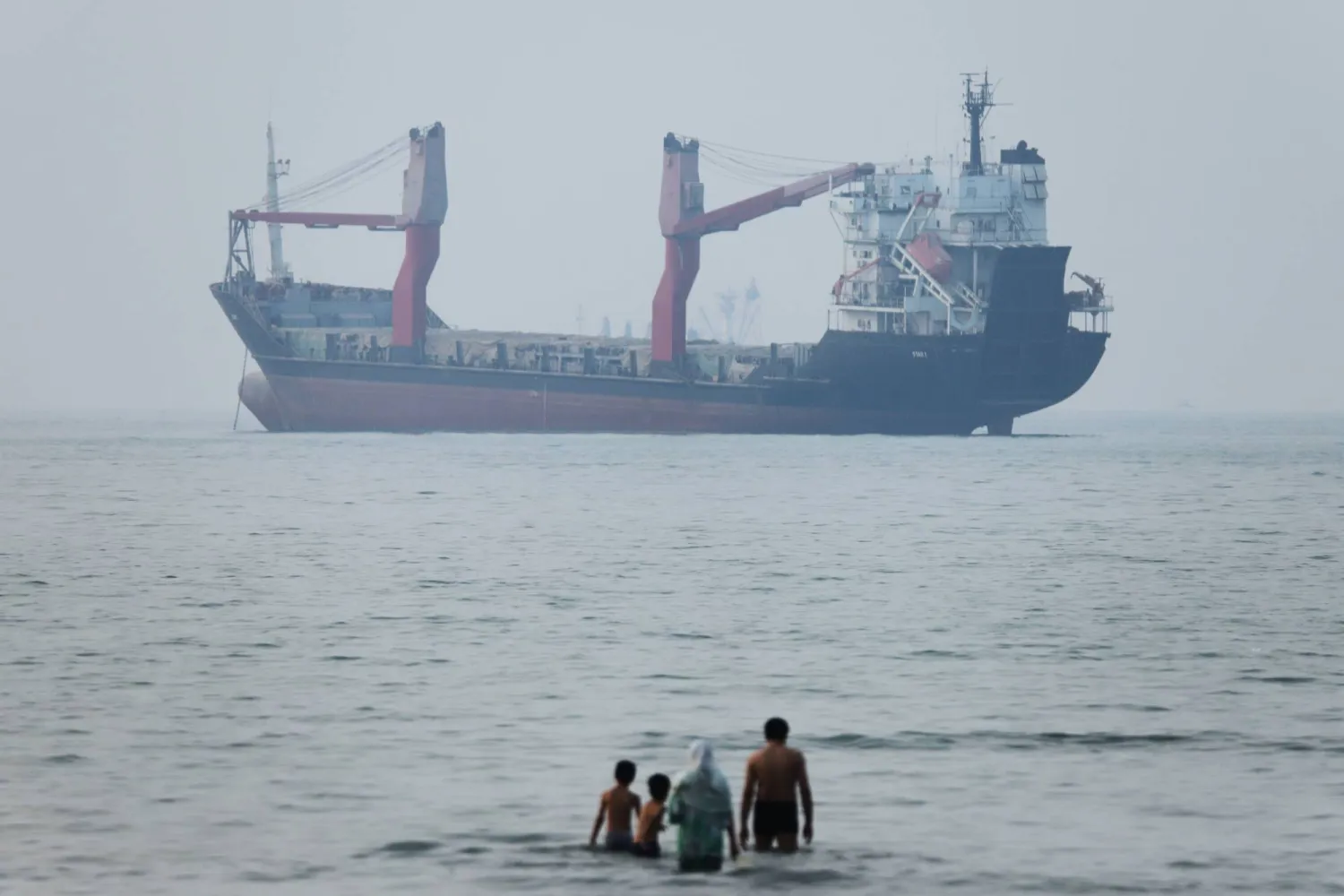
Cargo vessel anchored in the Strait of Hormuz (AP)
TT

Iran Warns US against Interference in Strait of Hormuz

Cargo vessel anchored in the Strait of Hormuz (AP)

Iran said on Thursday that any US interference in the Strait of Hormuz would trigger a "decisive and ‌rapid" ‌response, adding ‌that ⁠the continued presence of US ⁠air assets across the waterway endangered regional security, state media ⁠reported.

Khatam al-Anbiya ‌Central ‌Headquarters, which coordinates Iran's ‌armed forces ‌operations, said all tanker and commercial vessels must follow ‌routes designated by Tehran for ⁠safe ⁠passage through the strait, adding that deviations or failure to comply with navigation protocols would face an immediate response.