Sources Reveal to Asharq Al-Awsat How Hamas Identified Suspects in the Assassinations of Haddad and Ouda

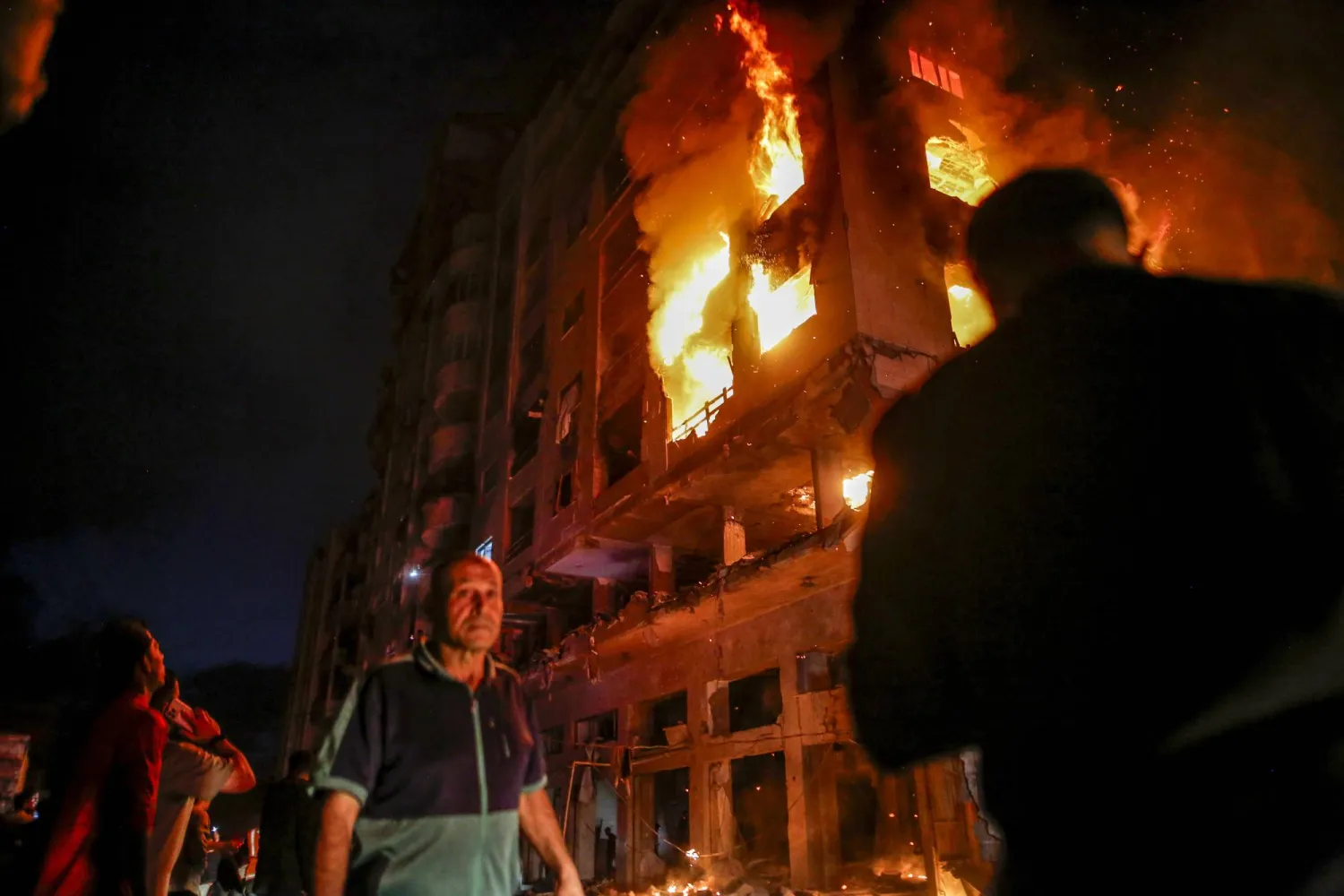
 Palestinians inspect the site of a destroyed building as smoke billows following an Israeli airstrike in the Al Rimal neighborhood of Gaza City, Gaza Strip, 15 May 2026 EPA/MOHAMMED SABER
Palestinians inspect the site of a destroyed building as smoke billows following an Israeli airstrike in the Al Rimal neighborhood of Gaza City, Gaza Strip, 15 May 2026 EPA/MOHAMMED SABER
TT

Sources Reveal to Asharq Al-Awsat How Hamas Identified Suspects in the Assassinations of Haddad and Ouda

 Palestinians inspect the site of a destroyed building as smoke billows following an Israeli airstrike in the Al Rimal neighborhood of Gaza City, Gaza Strip, 15 May 2026 EPA/MOHAMMED SABER
Palestinians inspect the site of a destroyed building as smoke billows following an Israeli airstrike in the Al Rimal neighborhood of Gaza City, Gaza Strip, 15 May 2026 EPA/MOHAMMED SABER

The announcement by security bodies affiliated with Hamas in Gaza that they had executed a Palestinian convicted of "collaborating" in the killing of the late Izz al-Din Haddad, former commander of the Izz al-Din al-Qassam Brigades, the movement's armed wing, drew attention inside and outside Gaza. The announcement came nearly two months after Israel killed Haddad and his successor, Mohammed Ouda, in separate strikes less than two weeks apart.

Hamas sources told Asharq Al-Awsat some details of how suspects in the killings of Haddad and Ouda were identified, revealing that the movement's security services are preparing to announce another execution involving a second individual accused of providing information that helped facilitate Ouda's assassination.

Although a ceasefire was supposed to have taken effect in Gaza last October, Israel has continued to kill members and senior figures of Hamas and the Qassam Brigades.

A statement issued Wednesday evening by the so-called "Resistance Security" in Gaza said it had executed an individual identified only by the initials "M.M." after completing what it described as all "revolutionary procedures." The statement said the man had been convicted of collaborating with Israeli intelligence and providing information that led to several attacks resulting in the deaths of Palestinians, including leaders of armed factions, most recently Haddad.

Two Hamas sources, one with field knowledge and the other from the movement's security apparatus, separately described to Asharq Al-Awsat how the suspect was apprehended.

Went to the Hospital to Confirm Victims' Identities

The field source said the suspect was arrested immediately after Haddad's assassination on May 15, 2026, at the scene of the attack after being observed communicating with an Israeli intelligence officer.

The security source, however, said the suspect was arrested the following day after he was spotted at the attack site. The source said he was also seen at Al-Shifa Hospital on the day of the strike to verify the identities of those killed and wounded. He allegedly returned to the hospital the next day, searching the buildings for resistance members who had been injured in earlier airstrikes.

Both sources claimed the suspect confessed immediately after his arrest to collaborating with Israeli intelligence, which they said had recruited him to monitor several locations linked to the Haddad family. They said he admitted moving between those locations and being present at the scene after Haddad, his wife and his daughter were targeted while traveling in a vehicle on Al-Wahda Street east of Gaza City.

According to the security source, the 47-year-old suspect also confessed to providing information that contributed to the killings of around 30 fighters from the Qassam Brigades and other armed factions, most of them from the Sheikh Radwan Battalion. The source added that surveillance equipment and devices used to track entry and exit routes were found in his possession when he was arrested at Al-Shifa Hospital.
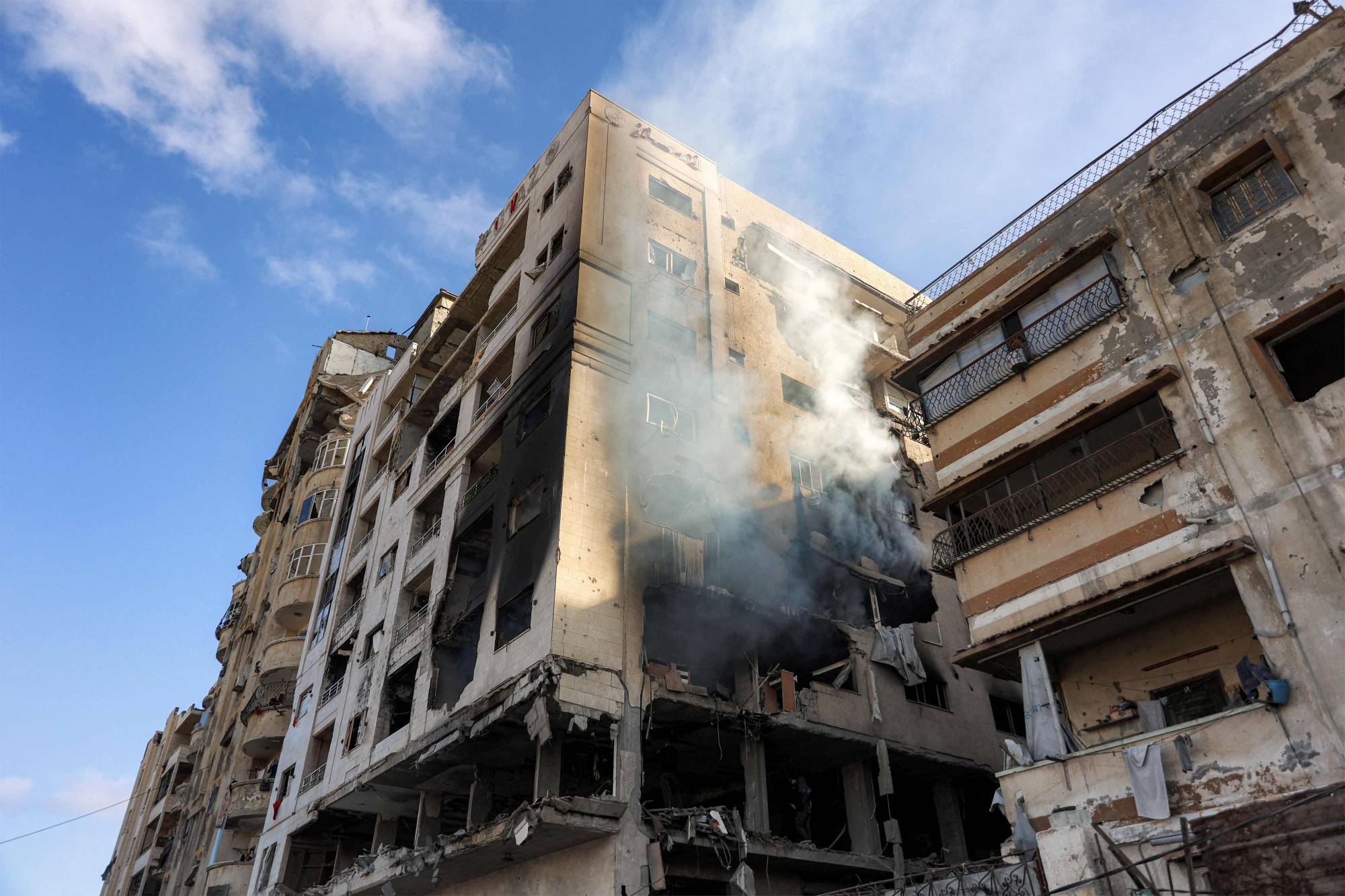
Smoke billows from a residential building that was hit by an Israeli strike the previous day in the Rimal neighbourhood of Gaza City on May 16, 2026.(Photo by Omar AL-QATTAA / AFP)

Intensive Surveillance of Mohammed Ouda's Wife

The two sources said Hamas is continuing efforts to track down and arrest individuals it describes as collaborators.

The security source said another suspect was arrested two days after the killing of Mohammed Ouda, who had assumed command of the Qassam Brigades' General Staff following Haddad's death before being killed by Israel on May 26.

The source said the detainee in the Ouda case was not a Hamas member and would also be executed after all "revolutionary procedures" had been completed.

According to sources in Gaza, the term "revolutionary procedures" refers to informing the suspect's family, the families of those allegedly killed as a result of information he provided, and the armed factions of the investigation's findings.

The Hamas security source said the suspect in Ouda's assassination admitted collaborating with Israeli intelligence and contributing to the killing of several prominent field operatives, in addition to his alleged role in Ouda's assassination. According to the source, the suspect's Shin Bet handler provided him with information related to the Haddad family's identity and whereabouts and specifically instructed him to monitor Ouda's wife.

The field source added that on the day Ouda was killed, his wife was under close surveillance by the alleged collaborator as she prepared the evening meal for the Day of Arafah fast. She reportedly left the family's newly rented apartment to prepare the meal while Ouda was on his way to join them. He later arrived and ate with his family before the apartment was struck, after the detained suspect allegedly confirmed to his handlers that they were all inside.

The source said Hamas security personnel had become suspicious of several individuals in the vicinity of the apartment targeted in the strike on Ouda and monitored the suspect for some time before arresting him.

According to the two sources, modern communication devices were seized from both suspects accused in the assassinations of Haddad and Ouda.

During the war and after the ceasefire, Hamas security services have executed several people convicted of collaborating with Israel in connection with a series of assassinations targeting senior leaders, including the late Qassam Brigades commander Mohammed Deif. According to the sources, some of those executed were Hamas members, although most were not affiliated with the movement.

Yemen’s Government Activates Emergency Plans to Protect Airports and Border Crossings

A displaced boy wearing an FC Barcelona jersey walks outside a tent at a displacement camp on the outskirts of Aden, Yemen, Wednesday, Nov. 11, 2026. (AP Photo/Abdulnasser Alseddik)
TT

Yemen’s Government Activates Emergency Plans to Protect Airports and Border Crossings

A displaced boy wearing an FC Barcelona jersey walks outside a tent at a displacement camp on the outskirts of Aden, Yemen, Wednesday, Nov. 11, 2026. (AP Photo/Abdulnasser Alseddik)

Military developments in Yemen have prompted the government to raise the level of preparedness at vital facilities and activate emergency plans at airports and land border crossings.

The move comes as displacement caused by Houthi escalation has expanded, surpassing 347,000 people, while the United Nations warns that civilian casualties since last August have exceeded 300 killed and wounded.

The latest measures reflect concerns that the repercussions of the fighting could spread to transportation, navigation, and supply sectors, particularly amid growing threats linked to the Bab al-Mandab Strait, one of the world's most important maritime trade routes.

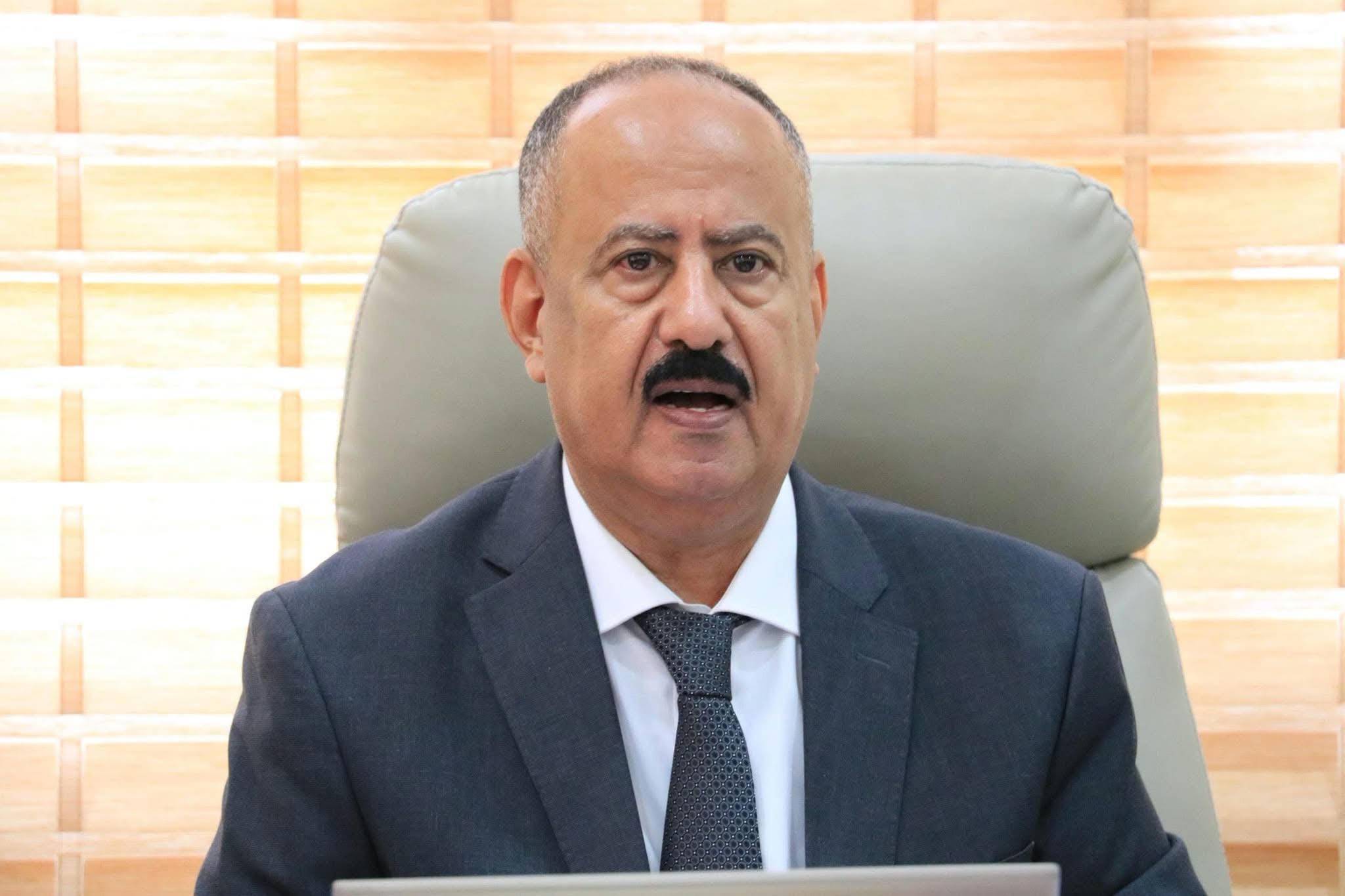
Yemeni Transport Minister Mohsen al-Omari instructed authorities to increase readiness and vigilance at airports and land crossings, activate emergency plans, tighten security and monitoring procedures, and strengthen coordination with local authorities and security agencies to ensure uninterrupted operations and the safety of critical infrastructure.

Yemeni Transport Minister Mohsen al-Omari (goverment media)

The directives were issued during a meeting with officials from the Civil Aviation and Meteorology Authority, the Land Transport Regulatory Authority, and directors of airports and border crossings to review emergency plans and the level of preparedness across ministry-affiliated institutions.

Al-Omari stressed that current circumstances require greater coordination and preparedness, noting the strategic importance of Bab al-Mandab as a vital waterway for global shipping and commerce.

He warned that any threat to international maritime routes would have consequences extending far beyond Yemen and impact global trade, and stressed that safeguarding maritime security is a shared responsibility requiring serious international action and close coordination with the Yemeni government and Saudi Arabia, which he said continues to support Yemen.

The minister also stated that Yemen has “no future under the Houthis,” describing the militias as an extremist sectarian and ideological project backed by Iran. He called for continued vigilance and strict adherence to government directives regarding developments in Bab al-Mandab and other vital areas.

Rising Wave of Displacement

Alongside the government measures, the humanitarian impact of the conflict continues to worsen. The International Organization for Migration (IOM) reported that the number of displaced people in Yemen has exceeded 347,000, including more than 14,000 individuals displaced during the last three days of the reporting period.

The organization documented the displacement of 18,780 people, representing 3,130 families, between November 8 and 14, indicating the continued flight of civilians from conflict zones and insecure areas.

Taiz Governorate has received the largest number of displaced people, hosting 143,130 individuals (41% of all recorded cases), followed by Lahj with 91,314 people (26%) and Aden with 70,404 people (20%). Additional displaced populations were recorded in Abyan, Hodeidah, Shabwa, Marib, Hadramawt, Al-Mahra, and Al-Dhalea.

The UN Office for the Coordination of Humanitarian Affairs (OCHA) reported that humanitarian agencies and partners have managed to deliver emergency assistance to more than 270,000 displaced people, roughly two-thirds of the total displaced population. More than 202,000 people have received emergency cash assistance.

In the health sector, aid programs reached over 103,000 displaced individuals, while a measles and rubella vaccination campaign launched on November 7 vaccinated more than 600,000 children.

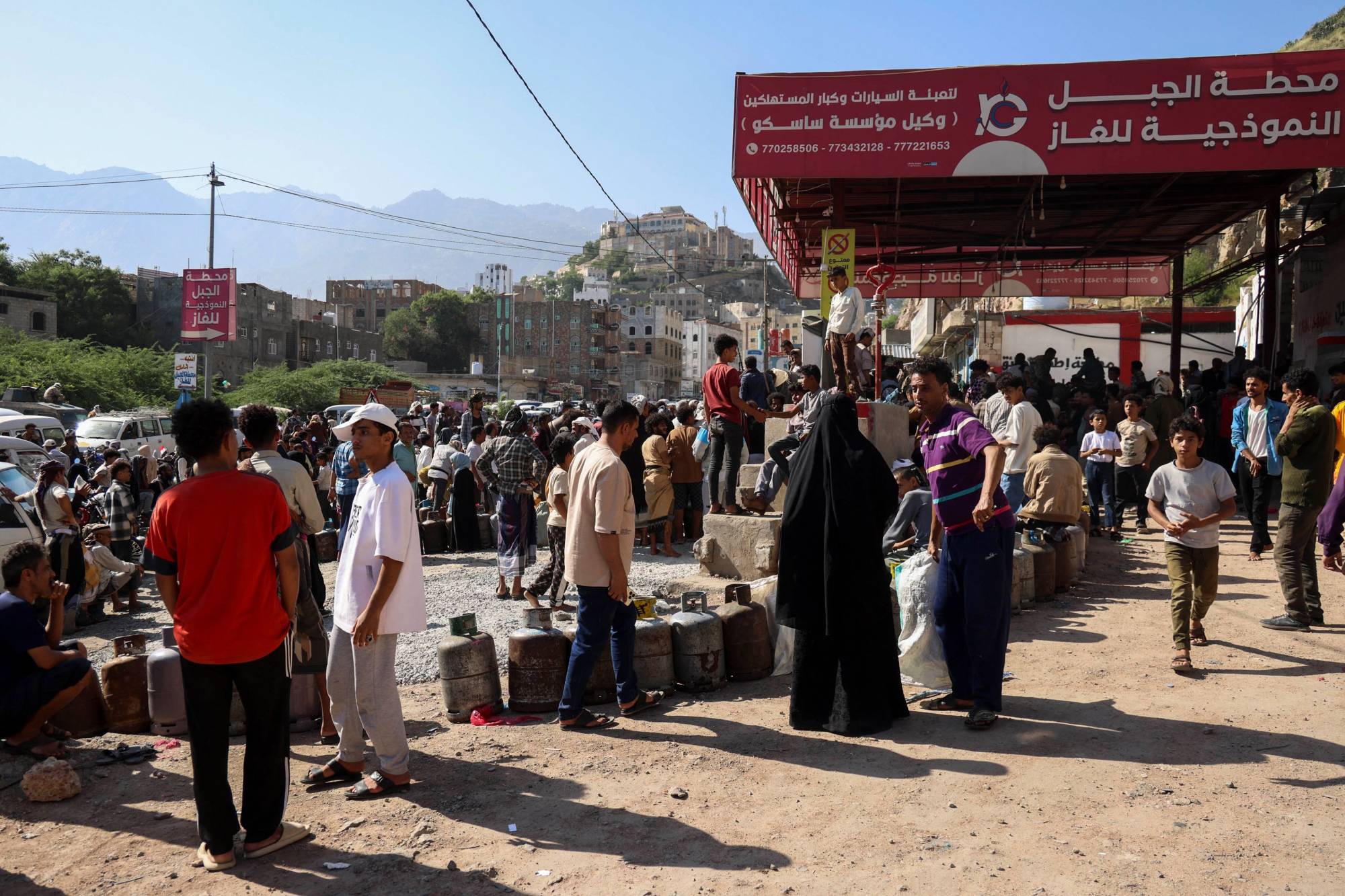
Yemenis line up to refill gas bottles at a refilling station in Taiz on October 19, 2026. (Photo by Ahmad AL-BASHA / AFP)

Civilian Casualties

The UN Human Rights Office documented more than 300 civilian casualties (killed and wounded) since the beginning of August, including over 70 deaths in cases verified by the organization.

According to the office, children account for more than one-third of all victims and nearly half of those killed. It warned that the true toll is likely much higher because the published figures include only cases independently verified by the UN.

These figures underscore the growing humanitarian consequences of the escalation, as fighting and displacement continue while the government seeks to secure critical infrastructure and reduce risks to transportation, shipping, and trade.


Syria FM Says Working Towards New Deal with EU

Foreign Minister Asaad al-Shaibani speaks at the Syria Partnership Coordination Forum in Damascus on Tuesday. (SANA)
TT

Syria FM Says Working Towards New Deal with EU

Foreign Minister Asaad al-Shaibani speaks at the Syria Partnership Coordination Forum in Damascus on Tuesday. (SANA)

Foreign Minister Asaad al-Shaibani said Tuesday that Syria was working towards a new agreement with the European Union as the sides seek to deepen ties nearly two years after the ouster of longtime ruler Bashar al-Assad.

Shaibani's remarks came a day after EU top diplomat Kaja Kallas said the bloc would look to sign a nearly 20-year-old association deal with Syria, as the country seeks recover and rebuild after more than 13 years of civil war.

Shaibani told the Syria Partnership Coordination Forum, held with the EU in Damascus, that "we are currently working with the (European) Union on a joint scope paper for a new agreement" that would "open doors to trade and investment, and make political dialogue and institutional cooperation a firm commitment".

Syria and the EU signed a cooperation agreement including on economy and trade in 1977.

In 2008, they preliminarily inked an association agreement to replace the earlier deal but it never went into force due to human rights concerns.

Kallas on Monday said that EU foreign ministers meeting in Brussels had "supported moving ahead" with the 2008 deal and launching talks for an updated one.

"Syria needs investment and a successful transition," she said, adding: "The aim is to give Europe and Syria a framework for trade, political dialogue, and closer cooperation as soon as possible."

Syria's conflict killed more than half a million people, sent millions fleeing internally and abroad, and ravaged the country's infrastructure and industry.

The EU in 2025 removed its sanctions on Syria's economy in a bid to help its post-war recovery, while in May this year the bloc restored the cooperation agreement with Syria.

On Tuesday, European Commissioner for the Mediterranean, Dubravka Suica, told the event in Damascus that "the EU wants to deepen the political dialogue, strengthen trade and economic cooperation, and support Syria's reintegration" into the European-Mediterranean space.

"Respect for human rights and the protection of minorities is fundamental to our relationship with Syria. All Syrians must have a say in their country's future," she added.

The bloc has emphasized the need for Syria to carry out reforms and for its transition to be inclusive, particularly after sectarian violence last year.


UN: Drones Account for Nearly Three-quarters of Sudan War Deaths this Year

A man sits on his home debris following a strike in Imtidad Nasser, a neighborhood east of Khartoum's airport, Sudan, Tuesday, Oct. 20, 2026. (AP Photo/Marwan Ali)
TT

UN: Drones Account for Nearly Three-quarters of Sudan War Deaths this Year

A man sits on his home debris following a strike in Imtidad Nasser, a neighborhood east of Khartoum's airport, Sudan, Tuesday, Oct. 20, 2026. (AP Photo/Marwan Ali)

The UN human rights office said on Tuesday it had confirmed 2,230 civilian deaths in Sudan's civil war so far this year, with drone strikes accounting for nearly three-quarters of the toll and emerging as the conflict's "defining feature".

United Nations High Commissioner for Human Rights Volker Turk condemned the "brazen disregard for the laws of war" by ⁠the warring parties which ⁠he said may amount to war crimes.

Sudan's army has been fighting the Rapid Support Forces in a civil war since April 2023 and both sides have stepped ⁠up drone strikes in recent months.

"The increased use of ...drones emerged as one of the defining features of the conflict in the Sudan, enabling parties to extend their reach far beyond areas of territorial control and front lines," said the UN report covering the January-June period.

Since then, the UN-verified toll has risen ⁠to ⁠2,230 of whom over 1,630 were killed by drones, according to a UN statement released alongside the report, adding that the true scale of loss was likely higher.

As well as those killed directly by the fighting, drones are increasingly targeting facilities that ensure human survival such as water sources and power supplies, the UN statement said.