



Military developments in Yemen have prompted the government to raise the level of preparedness at vital facilities and activate emergency plans at airports and land border crossings.
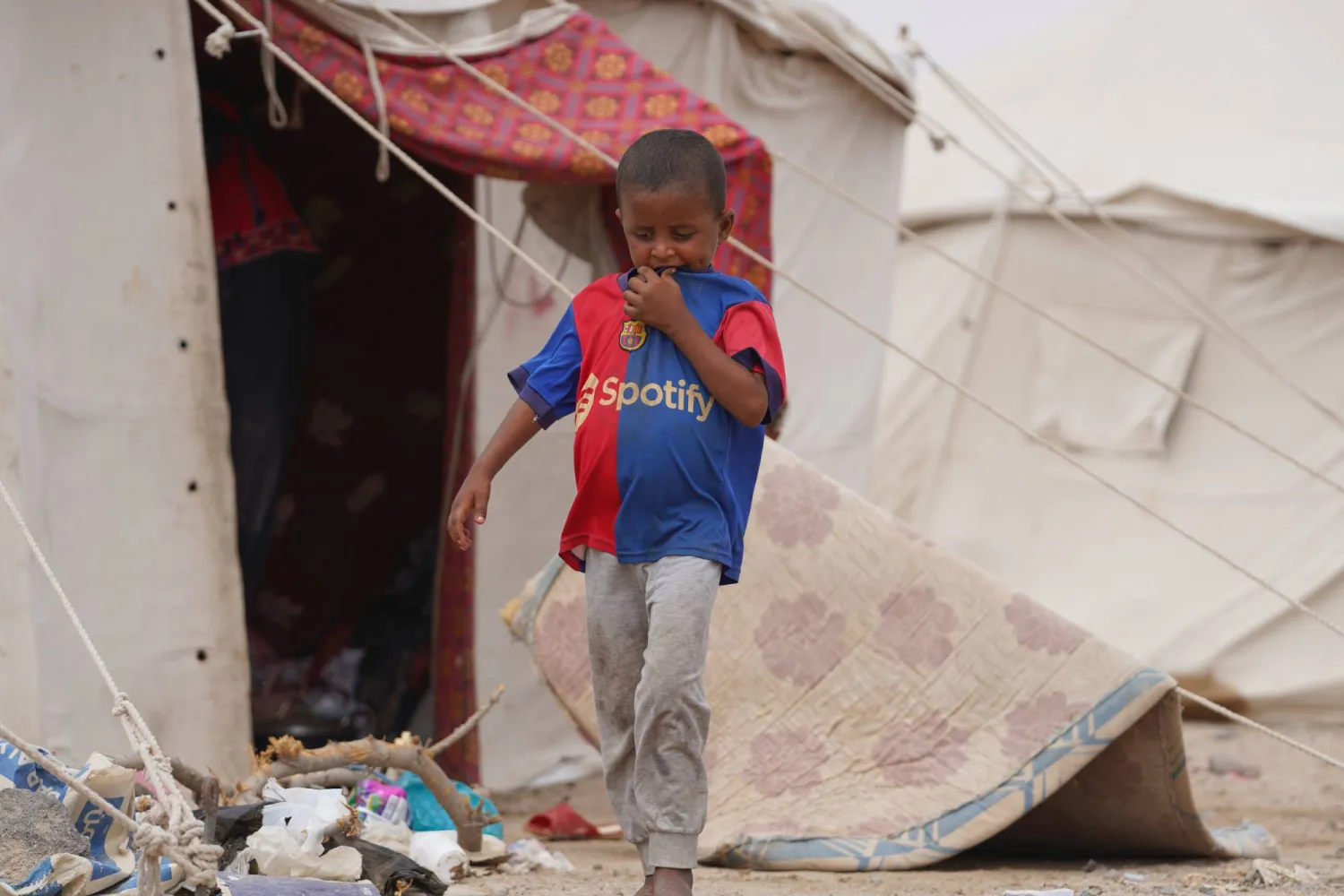
The move comes as displacement caused by Houthi escalation has expanded, surpassing 347,000 people, while the United Nations warns that civilian casualties since last August have exceeded 300 killed and wounded.
The latest measures reflect concerns that the repercussions of the fighting could spread to transportation, navigation, and supply sectors, particularly amid growing threats linked to the Bab al-Mandab Strait, one of the world's most important maritime trade routes.
Yemeni Transport Minister Mohsen al-Omari instructed authorities to increase readiness and vigilance at airports and land crossings, activate emergency plans, tighten security and monitoring procedures, and strengthen coordination with local authorities and security agencies to ensure uninterrupted operations and the safety of critical infrastructure.
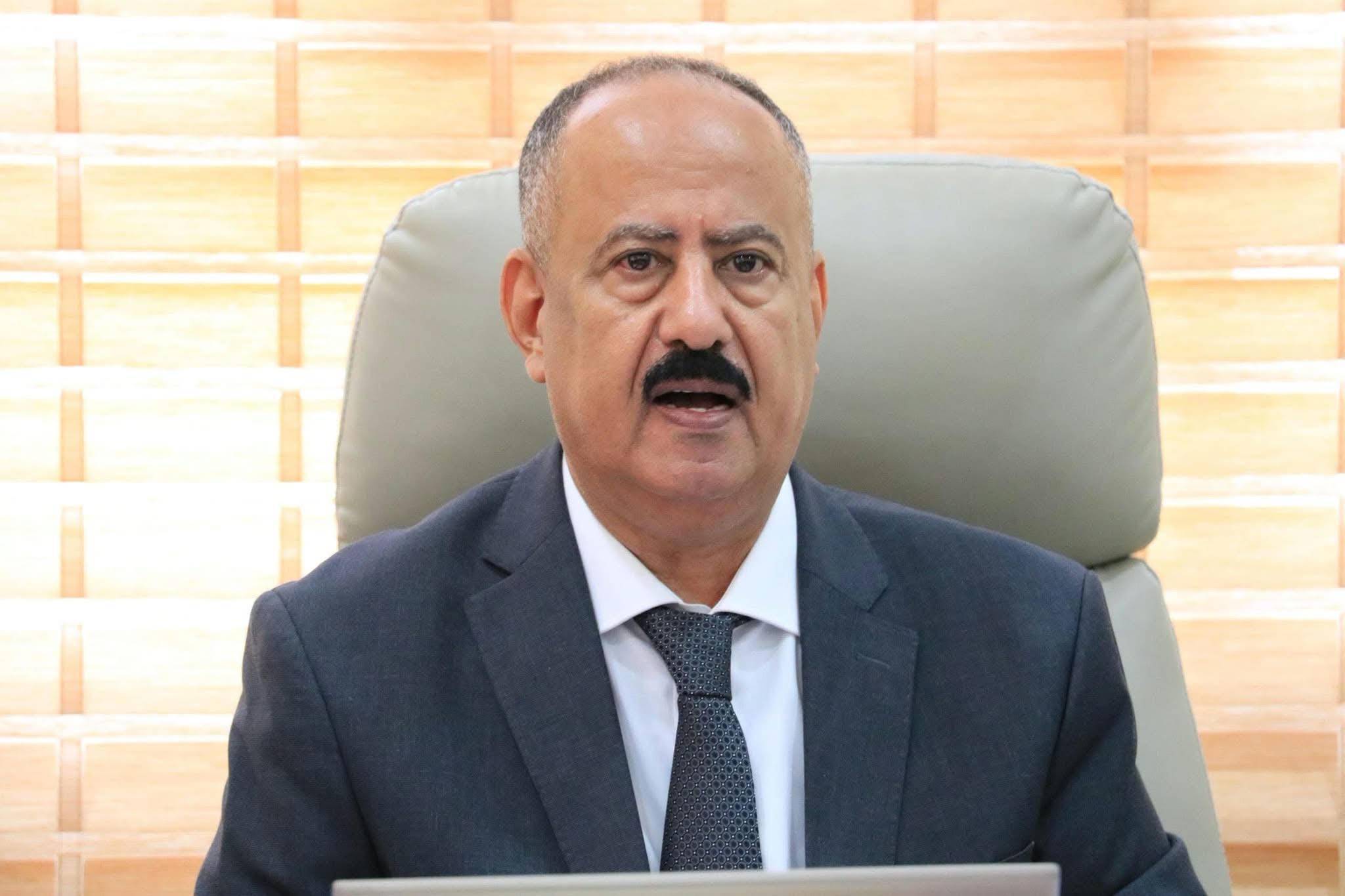
The directives were issued during a meeting with officials from the Civil Aviation and Meteorology Authority, the Land Transport Regulatory Authority, and directors of airports and border crossings to review emergency plans and the level of preparedness across ministry-affiliated institutions.
Al-Omari stressed that current circumstances require greater coordination and preparedness, noting the strategic importance of Bab al-Mandab as a vital waterway for global shipping and commerce.
He warned that any threat to international maritime routes would have consequences extending far beyond Yemen and impact global trade, and stressed that safeguarding maritime security is a shared responsibility requiring serious international action and close coordination with the Yemeni government and Saudi Arabia, which he said continues to support Yemen.
The minister also stated that Yemen has “no future under the Houthis,” describing the militias as an extremist sectarian and ideological project backed by Iran. He called for continued vigilance and strict adherence to government directives regarding developments in Bab al-Mandab and other vital areas.
Rising Wave of Displacement
Alongside the government measures, the humanitarian impact of the conflict continues to worsen. The International Organization for Migration (IOM) reported that the number of displaced people in Yemen has exceeded 347,000, including more than 14,000 individuals displaced during the last three days of the reporting period.
The organization documented the displacement of 18,780 people, representing 3,130 families, between November 8 and 14, indicating the continued flight of civilians from conflict zones and insecure areas.
Taiz Governorate has received the largest number of displaced people, hosting 143,130 individuals (41% of all recorded cases), followed by Lahj with 91,314 people (26%) and Aden with 70,404 people (20%). Additional displaced populations were recorded in Abyan, Hodeidah, Shabwa, Marib, Hadramawt, Al-Mahra, and Al-Dhalea.
The UN Office for the Coordination of Humanitarian Affairs (OCHA) reported that humanitarian agencies and partners have managed to deliver emergency assistance to more than 270,000 displaced people, roughly two-thirds of the total displaced population. More than 202,000 people have received emergency cash assistance.
In the health sector, aid programs reached over 103,000 displaced individuals, while a measles and rubella vaccination campaign launched on November 7 vaccinated more than 600,000 children.
Civilian Casualties
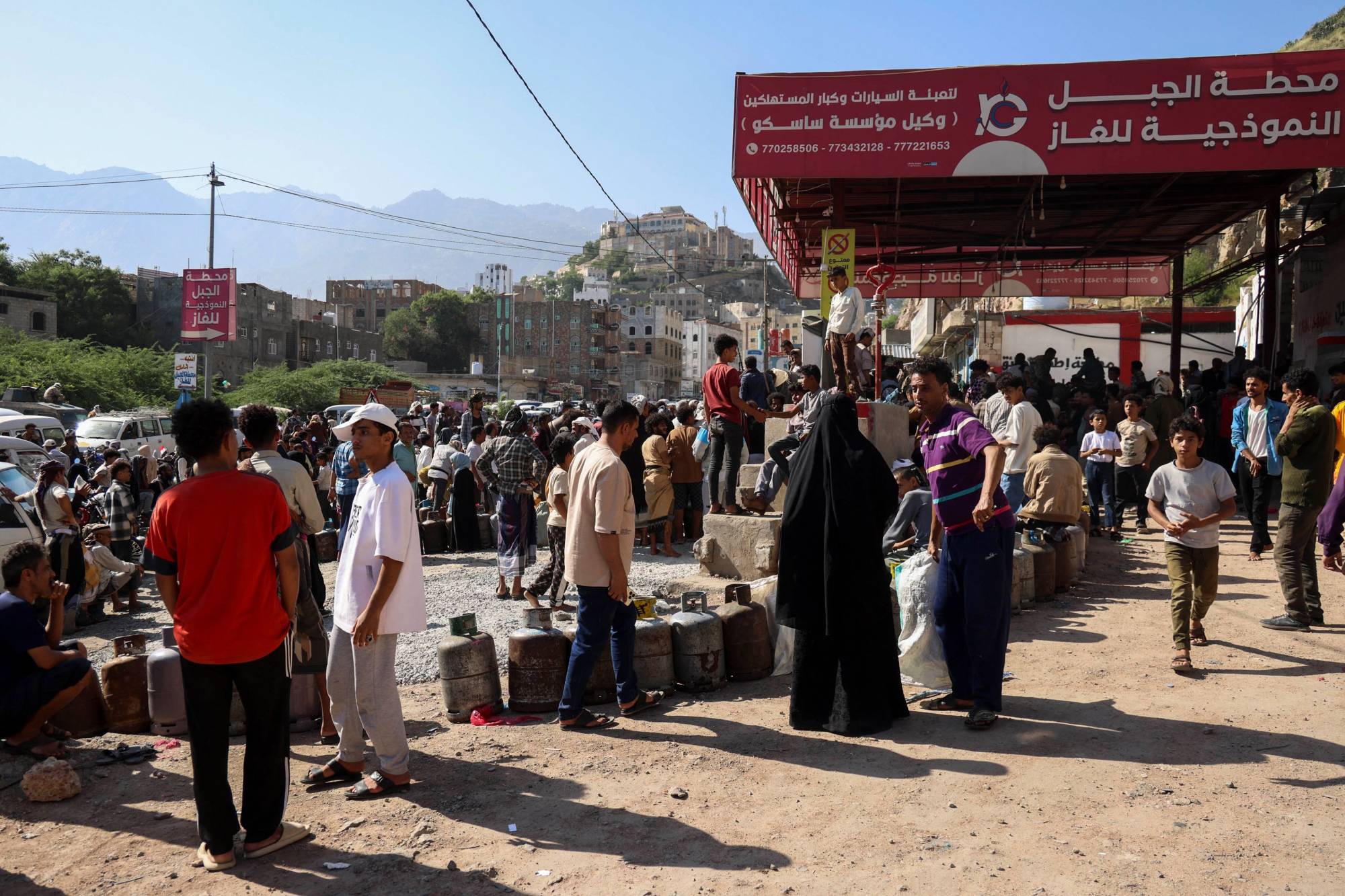
The UN Human Rights Office documented more than 300 civilian casualties (killed and wounded) since the beginning of August, including over 70 deaths in cases verified by the organization.
According to the office, children account for more than one-third of all victims and nearly half of those killed. It warned that the true toll is likely much higher because the published figures include only cases independently verified by the UN.
These figures underscore the growing humanitarian consequences of the escalation, as fighting and displacement continue while the government seeks to secure critical infrastructure and reduce risks to transportation, shipping, and trade.


