

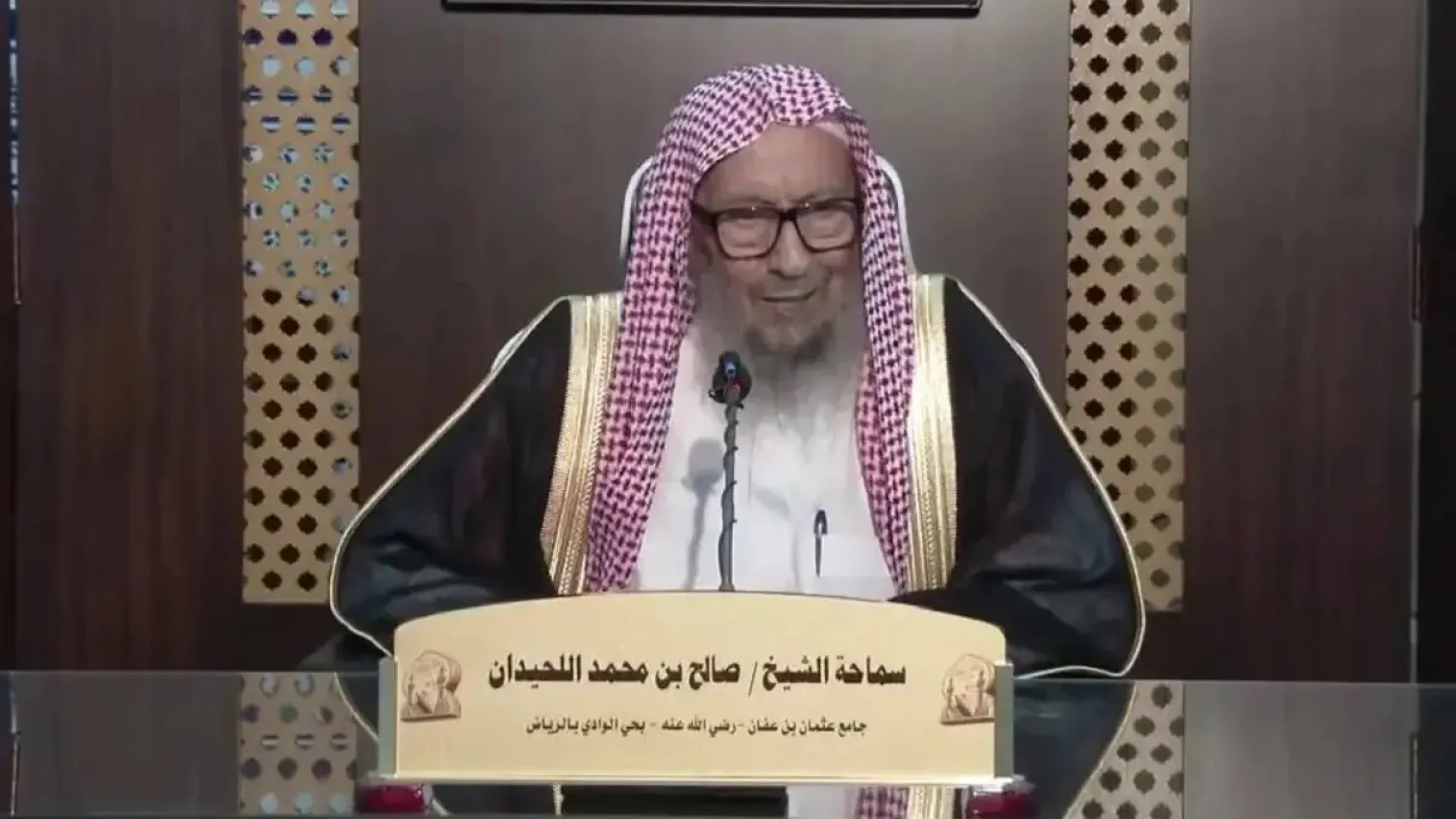

Senior Saudi Cleric Passes Away After Serving 6 Decades in Ifta, Judiciary

File photo of Sheikh Saleh bin Mohammed Al-Luhain. (Twitter)
TT

Senior Saudi Cleric Passes Away After Serving 6 Decades in Ifta, Judiciary

File photo of Sheikh Saleh bin Mohammed Al-Luhain. (Twitter)

Senior Saudi cleric Sheikh Saleh bin Mohammed Al-Luhaidan passed away on Wednesday morning after a long battle with illness. He was 90 years old.

On Twitter and other social media networks, an Arabic hashtag with his name saw an outpouring of prayers and praise for the cleric and Islamic scholar, who served for years as head of the Kingdom’s Ifta courts.

Al-Luhaidan was born in 1932 in the province of Qassim, located between Madinah and Riyadh. He earned a baccalaureate degree from the College of Sharia in Riyadh in 1959 and a Master’s Degree from the Higher Institute of Judiciary in 1969.

He served six decades in the judicial and Islamic domains, through his membership in a number of relevant institutions, including the World Muslim League in the holy city of Makkah.

Al-Luhaidan also served for several years in the judicial sector and had a great influence on the Saudi judicial system, which is mainly based on the Islamic Sharia.

He presided over the permanent panel of the Saudi Higher Judicial Council from 1982 till 2009. He was also member of the Council of Senior Scholars since its establishment in 1971.

GCC Secretary-General Condemns Iranian Attacks on Bahrain, Kuwait, and Jordan

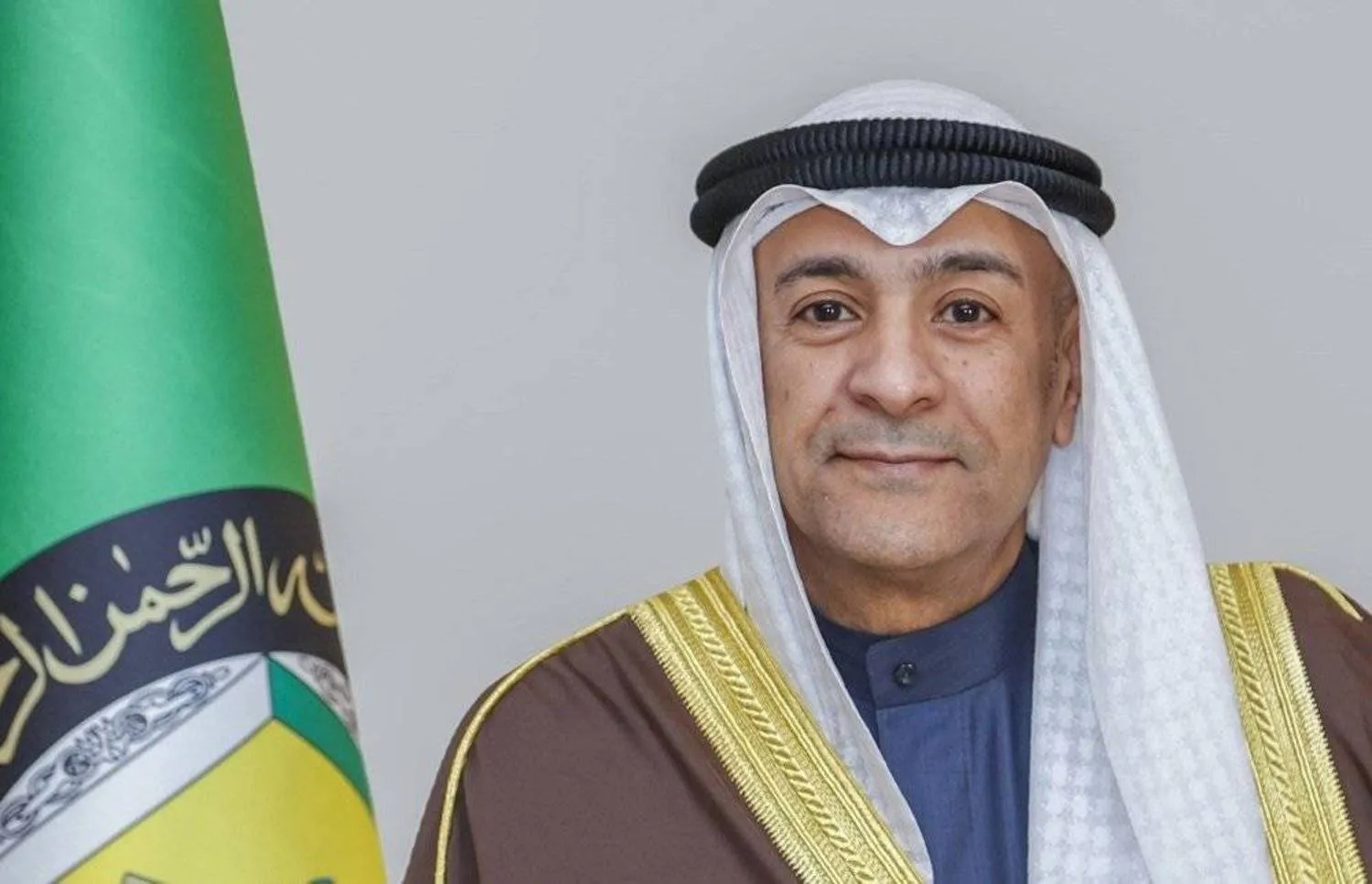
Secretary-General of the Gulf Cooperation Council (GCC) Jasem Albudaiwi. SPA
TT

GCC Secretary-General Condemns Iranian Attacks on Bahrain, Kuwait, and Jordan

Secretary-General of the Gulf Cooperation Council (GCC) Jasem Albudaiwi. SPA

Gulf Cooperation Council (GCC) Secretary-General Jasem Albudaiwi expressed his strongest condemnation of the repeated hostile Iranian attacks targeting the Kingdom of Bahrain, the State of Kuwait, and the Hashemite Kingdom of Jordan.

Albudaiwi stated that Iran's continued targeting of civilian facilities and vital infrastructure undermines international and regional efforts aimed at promoting security and peace and resolving ongoing crises, SPA reported.

He also reaffirmed the GCC’s full support for all measures taken by Bahrain, Kuwait, and Jordan to strengthen their security and protect their territorial integrity.


Saudi Arabia Condemns Iranian Attacks, Calls for Diplomatic Engagement

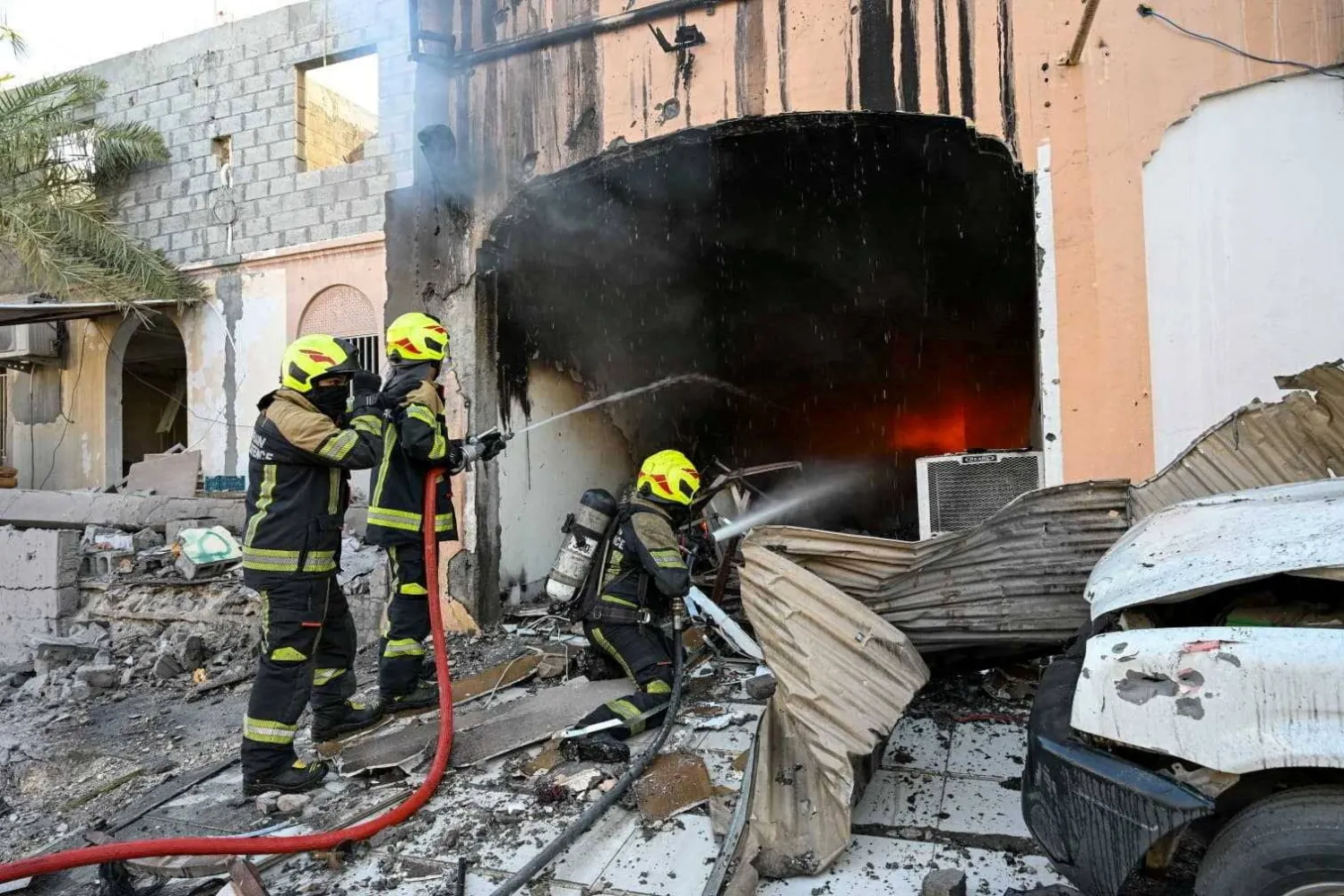
Firefighters work to extinguish fire in the aftermath of Iranian drone attacks, according to Bahrain's Interior Ministry, at a location given as Bahrain, in this handout image released on June 11, 2026. Ministry of Interior of the Kingdom of Bahrain/Handout via REUTERS
TT

Saudi Arabia Condemns Iranian Attacks, Calls for Diplomatic Engagement

Firefighters work to extinguish fire in the aftermath of Iranian drone attacks, according to Bahrain's Interior Ministry, at a location given as Bahrain, in this handout image released on June 11, 2026. Ministry of Interior of the Kingdom of Bahrain/Handout via REUTERS

Saudi Arabia strongly condemned on Thursday the repeated Iranian attacks on Jordan, Bahrain and Kuwait, and the continued violations of their sovereignty which “escalate tensions in the region.”

A Foreign Ministry statement called for “de-escalation, the avoidance of any further escalation, and the exercise of wisdom by returning to diplomatic engagement and continuing the constructive negotiations” sponsored by Pakistan, along with the efforts exerted by Qatar.

Such a move “spares the region and its people the consequences of the return of war and contributes to the restoration of security and stability in the region and the world,” the statement added.


Saudi Arabia Stresses Centrality of Palestinian Cause for Arab World

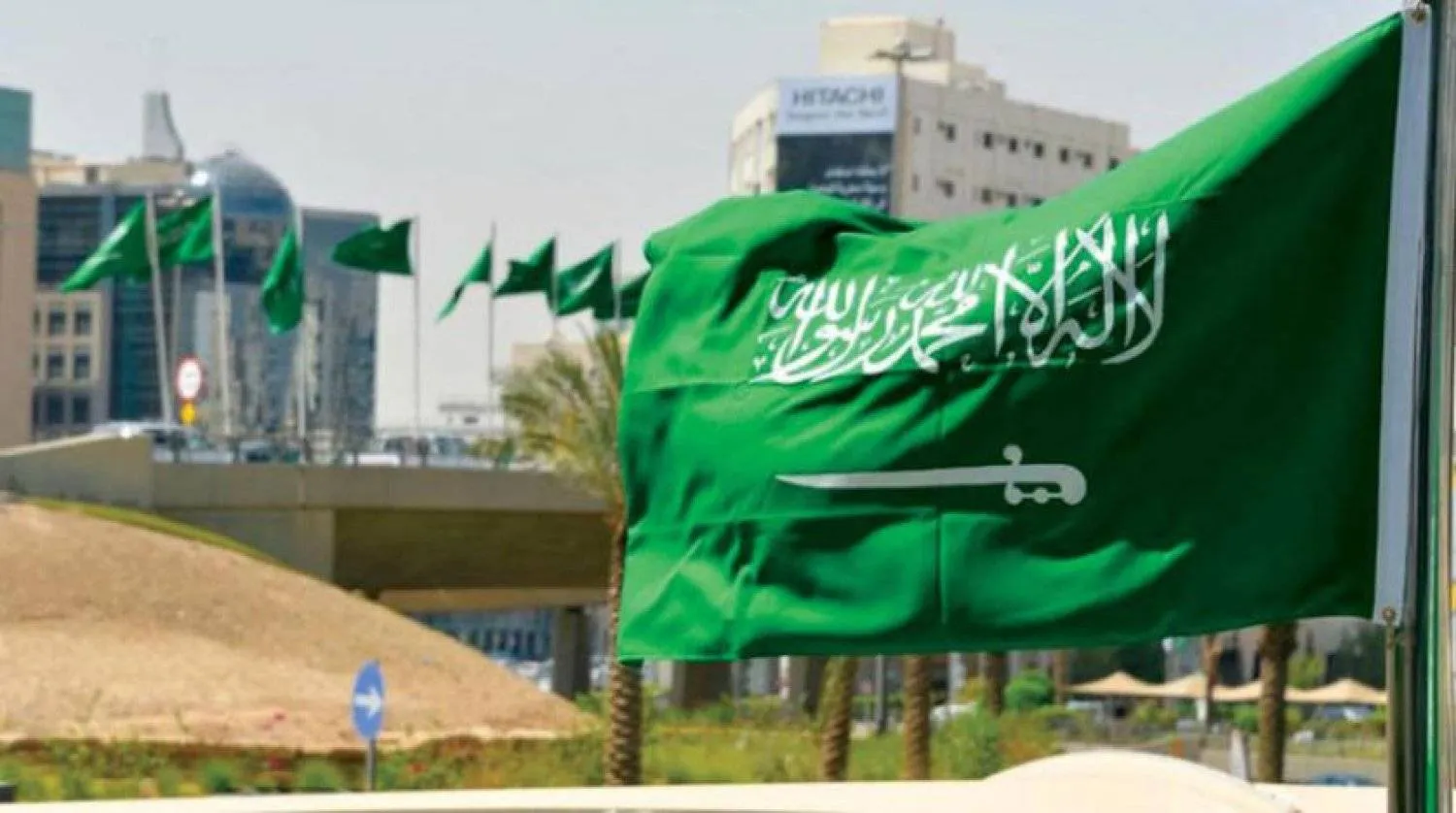
The Saudi flag. Asharq Al-Awsat
TT

Saudi Arabia Stresses Centrality of Palestinian Cause for Arab World

The Saudi flag. Asharq Al-Awsat

Permanent Representative of Saudi Arabia to the United Nations Dr. Abdulaziz Alwasil affirmed the centrality of the Palestinian cause for the Arab world, saying achieving a just, comprehensive, and lasting peace in the Middle East requires ending the Israeli occupation and enabling the Palestinian people to exercise their inalienable right to self-determination.

In a statement delivered on behalf of the Arab Group during a high-level Security Council meeting on the Middle East, Alwasil also referred to recent Iranian attacks targeting several Gulf states and Jordan, describing them as violations of the principles of good neighborliness, international law, and the United Nations Charter.

He stressed the need to respect state sovereignty and avoid actions that threaten regional security and stability.

He further condemned the continued Israeli aggression against Lebanon, reaffirming rejection of any violation of Lebanon’s sovereignty or targeting of its army, and stressing the importance of complying with international resolutions and respecting states’ sovereignty and territorial integrity.

Alwasil also denounced repeated Israeli incursions and attacks on Syrian territory, stressing the Arab Group’s rejection of such violations, which undermine Syria’s sovereignty and threaten regional security and stability.

He emphasized the importance of political solutions, dialogue, and mediation as the most effective means of addressing regional crises and resolving conflicts peacefully, thereby contributing to security, stability, and development for the peoples of the Middle East.