First Abu Dhabi Makes Offer for Egypt’s Investment Bank EFG Hermes

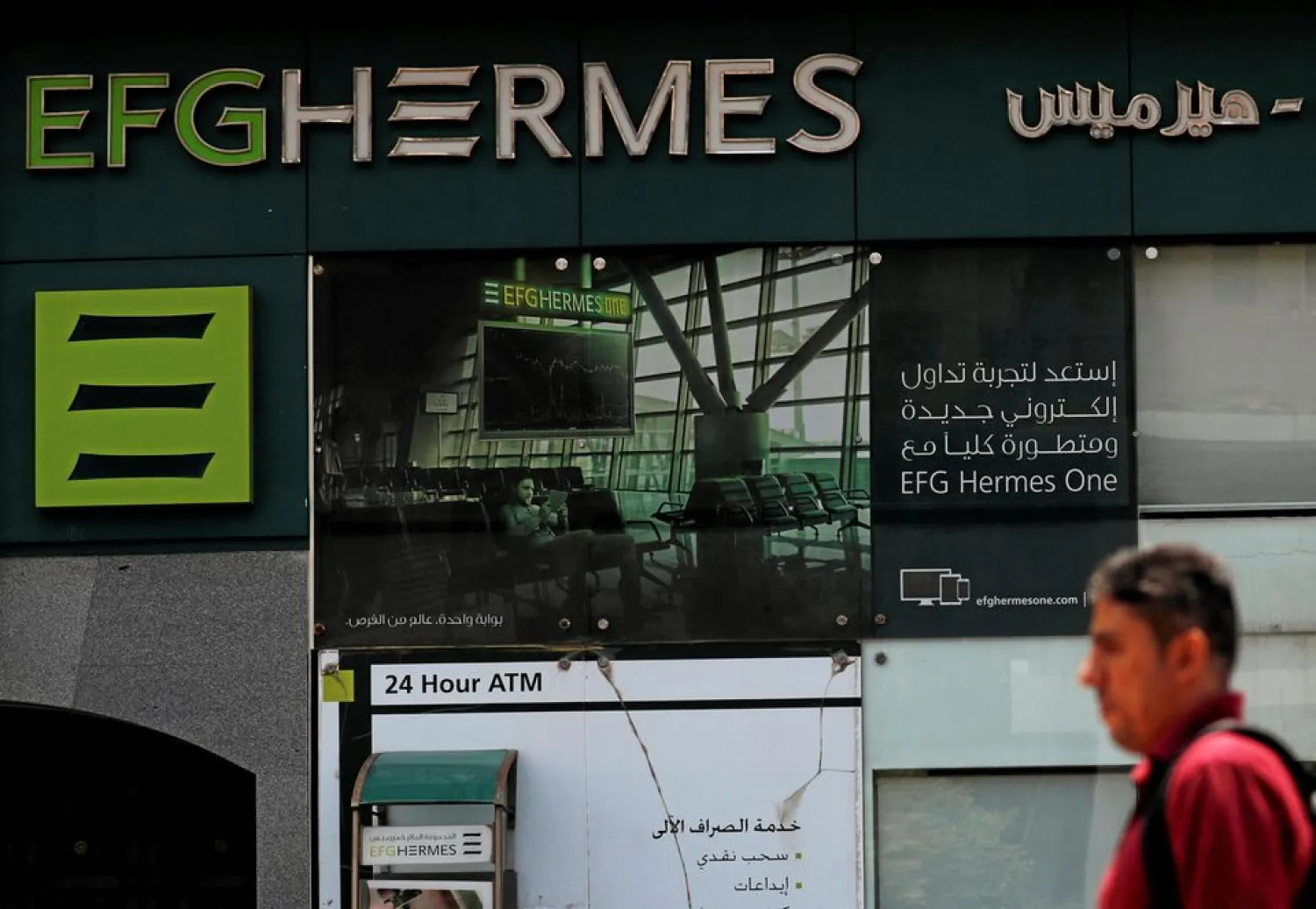
An Egyptian man walks past a branch of the EFG Hermes investment bank in Cairo, Egypt May 29, 2018. REUTERS/Amr Abdallah Dalsh
TT

First Abu Dhabi Makes Offer for Egypt’s Investment Bank EFG Hermes

An Egyptian man walks past a branch of the EFG Hermes investment bank in Cairo, Egypt May 29, 2018. REUTERS/Amr Abdallah Dalsh

First Abu Dhabi Bank has made an offer to buy a controlling stake in Egypt's biggest investment bank EFG Hermes that values the North African lender at $1.1 billion, a regulatory statement said.

FAB, the UAE's biggest lender, made a non-binding offer to buy at least 51% in EFG Hermes for 19 Egyptian pounds ($1.21) a share, Egypt's Financial Regulatory Authority said.

If the deal succeeds, it would mark FAB's second major transaction in Egypt after it bought the Egyptian business of Lebanon's Bank Audi last year, according to Reuters.

Under Egyptian rules, a party seeking to buy more than one third of a listed company must make a mandatory tender offer for all remaining shares, lawyers say.

EFG Hermes said in a disclosure on the London Stock Exchange the transaction's completion and final purchase price would be conditional on the completion of "a satisfactory comprehensive due diligence" and on the required regulatory approvals.

After that, a mandatory tender offer would be made to all shareholders.

The purchase of EFG Hermes would allow FAB to gain access to the Egyptian investment bank's strong investment banking franchise in the Middle East and North Africa region.


OPEC Forecasts World Demand for OPEC+ Crude Dropping in Q2

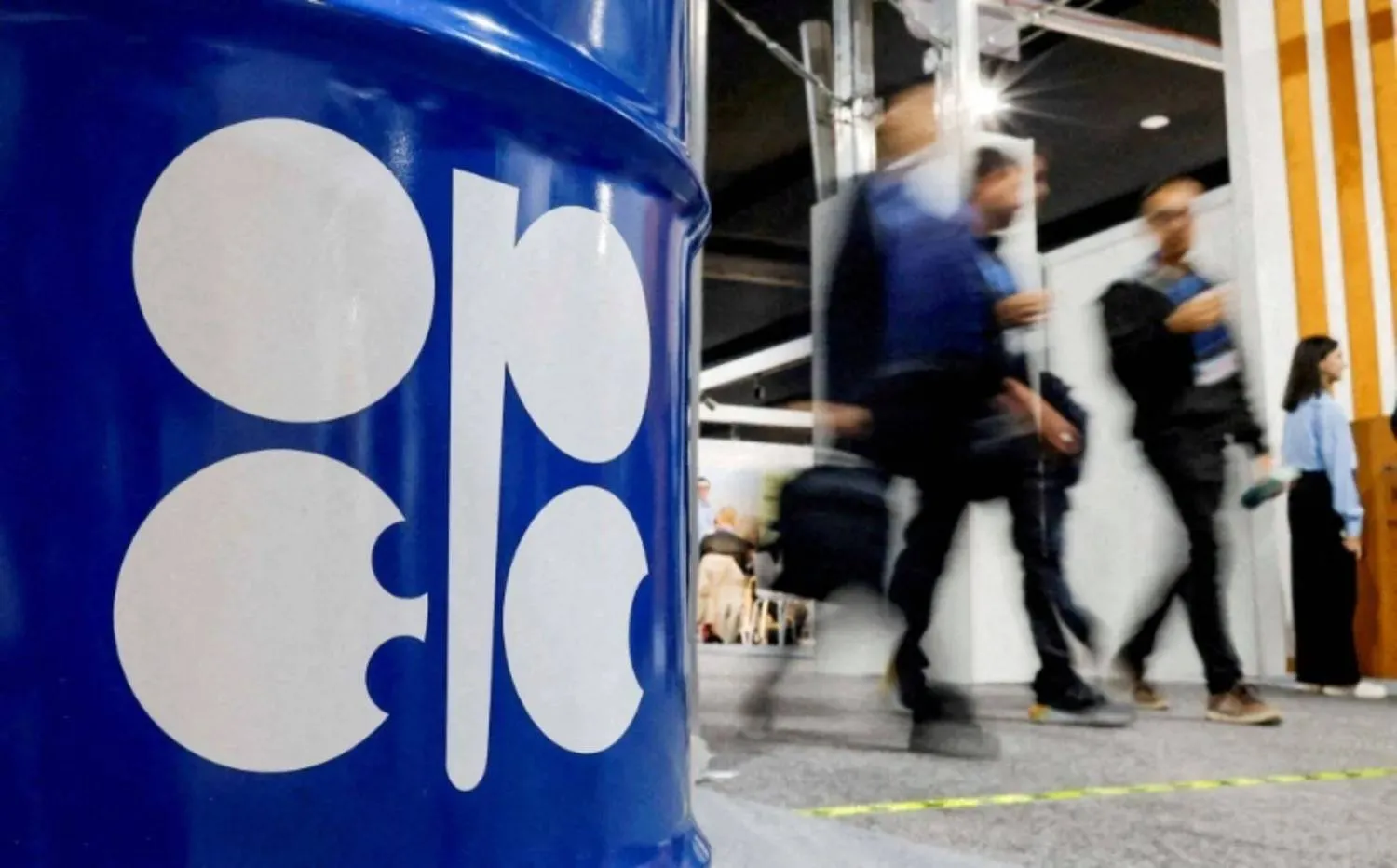
People walk past an installation depicting barrel of oil with the logo of Organization of the Petroleum Exporting Countries (OPEC) during the COP29 United Nations climate change conference in Baku, Azerbaijan November 19, 2024. REUTERS/Maxim Shemetov/File Photo 
TT

OPEC Forecasts World Demand for OPEC+ Crude Dropping in Q2

People walk past an installation depicting barrel of oil with the logo of Organization of the Petroleum Exporting Countries (OPEC) during the COP29 United Nations climate change conference in Baku, Azerbaijan November 19, 2024. REUTERS/Maxim Shemetov/File Photo 

The Organization of the Petroleum Exporting Countries (OPEC) on Wednesday forecast world oil demand for crude from the wider OPEC+ producer group will drop by 400,000 barrels per day in ‌the second quarter of this year, a copy of its monthly oil report on OPEC’s website shows.

World demand for OPEC+ crude ‌will average 42.20 million bpd in ⁠the second quarter, ⁠OPEC said in the report, down from 42.60 million bpd in the first quarter. Both forecasts were unchanged from last month’s report.

The OPEC+ group comprising OPEC nations, plus Russia and other allies, began raising oil output ⁠last year after years ⁠of cuts, and paused production hikes in the first quarter of 2026 amid predictions of a glut.

Eight OPEC+ members meet on ‌March 1 where they are expected to make a decision on whether to resume the hikes in April.

In the report, OPEC also left unchanged its forecasts that world oil demand will rise by 1.34 million bpd in 2027 and by 1.38 million bpd this year. The 2026 forecast is higher than that of other analysts such as the International Energy Agency.

OPEC+ pumped 42.45 million bpd in January, 2026, down 439,000 bpd from December, 2025, driven by reductions in Kazakhstan, Russia, Venezuela and Iran, OPEC said in the report.

OPEC has maintained its forecast for global oil demand in 2026 at approximately 106.5 million barrels per day (mb/d), keeping the projection it announced four months ago.

It also projected that world oil consumption will grow by 1.3 million bpd in 2027 and an average of 107.9 million bpd, unchanged from last month.

OPEC+ oil production declined last month amid losses in Venezuela and Iran, supported by geopolitical tensions, the group said.

Venezuelan and Iranian crude production declined by 87,000 barrels a day and 81,000 barrels a day, respectively.

Meanwhile, the global economic growth forecasts remained unchanged from last month's assessment at 3.1% in 2026 and 3.2% in 2027.

OPEC said world oil demand was gaining support from air travel and road transport, as well as from a drop in the value of the US dollar against a basket of currencies.

“This decline has made dollar-priced commodities, including oil, cheaper for consumers and provided some additional support for global demand,” OPEC said in the report.

Oil prices gained around 2% on Wednesday, buoyed by potential supply risks should US–Iran tensions escalate, while draws of crude from key stockpiles suggested stronger demand.

Brent crude oil futures were up $1.52, or 2.2%, at $70.32 a barrel by 01:20 GMT. US West Texas Intermediate crude rose $1.50, or nearly 2.4%, to $65.46.



Saudi Aramco Achieves 70% Local Content Target through iktva Program

Saudi Aramco Achieves 70% Local Content Target through iktva Program
TT

Saudi Aramco Achieves 70% Local Content Target through iktva Program

Saudi Aramco Achieves 70% Local Content Target through iktva Program

Saudi Aramco announced on Wednesday that its supply chain transformation program, iktva (In-Kingdom Total Value Add), has achieved its target of reaching 70% local content.

Building on this milestone, the company said that it plans to increase local content in its goods and services procurement to 75% by 2030.

Since its launch, the iktva program has contributed more than $280 billion to the Kingdom’s gross domestic product, reinforcing its role as a key driver of industrial development, economic diversification, and long-term financial resilience.

Through the localization of goods and services, the program has strengthened the resilience and reliability of Aramco’s supply chains, enhanced operational continuity, reduced supply chain vulnerabilities, and provided protection against global cost inflation - capabilities that proved critical during periods of disruption.

Aramco President and CEO Amin Nasser expressed pride in the scale of transformation achieved through iktva and its positive impact on the Kingdom’s economy, noting that the announcement represents a major milestone in the program’s journey and reflects a significant leap in Saudi Arabia’s industrial development, fully aligned with the Kingdom’s national vision.

“iktva is a core pillar of Aramco’s strategy to build a competitive national industrial ecosystem that supports the energy sector while enabling broader economic growth and creating thousands of job opportunities for Saudi nationals,” he stressed.

By localizing supply chains, the program ensures operational reliability and mitigates disruptions that may affect global supply chains, he added, noting that its cumulative impact over a decade demonstrates the sustained value it continues to generate.

Over the past decade, iktva has emerged as a leading example of supply-chain-driven economic transformation, converting Aramco’s project spending into domestic economic multipliers that have created jobs, improved productivity, stimulated exports, and strengthened supply chain resilience.

The program has identified more than 200 localization opportunities across 12 key sectors, representing an annual market value of $28 billion. These opportunities have translated into tangible investment outcomes, catalyzing more than 350 investments from 35 countries in new manufacturing facilities within the Kingdom, supported by approximately $9 billion in capital. These investments have enabled the local manufacture of 47 strategic products in Saudi Arabia for the first time.

iktva has also contributed to the creation of more than 200,000 direct and indirect jobs across the Kingdom, further strengthening the local industrial base and national capabilities. To support continued growth, the program organized eight regional supplier forums worldwide in 2025, in addition to its biennial forum. These events helped connect global investors, manufacturers, and suppliers with localization opportunities in Saudi Arabia.


AirAsia X Unveils Kuala Lumpur-Bahrain-London Route

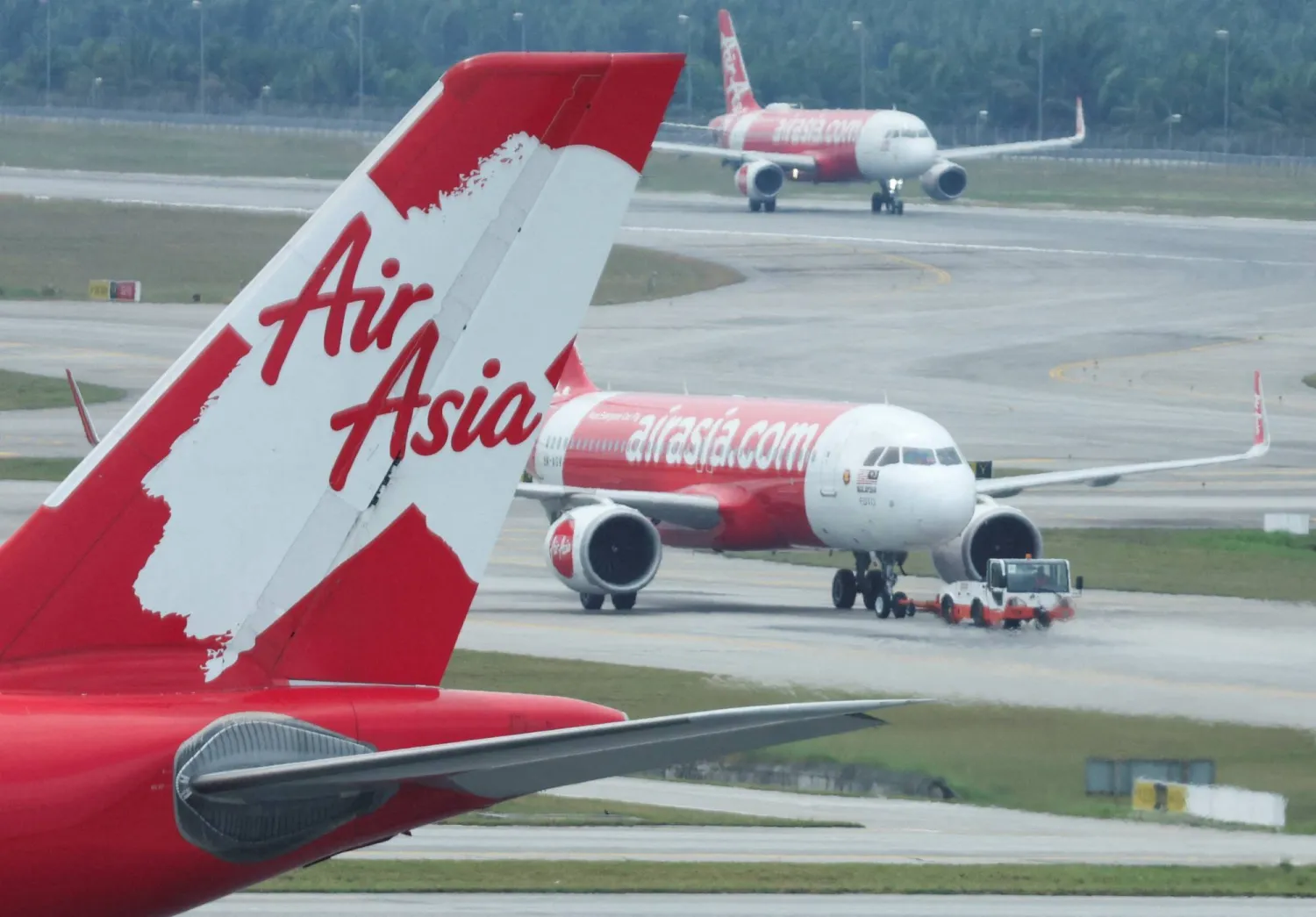
FILE PHOTO: Planes from AirAsia are seen on the tarmac of Kuala Lumpur International Airport Terminal 2 (KLIA2) in Sepang, Malaysia, February 26, 2024. REUTERS/Hasnoor Hussain/File Photo
TT

AirAsia X Unveils Kuala Lumpur-Bahrain-London Route

FILE PHOTO: Planes from AirAsia are seen on the tarmac of Kuala Lumpur International Airport Terminal 2 (KLIA2) in Sepang, Malaysia, February 26, 2024. REUTERS/Hasnoor Hussain/File Photo

Malaysian budget carrier AirAsia X on Wednesday unveiled plans to resume flights from Kuala Lumpur to London via a new hub in Bahrain, using the extended range of narrow-body jets to stitch fresh routes alongside established carriers.

The service, due to start in June, would make Bahrain AirAsia X's first hub outside Asia, placing it within reach of busy markets in Southeast Asia, the Middle East and Europe.

It also marks a ‌return to ‌the British capital more than a decade after the airline suspended ‌non-stop ⁠flights from Kuala Lumpur ⁠and retired its Airbus A340 jets.

Co-founder Tony Fernandes said Bahrain could become a regional gateway for underserved secondary cities across Asia, Africa and Europe.

"While ... of course London is a very emotional destination for many people in Southeast Asia, the real aim is to have a bunch of A321s flying maybe 15 times a day to Bahrain," he told Reuters in an interview.

"From Bahrain, you connect to Africa and Europe with a big emphasis ⁠on creating connectivity that doesn't exist."

The move follows Asia's ‌largest low-cost carrier completing its acquisition of the short-haul ‌aviation business from parent Capital A, bringing the group's seven airlines under one umbrella.

Fernandes, also CEO ‌of Capital A, stressed the importance of the Airbus A321XLR, an extra-long-range narrow-body aircraft ‌he said would let the airline replicate its Asian low-cost model on intercontinental routes.

"That aircraft enables me to start thinking we can do what we did in Asia to Europe and Africa," he said, citing potential secondary routes such as Penang to Cologne or Prague.

AirAsia plans to ‌redeploy its larger A330s to longer routes while building up the Bahrain hub, with possible African destinations including the Maghreb region, Egypt, ⁠Morocco, Tanzania and Kenya. ⁠A Bangkok-to-Europe route is also under consideration.

Fernandes played down direct competition with Gulf carriers such as Emirates and Qatar Airways, positioning AirAsia X as a budget option aimed at a different market.

"I'm all about stimulating a new market," he said. "We've got into our little playground (of) 3 billion people, most of them have not been to Europe."