


UAE Warns of Threat Posed by Drones

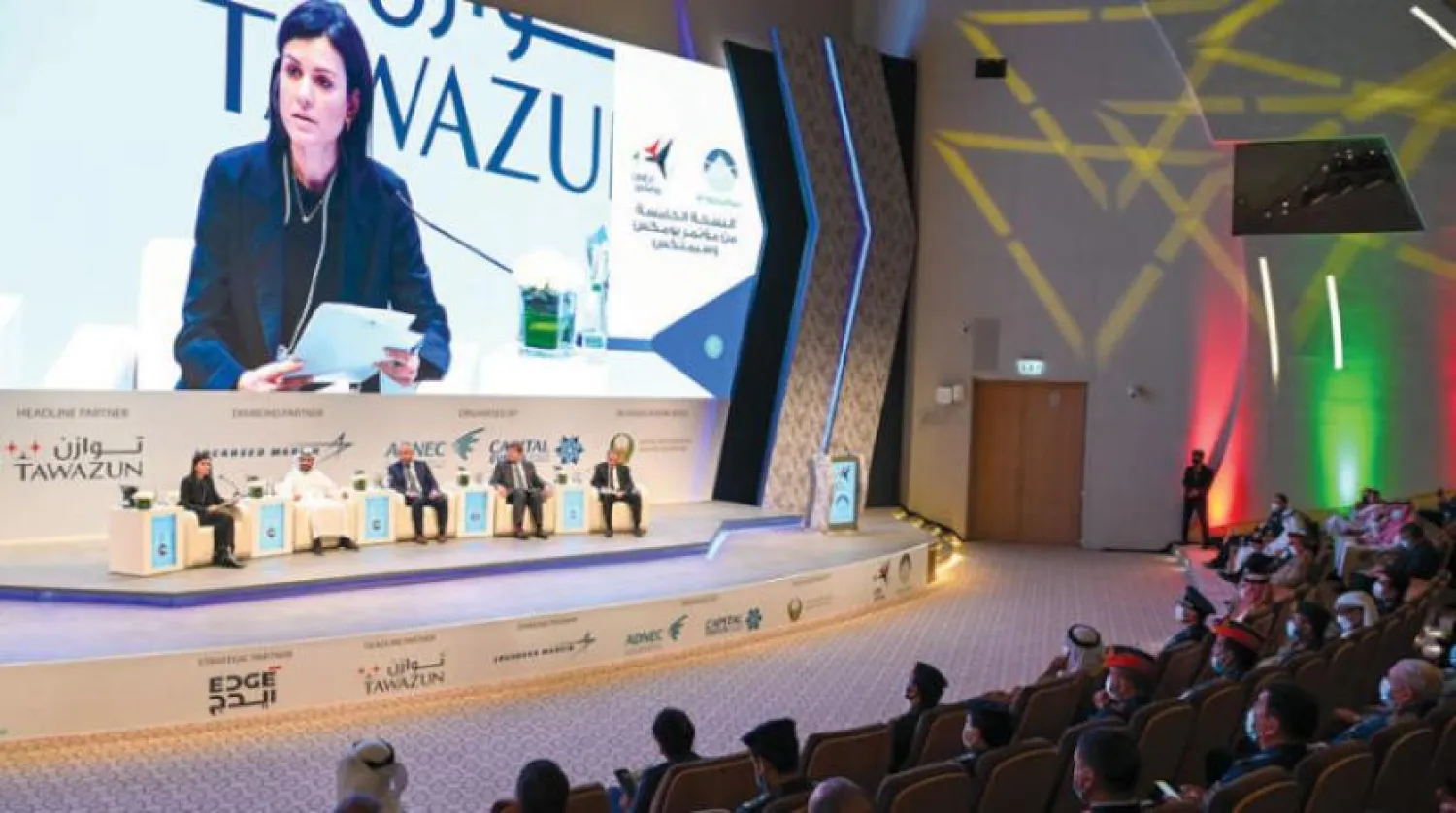
Panel during the Unmanned Systems Conference 2022 that accompanies UMEX & SimTEX exhibitions 2022 (Asharq Al-Awsat)
TT

UAE Warns of Threat Posed by Drones

Panel during the Unmanned Systems Conference 2022 that accompanies UMEX & SimTEX exhibitions 2022 (Asharq Al-Awsat)

Drones pose a serious threat and have turned into weapons preferred by terrorist groups with their low cost of production, efficiency, effectiveness, and ease of procurement, mainly if regimes and countries are sponsoring them, warned an Emirati official on Monday.

UAE's Minister of State for Defense Affairs, Mohammed al-Bowardi, indicated that drones could play several roles associated with traditional fighter planes, like monitoring, reconnaissance, and aerial attacks.

Bowardi spoke at the fifth edition of the Unmanned Systems Conference 2022 that accompanies UMEX & SimTEX exhibitions 2022. It began Sunday under the theme is "Unmanned, Unbound: Realizing The Promise of The Unmanned Revolution" under the patronage of Abu Dhabi Crown Prince Sheikh Mohamed bin Zayed Al Nahyan.

"Despite the scientific and technological advances that unmanned systems represent, they also entail unprecedented threats and challenges, which is why we must double our efforts to protect international legitimacy and realize international peace and security, and to work together to keep the wheel of progress and prosperity moving forward for the sake of our future generations," he said.

The Minister asserted that nations should elevate their creativity to confront challenges, foster trust and awareness in human interaction with smart machines, and make the right decisions in this unmanned age.

In his opening speech, Bowardi welcomed the participating delegations to Abu Dhabi, saying: "Unmanned systems and drones have become synonymous with the real and unprecedented technological revolutions that are putting the future in our hands."

Minister of State for Artificial Intelligence, Digital Economy, and Remote Work Applications, Omar al-Olama, reiterated the importance of protecting the nations through these technologies. Although these technologies may not be perfect, they have great potential and can help protect civilians during wars, according to Olama.

Olama explained at the conference that these systems could work uniformly and harmoniously in ways that humans may not be able to do.

"Algorithms do not have our feelings and fears, and they do not get tired. They work around the clock throughout the year, carry out the commands, and outperform traditional systems,” he stated.

The Minister pointed out that despite the advantages of the systems, they entail several challenges, especially when combined with artificial intelligence techniques.

For his part, the head of the UMEX and SimTEX 2022 higher organizing committee, Major General Mubarak al-Jabri, asserted that unmanned systems are an essential part of the world, noting that people now rely on them continuously in many vital areas, especially in covering those tasks that may otherwise be risky and complex for humans.

Jabri stated that despite the progress made in this field, it is still the beginning in terms of dependency and adoption of these systems for the future.

"The systems still face many challenges, whether technical, operational, or even societal," he explained.

He indicated that replacing old systems and devices with unmanned systems may be challenging for the users who will have to learn to adapt to the new technology, especially in the defense and security sectors, which leaves little room for error.

The conference includes four seminars featuring 22 high-level speakers from across the world, including ministers, leaders, and innovators, who will be discussing several topics and issues related to the unmanned systems sector.

The seminars will focus on four main themes: Understanding the Changing Unmanned Landscape, Facilitating Trust and Understanding: Human-Machine Teaming and Decision-Making in the Unmanned Age, Optimizing Innovation: Overcoming Adoption and Integration Challenges, and Unmanned Systems and the 4IR: How Technology is Shaping Future Capabilities.

With Saudi Backing, Yemen Moves to Forge Southern Consensus and Restore State Authority in the North

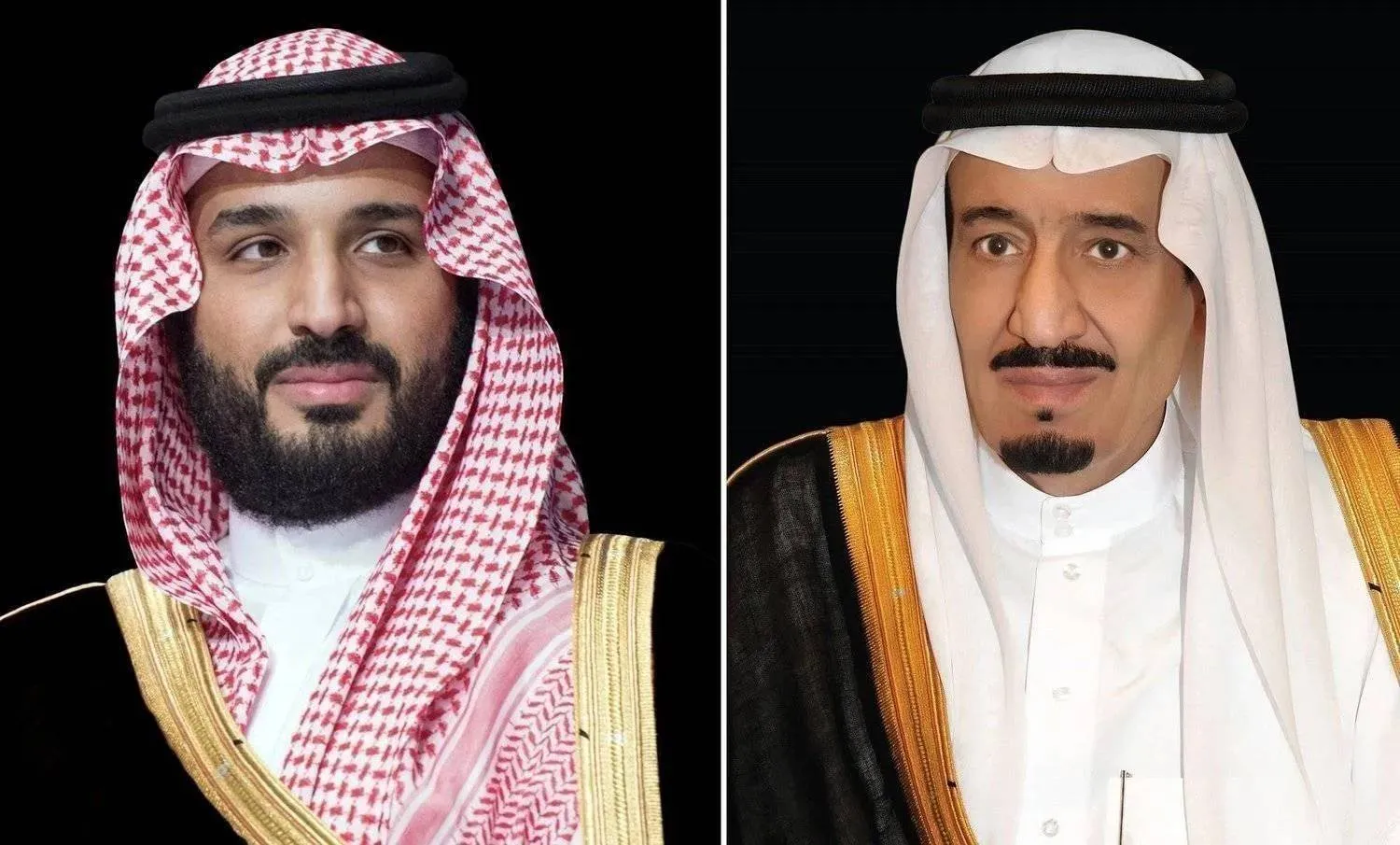
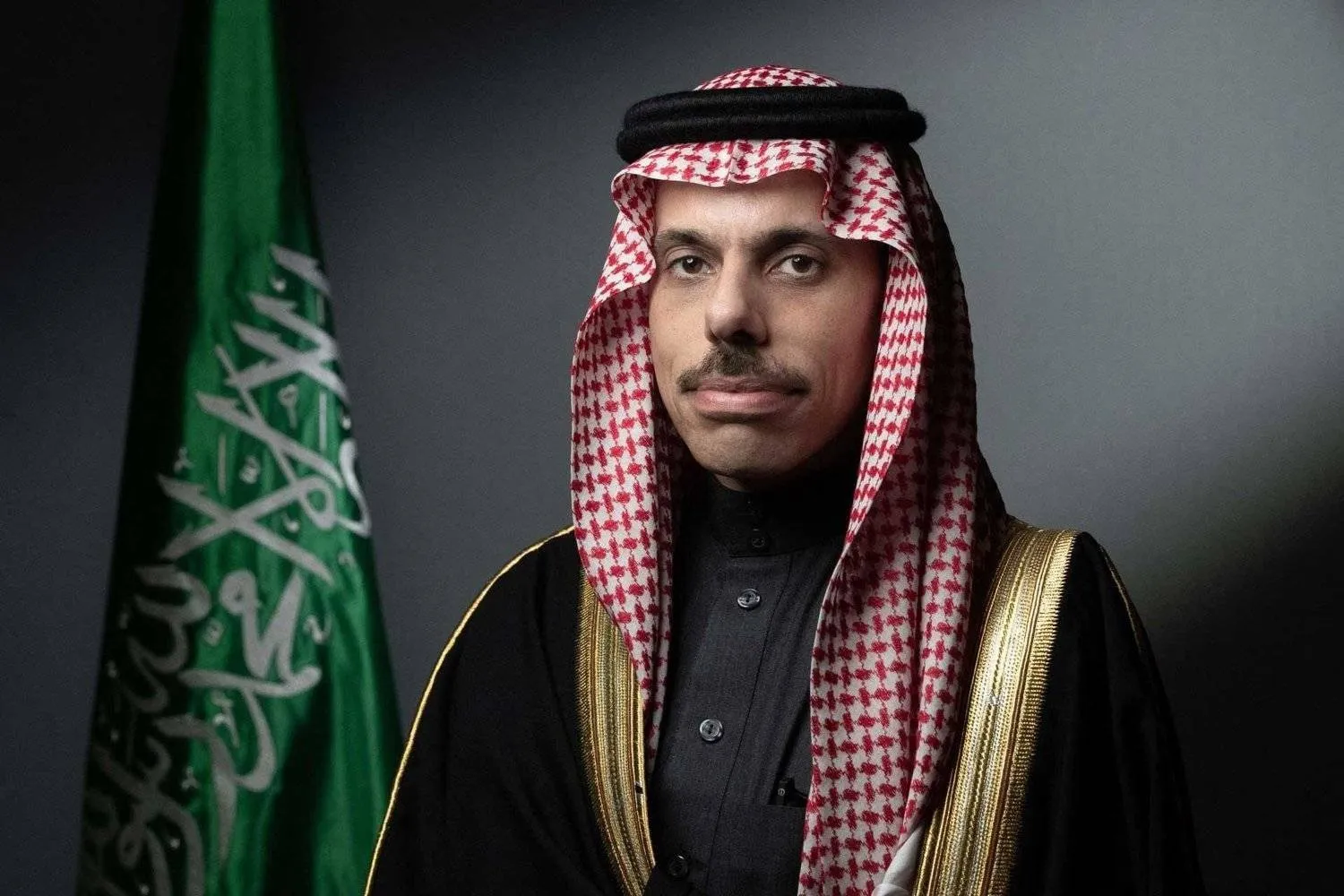
Members of Yemen’s Presidential Leadership Council meet with the Saudi Defense Minister. Saba
TT

With Saudi Backing, Yemen Moves to Forge Southern Consensus and Restore State Authority in the North

Members of Yemen’s Presidential Leadership Council meet with the Saudi Defense Minister. Saba

Yemen’s Presidential Leadership Council took a series of far-reaching decisions on Thursday, including changes to its membership and the appointment of a new prime minister tasked with forming a new government, in a move aimed at reshaping power dynamics within the anti-Houthi camp and strengthening unified sovereign decision-making under declared Saudi support.

In a rapid sequence of decisions, the council revoked Faraj Al-Buhsani's membership, filled the resulting vacancies by appointing Lieutenant General Mahmoud Al-Subaihi and Dr. Salem Al-Khanbashi, accepted the resignation of Prime Minister Salem bin Braik’s government, and named Shaea Mohsen Al-Zandani to form a new cabinet.

The steps, which officials said were taken with Saudi Arabia playing a “decisive” role, are intended to normalize conditions in southern provinces, particularly Hadhramaut, and pave the way for a comprehensive south-to-south dialogue to be hosted in Riyadh.

The decision to strip Al-Buhsani of his membership in the Presidential Leadership Council was not merely a change in personnel, according to the legal reasoning published by official media, but a firm political and legal message.

The decision accused him of “breaching the principle of collective responsibility” and “challenging sovereign decisions.”

It said Al-Buhsani had “exploited his constitutional position to provide political and legal cover for illegal military movements” carried out by what it described as the dissolved Southern Transitional Council, including justifying the mobilization of forces from outside Hadhramaut to attack the province.

He was also accused of endorsing “unilateral measures” led by Aidarous al-Zubaidi, who has been referred to the public prosecutor on charges of high treason, actions that the decision said had contributed to undermining national unity.

The language of the ruling framed those actions as an “armed rebellion outside the framework of the state,” shifting the southern dispute from a political disagreement into a question of allegiance to state institutions and legitimacy.

The move was seen as a heavy blow to the dissolved Transitional Council and its supporters, reaffirming that southern demands must be pursued through constitutional and legal channels and through negotiations under Saudi sponsorship, rather than unilateral military action.

Rebalancing power

The appointment of Dr. Salem Al-Khanbashi, the governor of Hadhramaut, as a member of the Presidential Leadership Council while retaining his local post underscored the priority placed on stability in the oil-rich province.

In a previous interview with Asharq Al-Awsat, Al-Khanbashi said the Saudi position had been “decisive” in the rapid withdrawal of Southern Transitional Council forces from Hadhramaut.

His elevation to the council is seen as recognition of his recent efforts and is expected to strengthen the government camp’s ability to manage political and security conditions in Hadhramaut and across southern Yemen.

The appointment of Lt. Gen. Mahmoud Al-Subaihi, a veteran military commander, was viewed as bolstering the representation of the professional military establishment within the council and sending a reassuring message to forces fighting on the front lines against the Houthis.

Officials said it could also be a step toward unifying military formations under the Ministry of Defense, a key Saudi and international demand.

Accepting the government's resignation and appointing Al-Zandani to form a new cabinet was aimed at renewing government performance to meet the demands of a new phase, shifting from crisis management to rebuilding institutions and improving services.

The move coincided with Saudi Arabia’s announcement of $90 million in financial support to pay salaries, in addition to covering military wages starting Sunday.

Broader context

The latest Yemeni moves cannot be separated from Saudi Arabia’s regional role. Alongside the internal decisions, Riyadh announced a new development package for Yemen worth 1.9 billion Saudi riyals, or about $500 million, and preparations to host a south-to-south dialogue conference, while continuing efforts to reunify military forces.

The Saudi strategy, according to officials, centers on supporting Yemen’s legitimate authority to impose control, unify armed forces, end armed activity outside the state, and facilitate inclusive southern dialogue under its sponsorship to reach a unified vision addressing the southern issue.

Saudi Arabia has also continued its development and humanitarian efforts, linking political stability in Yemen to improved services and living conditions to restore public confidence in state institutions.

These developments come as UN envoy Hans Grundberg has warned of the truce's fragility, stressing that the future of the south cannot be imposed by force.

The changes appear aimed at forging a more cohesive and unified southern leadership capable of entering decisive negotiations over the shape of Yemen’s future state, before turning to the long-delayed settlement in the north, where the Houthis continue to obstruct regional and international efforts to end the conflict and re-enter a peace process to restore stability across Yemen.


Saudi King Leaves Hospital after Reassuring Medical Tests

Custodian of the Two Holy Mosques King Salman bin Abdulaziz Al Saud. SPA
TT

Saudi King Leaves Hospital after Reassuring Medical Tests

Custodian of the Two Holy Mosques King Salman bin Abdulaziz Al Saud. SPA

The Royal Court said on Friday that Custodian of the Two Holy Mosques King Salman bin Abdulaziz Al Saud left King Faisal Specialist Hospital in Riyadh after completing medical examinations.

“The results were reassuring,” it said.

“May Allah protect the Custodian of the Two Holy Mosques and grant him continued health and well-being,” the statement added.


Saudi Arabia Welcomes Start of the 2nd Phase of Gaza’s Comprehensive Peace Plan

FILE PHOTO: Palestinian girls walk past the rubble of residential buildings destroyed during the war, in Gaza City, January 16, 2026. REUTERS/Dawoud Abu Alkas/File Photo
TT

Saudi Arabia Welcomes Start of the 2nd Phase of Gaza’s Comprehensive Peace Plan

FILE PHOTO: Palestinian girls walk past the rubble of residential buildings destroyed during the war, in Gaza City, January 16, 2026. REUTERS/Dawoud Abu Alkas/File Photo

The Saudi Ministry of Foreign Affairs welcomed the announcement of the start of the second phase of the comprehensive peace plan, and the formation of the Palestinian National Committee for the Administration of the Gaza Strip as a temporary transitional body, established pursuant to Security Council Resolution 2803.

It also welcomed US President Donald Trump's announcement of the Peace Council, and expressed its appreciation for his leadership and efforts to stop the war in Gaza, his commitment to withdraw the Israeli army, prevent the annexation of any part of the West Bank, and push towards sustainable peace in the region.

The ministry commended the efforts of the mediators, Qatar, Egypt, and Türkiye.

It stressed the importance of supporting the work of the Interim Palestinian National Committee to carry out its tasks in managing the daily affairs of the residents of the Gaza Strip, while maintaining the institutional and geographical link between the West Bank and the Gaza Strip, ensuring the unity of Gaza, and rejecting any attempts to divide it.

The statement also stressed the need to establish the ceasefire, stop violations, ensure unrestricted humanitarian access to the Gaza Strip, speed up the launch of early recovery and reconstruction efforts throughout Gaza, and prepare for the return of the Palestinian National Authority to assume its responsibilities in the Gaza Strip, leading to an end to the Israeli occupation of all Palestinian land in Gaza and the West Bank, and the embodiment of an independent Palestinian state in line with United Nations resolutions, the Arab Peace Initiative, and the principle of the two-state solution.