Saudi-Egyptian Summit in Riyadh Tackles Bilateral Ties, Int'l Developments

King Salman holds talks with Sisi in Riyadh. (SPA)
TT

Saudi-Egyptian Summit in Riyadh Tackles Bilateral Ties, Int'l Developments

King Salman holds talks with Sisi in Riyadh. (SPA)

Custodian of the Two Holy Mosques King Salman bin Abdulaziz welcomed in Riyadh on Tuesday Egyptian President Abdul Fattah al-Sisi.

Crown Prince Mohammed bin Salman, Deputy Prime Minister and Minister of Defense, attended the official talks.

Sisi was accorded a formal reception and King Salman threw a luncheon banquet in his honor.

Crown Prince Mohammed bin Salman and Sisi later held official talks that tackled bilateral relations and opportunities to bolster them in various fields. They also reviewed regional and international developments and issues of common interest.

A joint Saudi-Egyptian statement said the two sides rejected any attempts by regional parties to meddle in the internal affairs of Arab countries. They rejected their attempts to undermine their stability and interests of their people whether through ethnic or sectarian incitement, through terrorist groups or through the violation of their sovereignty and good neighborliness.

They agreed to continue to fight terrorist groups in the region.

A statement after the Crown Prince and Sisi's talks condemned the attempts to harm the security and safety of marine navigation in the Arab Gulf, Bab al-Mandeb Strait and Red Sea.

They stressed the importance of securing freedom of navigation in those straits and the need to confront any threats, which are a danger to regional and international security and stability.

They expressed their determination to bolster joint cooperation over all central issues and their efforts to issue joint stances that preserve the security and stability of their countries.

They underlined the importance of joint Arab work, the role of the Arab League and the need to reach a comprehensive solution to the Palestinian-Israeli conflict.

Saudi Arabia stressed that Egypt's water security and that of the Arab world were indivisible. Riyadh and Cairo urged Ethiopia to abandon its unilateral policy over international rivers, calling on it to commit to its pledges to international law.

They condemned the Iran-backed Houthi militias in Yemen for their continued threat to marine navigation in the Red Sea and their acquiring of sophisticated military capabilities that threaten Sudi Arabia and the region. They said they will continue their efforts to reach a comprehensive political solution to the crisis in Yemen.

Sisi had arrived in the Kingdom earlier on Tuesday. Crown Prince Mohammed welcomed him upon his arrival at King Khalid International Airport.

The Saudi Royal Air Force performed an air show, displaying the colors of the Egyptian flag in honor of Sisi.

Before departing the Kingdom, Sisi, accompanied by Crown Prince Mohammed, toured the World Defense Show that is being hosted by Riyadh.

Crown Prince Mohammed also escorted Sisi on a tour of the historic Turaif district in Diriyah, Riyadh. The district is a UNESCO World Heritage Site.

A presentation detailing the founding of the First Saudi State was shown during the tour.


Saudi Arabia Issues Royal Orders Appointing New Ministers, Governors

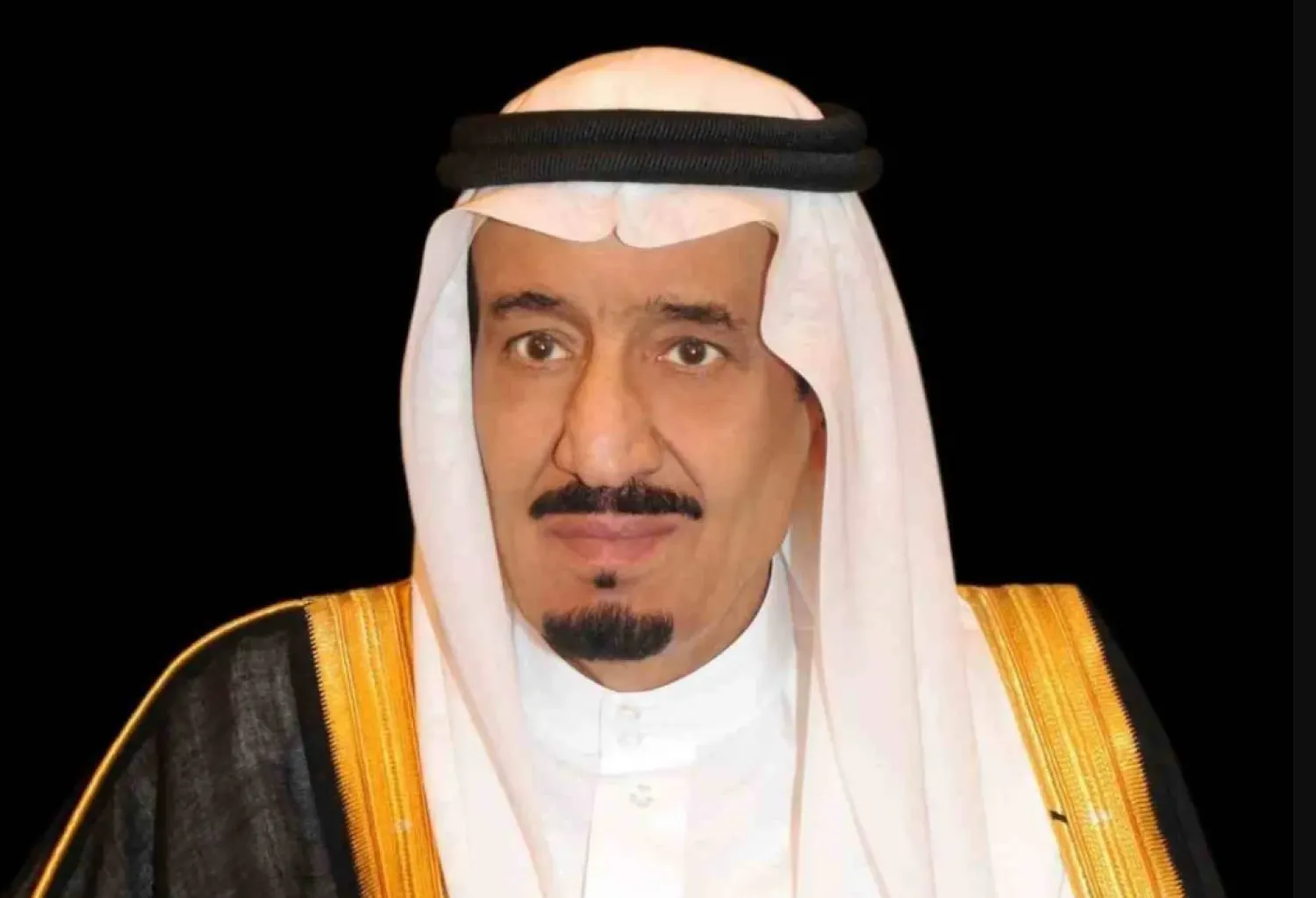
File photo of Saudi Arabia’s King Salman bin Abdulaziz - SPA
TT

Saudi Arabia Issues Royal Orders Appointing New Ministers, Governors

File photo of Saudi Arabia’s King Salman bin Abdulaziz - SPA

Saudi Arabia’s King Salman bin Abdulaziz issued a series of Royal Decrees on Thursday including a decree appointing Fahd Al Saif as the new investment minister, replacing Khalid Al-Falih.

Al Saif was previously head of the PIF's investment strategy and economic insights division. Al-Falih has instead been appointed as a Minister of State and a member of the cabinet.

Other Royal Decrees were also issued as follows:

Abdullah Al-Maghlouth shall be appointed Vice Minister of Media.
Abdulmohsen Al-Mazyad shall be appointed Vice Minister of Tourism.
Khalid Al-Yousef shall be appointed Attorney General.
Sheikh Ali Al-Ahaideb shall be appointed President of the Board of Grievances.
Faihan Al-Sahli shall be appointed Director General of the General Directorate of Investigation.
Abdulaziz Al-Arifi shall be appointed Governor of the National Development Fund.
Haytham Al-Ohali shall be appointed Governor of the Communications, Space and Technology Commission.
Fawaz Al-Sahli shall be appointed President of the Transport General Authority.


Saudi Leadership Condoles Governor General of Canada over School Shooting

Custodian of the Two Holy Mosques King Salman bin Abdulaziz and Crown Prince Mohammed bin Salman (SPA)
TT

Saudi Leadership Condoles Governor General of Canada over School Shooting

Custodian of the Two Holy Mosques King Salman bin Abdulaziz and Crown Prince Mohammed bin Salman (SPA)

Custodian of the Two Holy Mosques King Salman bin Abdulaziz Al Saud sent a cable of condolences to Governor General of Canada Mary Simon over the deadly school shooting in Western Canada.

The Saudi King condemned the heinous criminal act and expressed to the Governor General, the families of the victims, and the friendly people of Canada his deepest condolences and sincere sympathy, wishing the injured a speedy recovery.

Prince Mohammed bin Salman bin Abdulaziz Al Saud, Saudi Crown Prince and Prime Minister, sent a similar cable of condolences to the Governor General.


Saudi Health Minister: We Act Proactively on Health Risks

Saudi Health Minister: We Act Proactively on Health Risks
TT

Saudi Health Minister: We Act Proactively on Health Risks

Saudi Health Minister: We Act Proactively on Health Risks

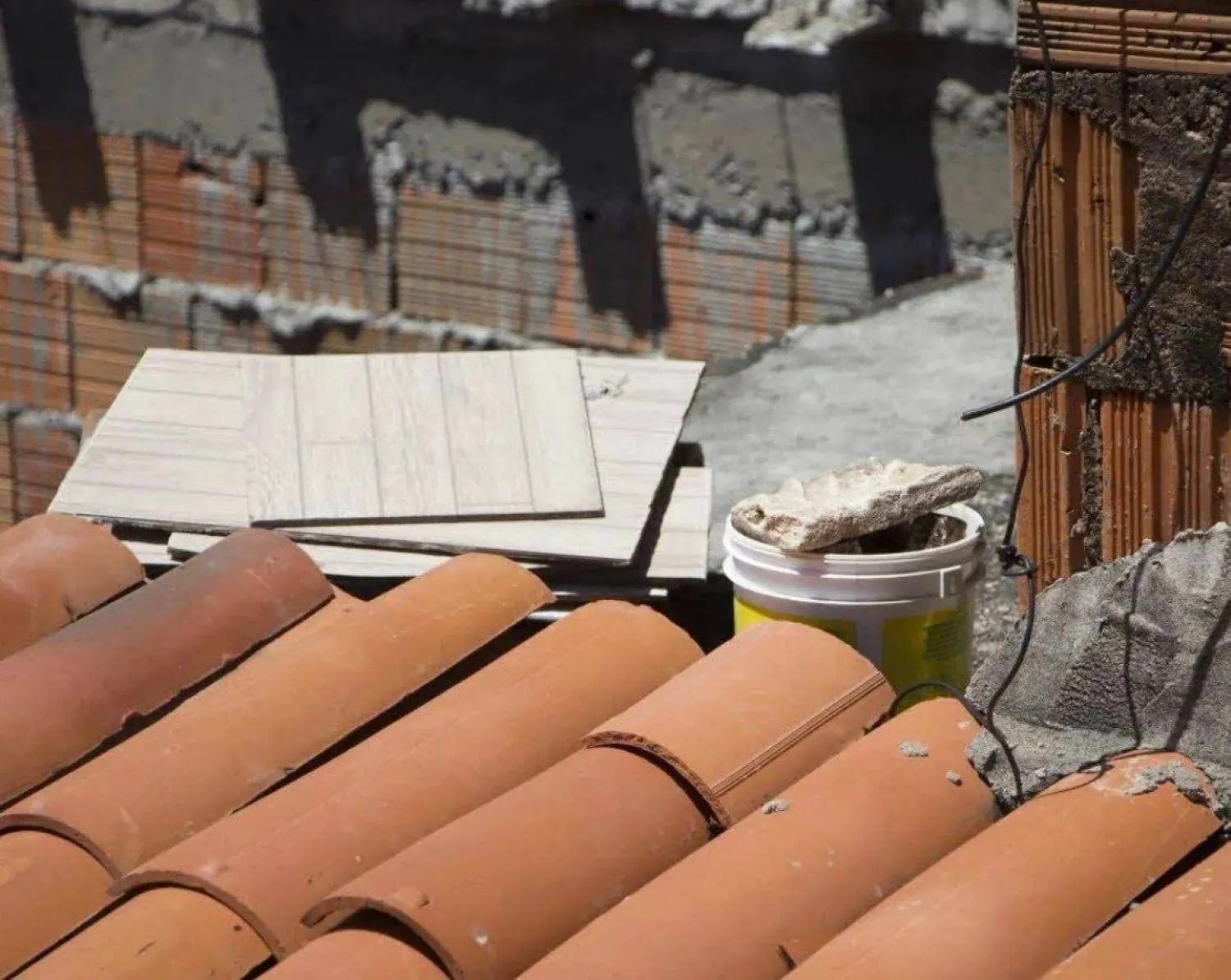
Saudi Arabia’s Cabinet, chaired Tuesday by Custodian of the Two Holy Mosques King Salman bin Abdulaziz, approved the formation of a permanent committee to oversee all matters related to asbestos and ensure enforcement of its ban, marking a new step in public health and regulatory oversight.

Saudi Health Minister Fahad Al-Jalajel told Asharq Al-Awsat that the Kingdom approaches health risks with a proactive strategy grounded in clear policies and long-term planning.

“Any risk we detect affecting citizens, the government works to develop the necessary tools to avert it and to continue enhancing quality of life,” Al-Jalajel said, citing previous announcements including a national drowning prevention policy and a strategic drug policy.

Saudi action on asbestos dates back years, and the decision to establish a monitoring committee follows earlier Cabinet rulings. Decisions numbered 1419 and 1422 halted the use of asbestos, barred its inclusion in official specifications, and banned its import, export, and manufacture.

The measures also mandated the replacement and safe disposal of asbestos in buildings and water networks, alongside continued studies due to its health and environmental hazards.

Scientifically, asbestos refers to a group of naturally occurring mineral fibers once widely used commercially and, in some cases, still in use. Exposure can be fatal, affecting workers and others who come into contact with the fibers.

The material gained commercial value for its exceptional tensile strength, low heat conductivity, and relative resistance to chemical damage. It has been used for insulation in buildings and in products such as roofing sheets, water supply pipes, fire blankets, plastic fillers, medical packaging, vehicle clutches, and brake linings.

There are six main forms of asbestos, with chrysotile, or white asbestos, among the most widely used today. The World Health Organization has concluded that all forms of asbestos cause cancer. It also links asbestos exposure to chronic respiratory diseases.

Because asbestos has been embedded in construction materials, those involved in building, maintaining, or demolishing affected structures may face risks even decades after installation.

WHO assessments classify all six major forms of asbestos as carcinogenic to humans. Exposure, including to chrysotile, is associated with cancers of the lung, larynx, and ovary, as well as mesothelioma, a cancer of the pleural and peritoneal linings.

Clear scientific evidence also shows it causes chronic respiratory diseases such as asbestosis and other severe lung damage.

The World Health Organization estimates that about 125 million people worldwide are currently exposed to asbestos at work. More than 107,000 people die each year from lung cancer, mesothelioma, and asbestosis linked to occupational exposure.

Globally, asbestos is responsible for more than 200,000 deaths annually, according to the WHO, and accounts for roughly one-third of occupational cancer deaths. Thousands more fatalities each year are attributed to domestic exposure.

As of 2024, 50 countries had banned asbestos. In others, uncertainty remains amid insufficient and incomplete data.