


Lebanon’s Living Crises Worsen, Long Queues Return after Elections

Lebanese people wait in front of a bakery in Beirut, Lebanon (EPA)
TT

Lebanon’s Living Crises Worsen, Long Queues Return after Elections

Lebanese people wait in front of a bakery in Beirut, Lebanon (EPA)

Lebanon’s living crises resurfaced only two days after the parliamentary elections were held. Long queues of people waiting in front of bakeries and gas stations returned, electricity supply declined due to fuel shortages, and the exchange rate of the dollar against the local currency rose to record levels not seen in five months.

In hopes of curbing the spike in exchange rates, Lebanon’s central bank released a statement confirming it will continue to allow banks to purchase dollars with no ceiling via the bank's Sayrafa exchange platform until the end of July.
Moreover, authorities rushed to intervene in securing fuel for power production plants.

Parliament Speaker Nabih Berri on Wednesday received a phone call from the Iraqi Prime Minister, Mustafa al-Kadhimi, who congratulated him on the holding of the parliamentary elections. He also notified him that Iraq will continue to supply Lebanon with the fuel needed to produce electricity.

Nevertheless, Lebanon’s national electricity company said that it will cut its output further in the coming days, after burning through most of its fuel supplies during Sunday’s election.

EDL wrote that it “consumed its fuel reserves at a faster pace” during “the period of the parliamentary election”.

Lebanon was witnessing a host of renewed crises on Wednesday against the backdrop of a continuous surge of the dollar exchange rate on the black market.

For the first time in five months, the exchange rate hit LBP 31,000 to the dollar.

The hike confused Lebanon’s markets and increased speculation with some shops closing their doors in the suburbs of Beirut to prevent additional losses.

“Gasoline is available in the depots of the companies and in ships present at sea. We are not in a fuel crisis in Lebanon, because the issue is related to some delay in the completion of bank transactions aimed at providing the importing companies with dollars through the Sayrafa platform,” said a top member of the fuel station owners syndicate of Lebanon, George Brax.

“The issue should be solved quickly… Companies are distributing gasoline in limited quantities and some stations ran out due to the delay in gasoline deliveries,” Brax added.



EU Condemns Israel's West Bank Control Measures

The Israeli settlement of Har Homa, seen from the West Bank city of Bethlehem, Tuesday, Dec. 17, 2024. (AP)
TT

EU Condemns Israel's West Bank Control Measures

The Israeli settlement of Har Homa, seen from the West Bank city of Bethlehem, Tuesday, Dec. 17, 2024. (AP)

The European Union on Monday condemned new Israeli measures to tighten control of the West Bank and pave the way for more settlements in the occupied Palestinian territory, AFP reported.

"The European Union condemns recent decisions by Israel's security cabinet to expand Israeli control in the West Bank. This move is another step in the wrong direction," EU spokesman Anouar El Anouni told journalists.


Atrocities in Sudan's El-Fasher Were 'Preventable Human Rights Catastrophe'

Sudanese displaced people who left El Fasher after its fall, sit in the shade in Tawila at the Rwanda camp reception point on December 17, 2025. (Photo by AFP)
TT

Atrocities in Sudan's El-Fasher Were 'Preventable Human Rights Catastrophe'

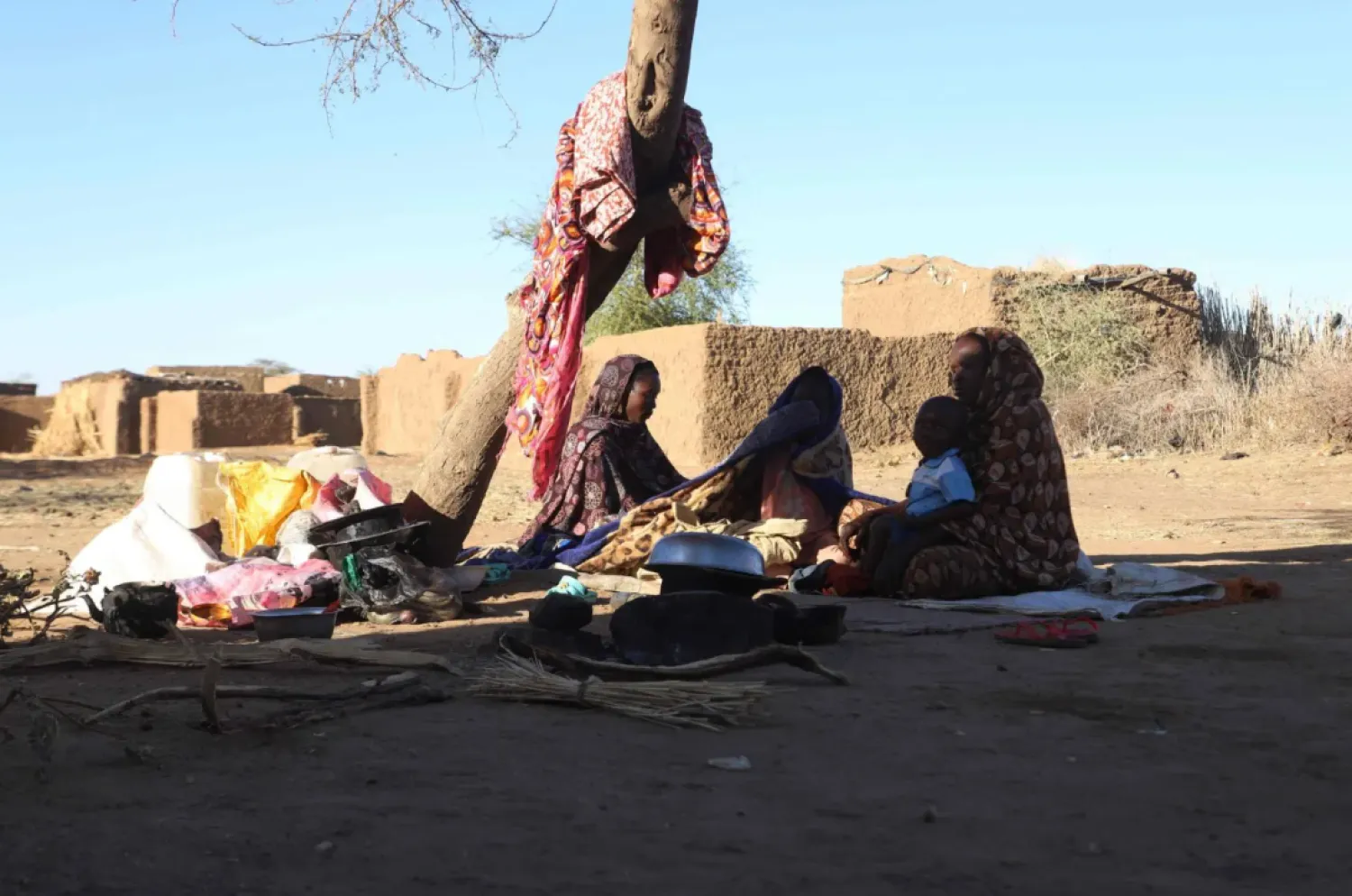
Sudanese displaced people who left El Fasher after its fall, sit in the shade in Tawila at the Rwanda camp reception point on December 17, 2025. (Photo by AFP)

The atrocities unleashed on El-Fasher in Sudan's Darfur region last October were a "preventable human rights catastrophe", the United Nations said Monday, warning they now risked being repeated in the neighbouring Kordofan region.


"My office sounded the alarm about the risk of mass atrocities in the besieged city of El-Fasher for more than a year ... but our warnings were ignored," UN rights chief Volker Turk told the Human Rights Council in Geneva.


He added that he was now "extremely concerned that these violations and abuses may be repeated in the Kordofan region".


Arab League Condemns Israel's Decisions to Alter Legal, Administrative Status of West Bank

A general view shows the opening session of the meeting of Arab foreign ministers at the Arab League Headquarters (Reuters)
TT

Arab League Condemns Israel's Decisions to Alter Legal, Administrative Status of West Bank

A general view shows the opening session of the meeting of Arab foreign ministers at the Arab League Headquarters (Reuters)

The General Secretariat of the Arab League strongly condemned decisions by Israeli occupation authorities to impose fundamental changes on the legal and administrative status of the occupied Palestinian territories, particularly in the West Bank, describing them as a dangerous escalation and a flagrant violation of international law, international legitimacy resolutions, and signed agreements, SPA reported.

In a statement, the Arab League said the measures include facilitating the confiscation of private Palestinian property and transferring planning and licensing authorities in the city of Hebron and the area surrounding the Ibrahimi Mosque to occupation authorities.

It warned of the serious repercussions of these actions on the rights of the Palestinian people and on Islamic and Christian holy sites.

The statement reaffirmed the Arab League’s firm support for the legitimate rights of the Palestinian people, foremost among them the establishment of their independent state on the June 4, 1967 borders, with East Jerusalem as its capital.