US Envoy to Visit Lebanon, Discuss Israel Maritime Talks

In this photo released by the Lebanese government, Lebanese President Michel Aoun, right, meets with US Envoy for Energy Affairs Amos Hochstein, center, and US Ambassador to Lebanon Dorothy Shea, left, at the presidential palace in Baabda, east of Beirut, Lebanon, February 9, 2022. (Dalati Nohra/Lebanese Official Government via AP)
TT

US Envoy to Visit Lebanon, Discuss Israel Maritime Talks

In this photo released by the Lebanese government, Lebanese President Michel Aoun, right, meets with US Envoy for Energy Affairs Amos Hochstein, center, and US Ambassador to Lebanon Dorothy Shea, left, at the presidential palace in Baabda, east of Beirut, Lebanon, February 9, 2022. (Dalati Nohra/Lebanese Official Government via AP)

The United States will send an envoy to Lebanon next week to discuss the country's energy crisis and underscore Washington's hope that Beirut and Israel can reach a decision delimiting their maritime boundary, the State Department said on Friday.

Amos Hochstein, the State Department's senior advisor for energy security, will visit Lebanon June 13-14, the department said in a statement. Washington began mediating indirect talks over Israel and Lebanon's disputed maritime border in 2020.

"The Administration welcomes the consultative and open spirit of the parties to reach a final decision, which has the potential to yield greater stability, security, and prosperity for both Lebanon and Israel, as well as for the region," the statement said.

The Lebanese government invited on Monday the US envoy to return to Beirut as soon as possible to work out an agreement amid rising tensions along the border.

The invitation for Hochstein came a day after Israel set up a gas rig at its designated location at the Karish field, which Israel says is part of its UN-recognized exclusive economic zone. Lebanon insists it is in a disputed area.

On Sunday, Lebanon warned Israel not to start drilling in the Karish field and President Michel Aoun said maritime border negotiations have not ended, adding that any move by Israel will be considered "a provocation and hostile act."

Aoun’s office said Lebanon formally notified the United Nations in February that Karish is part of the disputed area and that the UN Security Council should prevent Israel from drilling there in order "to avoid steps that could form a threat to international peace and security."


Israeli Settler Attack in West Bank Kills Three Palestinians

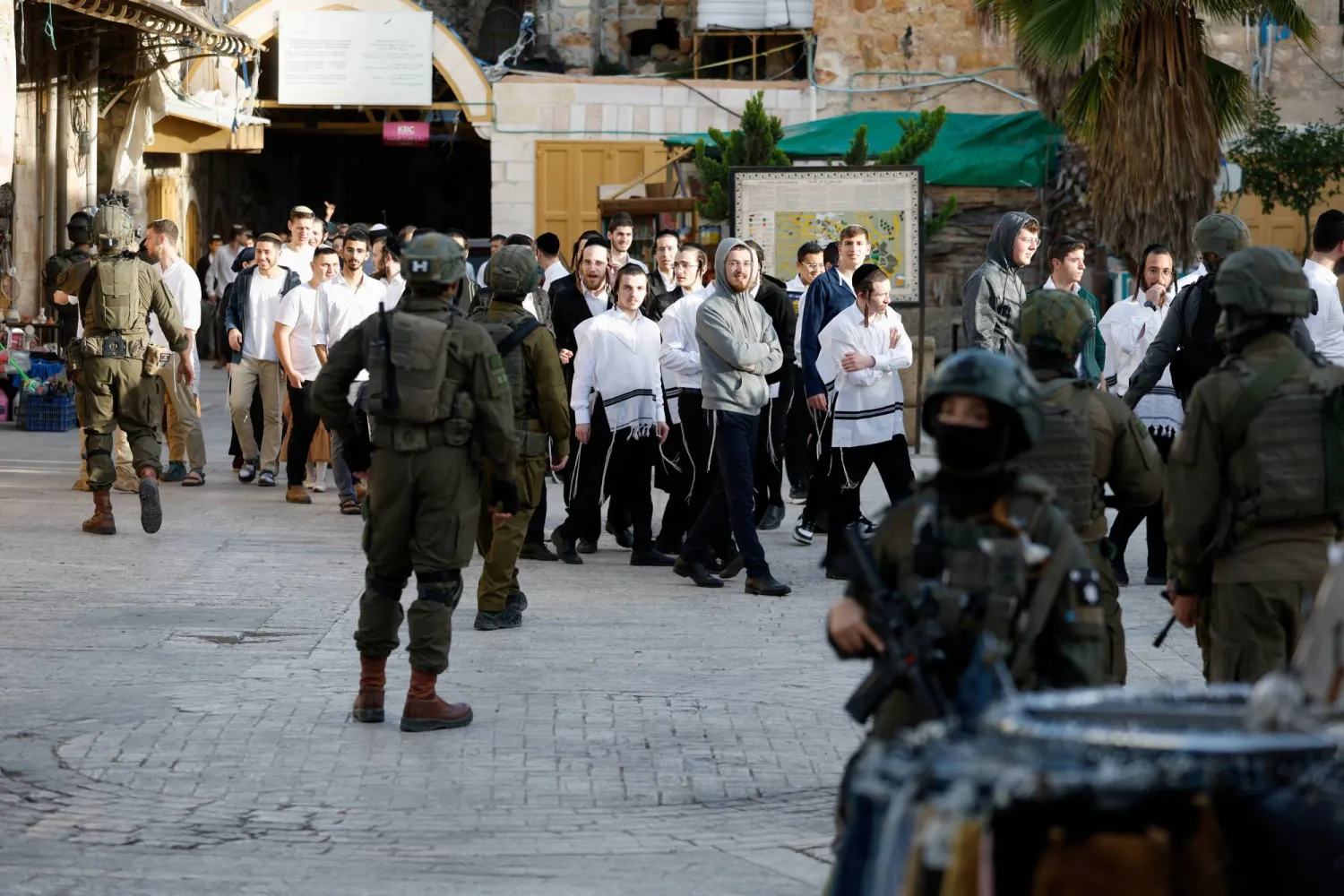
Israeli soldiers stand guard during a weekly settlers' tour in Hebron, in the Israeli-occupied West Bank, February 7, 2026. REUTERS/Mussa Qawasma
TT

Israeli Settler Attack in West Bank Kills Three Palestinians

Israeli soldiers stand guard during a weekly settlers' tour in Hebron, in the Israeli-occupied West Bank, February 7, 2026. REUTERS/Mussa Qawasma

Palestinian authorities and the Israeli military said on Sunday that three Palestinians were killed during an Israeli settler attack in the occupied West Bank, the second deadly incident reported in as many days.

The Palestinian health ministry said Israeli settlers shot dead Thaer Faruq Hamayel, 24, and Farea Jawdat Hamayel, 57, in the town of Abu Falah, northeast of Ramallah.

It did not say when the incident occurred or provide further details.

In a post on X, Palestinian vice president Hussein al-Sheikh condemned the "brutal attack on innocent citizens", saying three were killed and seven others injured.

The Israeli military said forces were dispatched to the Abu Falah area "following a report of Palestinians being attacked by Israeli civilians near homes".

"Later, it was reported that two Palestinians were killed as a result of gunfire.

Additionally, it was reported that another Palestinian died from suffocation," it said in a statement.

"This is an unacceptable incident," Major General Avi Bluth, head of the Israeli military in the West Bank, was quoted as saying.

"There will be zero tolerance for civilians who take the law into their own hands. These actions are dangerous, they do not represent the Jewish people or the State of Israel," he added.

Violence in the West Bank, which Israel has occupied since 1967, has soared since the Hamas attack on Israel triggered the Gaza war in October 2023. It has continued despite the ceasefire.

On Saturday, the Ramallah-based health ministry and a local mayor said Israeli settlers shot dead a Palestinian man and wounded his brother in an attack on another West Bank village, Wadi al-Rakhim.

Mohammad Rabai, head of the nearby Tuwani village council, told AFP that settlers had entered homes in the area and attacked the family of 27-year-old Amir Mohammad Shnaran, who later died.

The Israeli military said soldiers and police were dispatched to the scene after reports of a "violent confrontation" between Israelis and Palestinians.

It said an investigation was underway.


Sudan War Leaves Deep Psychological Scars, Fuels Silent Crisis

Al-Nour Hospital in Omdurman, one of the hospitals that remained operational during the war, houses a psychiatric unit (Asharq Al-Awsat)
TT

Sudan War Leaves Deep Psychological Scars, Fuels Silent Crisis

Al-Nour Hospital in Omdurman, one of the hospitals that remained operational during the war, houses a psychiatric unit (Asharq Al-Awsat)

Sudan’s war is inflicting a growing psychological toll on the population, as rising levels of depression, anxiety and post-traumatic stress disorder compound the country’s security, humanitarian and economic crises.

The suffering of Sudanese civilians now extends beyond deaths and the hardship faced by the wounded, hungry and displaced. The conflict is also eroding the nation’s mental well-being.

Estimates by international organizations and local experts point to a worsening mental health crisis that could leave long-term scars on society unless psychological support services and specialized treatment are urgently expanded.

The World Health Organization said in a report that depression, anxiety and post-traumatic stress disorder are widespread in the capital, Khartoum. The prevalence of these disorders reached about 12% among secondary school students and exceeded 59% among displaced persons.

Prolonged conflict in Sudan has created a growing burden of mental health disorders, the report said, warning that children are among the most vulnerable.

They face risks including kidnapping, sexual violence, forced recruitment and child marriage, experiences that can leave lasting psychological damage.

Major psychotic disorders remain relatively rare, the organization said, while reliable data on suicide and drug abuse remain limited. Still, estimates indicate that more than one in five people living in conflict areas suffers from a mental health disorder.

Sudan also faces a severe shortage of specialists, with only 899 mental health professionals nationwide, according to statistics issued in 2020.

Rising mental illness rates

In December 2025, Sudan’s Federal Ministry of Health reported a significant rise in mental illness, saying the war and abuses against civilians have sharply increased the need for urgent intervention.

The ministry announced a federal plan to rehabilitate psychiatric hospitals and addiction treatment centers to strengthen the health system’s response to growing demand.

Federal Health Minister Haitham Mohamed Ibrahim said mental disorders are rising globally, but the situation in Sudan is particularly complex under the conditions imposed by the war.

He said the ministry is working to raise public awareness of mental health, expand early detection services and improve access to treatment. He also called for adopting a comprehensive approach to mental health and allocating sufficient budgets to develop services within the national health system.

In January, the minister visited Al-Tijani Al-Mahi Hospital for Psychiatric and Neurological Diseases in Omdurman to assess the damage caused by the war.

Some wards and clinics have resumed operations, with more than 50 patients per day.

Psychological support for war-affected people

Psychologist Khadija Mohamed Al-Habib said a psychiatric unit opened at Al-Nour Teaching Hospital in Omdurman in October 2023 to provide psychological support for people affected by the war.

The unit offers counseling and therapy for patients suffering from post-traumatic stress disorder, depression and anxiety. It also runs rehabilitation programs for children affected by landmines to support them psychologically and socially.

The clinic receives between 60 and 90 patients each week. It also provides psychological support in shelters, treats addiction cases and organizes awareness lectures on the dangers of drugs and ways to prevent them.

Sociologist Tagwa Mohamed Al-Bishra said the psychiatric unit does more than provide treatment, running volunteer initiatives to assist those affected by the war.

These efforts include providing daily meals and clothing for children, particularly during religious holidays, as well as supporting prosthetic limb fittings and surgical operations for the injured.

The team also assists unidentified patients in coordination with hospital administration and participates in food assistance programs with volunteers and the nutrition department.

Increasing cases in Al Jazirah state

In Al Jazirah state in central Sudan, mental health disorders have risen noticeably as the war’s effects deepen.

Dr. Al-Amin Diab, director of the Mental Health Hospital in Wad Madani, said a new psychiatric ward has opened to strengthen services under the exceptional circumstances facing the state.

The hospital most frequently treats depression, psychosis, manic episodes and postpartum depression. It admits between 15 and 20 cases weekly that require hospitalization, with numbers expected to rise.

Treatment and medication are provided free of charge with support from humanitarian organizations and official bodies to ease the burden on affected families.

Specialists say the war has triggered a silent mental health crisis that rivals the conflict’s economic and humanitarian devastation.

Rates of anxiety, addiction, post-traumatic stress disorder, obsessive-compulsive disorder, depression and social phobia have risen across large segments of society.

Experts warn that ignoring mental health at this stage could have serious consequences for Sudan’s future, stressing that expanding psychological and social support services is now an urgent humanitarian and national priority.



Iraq's Kurds Caught Between Washington and Tehran

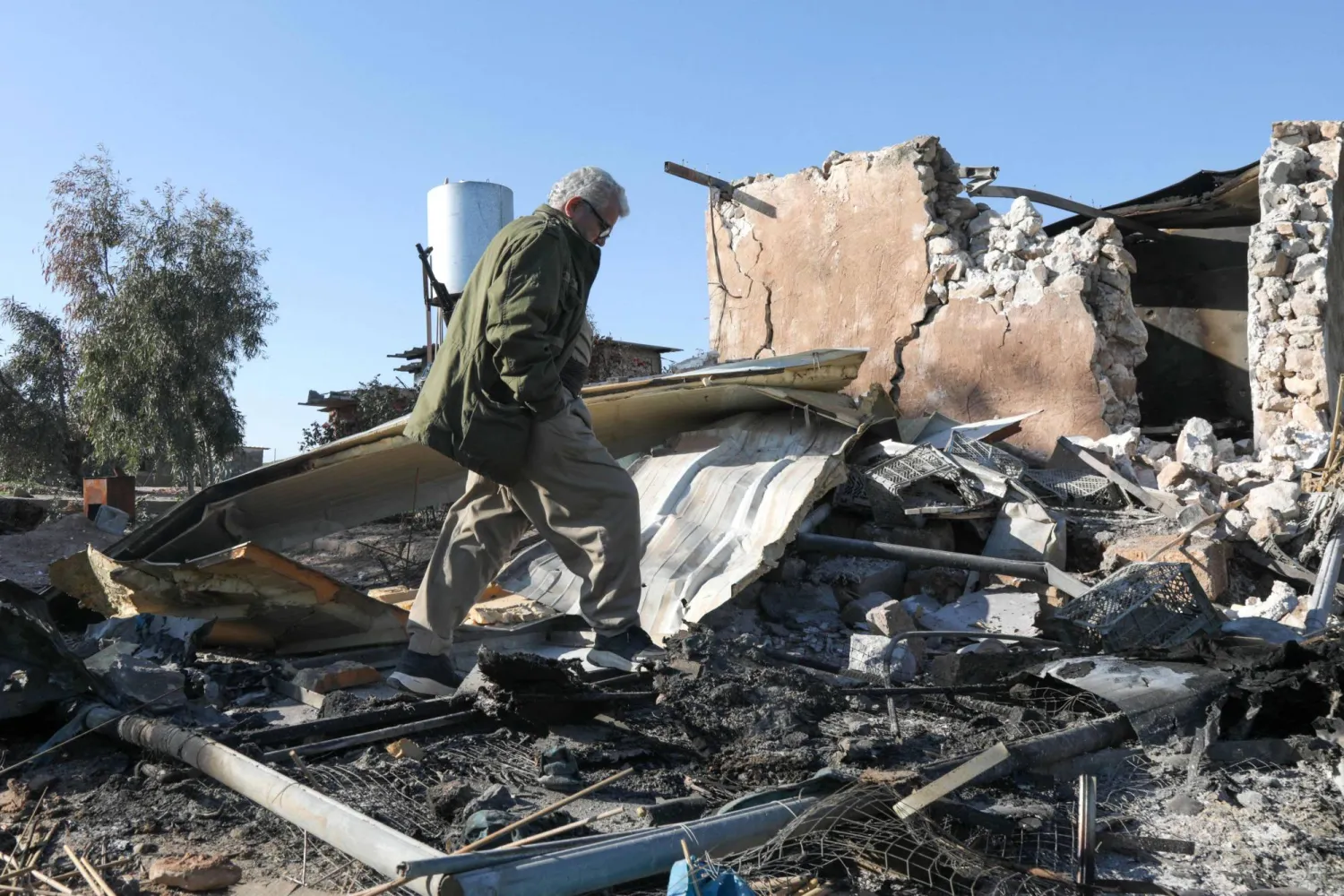
An Iranian Kurdish Peshmerga member of the Kurdistan Democratic Party of Iran (KDPI) inspects the damage sustained at the Azadi Camp of the Kurdistan Democratic Party of Iran (KDPI) following an Iranian cross-border attack in the town of Koye (Koysinjaq), in the east of Erbil district in the autonomous Kurdish region of northern Iraq on March 3, 2026. (Photo by Safin HAMID / AFP)
TT

Iraq's Kurds Caught Between Washington and Tehran

An Iranian Kurdish Peshmerga member of the Kurdistan Democratic Party of Iran (KDPI) inspects the damage sustained at the Azadi Camp of the Kurdistan Democratic Party of Iran (KDPI) following an Iranian cross-border attack in the town of Koye (Koysinjaq), in the east of Erbil district in the autonomous Kurdish region of northern Iraq on March 3, 2026. (Photo by Safin HAMID / AFP)

Despite repeated pledges by Kurdish leaders in Iraq’s Kurdistan region to remain neutral in the war between the United States and Israel on one side and Iran on the other, their territory has come under near-daily attacks from Iran or Tehran-aligned armed factions in Iraq.

The attacks have left Kurdish leaders facing what one Kurdish official described as an “existential dilemma,” particularly as they coincide with US pressure to open a military front in western Iran in cooperation with Iranian Kurdish opposition parties.

In recent days, US media reported that President Donald Trump spoke by phone with Kurdish leaders Masoud Barzani and Bafel Talabani, urging them to “assist the Iranian Kurdish opposition” participating in the conflict. According to those reports, the two leaders expressed reservations.

Iran has long viewed Kurdish opposition groups based in Iraq’s Kurdistan region with suspicion. In September 2023, Baghdad and Tehran signed a security agreement requiring the disarmament of those groups, the closure of their headquarters and their relocation away from the shared border. Iran had previously launched several attacks on their positions.

By Saturday, the Kurdistan region had faced 100 missile and drone attacks carried out by Iran and allied Iraqi factions.

A headquarters of the Peshmerga, the region’s guard forces, in Sulaimaniyah came under a drone attack late on Friday that was shot down by ground defenses. The Iran-aligned group Saraya Awliya al-Dam claimed responsibility.

Bridge, not battlefield

Reiterating Kurdish pledges to stay out of the war, Talabani, leader of the Patriotic Union of Kurdistan, restated the position in an interview with Fox News on Friday.

“Kurdistan needs to be a bridge, not a battlefield,” he said.

According to Talabani, the Kurds are in a unique position, as they are close allies of the US and at the same time neighbors of Iran. The Kurds can play a role in de-escalation when the time comes, he added.

Talabani said he currently sees a weaker Iranian regime, but added that its institutions remain intact despite differences with those in Kurdistan.

When the military objectives are achieved, diplomacy will begin, he said.

Talabani also described his call with Trump, saying the US president was very kind and very polite.

Talabani did not detail what the US president asked of Kurdish leaders, but said he understood that protecting civilians in Iraq was a priority and that Kurds in Iran deserve better treatment.

‘Existential dilemma’

A senior Kurdish official, speaking to Asharq Al-Awsat on condition of anonymity, described the situation as an “existential Kurdish dilemma.”

“Kurds often find themselves facing the same complex circumstances in conflicts across Iraq and the wider Middle East,” he said.

Today, he added, they face renewed fears about what might come next, especially as the Kurdistan region remains fragile because of internal divisions, disputes with Baghdad and hostility from Iran-aligned factions.

“Most Kurds hope the situation of their Iranian Kurdish brothers will improve, but they cannot offer meaningful assistance,” the official said. “The situation is extremely complicated, and involvement could turn into a real catastrophe for Kurdistan.”

He added that Kurdish experiences with the United States “have not been entirely encouraging,” noting that Washington recently abandoned Kurdish allies in Syria.

“Any Kurdish gamble in Iran will later backfire on Iraqi Kurdistan, especially if Washington eventually reaches some kind of settlement with Tehran,” he said.

The official also warned that the Kurdistan region is surrounded by hostile forces that could become even more antagonistic if it becomes involved in the war.

“Türkiye to the north will not allow the Iraqi Kurdistan model to be repeated in Iran,” he said.

“To the south we have the Iraqi government and Iran-aligned factions. If those factions overcome the consequences of the current war, they will vent their anger on us. I would not rule out an invasion of the region.”

Iraqi Prime Minister Mohammed Shia al-Sudani discussed the latest security developments in a phone call on Friday with Kurdistan Region President Nechirvan Barzani, according to a government statement.

Both sides reaffirmed their rejection of attacks targeting Iraqi cities, including those in the Kurdistan region, and stressed that Iraqi territory should not be used as a launchpad for attacks on neighboring countries, while supporting steps aimed at strengthening security and stability in the region.