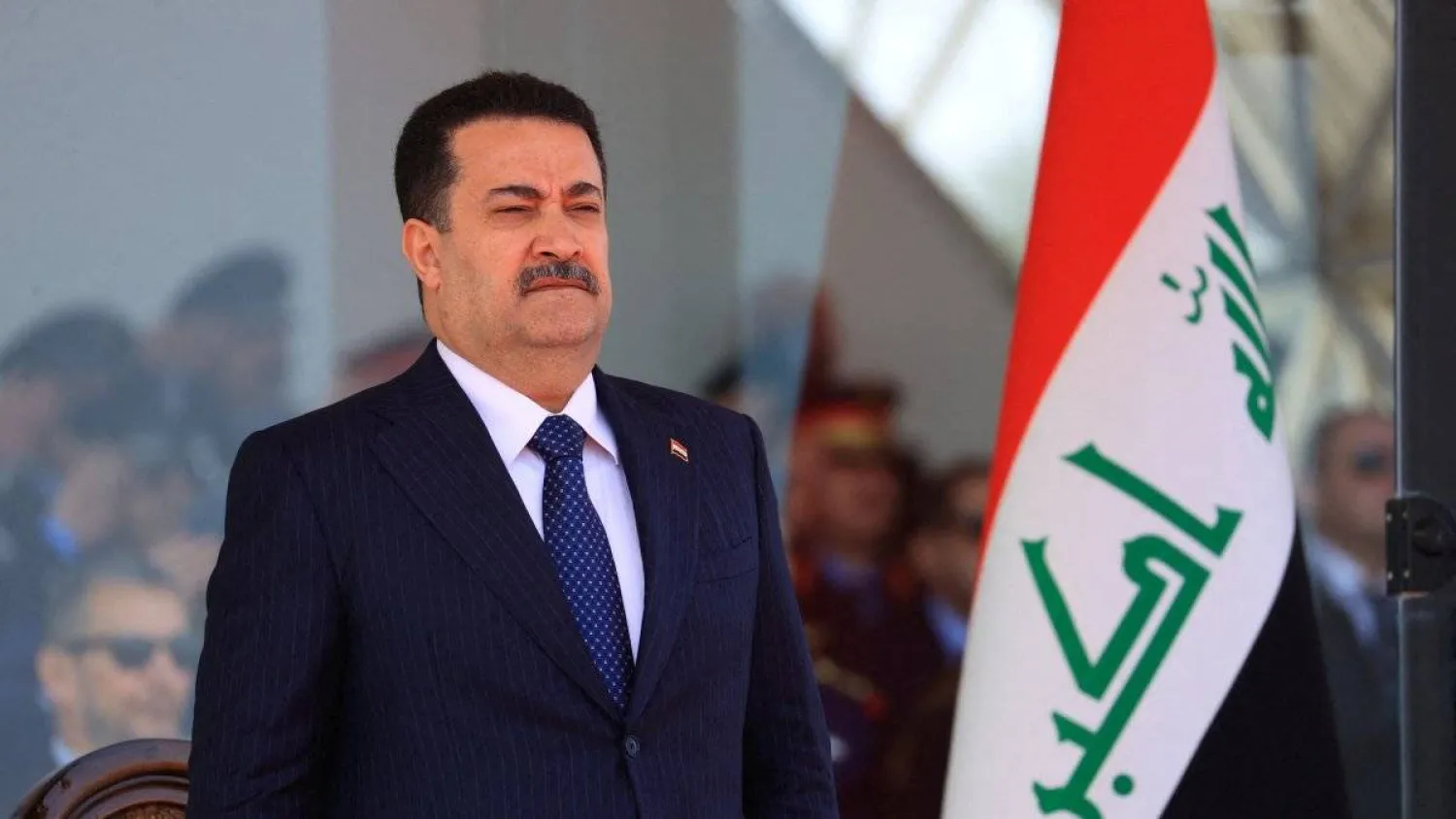
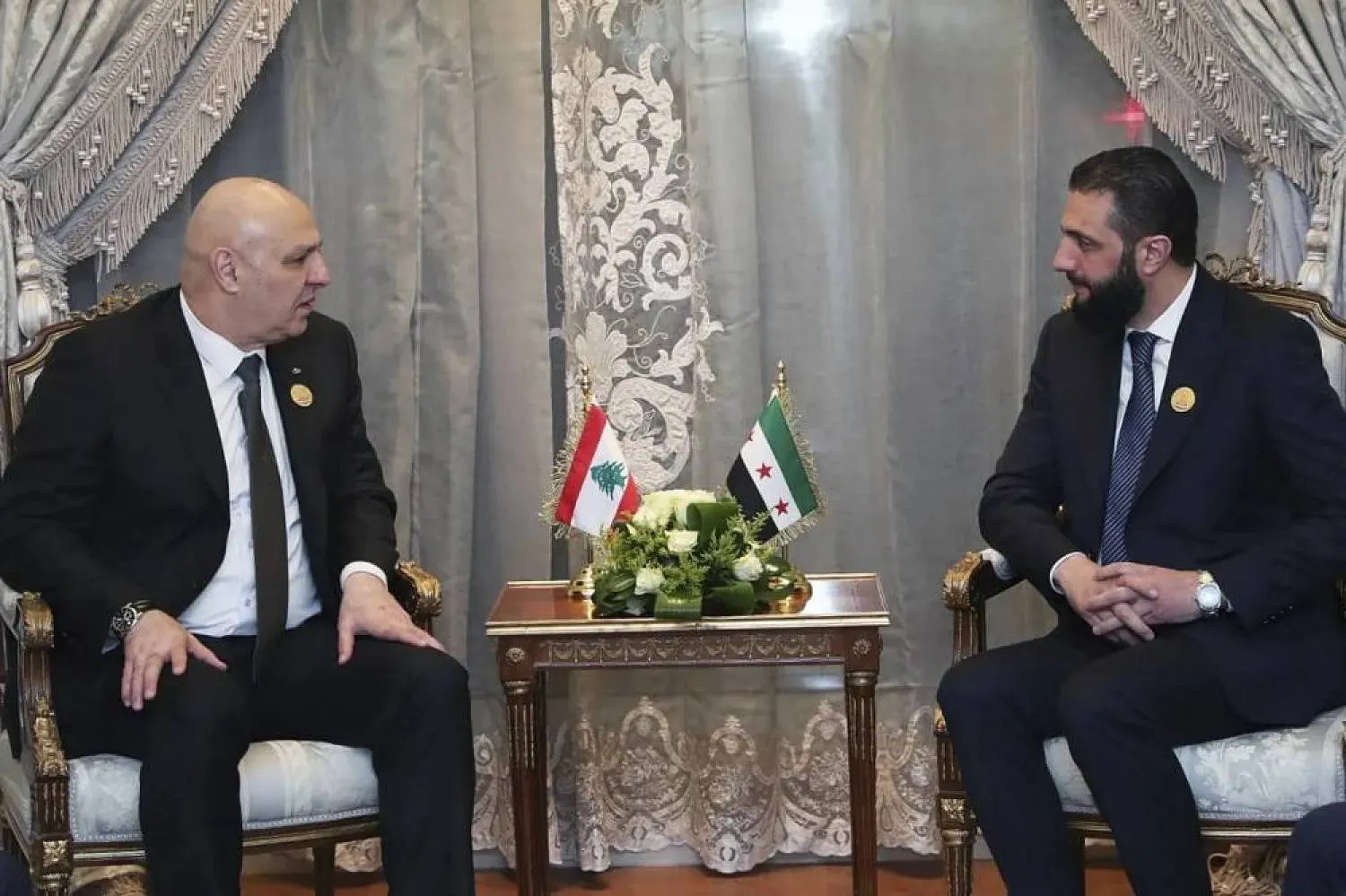
Before a March 10 phone call between Syrian President Ahmed al-Sharaa and Lebanese President Joseph Aoun to discuss regional developments and their impact on the security and stability of both countries and the wider region, it appeared the two leaders had not been in direct contact since each assumed the presidency a little over a year ago.
In the days before speaking with Aoun, al-Sharaa contacted several Lebanese political figures. On March 6, he spoke with Prime Minister Nawaf Salam and former Progressive Socialist Party leader Walid Jumblatt. On March 8, he called Kataeb Party leader MP Sami Gemayel.
During those calls, al-Sharaa expressed “solidarity with the Lebanese people in these difficult circumstances Lebanon is going through.”
He said the reinforcement of the Syrian military presence along the Syrian-Lebanese border on March 3 was intended solely to strengthen border control and safeguard Syria’s internal security. He described the steps as similar to measures taken along the Syrian-Iraqi border.
The contacts came against the backdrop of war in the region and broader regional developments, and included discussions on the future of Syrian-Lebanese relations. Al-Sharaa stressed the importance of continued coordination between the two countries.
According to the Kataeb Party’s official website, the call between al-Sharaa and Gemayel took place in a positive atmosphere and included discussion of opening a new chapter in bilateral relations.
Al-Sharaa said ties between Syria and Lebanon should rest on “mutual respect between the two states,” alongside stronger economic cooperation and integration that serves the interests of both peoples.
However, the two days following the March 8 call triggered speculation that relations between the two countries were strained because of current and past issues.
Al-Sharaa moved to dispel that speculation with a direct call to Aoun. The following day, French President Emmanuel Macron said he had spoken with both leaders and welcomed the dialogue, saying “the coordination launched by the Lebanese and Syrian leaderships is important” and that France would continue to support it.
Overall, the contacts have raised cautious optimism about neighborly relations at a sensitive moment.
Asharq Al-Awsat asked Syrian analysts how they see relations between the two countries evolving in the near term amid ongoing regional developments.
Foundations of the relationship
Bassam Barabandi, a Syrian analyst and former diplomat based in Washington, said Damascus approaches relations with Lebanon on several foundations.
First is non-interference in Lebanon’s internal politics. Second is border security, particularly preventing Hezbollah from operating inside Syria or transferring weapons through Syrian territory, as well as halting drug smuggling through Syria, which requires direct cooperation with Lebanon.
Third is the issue of Syrians held in Lebanese prisons, which he said is under discussion.
Barabandi said contacts between the two sides, including the call between al-Sharaa and Aoun, produced understandings on several issues, notably mutual non-interference in internal affairs and handling files related to Syrian fugitives in Lebanon and Syrian refugees.
He noted that Lebanon’s political system requires engagement with multiple actors, since the president is only one part of a broader governing structure. Communicating Syrian assurances or positions, therefore, requires outreach to different political leaders.
In that context, al-Sharaa contacted Gemayel to thank him for efforts aimed at accelerating solutions for Syrians detained in Lebanon, and in recognition of his political weight among Christians.
The Syrian president also contacted Jumblatt, Lebanon’s top Druze leader.
Further contacts with other figures could follow if needed, Barabandi said.
He added that the Syrian government supports steps taken by the Lebanese government regarding Hezbollah, particularly efforts related to disarming the group.
Expanding dialogue
Jumaa Mohammed Laheeb, director of research and studies at the Syrian Future Movement, said the current dynamic between Damascus and Beirut reflects a dual reality: relatively advanced security and political coordination alongside political uncertainty.
That uncertainty is most evident in sensitive files, particularly those related to detainees, he said. In that context, al-Sharaa’s call with Salam can be understood.
Laheeb said the call and Syria’s expression of support for Lebanon amid the regional escalation focused on two main issues: border control and reassuring the Lebanese government that Syrian military deployments aim to strengthen control within Syrian territory rather than stoke tensions in Lebanon.
Such communication reflects effective operational channels between the two governments, particularly after understandings reached in recent years on smuggling and border crossings. But those channels alone cannot resolve politically and historically sensitive files such as detainees and the missing, he said.
Laheeb said the Lebanese presidency sits at the center of complex domestic balances involving Hezbollah’s influence, as well as Christian, Sunni and Druze segments.
Al-Sharaa’s initial reluctance to call Aoun directly — while opening communication with figures such as Jumblatt and Gemayel — reflects a Syrian effort to broaden the range of Lebanese actors it engages with.
Damascus appears to be seeking greater regional legitimacy by opening dialogue with forces opposed to Hezbollah’s dominance, he said. But key decisions on issues such as detainees, refugees and border security still pass through domestic circles in which Hezbollah retains considerable influence.
The detainee file, he said, remains a bargaining chip rather than a purely humanitarian priority, leading to delays and partial solutions rather than a comprehensive settlement.
Testing relations with Damascus
Syrian researcher Ahmad Abazid said Damascus does not want to become involved in the current war or intervene militarily against Hezbollah. However, he said the Syrian government has, from the outset, made support for the Lebanese state a cornerstone of its relationship with Lebanon, alongside what he described as genuine hostility toward Hezbollah.
For that reason, he said, it is natural for Damascus to support Aoun’s initiative to disarm the group.
At the same time, Abazid argued Hezbollah would be the weaker side in any confrontation with the new Syrian army. The history of relations between the group and Syrian opposition would likely push many fighters to confront Hezbollah if such a battle emerged, he said.
He also pointed to rising tensions. Hezbollah said Syrian territory had been used as the launch point for a second Israeli operation in the Lebanese town of Nabi Sheet in the Bekaa Valley. Shortly afterward, the Syrian army said Hezbollah had fired artillery shells at the Sarghaya region in western Syria.
Abazid said the escalation could reflect two possible dynamics. One is an Iranian attempt to spread instability across the region during the current war to increase pressure on all sides, particularly Arab states.
The other is that Hezbollah feels threatened by the Syrian side, especially as Lebanese actors have refrained from launching military initiatives against the group and after remarks by US envoy Tom Barrack suggesting possible Syrian intervention in Lebanon.