China Q2 Smartphone Sales Fall 14.2% Y/Y as Consumers Pull Back

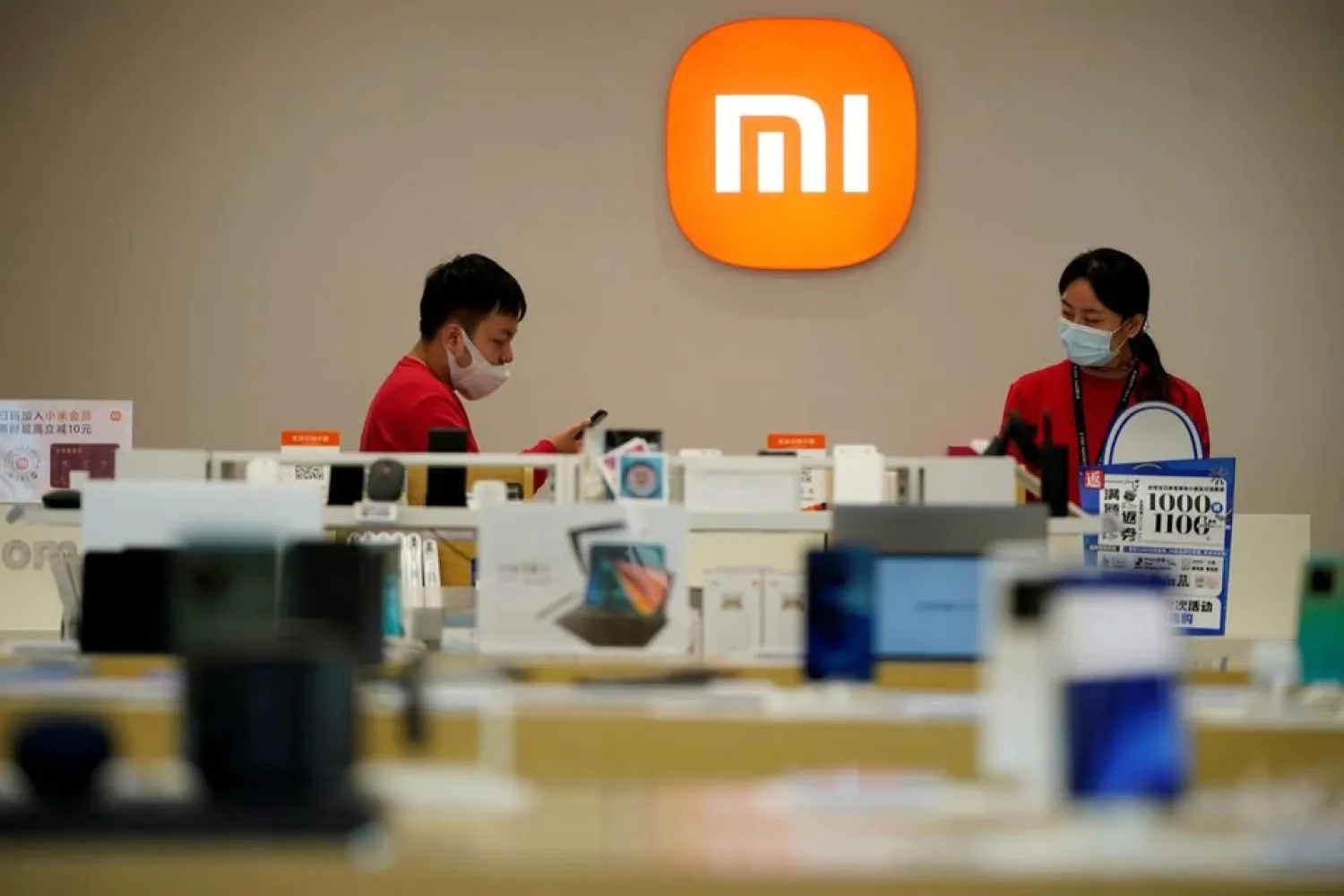
Staff members stand near the company logo at a Xiaomi store in Shanghai, China November 1, 2021. (Reuters)
TT

China Q2 Smartphone Sales Fall 14.2% Y/Y as Consumers Pull Back

Staff members stand near the company logo at a Xiaomi store in Shanghai, China November 1, 2021. (Reuters)

Chinese smartphone sales in April-June fell 14.2% on year and volumes hit a decade low, Counterpoint Research said on Wednesday, as China struggles to recover from the impact of COVID-19 lockdowns and the industry braces for more uncertainty.

Quarterly sales volumes were 12.6% lower than those seen in the first quarter of 2020, when the pandemic hit China and sales were the worst since the fourth quarter of 2012, when the iPhone 5 was introduced, according to Counterpoint.

The research firm does not give unit sales estimates.

Consumers have tightened their belts and business activity has slowed amid China's pursuit of its "zero-COVID" strategy to stamp out infections. The commercial hub of Shanghai was locked down in April-May and strict pandemic curbs nationwide continue to weigh on consumer spending.

Sales for the top brands all shrank annually over the quarterly period, with the exception of Honor, which was formally spun out of Huawei Technologies Co Ltd in 2021.

Honor's share of the market surged to 18.3% from 7.7%, making it the second-best selling player, behind vivo. Sales, meanwhile, more than doubled.

"Honor's coverage in lower-tier cities, which saw fewer lockdowns, helped the brand steer through the turbulence in Q2 2022," said Mengmeng Zhang, research analyst at Counterpoint.

Apple Inc ranked as the fourth top-selling brand, with a market share of 15%. The iPhone maker's quarterly sales volumes dropped 5.8%, a smaller blow compared with Oppo, Xiaomi, and vivo.

The Cupertino-based firm has seen comparatively stable sales in China in the past few years. Earlier this week, however, it announced discounts in China, a move it occasionally makes when sales are slow.


Brazil to Get Satellite Internet from Chinese Rival to Starlink in 2026

Brazil's new Chief of Staff of the Presidency Rui Costa attends a ministerial meeting at the Planalto Palace in Brasilia, Brazil January 6, 2023. REUTERS/Adriano Machado
TT

Brazil to Get Satellite Internet from Chinese Rival to Starlink in 2026

Brazil's new Chief of Staff of the Presidency Rui Costa attends a ministerial meeting at the Planalto Palace in Brasilia, Brazil January 6, 2023. REUTERS/Adriano Machado

Chinese low Earth orbit satellite company SpaceSail will start providing internet access to remote areas in Brazil in the first half of 2026, President Luiz Inacio Lula da Silva's chief of staff, Rui Costa, said on Wednesday, Reuters reported.

SpaceSail and Brazil's state-owned telecom Telebras had signed a memorandum of understanding in late 2024 to offer satellite internet services for schools, hospitals and other essential services in the South American country.

SpaceSail competes directly with Elon Musk's Starlink in the satellite internet market.


Google Launches First Ever Co-branded Credit Card in India

FILE PHOTO: A Google logo is seen at a company research facility in Mountain View, California, US, May 13, 2025. REUTERS/Carlos Barria/File Photo
TT

Google Launches First Ever Co-branded Credit Card in India

FILE PHOTO: A Google logo is seen at a company research facility in Mountain View, California, US, May 13, 2025. REUTERS/Carlos Barria/File Photo

Alphabet Inc's Google Pay launched its first co-branded digital credit card in India on Wednesday in partnership with Axis Bank, intensifying efforts to monetize its massive user base in the country's crowded fintech sector.

WHY IT'S IMPORTANT

While Google Pay is a dominant player in India's popular domestic payments network, the Unified Payments Interface (UPI), its core service generates zero revenue from user-to-user payments due to government mandates. It, however, earns commissions for in-app services like bill payments and mobile recharges, Reuters reported.

The credit card launch opens a new avenue for Google to monetize its user base, mirroring strategies by domestic rivals Paytm and PhonePe to cross-sell lending products to payment users.

BY THE NUMBERS

India has just 50 million credit card holders, according to Google Pay, whereas its population exceeds 1.4 billion.

Google Pay meanwhile is the second top app in India by number of UPI transactions, having processed nearly 7.2 billion transactions in October alone.

HOW IT WORKS

Axis Bank manages the credit risk and issuance, while the digital-only card will be linked to the Google Pay app to make online and offline payments on the go.


UK Looks to Restart Cooperation after US Suspends Tech Deal

Pedestrians walk across Westminster Bridge as early morning fog covers the streets of London on December 17, 2025. (Photo by JUSTIN TALLIS / AFP)
TT

UK Looks to Restart Cooperation after US Suspends Tech Deal

Pedestrians walk across Westminster Bridge as early morning fog covers the streets of London on December 17, 2025. (Photo by JUSTIN TALLIS / AFP)

The UK government on Wednesday said it was focused on resuming talks promptly after the United States suspended implementation of a tech cooperation deal with Britain.

The deal was signed during US President Donald Trump's pomp-filled state visit to the UK in September.

But on Tuesday Michael Kratsios, head of the White House Office of Science and Technology Policy, said on X that the UK must make "substantial progress" on trade talks for the deal to resume.

The US and UK have been trying to implement the "Economic Prosperity Deal," agreed in May and one of the first international agreements signed after Trump threatened the world with punishing tariffs on goods entering the United States.

The US-UK Technology Prosperity Deal agreed in September 2025 was a non-binding agreement to sit alongside the broader Economic Prosperity Deal.

It was designed to align the two countries on tech innovation while spurring mostly private-sector investment, Agence France Presse reported.

Following the White House announcement, a UK government spokesperson said: "We look forward to resuming work on this partnership as quickly as possible... and working together to help shape the emerging technologies of the future."

Business and Trade Secretary Peter Kyle held trade talks with US counterparts in Washington DC last week to progress the Economic Prosperity Deal, the spokesperson said.

"They celebrated the success of the recent pharma deal and both sides agreed to continue further negotiations next year."

According to the Financial Times, US officials have become increasingly frustrated with Britain's lack of willingness to address non-tariff barriers, including rules and regulations governing food and industrial goods.