Saudi Arabia Unveils 10 Initiatives to Develop Online Storeshttps://english.aawsat.com/home/article/3862066/saudi-arabia-unveils-10-initiatives-develop-online-stores
Saudi Arabia Unveils 10 Initiatives to Develop Online Stores
Saudi Arabia supports the development of an integrated e-commerce environment by finding solutions to the current challenges. (Asharq Al-Awsat)
The Saudi Ministry of Commerce announced on Wednesday 10 initiatives to develop the sector of electronic stores, based on the results of a survey that measured consumer satisfaction with the performance of e-commerce in the Kingdom.
The study, which surveyed more than 6,000 people, highlighted four main challenges facing consumers, namely: lack of clarity of warranty and maintenance policies, failure to deliver to some areas, delay in resolving complaints, and a slow refund process.
Based on the results of the questionnaire, the ministry approved 10 initiatives to develop the work of e-commerce, mainly requesting e-stores to provide a purchase invoice with all information related to the warranty, communicating with the product agent, and gradually expanding the geographical coverage of delivery, to include the various regions of the Kingdom.
The ministry also decided to work on diversifying shipping and delivery options, in order to ensure that shipments are not delayed, requesting online stores to provide various payment solutions such as Mada card and credit cards, and providing technical systems for managing and following up on refunds, in addition to facilitating procedures for orders cancellation.
The Ministry of Commerce emphasized that it was working, in partnership with electronic stores, to implement the initiatives, in order to improve the services provided by the sector and raise consumer satisfaction and confidence.
In parallel, the Federation of Saudi Chambers launched a plan that seeks to enhance communication among the Chambers of Commerce, unify efforts and exchange expertise in a way that contributes to maximizing the benefit, improve the business environment, empower the private sector in various regions of the country, and raise the quality of economic research.
The initiative comes within the framework of the Federation’s endeavor to strengthen the role of the private sector institutional bodies in serving the business community and the national economy, raising the quality of products and outputs, and improving the level of performance to enhance the private sector’s contribution to the goals of the Kingdom’s Vision 2030.
Meanwhile, the Riyadh Chamber, represented by the Commercial Centers Committee, signed a memorandum of understanding with the Middle East Council of Shopping Centers, to enhance joint cooperation, train Saudi cadres and promote localization programs in the retail sector.
The council will host training courses and provide the necessary materials to prepare specialized cadres in the Saudi retail industry.
Saudi Oil Storage in Singapore to Boost Resilience Against Disruptionshttps://english.aawsat.com/business/5334504-saudi-oil-storage-singapore-boost-resilience-against-disruptions
Saudi Oil Storage in Singapore to Boost Resilience Against Disruptions
During the signing of a memorandum of understanding between Singapore's Energy Market Authority and JTC Corporation and Saudi Aramco (X)
Saudi Arabia is moving to strengthen its grip on Asian energy markets by storing crude oil in Singapore from the second half of 2027, according to Energy Minister and Minister of Industry and Mineral Resources Prince Abdulaziz bin Salman.
The move is about more than bringing Saudi oil closer to buyers. Experts told Asharq Al-Awsat it would help safeguard supplies against geopolitical shocks and shipping disruptions, boost flexibility and reinforce confidence in the Kingdom as a reliable supplier, particularly in Asia.
Saudi Arabia's Ministry of Energy and Singapore's Ministry of Energy, Trade and Industry announced plans on Monday to store Saudi crude at the Jurong Rock Caverns on Singapore's Jurong Island, with operations scheduled to begin in the second half of 2027.
As a first step, representatives of Singapore's Energy Market Authority and JTC Corporation exchanged memorandums of understanding with Saudi Aramco during Singapore International Energy Week.
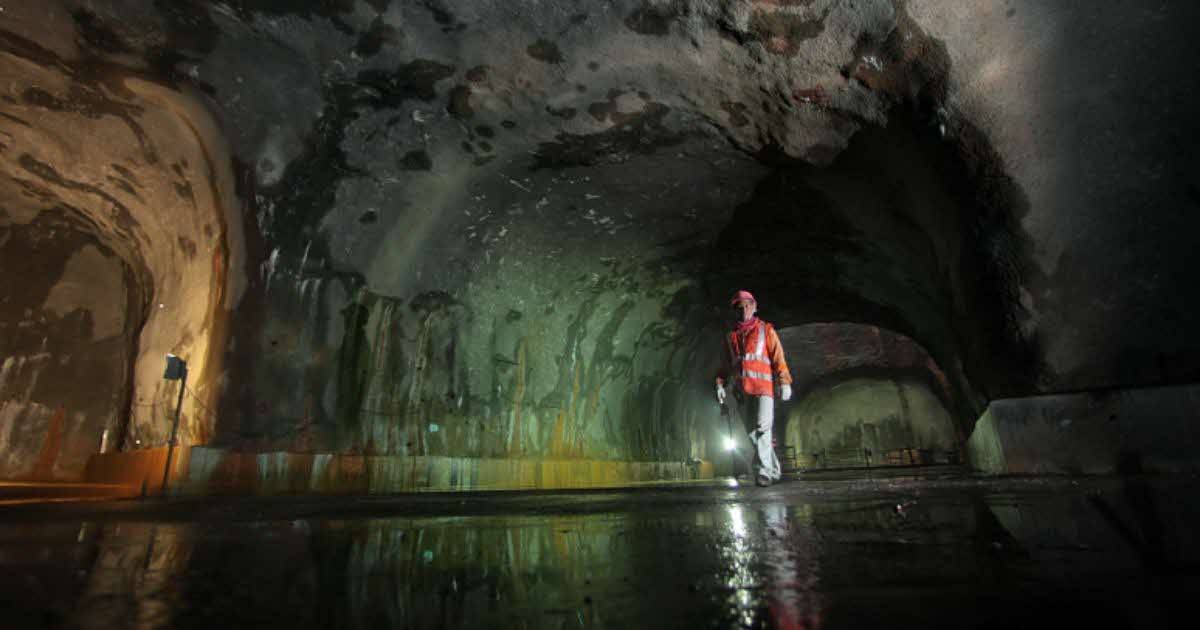
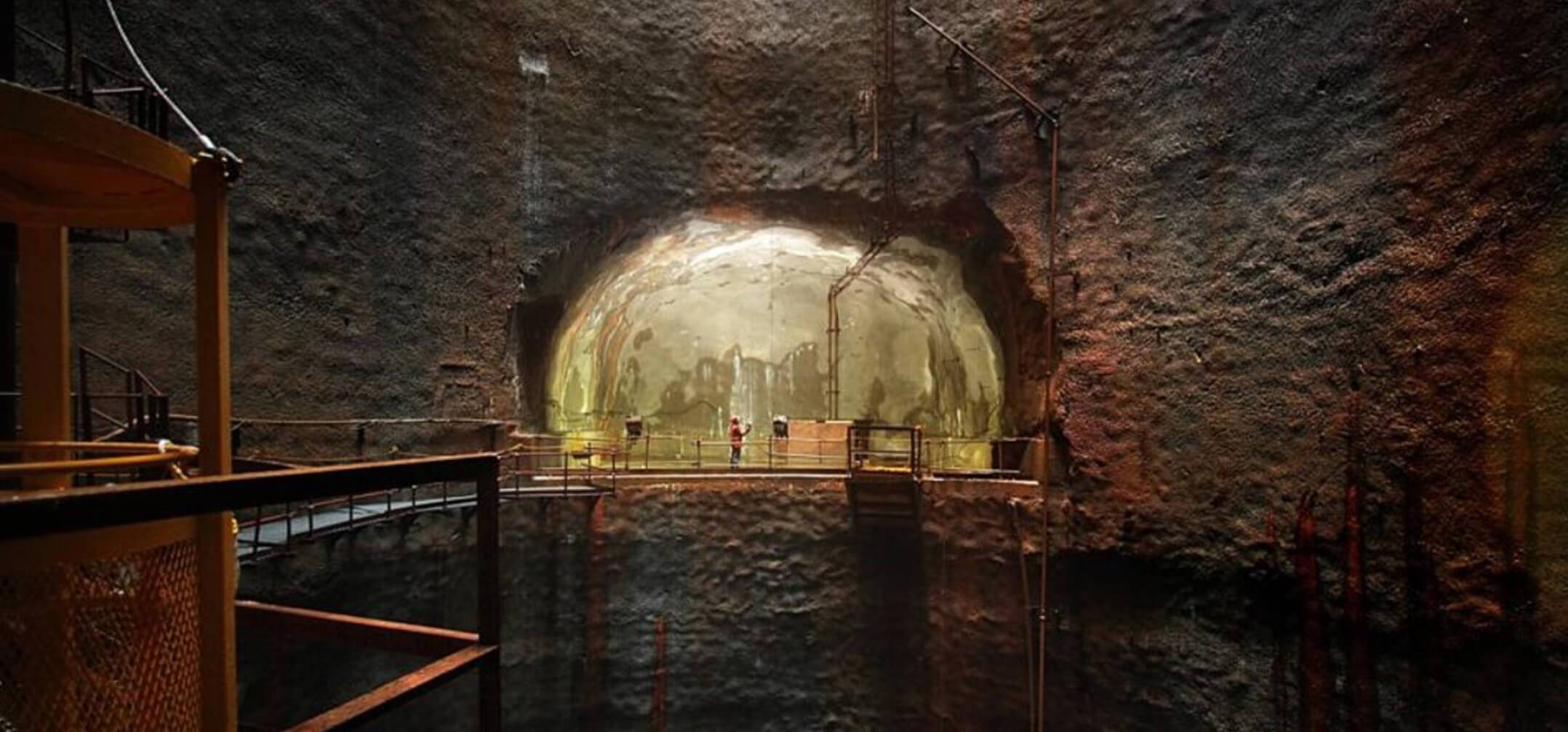
Under the proposed arrangements, Saudi crude would be stored in the Jurong Rock Caverns, an underground facility beneath Jurong Island off Singapore's southern coast.
A joint statement said the plan would strengthen the resilience and reliability of Saudi oil supplies to Southeast Asia while allowing Singapore to draw on the reserves to meet its energy needs during supply disruptions.
Experts said storing Saudi crude at the regional energy trading hub would give the Kingdom more options to manage supplies and meet buyers' needs when shipping routes are blocked or oil flows disrupted. The direct impact on export volumes, however, could be limited.
The bigger prize, they said, is supply security: keeping long-term contracts intact and cementing Saudi Arabia's standing as a dependable supplier to Asian markets.
The initiative could also deepen trade and investment ties between Saudi Arabia and Singapore and pave the way for broader energy cooperation with East Asian countries as geopolitical tensions and shipping risks sharpen the focus on resilient supply chains.
The Jurong Rock Caverns (Singapore's Energy Market Authority)
A deal built on trust
For experts, the value of Saudi Arabia's Singapore storage plan goes beyond supply flexibility. It is also about convincing Asian buyers that the Kingdom can deliver even when crises disrupt global oil trade.
Dr. Ibrahim bin Saleh Alomar, professor of economics at Qassim University and organization manager at Sharah for Economic Research and Studies, called the initiative a "deal built on trust."
He said storing crude closer to consuming markets would strengthen guarantees of uninterrupted supplies and help protect Saudi Arabia's market share.
By placing part of its oil reserves near its biggest markets, Saudi Arabia would give Asian buyers access to supplies when shipping lanes are disrupted or tanker traffic stalls, without having to wait for cargoes traveling through crisis-hit routes, Alomar said.
That, he said, is the initiative's central strategic advantage.
Asia relied on the Middle East for roughly two-thirds of its oil imports before the war, making reliable supplies as important as price during crises, he said.
Saudi Arabia is responding to that need by expanding a storage network stretching from Japan and South Korea to Singapore.
Alomar said the strategy would bolster the kingdom's position among major oil suppliers because, during disruptions, markets tend to reward reliability rather than simply the lowest price.
But he played down expectations of a major boost to Saudi export volumes.
The available storage capacity is equivalent to roughly two days of Saudi exports, according to his estimates, and operations are not due to begin until the second half of 2027.
The main payoff, he said, would be protecting market share, preserving long-term contracts and limiting potential losses when supplies are disrupted.
Keeping customers through a crisis, he added, can help cement supply relationships long after it ends.
A strategy for secure oil storage
Beyond reassuring buyers and defending market share, the Singapore plan would give Saudi Arabia more room to manage oil shipments and respond to market disruptions.
Dr. Khaled Ramadan, an economist and head of the International Center for Strategic Studies in Cairo, said storing Saudi crude in Singapore's Jurong Rock Caverns would deepen the Kingdom's Asian presence and give it greater flexibility to manage shipments and secure deliveries.
Bringing oil closer to major consuming markets would allow Saudi Aramco to respond faster to disruptions in trade or maritime shipping routes, he said.
Ramadan described the move as a proactive step to strengthen energy security and shield supply chains from potential shocks.
The Singapore facility would complement existing Saudi storage sites in Japan and South Korea, building a more efficient and reliable network across Asia, which accounts for the bulk of the kingdom's oil exports, he said.
Such a network would help Saudi Arabia defend its reputation as a reliable supplier, particularly during crises when the ability to maintain deliveries becomes critical.
Faster deliveries and less reliance on traditional shipping routes alone would also make Saudi crude more attractive and bolster buyer confidence, Ramadan said.
Still, he cautioned that the immediate impact on export volumes could be modest.
Over the medium term, he said, the benefits would be more significant: steadier exports, gradual growth and stronger prospects for long-term supply deals.
The Jurong Rock Caverns (Singapore's Energy Market Authority)
Shielding energy markets from geopolitical shocks
Dr. Abdulrahman Baashen, head of the Al-Shorouk Center for Economic Studies, said the Singapore storage plan reflected a Saudi strategy aimed not only at securing oil supplies but also at supporting stability in global energy markets.
He described the initiative as an economic hedge against sudden market shocks, helping cushion the impact of conflicts and geopolitical tensions worldwide.
By keeping crude closer to key markets, Saudi Arabia would be better positioned to meet demand even under exceptional circumstances, he said.
Baashen said the plan also reflected the Kingdom's sense of responsibility toward global markets and would extend its reach across East, Central and South Asia.
That could strengthen the reliance of major consumers, including China, Japan and India, on Saudi oil during crises, he said.
With the war in the Middle East pushing countries to reinforce energy security and protect supply routes, reserves in Singapore would give Saudi Arabia more flexibility in serving its main markets.
Baashen said the initiative could also ease the pressure of extraordinary events, whether natural disasters or human-made crises.
He added that it would reinforce Saudi Arabia's position among the world's leading oil suppliers, support its economy and international oil trade, and strengthen its ability to cope with disruptions in the Strait of Hormuz and conflicts across the Middle East.
Saudi Arabia's strategic approach strengthens its position
Chairman and Founder of Saudi Excellence Holding Company (SEC) Sheikh Abdullah bin Zaid Al-Meleihi said the Singapore initiative underscored the long-term vision behind the Kingdom's oil policy.
Storing Saudi crude near Asian buyers would send a reassuring message to global energy markets and strengthen the Kingdom's ties with major consumers at a time when supply chains and maritime trade face mounting challenges, he said.
Keeping reserves outside conflict zones would give Saudi Arabia greater flexibility to manage supplies and respond quickly to market demand amid geopolitical tensions and shipping disruptions.
It would also help protect Saudi economic interests while supporting global energy security, Al-Meleihi said.
He said the timing was particularly important given disruptions affecting major waterways.
Positioning oil closer to buyers would create more options to meet demand and reduce the impact of interruptions along shipping routes.
Al-Meleihi said the plan would help maintain the flow of Saudi oil exports and open the door to future growth, depending on global demand and production levels.
It would also help defend the Kingdom's market share and strengthen confidence among regional and international partners.
Saudi Arabia, he said, would remain a central player in global oil production and efforts to balance energy markets, backed by its role in meeting demand and its ability to adapt to changing supply conditions.
New Saudi Law Broadens Business Participation, Supports Entrepreneurshttps://english.aawsat.com/business/5334500-new-saudi-law-broadens-business-participation-supports-entrepreneurs
A view of operations at the Saudi Competitiveness and Business Center, which facilitates procedures for companies and businesses entering the local market Photo: Turky Alagili
New Saudi Law Broadens Business Participation, Supports Entrepreneurs
A view of operations at the Saudi Competitiveness and Business Center, which facilitates procedures for companies and businesses entering the local market Photo: Turky Alagili
Saudi Arabia has cleared the way for citizens as young as 15 to do business under a sweeping new commercial transactions law, a move aimed at bringing more young entrepreneurs into the economy while strengthening the Kingdom's business regulations.
The Cabinet, chaired by Crown Prince and Prime Minister Mohammed bin Salman bin Abdulaziz, approved the law on Tuesday, drawing praise from experts who said it would strengthen investor confidence, clarify commercial rules and create a more predictable business environment.
Commerce Minister Majid Al-Qasabi said the law regulates commercial sales, supply contracts, brokerage and commercial agency agreements, while allowing citizens aged 15 and older to engage in business under specific conditions.
The legislation also complements the Civil Transactions Law as part of efforts to stimulate commerce and investment, he said.
The Ministry of Commerce said the 271-article law covers commercial activities, merchants, business establishments, traders' obligations, accounting records, contracts and negotiable instruments, including bills of exchange, promissory notes and checks.
It replaces three existing laws: the Commercial Law, the Negotiable Instruments Law and the Commercial Books Law.
Curbing commercial disputes
The law seeks to promote fair competition and curb practices that harm competitors, giving affected businesses the right to seek court orders to stop harmful conduct and claim compensation.
It also exempts certain categories of merchants from maintaining accounting records and allows records to be stored electronically or on paper in Arabic, with the option of using another language.
By clarifying commercial rights and obligations, the legislation aims to make business outcomes more predictable and reduce disputes.
For the first time, rules governing commercial sales, supply contracts, commercial agencies and brokerage agreements are brought together in a single legislative framework, with provisions designed to protect the rights of all parties.
Boost for smaller businesses
Set to take effect 180 days after publication in the Official Gazette, the law aims to give small and medium-sized enterprises (SMEs) greater legal protection and help them expand through commercial contracts and agency arrangements.
It also seeks to boost business confidence, support SME growth and competitiveness, and make commercial operations more efficient by consolidating rules previously spread across separate laws.
Modernizing business rules
Osama bin Ghanem Al-Obaidi, a legal consultant and professor of commercial law, told Asharq Al-Awsat that the Cabinet's decision marked a significant step in modernizing Saudi Arabia's economic legislation.
The law goes beyond regulating contracts and transactions, he said, reflecting a push for a clearer, more flexible business environment suited to a modern economy and the needs of investors and entrepreneurs.
Al-Obaidi singled out the decision to allow citizens aged 15 and older to engage in business under specific conditions.
The change, he said, could help young Saudis gain practical experience earlier and turn their ideas and skills into viable businesses.
He said the law would also encourage investment by bringing commercial rules into one accessible legal reference, making them easier to understand and apply.
Attracting domestic and foreign investment
Al-Obaidi said the law clarifies commercial contracts, unifies commercial registration rules and regulates negotiable instruments and electronic documents, giving the latter the same evidentiary standing as original paper documents.
"There is no doubt that the law will strengthen the investment environment and the competitiveness of the Saudi economy," he said.
"It will also attract foreign and domestic investment by providing a legal framework aligned with international best practices and reducing commercial risks through clear rules, rights and obligations for all parties."
He said the legislation would close legal gaps and complement the Civil Transactions Law, helping build a more stable commercial regulatory environment.
Building a more stable market
Economic and investment specialist Tahani bint Abdullah AlKhayyal told Asharq Al-Awsat that clearer rules governing commercial contracts and transactions would help businesses understand their rights and obligations, avoid disputes and better anticipate legal outcomes.
Such clarity, she said, is essential to building a more efficient and investment-friendly market.
A predictable legal framework would also help domestic and international investors assess opportunities and risks with greater confidence while supporting more stable, sustainable business relationships.
AlKhayyal stressed the importance of the law for SMEs, which play a key role in diversifying the economy, creating jobs and driving innovation.
Clearer rules, she said, would help smaller businesses organize their operations, protect their rights and compete more effectively.
"This becomes even more important when legislation is integrated with digital services and legal awareness initiatives, making it easier for business owners to understand and comply with requirements while reducing procedural burdens," she said.
AlKhayyal said the law's real test would be its impact on the market: whether it makes doing business easier, strengthens legal protections and encourages new ventures.
Modern legislation, she added, should empower individuals and businesses by opening up economic opportunities.
She said the law would strengthen Saudi Arabia's commercial framework and support Vision 2030 goals to broaden economic participation and reinforce the private sector's role as a key driver of growth and development.
IEA: The Age of Electricity is Coming, We Will Still Use Oil and Natural Gashttps://english.aawsat.com/business/5334166-iea-age-electricity-coming-we-will-still-use-oil-and-natural-gas
IEA: The Age of Electricity is Coming, We Will Still Use Oil and Natural Gas
FILE PHOTO: A view of the logo of the International Energy Agency in Paris, France, December 15, 2023. REUTERS/Sarah Meyssonnier/File Photo
The concentration of a small number of countries in clean energy supply chains is an emerging challenge for Southeast Asian countries, International Energy Agency Executive Director Fatih Birol said on Tuesday, amid fast-rising power demand in the region.
"The age of electricity is coming. We will still use oil, still use natural gas including LNG, but electricity demand is growing very strongly," Birol told delegates at the Singapore International Energy Week conference.
Birol did not identify the countries dominating clean energy supplies, but China is by far the largest global supplier of renewable energy equipment, from solar panels to wind turbines, electric vehicles and batteries.
Electricity demand in ASEAN countries is rising at twice the pace of overall energy consumption, driven by industrial electrification, air-conditioning needs, electric vehicles and data centers, he said.
Southeast Asian nations have emerged as key drivers of China's clean-energy export boom, splashing out over $20 billion on Chinese-made clean-tech products so far in 2026, according to energy think tank Ember.
Birol also warned that geopolitical tensions have become an increasingly dominant force in global energy markets.
"In my professional life, I have never, never ever seen the dark and long shadow of geopolitics dominating the energy sector in such a way," Reuters quoted him as saying. "I can only imagine that the role of geopolitics will be much more pronounced, and this means energy security is going to become even more important than it is today."
Birol said the Middle East war has triggered fundamental changes in global energy consumption patterns, spurring growth in solar, coal and nuclear power as well as electric vehicle adoption.
"I see in the last eight months very strong growth of electric car sales," he said, adding that global electric vehicle sales outside China had risen 60% above previous trends over the period because of the conflict.
Consumption of alternative energy sources has increased as diesel prices have jumped about 200% and LNG prices have risen 250% from pre-war levels, according to Birol.
He said on Monday at the same conference that he does not expect energy markets in 2027 to return to where they were before the US-Israeli war on Iran began.
لم تشترك بعد
انشئ حساباً خاصاً بك لتحصل على أخبار مخصصة لك ولتتمتع بخاصية حفظ المقالات وتتلقى نشراتنا البريدية المتنوعة