


Arab, Islamic Officials Condemn Negative Campaign against Saudi Arabia

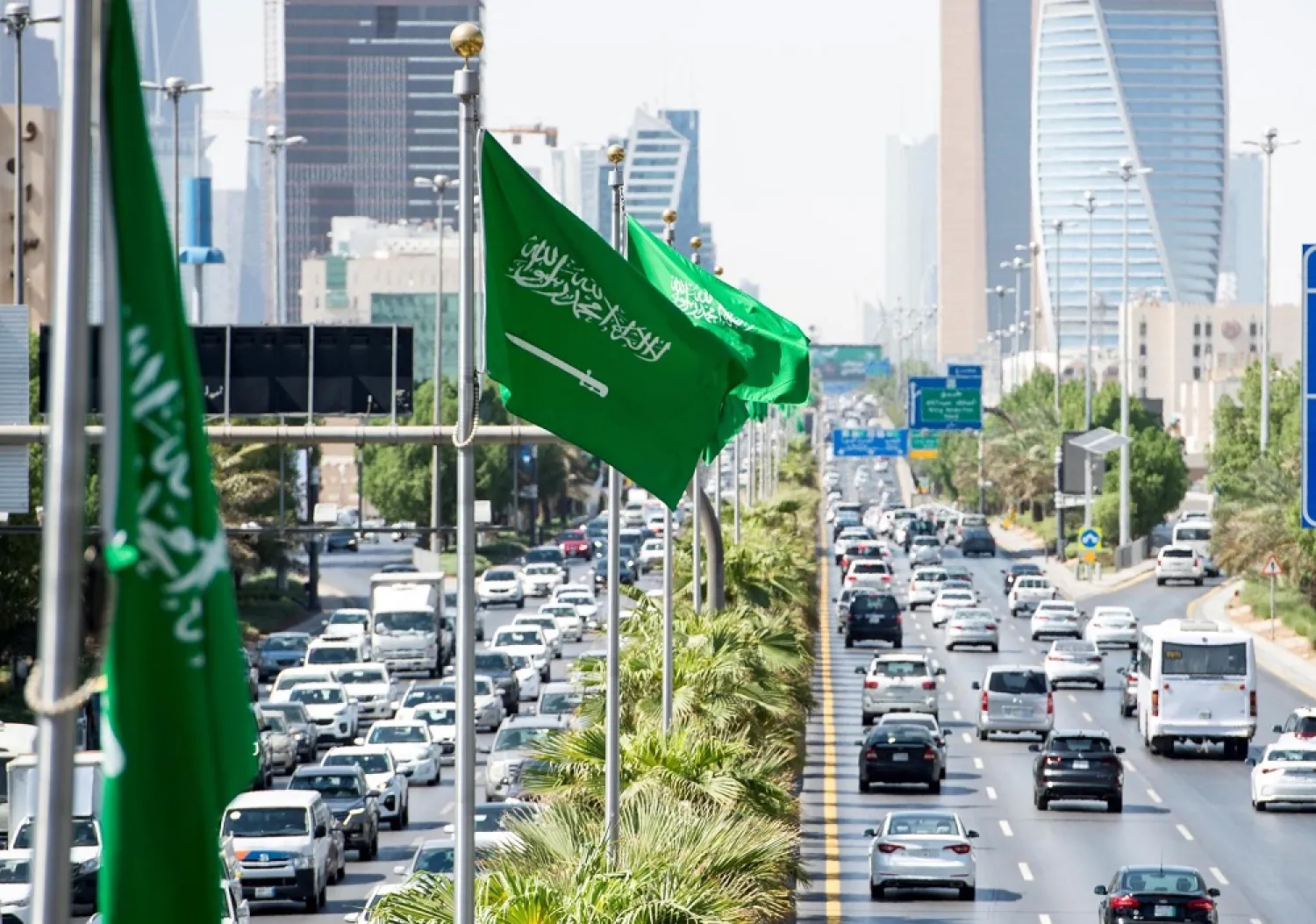
A view of Riyadh, Saudi Arabia. (SPA)
TT

Arab, Islamic Officials Condemn Negative Campaign against Saudi Arabia

A view of Riyadh, Saudi Arabia. (SPA)

Saudi Arabia’s rejection of the negative statements against it in wake of the OPEC+ decision was welcomed by Arab and Islamic leaders.

The officials expressed their solidarity with Saudi Arabia and strong condemnation of the statements and campaigns against Riyadh.

On Thursday, an official source at the Saudi Foreign Ministry underlined the Kingdom’s rejection of statements that were made against it over the OPEC+ decision.

The statements accused the Kingdom of taking sides in international conflicts and alleged that OPEC+’s move was politically motivated against the United States.

The source stressed Saudi Arabia’s categorical rejection of the baseless statements that are aimed at steering the decision away from its purely economic goals.

It added that the Saudi government values the importance of dialogue and the exchange of views with all partners and allies outside OPEC. It noted that recent consultations with the US stressed that all economic analyses explained that delaying the OPEC+ decision for months, at Washington’s request, would have negative repercussions.

“The Kingdom is seeking to preserve the strength of its relations with all friendly countries, but it also stresses its rejection of dictates and any actions or efforts that seek to tarnish the noble goals that it is pursuing in order to protect the global economy from oil market fluctuations,” it added.

Arab Parliament Speaker Adel Al Asoomi voiced his strong condemnation of the statements that have been made against Saudi Arabia. He said the Arab Parliament stands by the Kingdom and its clear position, which clarified that OPEC decisions are taken in consensus with other members in the group.

These decisions take into consideration the process of supply and demand in the global oil market, he added.

Moreover, he underlined the significant and pivotal role Saudi Arabia is playing, under the leadership of Custodian of the Two Holy Mosques King Salman bin Abdulaziz and Crown Prince Mohammed bin Salman, on the all Arab, regional and international levels.

He praised the measures taken by Saudi Arabia in order to protect the global economy from market fluctuations and its balanced approach in achieving stability in the oil markets.

He hailed its wise and balanced policies that always prioritize the interests of all nations, consumers and producers alike.

Arab League Secretary-General Ahmed Aboul Gheit expressed on Friday his rejection of the “negative media campaign against Saudi Arabia.

A spokesman for Aboul Gheit said the “baseless” statements are “far removed from the truth.”

“Rather, they are aimed at politicizing purely economic decisions that everyone realizes are necessary for the stability of the global economy given the dangerous challenges it is facing,” he added.

He hailed “Saudi Arabia’s balanced approach in stabilizing the oil markets and its firm stances towards regional and international political affairs.”

Secretary-General of the Organization of Islamic Cooperation Hissein Brahim Taha welcomed on Thursday Riyadh’s complete rejection of the statements against it.

He praised the measures it has taken to protect the global economy from the fluctuations in energy prices and in securing supplies according to a balanced policy that takes into account the interests of consumer and producer countries.

OIC Condemns Israeli Move to Seize Homes and Displace Palestinian Families in Jerusalem

OIC Condemns Israeli Move to Seize Homes and Displace Palestinian Families in Jerusalem
TT

OIC Condemns Israeli Move to Seize Homes and Displace Palestinian Families in Jerusalem

OIC Condemns Israeli Move to Seize Homes and Displace Palestinian Families in Jerusalem

The General Secretariat of the Organization of Islamic Cooperation (OIC) condemned the Israeli authorities’ decision to seize 15 homes in Jerusalem’s Silwan neighborhood and forcibly displace Palestinian families from their homes, the Saudi Press Agency reported Sunday.

The OIC warned that these measures constitute an escalation in forced displacement policies aimed at reshaping the city’s Arab identity, undermining Palestinian presence, and altering the city’s demographic composition.

It affirmed that all measures taken by Israeli authorities, including annexation and settlement plans and attempts to impose sovereignty over the West Bank, are null and void and lack legitimacy under international law and relevant United Nations resolutions.

The general secretariat reiterated its call on the international community, particularly the United Nations Security Council, to assume its responsibilities and act to halt violations and crimes in the occupied Palestinian territories.


Mohammed bin Salman, Modi Discuss Impact of Escalation in Regional Security

Prince Mohammed bin Salman bin Abdulaziz Al Saud, Saudi Crown Prince and Prime Minister. (SPA)
TT

Mohammed bin Salman, Modi Discuss Impact of Escalation in Regional Security

Prince Mohammed bin Salman bin Abdulaziz Al Saud, Saudi Crown Prince and Prime Minister. (SPA)

Prince Mohammed bin Salman bin Abdulaziz Al Saud, Saudi Crown Prince and Prime Minister, held telephone talks on Saturday with India’s Prime Minister Narendra Modi on the escalation in the region.

Modi reiterated his country's condemnation of the repeated Iranian attacks that threaten the Kingdom's security and sovereignty.

The leaders discussed the latest regional developments and the repercussions of the ongoing military escalation on the security and stability of the region and the world, as well as its risks to international maritime security and the global economy.


UAE Intercepts 20 Ballistic Missiles and 37 Drones

UAE air defenses intercepted 398 ballistic missiles and 15 cruise missiles, along with 1,872 drones (AFP)
TT

UAE Intercepts 20 Ballistic Missiles and 37 Drones

UAE air defenses intercepted 398 ballistic missiles and 15 cruise missiles, along with 1,872 drones (AFP)

The UAE Ministry of Defense announced that its air defenses on Saturday intercepted 20 ballistic missiles and 37 drones launched toward the country from Iran, in the latest wave of attacks targeting its security and stability.

In a statement, the ministry said its forces successfully intercepted and neutralized the threats with high efficiency, as part of an integrated defense system reflecting a high level of readiness to address various threats.

It added that since the start of the “Iranian attacks,” air defenses have intercepted 398 ballistic missiles, 15 cruise missiles, and 1,872 drones in ongoing operations aimed at protecting the country’s airspace.

The ministry said the attacks resulted in the deaths of two members of the armed forces while performing their national duty, as well as a Moroccan civilian contractor with the military. Eight other civilians were also killed, of Pakistani, Nepali, Bangladeshi, Palestinian, and Indian nationalities.

It added that 178 people were injured, with injuries ranging from minor to severe, including nationals from the UAE, Egypt, Sudan, Ethiopia, the Philippines, Pakistan, Iran, India, Bangladesh, Sri Lanka, Azerbaijan, Yemen, Uganda, Eritrea, Lebanon, Afghanistan, Bahrain, the Comoros, Türkiye, Iraq, Nepal, Nigeria, Oman, Jordan, Palestine, Ghana, Indonesia, Sweden, and Tunisia.

The Ministry of Defense affirmed that it remains fully prepared to respond to any threats, stressing it will act “decisively” against anything that could undermine the country’s security, ensuring the protection of its sovereignty and national interests.
