


Saudi Arabia, South Korea to Cooperate on 40 Projects, Economic Initiatives

The Saudi Minister of Investment, Khalid al-Falih, speaks at the Korean-Saudi Investment Forum (Asharq Al-Awsat)
TT

Saudi Arabia, South Korea to Cooperate on 40 Projects, Economic Initiatives

The Saudi Minister of Investment, Khalid al-Falih, speaks at the Korean-Saudi Investment Forum (Asharq Al-Awsat)

The Saudi Minister of Investment, Khalid al-Falih, revealed that 26 agreements were concluded with a total value of about $29 billion during the visit of the Saudi Crown Prince, Prince Mohammed bin Salman, to South Korea.

Falih confirmed to Al Arabiya channel that the Shaheen project is the biggest foreign investment in South Korea, with a value exceeding $5 billion, indicating that the Public Investment Fund (PIF) will sign several agreements with some Korean companies.

Meanwhile, the Federation of Saudi Chambers revealed 40 targeted economic projects and initiatives between Saudi Arabia and South Korea, pointing to the increased volume of trade exchange between the two countries in recent years.

The Federation issued an economic report coinciding with the visit of the Crown Prince to South Korea, stating that the Saudi-Korean economic relations are growing in light of the supportive political will, which provides wide opportunities for economic cooperation and the establishment of trade and investment partnerships.

The report described the Saudi-Korean economic relationship as an international model of constructive, fruitful cooperation and strategic partnership backed by the support of the two countries’ political leadership and government agencies.

It explained that the ties are based on institutional and regulatory frameworks represented by the Saudi-Korean Joint Committee, the Saudi-Korean Vision 2030 including the 40 projects and initiatives, the Saudi-Korean Business Council, and bilateral cooperation and understanding agreements in many fields.

Trade exchange between the two countries increased to more than $125 billion in the past five years. In 2021, it reached about $26.6 billion, including $23 billion in Saudi exports to Korea and $3.5 billion in Korean imports to the Saudi market.

According to the report, Saudi exports witnessed a 61 percent increase, while imports dropped 12 percent.

Organic chemicals, copper and its products, and plastic are the most exported commodities, while vehicles and their parts, boilers, machinery, mechanical goods, electrical machinery, and equipment are the most important imported commodities.

The report stated that there are major trade and investment partnership opportunities between the two countries in energy and manufacturing, smart infrastructure, digital transformation, health care, small and medium enterprises, and investment.

The two countries have agreements on double taxation, preventing tax evasion, higher education, communications and information technology, statistics, e-government, cars, green economy, medical insurance, culture, research, and military technologies.


Saudi-Tunisian Joint Committee Kicks Off 12th Session in Riyadh

Alkhorayef stressed that the convening of the 12th session comes at an important time that requires intensified coordination in growth-driving sectors - SPA
TT

Saudi-Tunisian Joint Committee Kicks Off 12th Session in Riyadh

Alkhorayef stressed that the convening of the 12th session comes at an important time that requires intensified coordination in growth-driving sectors - SPA

The 12th session of the Saudi-Tunisian Joint Committee kicked off Sunday in Riyadh, organized by the Ministry of Industry and Mineral Resources and bringing together representatives from government entities of both countries to discuss opportunities for expanding cooperation and developing strategic partnerships across various economic and development sectors.

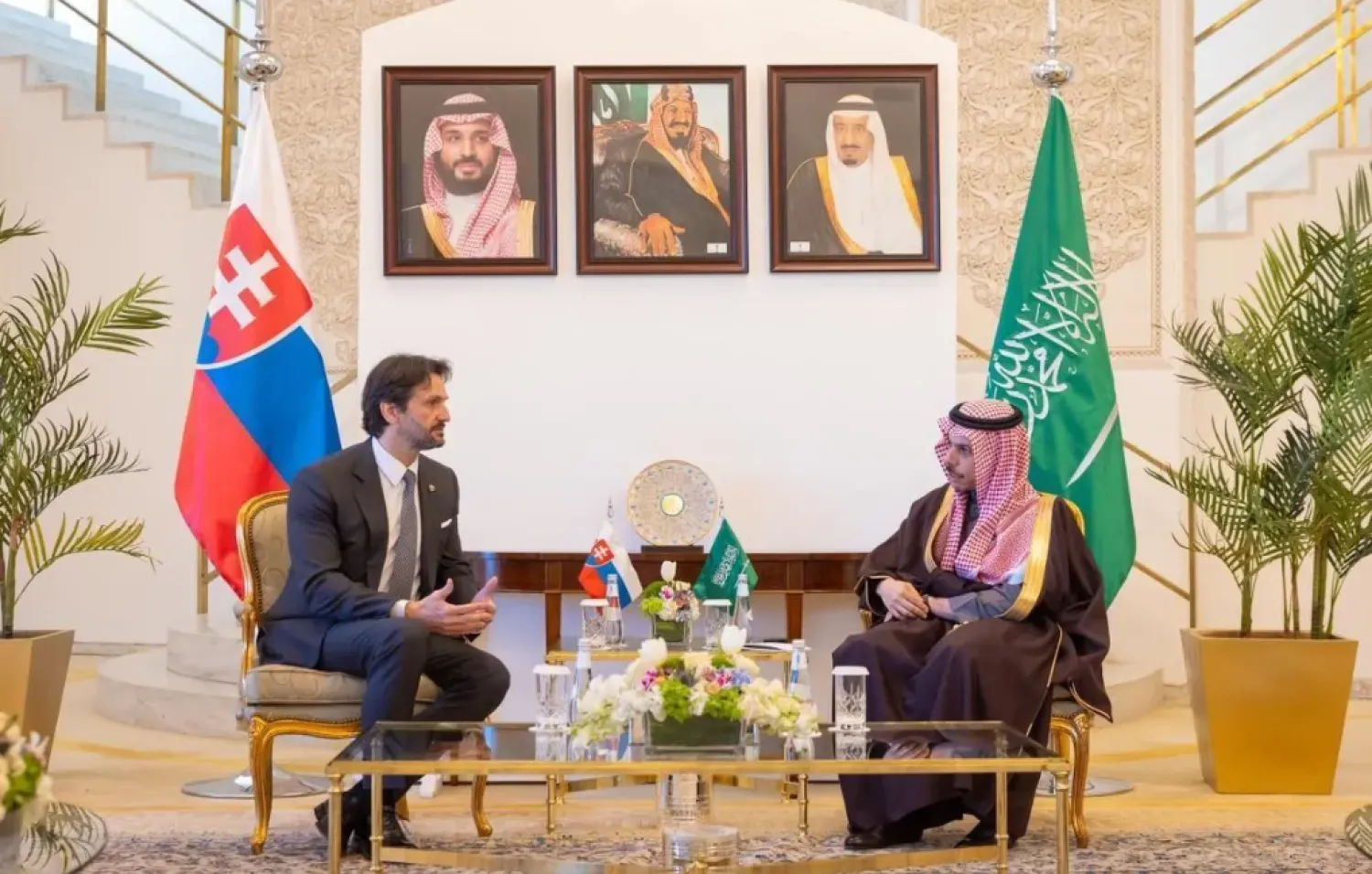
The committee session was co-chaired by Minister of Industry and Mineral Resources Bandar Alkhorayef and Tunisian Minister of Economy and Planning Dr. Samir Abdelhafidh, attended by official delegations and government sector representatives from both countries, SPA reported.

In his opening remarks, Alkhorayef emphasized the strength of Saudi-Tunisian relations and the brotherly and economic ties between the two countries, which span more than 70 years. He noted that these ties are reflected today in shared visions and ambitious work programs that align with the aspirations of both countries’ leaderships and peoples, as well as their mutual interests.

He pointed out that the Saudi-Tunisian Joint Committee, launched in 1998, represents an institutional framework aimed at translating cooperation into executable programs and initiatives. He expressed his hope that this session would serve as a new starting point for joint strategic projects and more impactful agreements that contribute to the economic development of both countries.

Alkhorayef stressed that the convening of the 12th session comes at an important time that requires intensified coordination in growth-driving sectors. The minister called on companies in both countries to build practical partnerships in promising industries and value chains. He also highlighted the outcomes of the third meeting, held in Tunisia in July 2025, namely the agreements on mutual recognition of product conformity certificates, which positively contributed to a 38% growth in trade exchange through September 2025 compared with the same period last year.

The committee’s current session focused on boosting cooperation mechanisms, discussing investment opportunities, and exchanging expertise in key sectors, including industry, mining, tourism, transport and logistics, and the judiciary and justice sectors. These efforts aim to enhance trade efficiency, support the access of Saudi products to international markets, and strengthen economic and investment cooperation.


77th Saudi Relief Plane for Palestinian People in Gaza Arrives in Egypt

This assistance is part of the Kingdom’s ongoing humanitarian support to alleviate the difficult living conditions faced by the Palestinian people in Gaza - SPA
TT

77th Saudi Relief Plane for Palestinian People in Gaza Arrives in Egypt

This assistance is part of the Kingdom’s ongoing humanitarian support to alleviate the difficult living conditions faced by the Palestinian people in Gaza - SPA

The 77th Saudi relief airplane, operated by the King Salman Humanitarian Aid and Relief Center in coordination with the Ministry of Defense and the Kingdom’s Embassy in Cairo, arrived Sunday at El Arish International Airport in Egypt.

The airplane carried food baskets and shelter kits destined for those affected in the Gaza Strip, SPA reported.

This assistance is part of the Kingdom’s ongoing humanitarian support, provided through the center, to alleviate the difficult living conditions faced by the Palestinian people in Gaza.


Saudi Defense Minister: Time for STC to Withdraw from Yemen's Hadhramaut and Al-Mahra

Saudi Defense Minister Prince Khalid bin Salman. (Asharq Al-Awsat)
TT

Saudi Defense Minister: Time for STC to Withdraw from Yemen's Hadhramaut and Al-Mahra

Saudi Defense Minister Prince Khalid bin Salman. (Asharq Al-Awsat)

Saudi Defense Minister Prince Khalid bin Salman said on Saturday it “was time for the Southern Transitional Council in Yemen to listen to reason and prioritize public interest and unity of ranks and respond to the Saudi-Emirati mediation to end the escalation.”

In a post on the X platform, he called on the STC to withdraw its forces from the eastern Hadhramaut and al-Mahra provinces and restore control to the National Shield and local authorities.

Prince Khalid said Saudi Arabia formed the Arab coalition to restore legitimacy in Yemen to help the country reclaim control over all of its territories.

The liberation of southern provinces was a pivotal development towards that goal, he stressed.

Saudi Arabia “views the southern issue as fundamental” to Yemen and it will not “exploit it in conflicts that do not serve” the nation, he added.

The Kingdom had brought together all Yemeni components to the Riyadh conference to come up with a clear path for a comprehensive political solution, including the southern issue, he went on to say.

The conference paved the way for a “just solution to their cause through dialogue and without the use of forces.”

“Saudi Arabia approved the decision to move the base of power so that the southerners could have a greater role in state institutions. It consolidated partnership instead of elimination or imposing a status quo through forces. Saudi Arabia also presented Yemen with economic support, as well as development and humanitarian initiatives that helped ease the suffering of the people,” Prince Khalid added.

“Saudi Arabia and its partners in the coalition offered sacrifices with their Yemeni brothers in liberating Aden and other provinces,” he noted. “The Kingdom has always sought that these sacrifices be made in the name of reclaiming territories and restoring the state, not as a path towards new conflicts.”

It had hoped that these sacrifices would have been “invested in the security of all Yemeni people, not exploited for petty gains, whereby the unfortunate developments in Hadhramaut and al-Mahra since the beginning of December 2025 have led to the division in ranks that should be united against the enemy.”

“The developments have laid waste to the sacrifices of our sons and Yemeni people and have harmed the just southern issue,” stressed Prince Khalid.

He noted that several southern leaderships and figures have exhibited “awareness and wisdom in supporting efforts to end the escalation in Hadhramaut and al-Mahra and prevent the secure southern provinces from being dragged into futile conflicts.”

“They are aware of the major challenges facing Yemen and will not allow saboteurs to achieve their goals in the country and the region,” he remarked.

He declared that the “southern issue will remain part of any comprehensive political solution. The cause will not be neglected or marginalized. It should be resolved through consensus, adhering to commitments and building trust between all Yemeni segments, not through adventures that only serve everyone's enemy.”