


Aloev to Asharq Al-Awsat: We Are Establishing New Form of Partnership between Central Asia, GCC

Uzbek Deputy Foreign Minister Bakhromjon Aloev. (Asharq Al-Awsat)
TT

Aloev to Asharq Al-Awsat: We Are Establishing New Form of Partnership between Central Asia, GCC

Uzbek Deputy Foreign Minister Bakhromjon Aloev. (Asharq Al-Awsat)

Uzbek Deputy Foreign Minister Bakhromjon Aloev characterized the inaugural Gulf-Central Asia summit scheduled for Wednesday as a momentous occasion, referring to it as “historic” and emphasizing that it represents a fresh paradigm for regional collaboration between two highly significant regions in the world, both in terms of geopolitical and economic geography.

Speaking to Asharq Al-Awsat, Aloev affirmed that the collaboration between Central Asian countries and Arab Gulf states holds strategic importance given the challenging international landscape.

“The symbolism of holding this event in the Kingdom of Saudi Arabia is profound, given the Kingdom’s unique role in the region and the broader Arab and Islamic world,” he added.

He pointed out that enhancing the existing relations between both sides in the current circumstances serves the long-term interests of both regions.

“The new framework we are building is designed to intensify dialogue and partnership between the Gulf region and Central Asia, enriching cooperation through practical programs and projects,” said Aloev.

“It aims to establish an open and effective system for regional relations and enhance multi-party partnerships,” he explained.

The official also urged the development of mechanisms to ensure the sustainability of political consultations and dialogues with the Gulf Cooperation Council (GCC) countries.

He emphasized the need to explore new avenues for collaboration in the realms of economy, trade, logistics, and transportation.

Additionally, he highlighted the potential of all parties involved to achieve progressive development, bolster strategic security, and enhance stability.

The official underscored that the development of his country’s relations with Saudi Arabia stands at the forefront of Uzbekistan’s foreign policy priorities.

He pointed out that Saudi Arabia holds significant credibility and substantial financial and economic potential, not only within the Arab and Islamic nations but across the globe.

Aloev further explained that Uzbekistan possesses abundant agricultural resources that can provide ample opportunities to diversify its exports and ensure the supply of food products to the Arab Gulf states.

Saudi-Uzbek relations

Aloev stressed the importance his country places on the gradual and dynamic development of comprehensive relations with the Middle East.

He highlighted that these relations are built on historical and cultural ties, while also taking into consideration the contemporary transformations occurring in this region, which is geographically close to Uzbekistan.

“Developing relations with the Kingdom of Saudi Arabia stands as one of the primary objectives of Uzbekistan’s newly shaped foreign policy,” confirmed Aloev.

“The Kingdom holds significant importance as a strategic partner for Uzbekistan, boasting great credibility and vast financial and economic resources not only within the Arab and Islamic nations but also on a global scale,” he added.

“The inaugural state visit of President Shavkat Mirziyoyev to Saudi Arabia in August 2022 undeniably ushered in a new chapter in bilateral relations,” noted Aloev.

“The discussions between President Mirziyoyev and Crown Prince Mohammed bin Salman showcased a clear alignment of perspectives and shared aspirations between the two nations,” he remarked.

Aloev emphasized Mirziyoyev's post-visit statements, in which he characterized the historic Uzbek-Saudi meeting as a powerful signal to enhance cooperation and strengthen trade relations.

The visit resulted in the signing of agreements and contracts worth over $14 billion, spanning diverse sectors, such as energy, chemicals, electrical engineering, infrastructure development, agriculture, pharmaceuticals, information technology, and transportation.

Aloev further explained that both countries hold substantial untapped potential to expand trade soon, a process made smoother through reciprocal visits by business delegates. The primary impetus for these exchanges stemmed from the successful outcomes of the Uzbek-Saudi summit held in Jeddah the previous year.

Additionally, the deputy foreign minister disclosed a remarkable 4.2-fold increase in the number of companies operating in Uzbekistan with Saudi investments over the past five years.

Moreover, he shared significant figures, revealing that in 2022, more than 58,000 Uzbek citizens traveled to Saudi Arabia for Umrah, while 15,000 performed the Hajj in 2023.

Saudi-Uzbek regional, international coordination

Aloev highlighted the successful cooperation between Uzbekistan and Saudi Arabia in political and international affairs, characterized by consistent mutual support within various regional and international organizations, including the UN and the Organization of Islamic Cooperation.

Additionally, he emphasized Uzbekistan’s willingness to back Riyadh’s bid to host the prestigious Expo 2030 world exhibition. Moreover, Uzbekistan has played a supportive role in Saudi Arabia’s recognition as a “Dialogue Partner” within the Shanghai Cooperation Organization.

Aloev acknowledged Saudi Arabia’s affirmative votes for Uzbekistan’s initiatives and joint sponsorship of the UN General Assembly resolution on “Education and Religious Tolerance” in 2019.

Furthermore, Saudi Arabia lent its support to Uzbekistan's nomination to the UN Human Rights Council in 2020.

In other instances of bilateral cooperation, Saudi Arabia also voted in favor of hosting the 25th session of the World Tourism Organization in Samarkand in 2022.

Aloev went on to mention that “following a high-level visit to the Kingdom of Saudi Arabia in 2022, an exemption from visa requirements for Saudi Arabian citizens entering Uzbekistan was introduced.”



Saudi-Omani Coordination Meeting Consolidates Joint Cooperation

Saudi Minister and his Omani counterpart co-chaired the third meeting of the Saudi-Omani Coordination Council. (SPA)
TT

Saudi-Omani Coordination Meeting Consolidates Joint Cooperation

Saudi Minister and his Omani counterpart co-chaired the third meeting of the Saudi-Omani Coordination Council. (SPA)

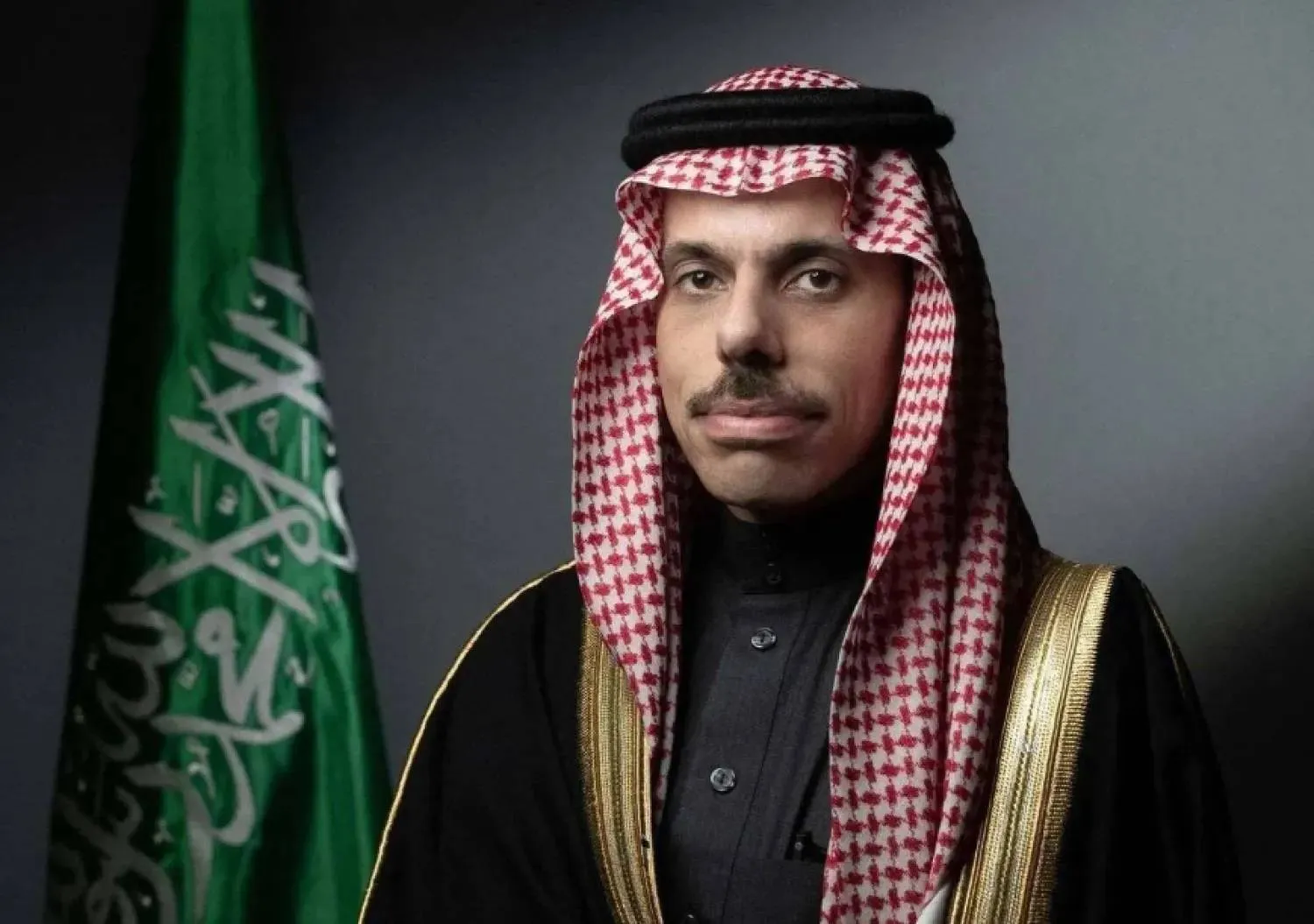
Saudi Minister of Foreign Affairs, Prince Faisal bin Farhan bin Abdullah, met on Monday in Muscat with Minister of Foreign Affairs of Oman, Sayyid Badr bin Hamad bin Hamoud Al Busaidi, where they reviewed the fraternal relations between the two countries and ways to develop them across various fields.

The two sides also discussed regional and international developments, and the efforts addressed in this regard.

Following their meeting, the Saudi Minister and his Omani counterpart co-chaired the third meeting of the Saudi-Omani Coordination Council with the participation of the heads of the Council’s subsidiary committees and the two heads of the Council’s General Secretariat teams.

The meeting of the Coordination Council comes as an affirmation of the keenness of the Saudi and Omani leaderships to strengthen fraternal ties and advance them toward broader horizons that achieve greater prosperity for the two countries and peoples.

In his remarks during the meeting, Prince Faisal affirmed that the meeting builds on the second meeting of the Saudi-Omani Coordination Council, which was held in AlUla on 12 December 2024, and on its positive and fruitful outcomes within the framework of the approved recommendations and initiatives.

Prince Faisal stressed the importance of continuing the work of the Council’s subsidiary committees to complete the necessary procedures to implement the remaining initiatives, and of the General Secretariat’s role in follow-up and in addressing any challenges that may hinder implementation.

The Saudi minister underscored the importance of developing and enhancing trade relations, stimulating investment, and strengthening cooperation between the public and private sectors. He commended the signing of the minutes facilitating mutual recognition of rules of origin between the two countries and the acceptance of certificates of origin issued by the competent authorities, as well as the launch of the second phase of industrial integration initiatives between the two countries.

This, Prince Faisal highlighted, reflects the strength of economic ties and underscores the commitment to enhancing economic and trade cooperation in a manner that serves the interests of both countries and peoples.

He also praised the ongoing work to establish and launch the Coordination Council’s electronic platform, which aims to connect all committee work and initiatives to facilitate follow-up on the Council’s progress. The Foreign Minister further welcomed the progress achieved between the two countries in the fields of economy, trade, industry, energy, investment, and other vital sectors, and efforts to expand cooperation opportunities in ways that yield positive outcomes and benefits for the two peoples.

For his part, the Omani Minister of Foreign Affairs affirmed in his remarks the qualitative progress in relations between the two countries and the notable development witnessed across numerous sectors toward achieving economic integration and enhancing intra-trade and joint investments.

He also highlighted deeper cooperation in security and judicial fields, as well as cultural and tourism sectors, noting the advanced and continuous political cooperation, consultation, and coordination on regional and international issues—reflecting the shared commitment to aligning visions and objectives between the two countries.

The Omani foreign minister expressed his aspiration to continue advancing joint cooperation and achieving integration across all fields that bring further benefits to the two peoples, emphasizing the activation of agreed initiatives and the implementation of joint programs and projects in a manner that fulfills the aspirations of the leaderships and peoples of both countries.

At the conclusion of the meeting, the two sides signed the minutes of the third meeting of the Saudi-Omani Coordination Council.

The meeting was attended by Assistant Minister of Interior Dr. Hisham Al-Falih; Deputy Minister for Political Affairs Ambassador Dr. Saud Al-Sati; Saudi Arabia's Ambassador to Oman Ibrahim bin Bishan; Assistant Minister of Investment Dr. Abdullah Al-Dubaikhi; Deputy Minister for International Economic Affairs at the Ministry of Economy and Planning Rakan Tarabzoni; Head of the Secretariat's working group by from the Saudi side Engineer Fahd Al-Harthi; and Director General of International Cooperation at the Ministry of Culture Abdullah Al-Raddadi; and Advisor to the Director of the Strategic Management Office Eng. Abdulrahman Maghrabi.


Arab League Condemns Israeli Decision to Establish New Settlements in West Bank

A general view shows the opening session of the meeting of Arab foreign ministers at the Arab League Headquarters (Reuters)
TT

Arab League Condemns Israeli Decision to Establish New Settlements in West Bank

A general view shows the opening session of the meeting of Arab foreign ministers at the Arab League Headquarters (Reuters)

Secretary-General of the League of Arab States Ahmed Aboul Gheit condemned the decision by the Israeli occupation’s ministerial committee to approve the establishment of 19 new settlements in the occupied West Bank, considering it a blatant challenge to the international will rejecting settlement activity and a violation of international law, which affirms the illegitimacy of settlements.

In a statement issued Monday, the secretary-general said the continued expansion of illegal settlement activity aims to prevent the establishment of a geographically contiguous Palestinian state and reflects the nature of the Israeli government, which he said is controlled by extremists and settlers, SPA reported.

Aboul Gheit stressed that settlement expansion will not make it legitimate under any circumstances.


He highlighted that the violence practiced by extremist settlers against Palestinians in the West Bank constitutes a form of terrorism carried out under the watch and with the protection of the official institutions of the occupying power.


Saudi FM Arrives in Muscat for Meeting of Saudi-Omani Coordination Council 

Omani FM Sayyid Badr bin Hamad bin Hamood Albusaidi welcomes his Saudi counterpart Prince Faisal bin Farhan bin Abdullah upon his arrival in Muscat. (SPA)
TT

Saudi FM Arrives in Muscat for Meeting of Saudi-Omani Coordination Council 

Omani FM Sayyid Badr bin Hamad bin Hamood Albusaidi welcomes his Saudi counterpart Prince Faisal bin Farhan bin Abdullah upon his arrival in Muscat. (SPA)

Saudi Minister of Foreign Affairs Prince Faisal bin Farhan bin Abdullah arrived in Muscat on Monday.

He was received by his Omani counterpart Sayyid Badr bin Hamad bin Hamood Albusaidi upon his arrival at Muscat International Airport.

The two sides are scheduled to hold the third meeting of the Saudi-Omani Coordination Council.